
Made byBobr AI

Safe Mooring Operations: Hazards & Accident Prevention

Essential safety guide for maritime mooring operations. Learn about snap-back zones, equipment inspection, and key lessons from fatal accident case studies.

#maritime-safety#mooring-operations#deck-crew-training#snap-back-zone#shipboard-safety#maritime-accidents

Safe Mooring Operations

Hazards, Equipment Care, and Accident Prevention for Deck Crew

Made byBobr AI

The Operational Reality

  • Mooring is one of the most dangerous jobs on board.
  • High tension loads + massive kinetic energy = zero margin for error.
  • Safety relies on: Condition of Equipment, Communication, and Positioning.
Made byBobr AI

Primary Causes of Mooring Incidents

Chart
The majority of major injuries stem from line failures (snap-back) and poor positioning (entrapment).
Made byBobr AI

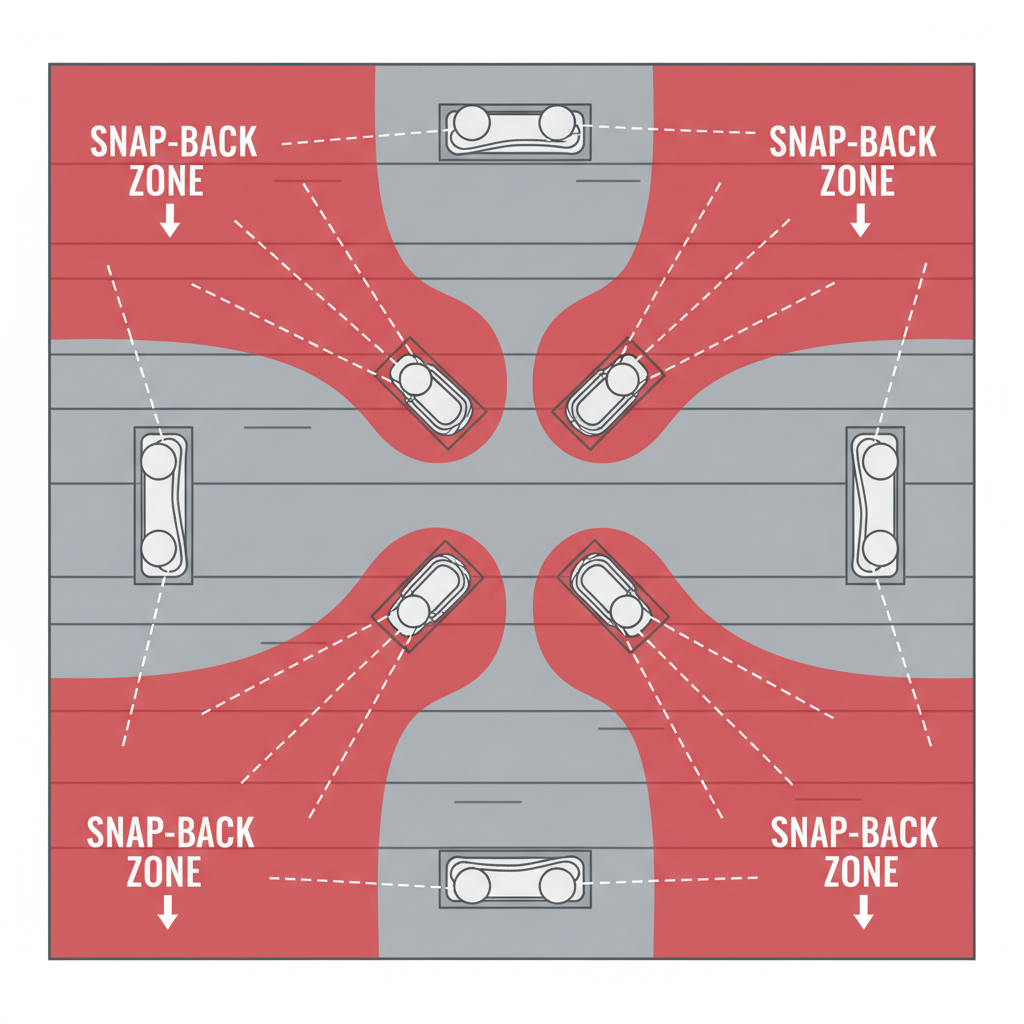
DANGER: Snap-Back Zones

Synthetic tails and ropes store lethal kinetic energy. When they part, they snap back instantly.

RULE:

Treat the entire mooring deck as a potential snap-back zone. There is NO safe place when a line is under tension.

Made byBobr AI

Human Position: The Line of Fire

DON'T:

Never stand in a bight (loop) of a rope.

DO:

Never stand in the direct line of pull.

Made byBobr AI

DON'T RUSH.

Rushing kills situational awareness. Most accidents happen when crews try to 'catch up' to the operation.

Stop. Look. Assess. Communicate.

Made byBobr AI

Know Your Equipment

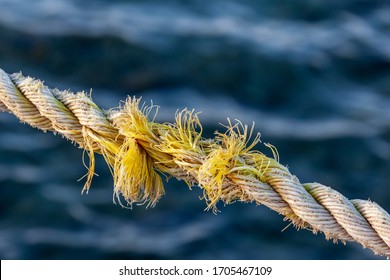
Ropes: Inspection is mandatory. Look for abrasion, chemical damage, or melted fibers on HMPE ropes.

Hardware: Check fairleads and rollers. Rough surfaces act like knives on tensioned ropes.

Made byBobr AI

Case Study: Fatal Snap-Back

A mooring line fouled on a fender during berthing. The line was kept under tension. When it freed itself, it snapped tight instantly.

CONSEQUENCE: The line struck the Officer in Charge (OIC) who was standing near the railing.

LESSON: If a line fouls, slack it off immediately. Never rely on tension to free a line.

Made byBobr AI

Case Study: Winch Entanglement

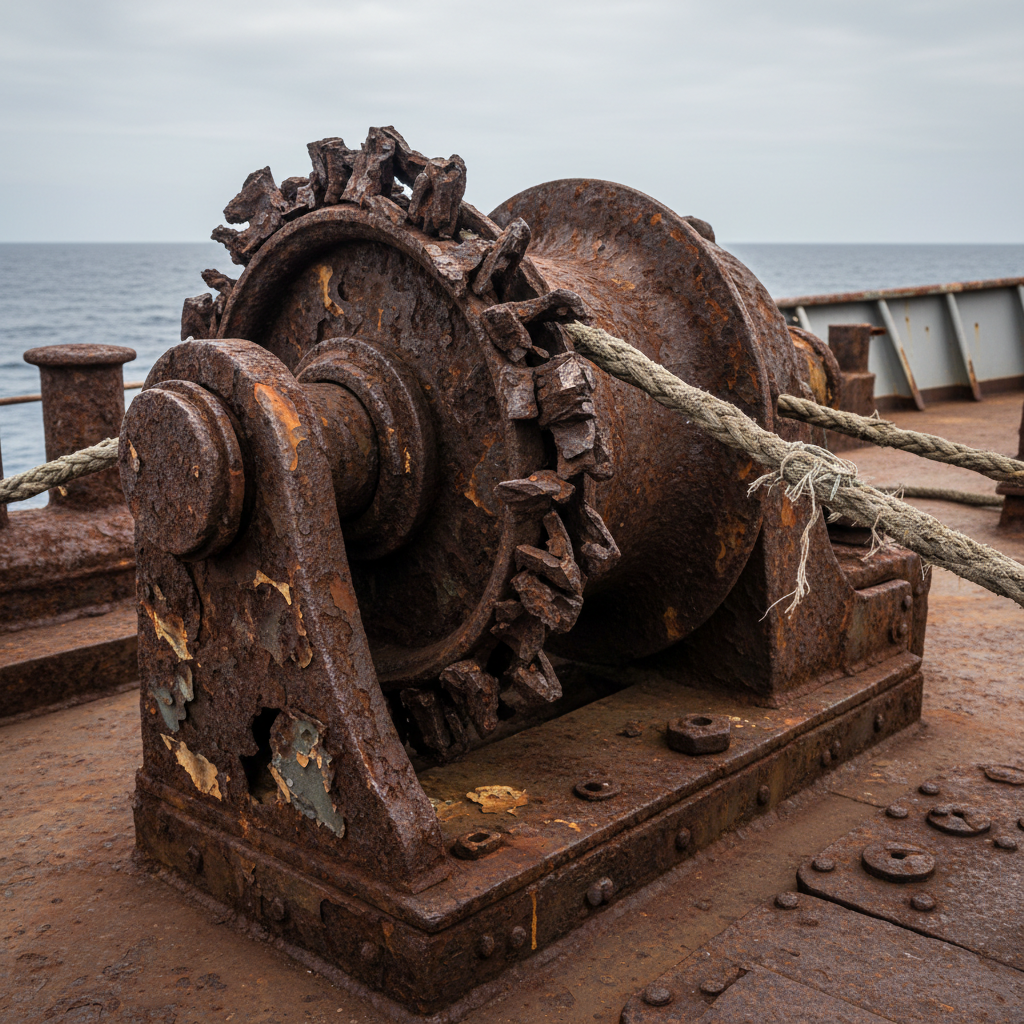
During unmooring, a crew member stood too close to the winch drum while heaving.

Loose clothing was caught by the rope. The crew member was pulled onto the drum.

LESSON: Secure loose gear. Maintain distance (at least 1 meter) from rotating drums.

Made byBobr AI

The Golden Rules of Mooring

  • 1. NEVER stand in the snap-back zone or a bight.
  • 2. DO NOT RUSH. Communicate with the Bridge.
  • 3. Inspect lines and winches before every operation.
  • 4. Stop the job if you see an unsafe act.
Made byBobr AI
Bobr AI

DESIGNER-MADE
PRESENTATION,
GENERATED FROM
YOUR PROMPT

Create your own professional slide deck with real images, data charts, and unique design in under a minute.

Generate For Free

Safe Mooring Operations: Hazards & Accident Prevention

Essential safety guide for maritime mooring operations. Learn about snap-back zones, equipment inspection, and key lessons from fatal accident case studies.

Safe Mooring Operations

Hazards, Equipment Care, and Accident Prevention for Deck Crew

The Operational Reality

Mooring is one of the most dangerous jobs on board.

High tension loads + massive kinetic energy = zero margin for error.

Safety relies on: Condition of Equipment, Communication, and Positioning.

Primary Causes of Mooring Incidents

The majority of major injuries stem from line failures (snap-back) and poor positioning (entrapment).

DANGER: Snap-Back Zones

Synthetic tails and ropes store lethal kinetic energy. When they part, they snap back instantly.

Treat the entire mooring deck as a potential snap-back zone. There is NO safe place when a line is under tension.

Human Position: The Line of Fire

Never stand in a bight (loop) of a rope.

Never stand in the direct line of pull.

DON'T RUSH.

Rushing kills situational awareness. Most accidents happen when crews try to 'catch up' to the operation.

Stop. Look. Assess. Communicate.

Know Your Equipment

Inspection is mandatory. Look for abrasion, chemical damage, or melted fibers on HMPE ropes.

Check fairleads and rollers. Rough surfaces act like knives on tensioned ropes.

Case Study: Fatal Snap-Back

A mooring line fouled on a fender during berthing. The line was kept under tension. When it freed itself, it snapped tight instantly.

CONSEQUENCE: The line struck the Officer in Charge (OIC) who was standing near the railing.

LESSON: If a line fouls, slack it off immediately. Never rely on tension to free a line.

Case Study: Winch Entanglement

During unmooring, a crew member stood too close to the winch drum while heaving.

Loose clothing was caught by the rope. The crew member was pulled onto the drum.

LESSON: Secure loose gear. Maintain distance (at least 1 meter) from rotating drums.

The Golden Rules of Mooring

1. NEVER stand in the snap-back zone or a bight.

2. DO NOT RUSH. Communicate with the Bridge.

3. Inspect lines and winches before every operation.

4. Stop the job if you see an unsafe act.

  • maritime-safety
  • mooring-operations
  • deck-crew-training
  • snap-back-zone
  • shipboard-safety
  • maritime-accidents