







Made byBobr AI

Systems Theory in Policing: Open vs. Closed Models

Explore organizational theories in criminal justice, comparing the closed Professional Model vs. open Community Policing and Learning Organizations.

#criminal-justice#systems-theory#community-policing#organizational-learning#police-administration#contingency-theory

Systems Theory in Policing: Open vs. Closed Models

An Advanced Analysis for Criminal Justice Administration

Made byBobr AI

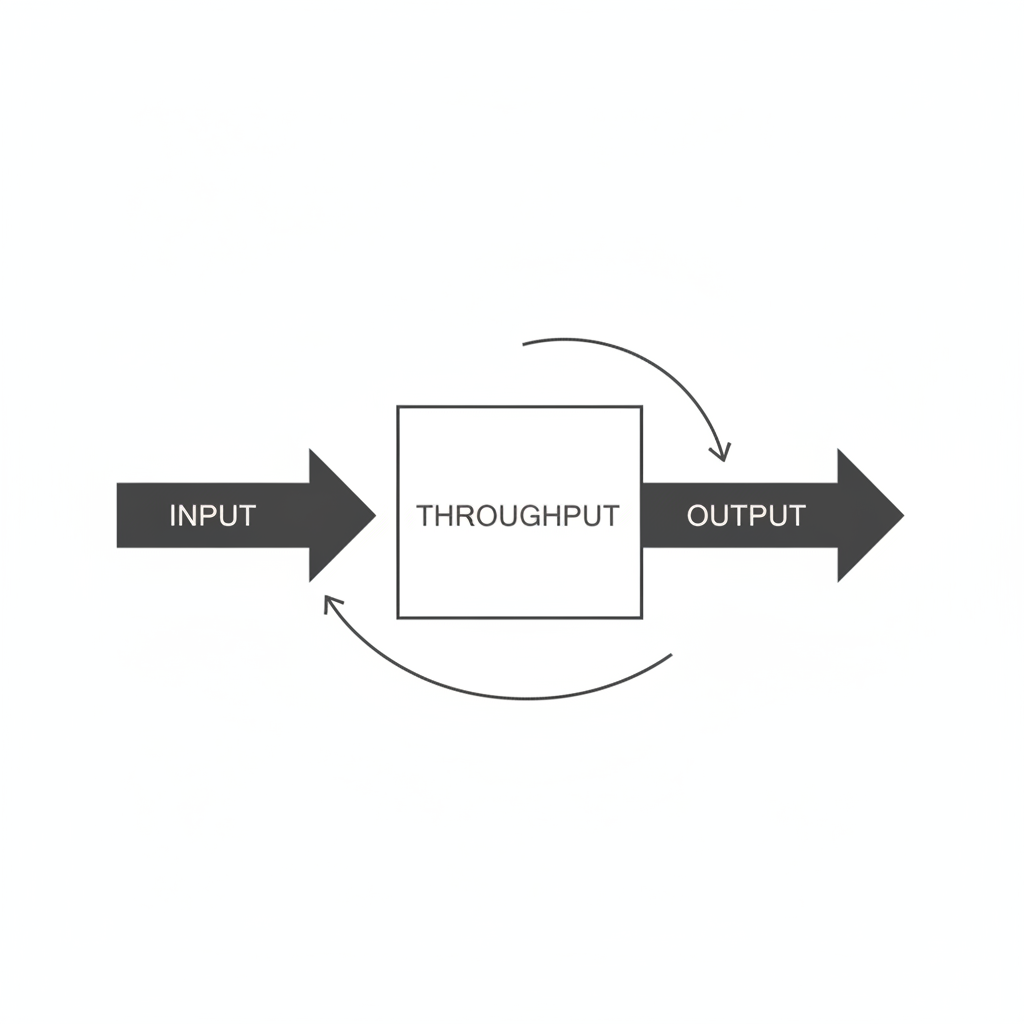
Theoretical Foundations: General Systems Theory

  • Ludwig von Bertalanffy (1968): Organizations are unitary wholes composed of interacting parts.
  • Key Concept: Homeostasis - The tendency of a system to maintain internal stability.
  • Key Concept: Entropy - The inevitable degradation of a system without imported energy.
Made byBobr AI

The Closed-System Model

A framework focusing on internal efficiency, rigid boundaries, and insulation from the external environment.

  • Rationality & Predictability: Prioritizes procedure over outcome flexibility.
  • Insularity: External political or social pressures are viewed as interference.
  • Top-Down Authority: Communication flows downward; feedback is limited.
Made byBobr AI

Closed Systems in Action: The 'Professional Model'

Dominant from the 1950s—1970s (The Reform Era), agencies sought autonomy to reduce corruption and influence.

Operational Characteristics:

  • Paramilitary organizational structure (Strict hierarchy)
  • Focus on metrics like reaction time and arrest rates (Internal criteria)
  • The 'Thin Blue Line' ideology (Separation from community)
Made byBobr AI

The Open-System Model

A framework acknowledging that organizations are dependent on and constantly interacting with their environment.

1. Negative Entropy: Negative Entropy: Importing energy/resources (budget, legitimacy, information) from outside to survive.

2. Permeable Boundaries: Permeable Boundaries: Community input directly shapes policy and tactics.

3. Equifinality: Equifinality: Different paths can lead to the same outcome (flexibility).

Made byBobr AI
MODERN APPLICATION

Open Systems in Action: Community Policing

Community-Oriented Policing (COP) represents the shift to an open-system model.

Environment as Partner

Environment as Partner: The public is a 'co-producer' of public safety.

Feedback Loops

Feedback Loops: Citizen advisory boards, town halls, and complaint mechanisms alter police operations.

Interdependency

Interdependency: Police rely on social services, schools, and mental health agencies (System of Systems).

Made byBobr AI

Beyond Basic Systems: Contingency & Complexity

Contingency Theory

There is no 'one best way' to organize. Structure must match the environment. High-crime urban areas may require different systems than rural jurisdictions.

Complexity Theory

The CJ system is non-linear. Small changes (e.g., a single use-of-force incident) can cause massive, unpredictable system-wide effects (Butterfly Effect).

Made byBobr AI

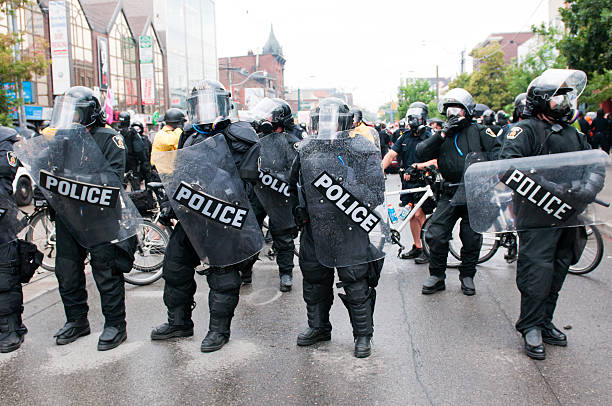
Case Study: Riot Control vs. Facilitation

Contrasting system responses to civil unrest.

CLOSED: 'Escalated Force'

Rigid tactics, overwhelming force, views crowd as unitary threat. Ignores environment feedback.

OPEN: 'Negotiated Management'

Communication with leaders, selective tolerance, adapts to crowd behavior in real-time.

Made byBobr AI

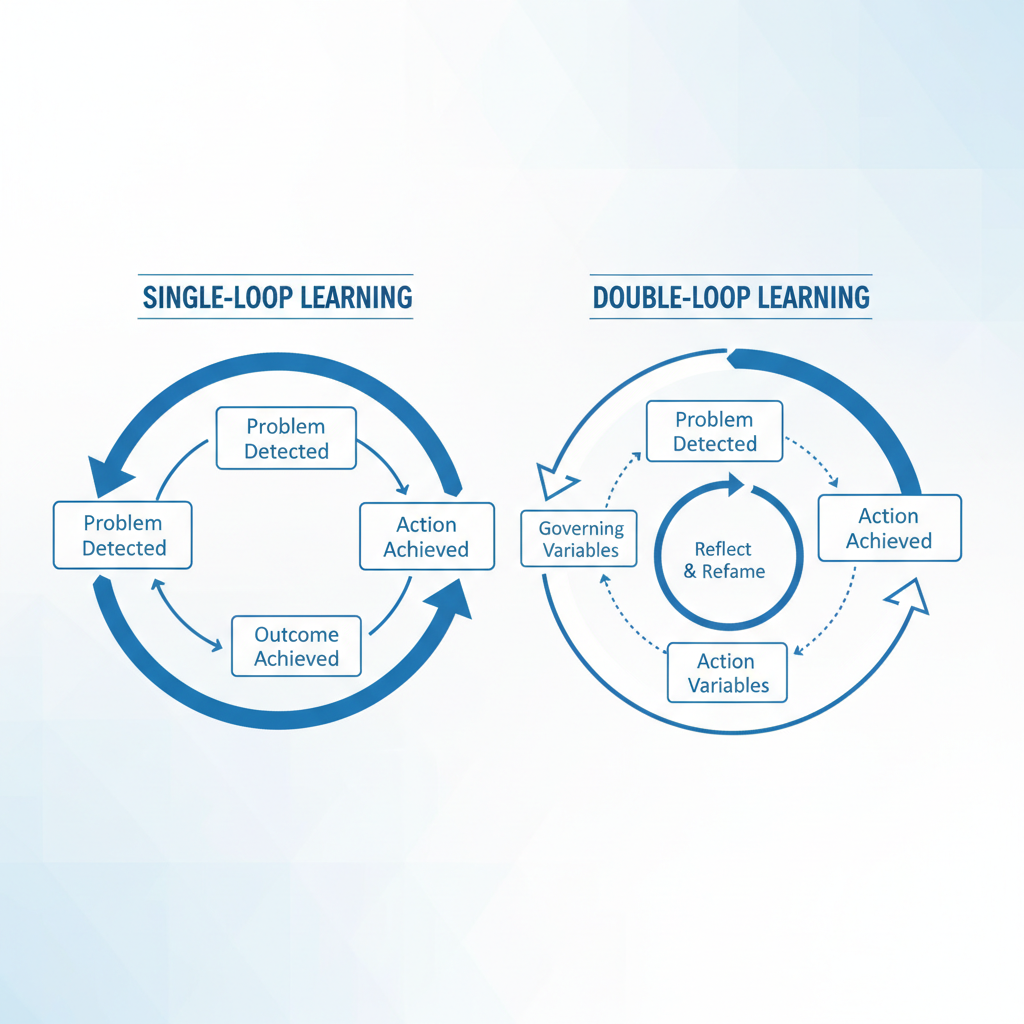
The Learning Organization in CJ

Applying Peter Senge's framework to policing:

Single-Loop Learning

Detecting an error and correcting it (e.g., discipline for an individual officer)

Double-Loop Learning

Questioning underlying policies and assumptions (e.g., asking WHY the policy led to the misconduct).

Made byBobr AI

Balanced Framework: Learning Organization

Advantages (Pros)

  • Adaptability: Faster response to new crime trends (e.g., cybercrime).
  • Legitimacy: Transparent error correction builds public trust.

Challenges (Cons)

  • Accountability Ambiguity: Decentralized decision-making can obscure blame.
  • Political Risk: Admitting systemic failure is politically dangerous for Chiefs.
Made byBobr AI

Conclusion: The Future of Policing Systems

Modern CJ agencies can no longer function effectively as closed bastions. The path forward requires balancing the efficiency of control with the adaptability of open learning.

Made byBobr AI
Bobr AI

DESIGNER-MADE
PRESENTATION,
GENERATED FROM
YOUR PROMPT

Create your own professional slide deck with real images, data charts, and unique design in under a minute.

Generate For Free

Systems Theory in Policing: Open vs. Closed Models

Explore organizational theories in criminal justice, comparing the closed Professional Model vs. open Community Policing and Learning Organizations.

Systems Theory in Policing: Open vs. Closed Models

An Advanced Analysis for Criminal Justice Administration

Theoretical Foundations: General Systems Theory

Ludwig von Bertalanffy (1968): Organizations are unitary wholes composed of interacting parts.

Key Concept: Homeostasis - The tendency of a system to maintain internal stability.

Key Concept: Entropy - The inevitable degradation of a system without imported energy.

The Closed-System Model

A framework focusing on internal efficiency, rigid boundaries, and insulation from the external environment.

Rationality & Predictability: Prioritizes procedure over outcome flexibility.

Insularity: External political or social pressures are viewed as interference.

Top-Down Authority: Communication flows downward; feedback is limited.

Closed Systems in Action: The 'Professional Model'

Dominant from the 1950s—1970s (The Reform Era), agencies sought autonomy to reduce corruption and influence.

Operational Characteristics:

Paramilitary organizational structure (Strict hierarchy)

Focus on metrics like reaction time and arrest rates (Internal criteria)

The 'Thin Blue Line' ideology (Separation from community)

The Open-System Model

A framework acknowledging that organizations are dependent on and constantly interacting with their environment.

Negative Entropy: Importing energy/resources (budget, legitimacy, information) from outside to survive.

Permeable Boundaries: Community input directly shapes policy and tactics.

Equifinality: Different paths can lead to the same outcome (flexibility).

Open Systems in Action: Community Policing

Community-Oriented Policing (COP) represents the shift to an open-system model.

Environment as Partner: The public is a 'co-producer' of public safety.

Feedback Loops: Citizen advisory boards, town halls, and complaint mechanisms alter police operations.

Interdependency: Police rely on social services, schools, and mental health agencies (System of Systems).

Beyond Basic Systems: Contingency & Complexity

Contingency Theory

There is no 'one best way' to organize. Structure must match the environment. High-crime urban areas may require different systems than rural jurisdictions.

Complexity Theory

The CJ system is non-linear. Small changes (e.g., a single use-of-force incident) can cause massive, unpredictable system-wide effects (Butterfly Effect).

Case Study: Riot Control vs. Facilitation

Contrasting system responses to civil unrest.

CLOSED: 'Escalated Force'

Rigid tactics, overwhelming force, views crowd as unitary threat. Ignores environment feedback.

OPEN: 'Negotiated Management'

Communication with leaders, selective tolerance, adapts to crowd behavior in real-time.

The Learning Organization in CJ

Applying Peter Senge's framework to policing:

Single-Loop Learning

Detecting an error and correcting it (e.g., discipline for an individual officer)

Double-Loop Learning

Questioning underlying policies and assumptions (e.g., asking WHY the policy led to the misconduct).

Balanced Framework: Learning Organization

Advantages (Pros)

Adaptability: Faster response to new crime trends (e.g., cybercrime).

Legitimacy: Transparent error correction builds public trust.

Challenges (Cons)

Accountability Ambiguity: Decentralized decision-making can obscure blame.

Political Risk: Admitting systemic failure is politically dangerous for Chiefs.

Conclusion: The Future of Policing Systems

Modern CJ agencies can no longer function effectively as closed bastions. The path forward requires balancing the efficiency of control with the adaptability of open learning.

  • criminal-justice
  • systems-theory
  • community-policing
  • organizational-learning
  • police-administration
  • contingency-theory