





Made byBobr AI

Buddhism vs. Hinduism: Epistemology of Vision & Perception

Explore the philosophical differences between Buddhist Anātman and Hindu Ātman through the lens of Pratyakṣa (perception) and the nature of reality.

#indian-philosophy#buddhism-vs-hinduism#epistemology#pratyaksa#atman-vs-anatman#comparative-religion#spirituality

Epistemologies of Vision: Buddhism vs. Hinduism

A Comparative Analysis of Pratyakṣa, The Self, and The Nature of Reality

Made byBobr AI

Defining 'Sight' (Pratyakṣa)

In Indian philosophy, 'sight' extends beyond physical optics to Epistemology (Pramāṇa-vāda). It specifically refers to Pratyakṣa—direct perception as a valid source of knowledge. The central debate is not *what* we see, but the *ontology* of the seer and the seen.

  • Physical Sight (Cakṣu): The sensory organ's function.
  • Mental Perception (Saññā/Manas): Interpretation of sensory data.
  • Insight/Wisdom (Prajñā/Jñāna): Direct realization of ultimate reality.
Made byBobr AI

Shared Ground: The Validity of Perception

Regardless of sectarian differences, both traditions agree that ordinary perception is often clouded by mental dispositions (saṃskāras).

Pramāṇa

Direct perception is a primary means of knowledge, but it must be verified against scripture or inference to ensure it is not an illusion.

Purification

Cognitive clarity requires ethical foundations (Yama/Niyama or Sīla) and meditative practice (Dhyāna/Samādhi).

Made byBobr AI
Sabbe saṅkhārā aniccā
(All conditions are impermanent)

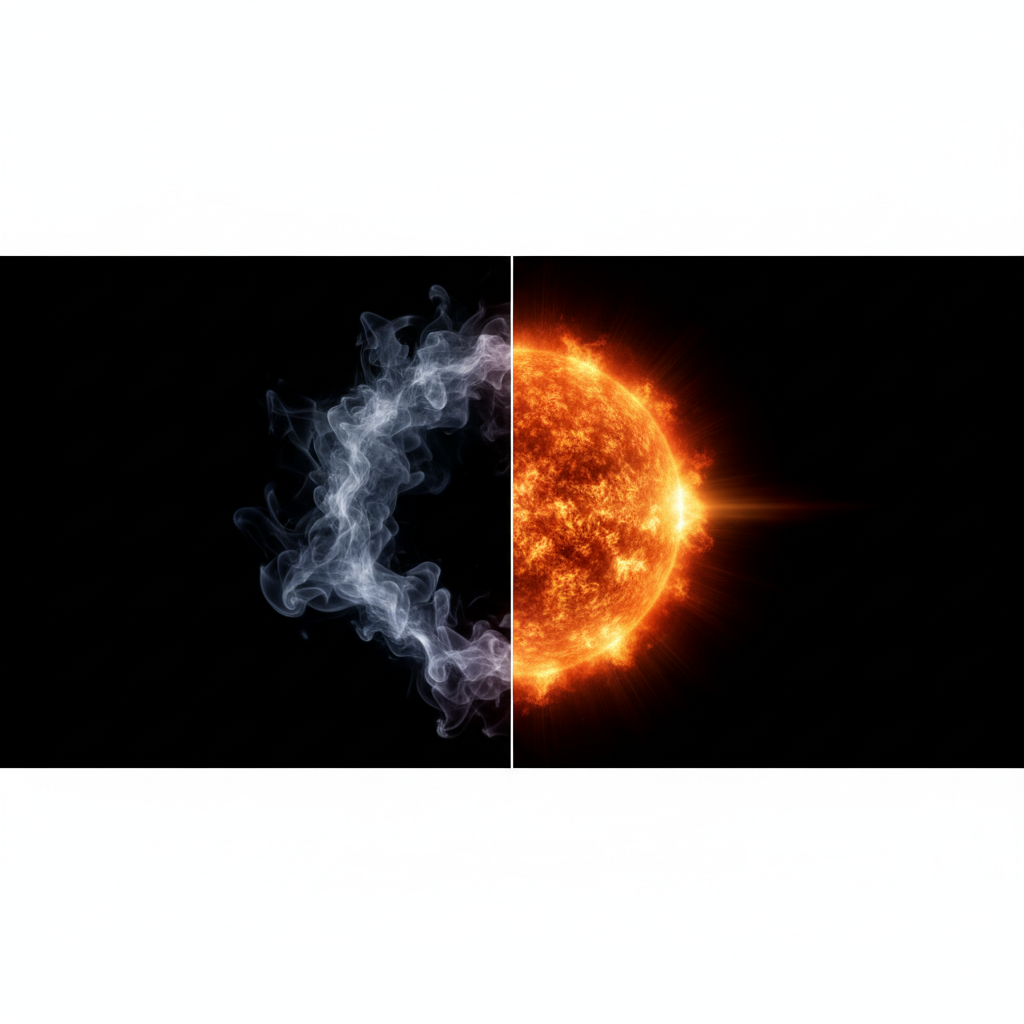
Buddhist View: Perception as Flux

Saññā (Perception)

In Buddhism, perception is one of the five aggregates (skandhas). It is not a passive recording by a static self, but an active, momentary event of recognition.

Epistemic Goal: To see things as 'arising and passing away' without reifying them.

Mechanism: Eye Consciousness maps to forms, but 'meaning' is constructed by the mind, often leading to attachment.

Made byBobr AI
Sat-Chit-Ananda
(Existence, Consciousness, Bliss)

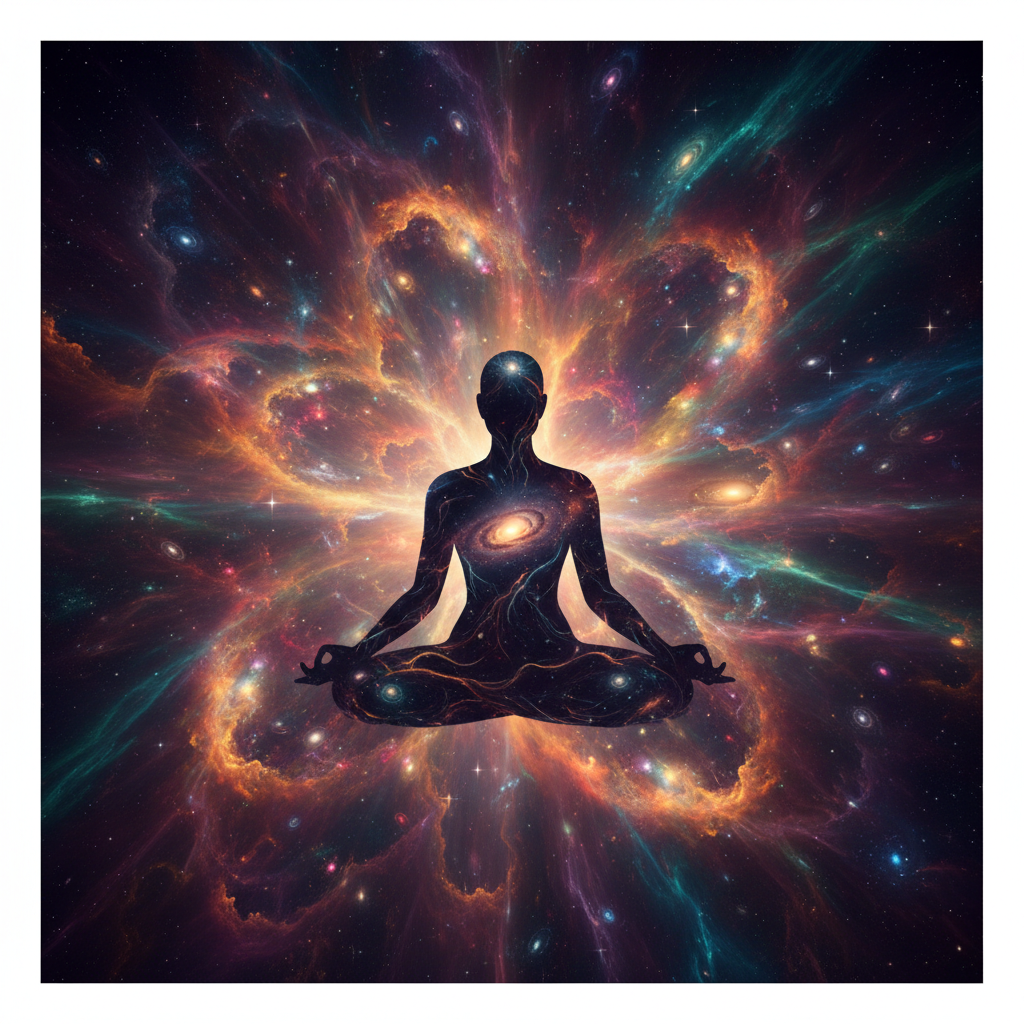
Hindu View: Perception as Witnessing

For Hindu schools (especially Vedanta and Nyaya), perception proves the existence of a stable subject. Who is the one seeing? It is the Atman (Self).

SAKSHI (The Witness)

Sakshi (The Witness): The unchangeable consciousness that observes mental fluctuations.

APAROKṢANUBHUTI

Direct Realization (Aparokṣanubhuti): Spiritual sight is not sensory, but an immediate, self-illuminating knowledge of one's identity with Brahman.

Made byBobr AI

Central Divergence: The Nature of the Seer

Buddhism: Anātman

"Seeing exists, but no Seer is found." Vision is a process, conditioned and empty of inherent self-nature.

Hinduism: Ātman

"The eye cannot see the Seer." The Seer is the ultimate reality (Brahman) looking through the windows of the senses.

Made byBobr AI

The Filter of Avidyā (Ignorance)

Both traditions argue that human sight is defective due to Avidyā, but they define the defect differently.

Buddhist View

Ignorance is assuming permanence in changed things. The error is Cognitive Projection (imputing 'self' on aggregates).

Hindu View

Ignorance is forgetting one's divine nature. The error is Misidentification (confusing the body/mind with the true Self).

Made byBobr AI

Sammā-diṭṭhi: 'Right View'

The Soteriological Goal of Buddhism

Right View is the first step of the Eightfold Path. It is seeing reality 'As It Is' (Yatha-bhuta), characterized by the Three Marks of Existence:

  • 1. Anicca (Impermanence)
  • 2. Dukkha (Unsatisfactoriness)
  • 3. Anatta (No-Self)
Made byBobr AI

Divya-Cakṣus: 'Divine Sight'

The Soteriological Goal of Hinduism

In Hinduism (e.g., Bhagavad Gita), the ultimate goal is Jñāna—Spiritual Knowledge. This is not analytical, but a mystical vision of unity.

  • Advaita (Non-Dual): Seeing the Self (Atman) in all beings.
  • Visvarupa: Seeing the Cosmic Form of God in the manifold universe.
Made byBobr AI

Methodologies of Vision

Buddhist Insight (Vipassanā)

Deconstructive. Observation of sensory input to decompose experience into element aggregates, proving emptiness.

Hindu Yoga & Bhakti

Unitive. Stilling the mind-stuff (Chitta-vritti-nirodha) or intense devotion (Bhakti) to merge individual sight with the Absoute.

Made byBobr AI

Final Comparison

Buddhism

Emphasizes NO-SELF (Anātman) and EMPTINESS (Śūnyatā). Vision dissolves the illusional observer.

Hinduism

Emphasizes SELF (Atman) and REALITY (Brahman). Vision reveals the eternal observer.

Main Takeaway: While both traditions utilize Pratyakṣa (perception) as a tool to overcome ignorance, they diverge fundamentally in ontology. One uses sight to deconstruct the self; the other uses sight to realize the self.

Made byBobr AI
Bobr AI

DESIGNER-MADE
PRESENTATION,
GENERATED FROM
YOUR PROMPT

Create your own professional slide deck with real images, data charts, and unique design in under a minute.

Generate For Free

Buddhism vs. Hinduism: Epistemology of Vision & Perception

Explore the philosophical differences between Buddhist Anātman and Hindu Ātman through the lens of Pratyakṣa (perception) and the nature of reality.

Epistemologies of Vision: Buddhism vs. Hinduism

A Comparative Analysis of Pratyakṣa, The Self, and The Nature of Reality

Defining 'Sight' (Pratyakṣa)

In Indian philosophy, 'sight' extends beyond physical optics to Epistemology (Pramāṇa-vāda). It specifically refers to Pratyakṣa—direct perception as a valid source of knowledge. The central debate is not *what* we see, but the *ontology* of the seer and the seen.

Physical Sight (Cakṣu): The sensory organ's function.

Mental Perception (Saññā/Manas): Interpretation of sensory data.

Insight/Wisdom (Prajñā/Jñāna): Direct realization of ultimate reality.

Shared Ground: The Validity of Perception

Regardless of sectarian differences, both traditions agree that ordinary perception is often clouded by mental dispositions (saṃskāras).

Pramāṇa

Direct perception is a primary means of knowledge, but it must be verified against scripture or inference to ensure it is not an illusion.

Purification

Cognitive clarity requires ethical foundations (Yama/Niyama or Sīla) and meditative practice (Dhyāna/Samādhi).

Buddhist View: Perception as Flux

Saññā (Perception)

In Buddhism, perception is one of the five aggregates (skandhas). It is not a passive recording by a static self, but an active, momentary event of recognition.

Epistemic Goal: To see things as 'arising and passing away' without reifying them.

Mechanism: Eye Consciousness maps to forms, but 'meaning' is constructed by the mind, often leading to attachment.

Hindu View: Perception as Witnessing

For Hindu schools (especially Vedanta and Nyaya), perception proves the existence of a stable subject. Who is the one seeing? It is the Atman (Self).

Sakshi (The Witness): The unchangeable consciousness that observes mental fluctuations.

Direct Realization (Aparokṣanubhuti): Spiritual sight is not sensory, but an immediate, self-illuminating knowledge of one's identity with Brahman.

Central Divergence: The Nature of the Seer

Buddhism: Anātman

"Seeing exists, but no Seer is found." Vision is a process, conditioned and empty of inherent self-nature.

Hinduism: Ātman

"The eye cannot see the Seer." The Seer is the ultimate reality (Brahman) looking through the windows of the senses.

The Filter of Avidyā (Ignorance)

Both traditions argue that human sight is defective due to Avidyā, but they define the defect differently.

Ignorance is assuming permanence in changed things. The error is Cognitive Projection (imputing 'self' on aggregates).

Ignorance is forgetting one's divine nature. The error is Misidentification (confusing the body/mind with the true Self).

Sammā-diṭṭhi: 'Right View'

The Soteriological Goal of Buddhism

Right View is the first step of the Eightfold Path. It is seeing reality 'As It Is' (Yatha-bhuta), characterized by the Three Marks of Existence:

Anicca (Impermanence)

Dukkha (Unsatisfactoriness)

Anatta (No-Self)

Divya-Cakṣus: 'Divine Sight'

The Soteriological Goal of Hinduism

In Hinduism (e.g., Bhagavad Gita), the ultimate goal is Jñāna—Spiritual Knowledge. This is not analytical, but a mystical vision of unity.

Advaita (Non-Dual): Seeing the Self (Atman) in all beings.

Visvarupa: Seeing the Cosmic Form of God in the manifold universe.

Methodologies of Vision

Buddhist Insight (Vipassanā)

Deconstructive. Observation of sensory input to decompose experience into element aggregates, proving emptiness.

Hindu Yoga & Bhakti

Unitive. Stilling the mind-stuff (Chitta-vritti-nirodha) or intense devotion (Bhakti) to merge individual sight with the Absoute.

Final Comparison

Emphasizes NO-SELF (Anātman) and EMPTINESS (Śūnyatā). Vision dissolves the illusional observer.

Emphasizes SELF (Atman) and REALITY (Brahman). Vision reveals the eternal observer.

Main Takeaway: While both traditions utilize Pratyakṣa (perception) as a tool to overcome ignorance, they diverge fundamentally in ontology. One uses sight to deconstruct the self; the other uses sight to realize the self.

  • indian-philosophy
  • buddhism-vs-hinduism
  • epistemology
  • pratyaksa
  • atman-vs-anatman
  • comparative-religion
  • spirituality