




Made byBobr AI

Mastering Morning Arrival Routines in Child Care Settings

A comprehensive guide for educators on child care arrival routines, covering health screenings, safety compliance, and managing separation anxiety.

#child-care-training#early-childhood-education#arrival-routine#staff-onboarding#child-care-compliance#separation-anxiety

Staff Onboarding Series: Module 1

Mastering the Morning Arrival Routine

A Guide for New Educators: Creating Safe, Warm & Compliant Transitions (0-5 Years)

Made byBobr AI

Why the Arrival Routine Matters

Emotional Regulation

Building a bridge between home and care to reduce anxiety.

Safety & Compliance

Accurate attendance records and reliable health screenings.

Relationship Building

Establishing trust with families through effective information exchange.

Made byBobr AI

The Environment: Before the Door Opens

✓ Room ambiance: Soft lighting and calm music play.

✓ Safety Scan: Ensure floor is clear of tripping hazards.

✓ Activity setup: Prepare 'invitations to play' on tables.

✓ Check stations: Sign-in iPad charged, hygiene station stocked.

Made byBobr AI

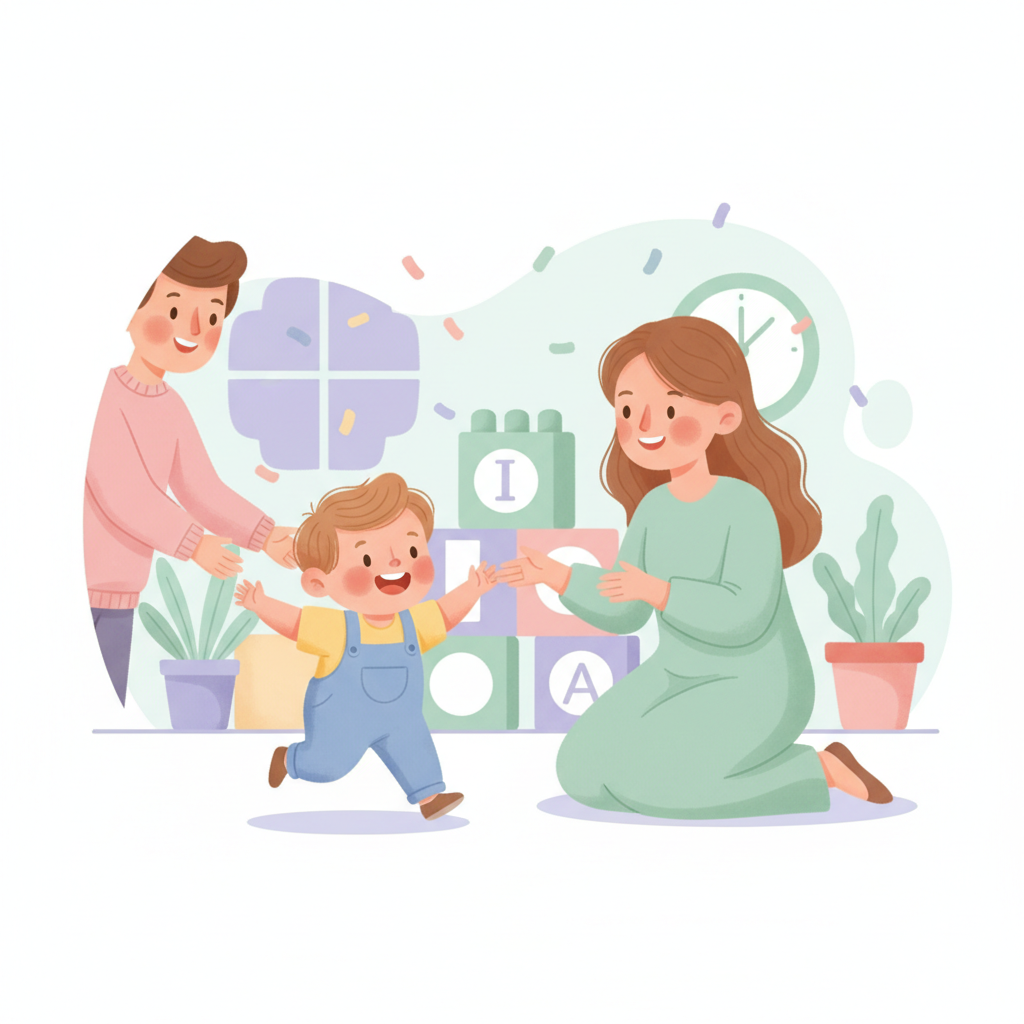
Step 1: The Warm Greeting

The first 30 seconds set the tone for the entire day. Physical positioning is key.

  • Get down to the child's eye level immediately.
  • Greet the child by name first, then the parent.
  • Use open body language (open arms, smile).
Made byBobr AI

Step 2: Hygiene & Health Screening

Every arrival requires a subtle but thorough health check to protect the community.

The Visual Scan

Visual Scan: Look for new rashes, runny eyes/nose, or lethargy.

Entry Hygiene

Hygiene: Ensure child washes hands or uses sanitizer upon entry.

Chart
Made byBobr AI

Step 3: Information Exchange (The Handoff)

Vital Questions to Ask

1. Sleep

How did they sleep last night?

2. Nutrition

When was their last meal/bottle?

3. Health

Any medication required today? (Must sign form)

4. Logistics

Who is picking them up?

Made byBobr AI

Step 4: Managing Separation Anxiety

1. The 'Quick Goodbye'

The 'Quick Goodbye': Encourage parents to say goodbye once and leave. Prolonging increases distress.

2. Comfort Objects

Comfort Object: Direct the child to their transition toy or family photo.

3. Bridge to Play

Bridge to Play: Immediately engage them in a prepared activity.

Chart
Made byBobr AI

Scenario Training: The 'Rush Drop-off'

Situation: A parent talks on their phone, opens the door, puts the child down without a word, and turns to leave.

✅ DO

DO: Gently intercept. 'Good morning! Before you go, I just need to check if [Child] has had breakfast?' (Prompt the handover).

❌ DON'T

DON'T: Let the parent leave without contact. This creates safety risks (unreported illness/meds) and increases child anxiety.

Made byBobr AI

Age-Specific Considerations

Infants (0-1y)

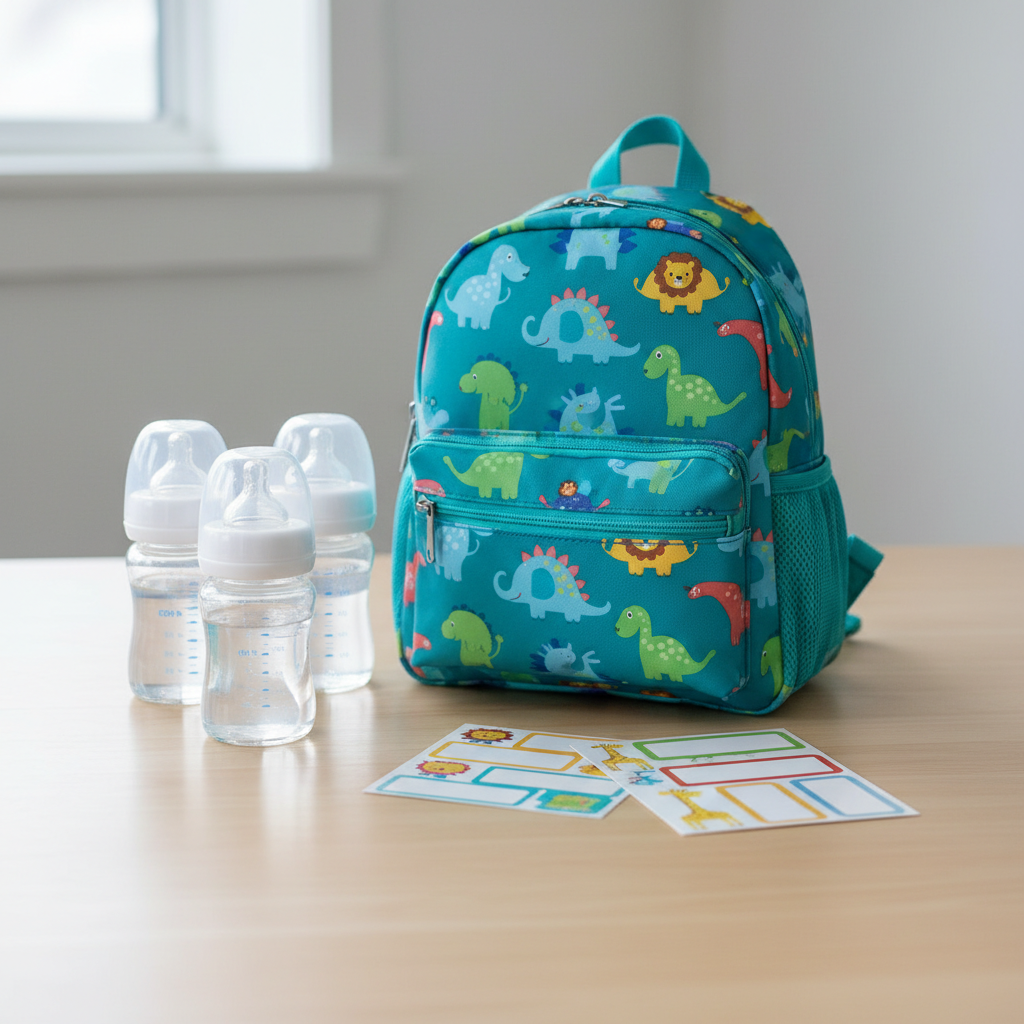
Critical info: Last feed time & bottle storage. Physical transfer from parent arms to educator arms is vital.

Toddlers (1-3y)

Check pockets for 'home toys' (choking hazards). Encourage them to hang up their own bag.

Preschool (3-5y)

Encourage independence: self-sign-in (sticker/name trace), putting water bottle in fridge.

Made byBobr AI

Failure to complete these steps creates regulatory & safety risks.

Non-Negotiable Compliance Checklist

Digital/Paper Sign-In Time recorded accurately?
Medication Authorization Form signed (if applicable)?
Authorized Person Verification (Is this person allowed to drop off?)
Sunscreen applied (if outdoor play is imminent)?
Made byBobr AI

Key Takeaways

1. Environment First: A prepared room calms the chaos.

2. Connection: Accompany every arrival with a personal greeting at eye level.

3. Vigilance: Health checks and accurate sign-ins keep us safe.

A good morning starts with YOU.

Made byBobr AI
Bobr AI

DESIGNER-MADE
PRESENTATION,
GENERATED FROM
YOUR PROMPT

Create your own professional slide deck with real images, data charts, and unique design in under a minute.

Generate For Free

Mastering Morning Arrival Routines in Child Care Settings

A comprehensive guide for educators on child care arrival routines, covering health screenings, safety compliance, and managing separation anxiety.

Mastering the Morning Arrival Routine

A Guide for New Educators: Creating Safe, Warm & Compliant Transitions (0-5 Years)

Staff Onboarding Series: Module 1

Why the Arrival Routine Matters

Emotional Regulation

Building a bridge between home and care to reduce anxiety.

Safety & Compliance

Accurate attendance records and reliable health screenings.

Relationship Building

Establishing trust with families through effective information exchange.

The Environment: Before the Door Opens

Room ambiance: Soft lighting and calm music play.

Safety Scan: Ensure floor is clear of tripping hazards.

Activity setup: Prepare 'invitations to play' on tables.

Check stations: Sign-in iPad charged, hygiene station stocked.

Step 1: The Warm Greeting

The first 30 seconds set the tone for the entire day. Physical positioning is key.

Get down to the child's eye level immediately.

Greet the child by name first, then the parent.

Use open body language (open arms, smile).

Step 2: Hygiene & Health Screening

Every arrival requires a subtle but thorough health check to protect the community.

Visual Scan: Look for new rashes, runny eyes/nose, or lethargy.

Hygiene: Ensure child washes hands or uses sanitizer upon entry.

Step 3: Information Exchange (The Handoff)

Vital Questions to Ask

How did they sleep last night?

When was their last meal/bottle?

Any medication required today? (Must sign form)

Who is picking them up?

Step 4: Managing Separation Anxiety

The 'Quick Goodbye': Encourage parents to say goodbye once and leave. Prolonging increases distress.

Comfort Object: Direct the child to their transition toy or family photo.

Bridge to Play: Immediately engage them in a prepared activity.

Scenario Training: The 'Rush Drop-off'

Situation: A parent talks on their phone, opens the door, puts the child down without a word, and turns to leave.

DO: Gently intercept. 'Good morning! Before you go, I just need to check if [Child] has had breakfast?' (Prompt the handover).

DON'T: Let the parent leave without contact. This creates safety risks (unreported illness/meds) and increases child anxiety.

Age-Specific Considerations

Infants (0-1y)

Critical info: Last feed time & bottle storage. Physical transfer from parent arms to educator arms is vital.

Toddlers (1-3y)

Check pockets for 'home toys' (choking hazards). Encourage them to hang up their own bag.

Preschool (3-5y)

Encourage independence: self-sign-in (sticker/name trace), putting water bottle in fridge.

Non-Negotiable Compliance Checklist

Failure to complete these steps creates regulatory & safety risks.

Digital/Paper Sign-In Time recorded accurately?

Medication Authorization Form signed (if applicable)?

Authorized Person Verification (Is this person allowed to drop off?)

Sunscreen applied (if outdoor play is imminent)?

Key Takeaways

Environment First: A prepared room calms the chaos.

Connection: Accompany every arrival with a personal greeting at eye level.

Vigilance: Health checks and accurate sign-ins keep us safe.

A good morning starts with YOU.

  • child-care-training
  • early-childhood-education
  • arrival-routine
  • staff-onboarding
  • child-care-compliance
  • separation-anxiety