
Made byBobr AI

Cultural Safety & Pacific Health in Aotearoa New Zealand

Explore culturally safe care, the Fonofale health model, Te Tiriti o Waitangi principles, and Pacific leadership in the New Zealand healthcare system.

#cultural-safety#pacific-health#aotearoa-new-zealand#fonofale-model#te-tiriti-o-waitangi#healthcare-nursing#health-equity
Watch
Pitch

Cultural Safety & Pacific Health in Aotearoa New Zealand

Exploring Culturally Safe Care, Health Models, Te Tiriti o Waitangi & Pacific Leadership

Nursing & Healthcare Studies | Aotearoa New Zealand

Made byBobr AI

Presentation Overview

1
01

Criterion One

Culturally Safe Care

2
02

Criterion Two

Environment & Health Models

3
03

Criterion Three

Te Tiriti o Waitangi & Pacific Health

4
04

Criterion Four

Pacific Leadership & Self-Determination

Made byBobr AI
01

Criterion One

Culturally Safe Care – Pacific Peoples & Other Communities

"Culturally safe care involves practices that acknowledge and respect the cultural identities of patients, and avoids harm through cultural misunderstanding or imposition."

Made byBobr AI

Criterion One | Example 1

Whānau-Centred Care

Pacific Peoples Focus

Involves the patient's family/whānau as active participants in care decisions

Acknowledges collective identity central to Pacific cultures (Samoan, Tongan, Fijian, etc.)

Nurses adapt communication to include family, use interpreters when needed

Reduces cultural alienation and builds trust in healthcare settings

"Cultural safety begins when the nurse reflects on their own culture and its impact on care."

Made byBobr AI

Criterion One | Example 2

Culturally Responsive Communication

Broader Communities — Māori, Asian, Refugee Populations

What It Looks Like

  • Using trained interpreters (not family members) for informed consent
  • Employing Māori health navigators and cultural liaison officers
  • Adapting health literacy materials to community languages
  • Acknowledging spiritual and traditional healing practices

Why It Matters

  • Reduces health disparities for minority groups
  • Builds trust and improves health-seeking behaviour
  • Ensures equitable access to quality care
  • Aligns with the Health and Disability Commissioner Code of Rights
Made byBobr AI
02

Criterion Two

Environment & Health Models that Enable Client Safety, Independence & Quality of Life

Environment

Health Model

Made byBobr AI

Criterion Two

Environment & The Fonofale Model

Environment Example

Pacific-Culturally Adapted Healthcare Spaces

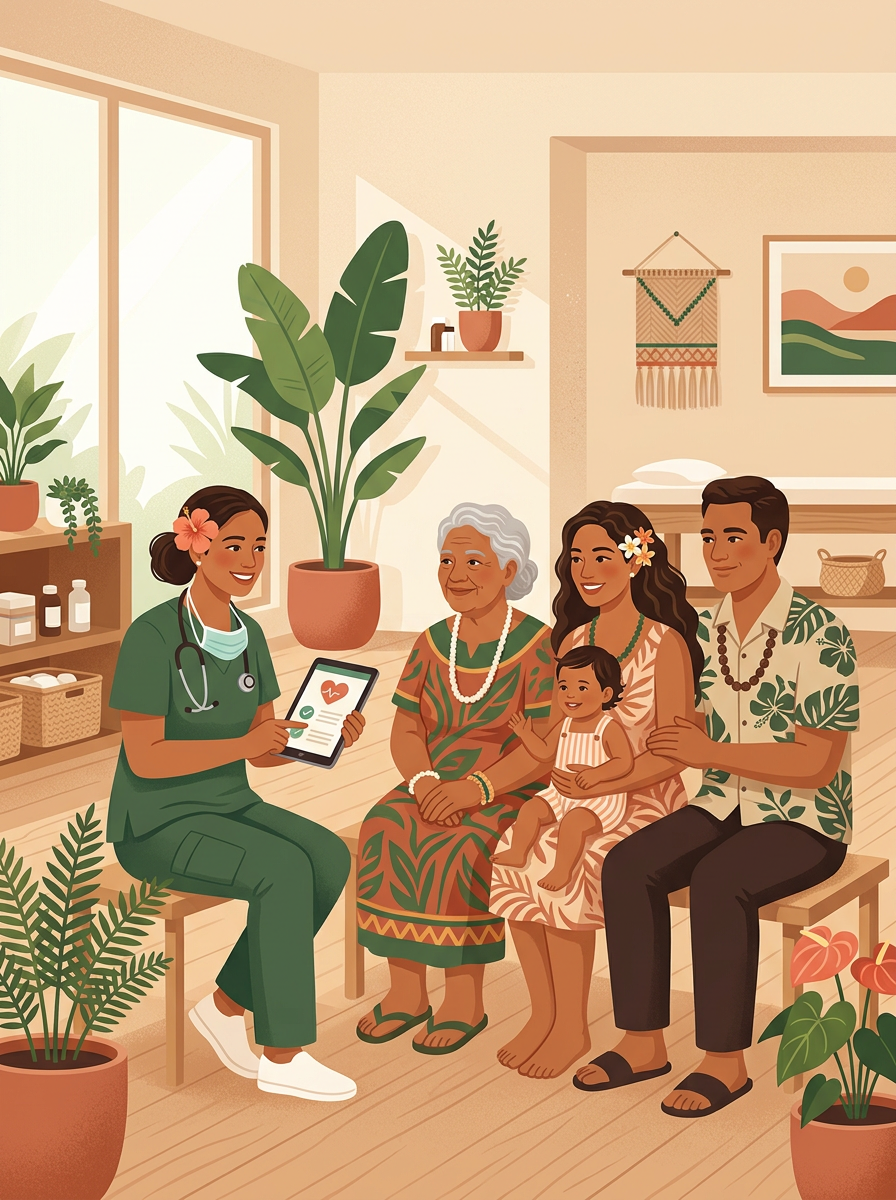
Healthcare environments designed to be culturally welcoming for Pacific peoples — incorporating Pacific artwork, bilingual signage, open family waiting areas, private consultation rooms that respect modesty, and removing clinical coldness.

How Adaptations Enable Holistic Care

  • Client Safety: familiarity reduces anxiety

  • Independence: patient empowerment

  • Quality of Life: dignity and respect

  • Health: improved attendance and adherence

Health Model

Fonofale Model

(Fuimaono Pulotu-Endemann, 1995)

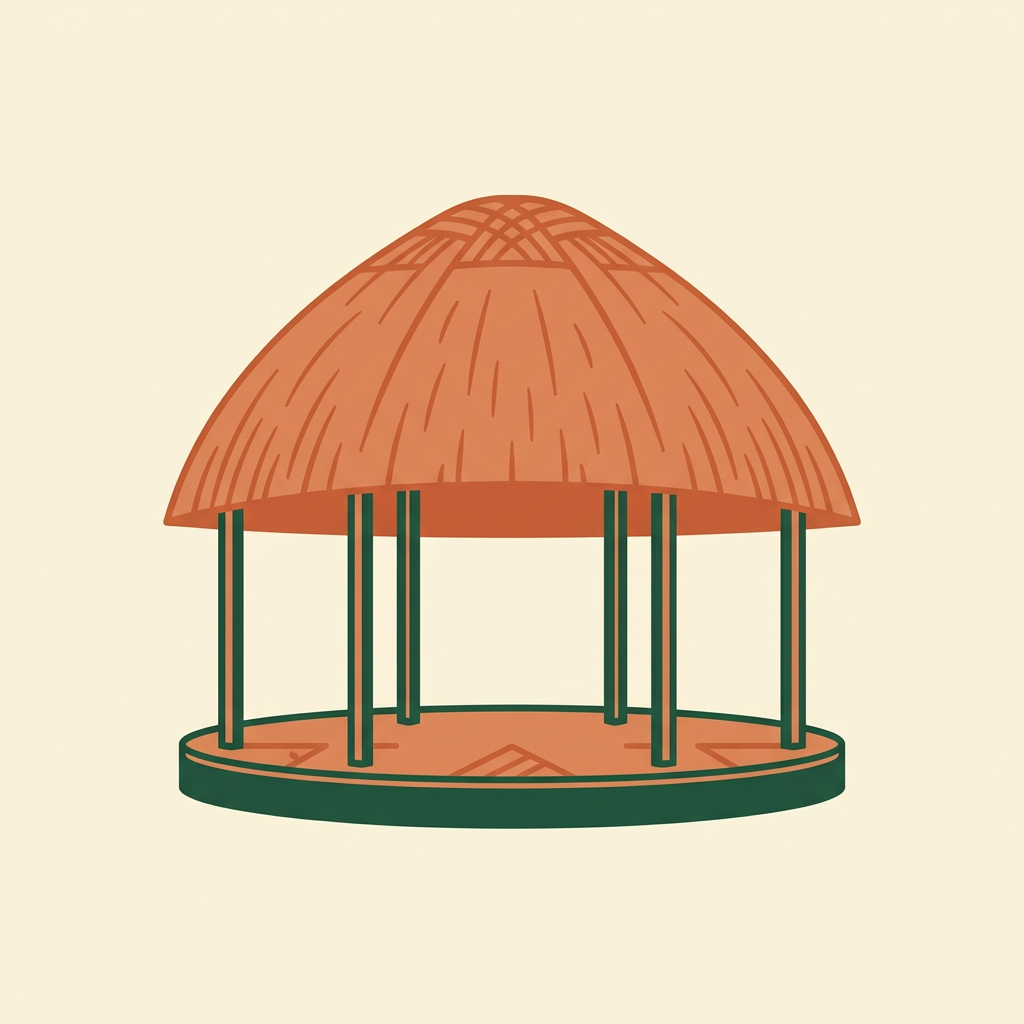
Represented as a Pacific fale (house): the roof = family, the floor = culture, the posts = physical, mental, spiritual and other health dimensions, the foundation = the Pacific person at the centre.

Holistic framework — family and culture are the foundation of wellbeing, not secondary factors.

How the Model Informs Care

  • Independence: community support

  • Safety: culturally grounded care

  • Quality of Life: spiritual and social wellbeing

Made byBobr AI
03

Criterion Three

Te Tiriti o Waitangi, Pacific Health & Issues of Diversity and Social Justice in Aotearoa

Critically analysing two key issues at the intersection of Te Tiriti principles and Pacific health equity.

Made byBobr AI

Criterion Three | Issue 1

Health Inequities & Institutional Racism

Diversity & Social Justice Lens

Pacific peoples and Māori face significantly higher rates of preventable disease, hospitalisation and mortality compared to NZ European populations
Te Tiriti o Waitangi Article 3 guarantees equity — yet systemic racism within health institutions undermines this
Institutional racism: policies and practices that disadvantage Māori and Pacific peoples structurally, not by intent alone
The Pae Ora (Healthy Futures) Act 2022 responds by mandating equity-focused healthcare
Social justice requires acknowledging power imbalances and actively dismantling inequitable structures

"Equity is not treating everyone the same — it is giving people what they need to achieve the same outcomes."

Made byBobr AI

Criterion Three | Issue 2

Workforce Underrepresentation & Cultural Disconnect

Te Tiriti o Waitangi, Diversity & Social Justice

The Issue

Pacific peoples make up ~8% of NZ population but represent less than 3% of the nursing and medical workforce

Lack of culturally concordant care — patients less likely to engage when providers don't share cultural background

Te Tiriti Article 2 (tino rangatiratanga) supports Pacific and Māori rights to be served by their own people

Language barriers, implicit bias, and systemic exclusion in training pathways perpetuate the gap

This constitutes a social justice issue — unequal distribution of opportunity and care quality

Critical Analysis & Solutions

Address pipeline: scholarships and support for Pacific nursing students

Cultural competency training mandatory in health education

Pacific health workforce strategies under Ola Manuia (Pacific Health Action Plan)

Community-led hiring and Pacific health provider organisations

Nurses must advocate for workforce diversity as part of professional responsibility

Made byBobr AI
04

Criterion Four

Effective Leadership for Cultural Safety & Pacific Peoples' Self-Determination

Describing leadership that supports cultural safety and builds Pacific peoples' capability, capacity and self-determination.

Made byBobr AI
Criterion Four

Effective Leadership in Culturally Safe Healthcare

Transformational Leadership

Leaders who champion equity and model culturally safe behaviour
Actively challenge institutional racism and advocate for Pacific patients
Create psychologically safe environments for Pacific staff and patients
Mentor and sponsor Pacific healthcare workers into leadership roles

Pacific Self-Determination

(Tino Rangatiratanga)

Supporting Pacific communities to lead their own health decisions
Involving Pacific voices in policy, research and service design
Recognising indigenous and Pacific knowledge systems as valid
Community health governance — Pacific by Pacific

Building Capability & Capacity

Investment in Pacific health workforce development
Pacific-led organisations (e.g. Nuanua o le Alofa, Tu Pasifika) as models
Leadership development programmes for emerging Pacific nurses
Creating culturally safe workplaces where Pacific staff can thrive
Made byBobr AI

Nursing & Healthcare Studies | Aotearoa New Zealand

Summary & Key Takeaways

01

Culturally safe care for Pacific peoples requires whānau-centred approaches and responsive communication.

02

The Fonofale Model and culturally adapted environments holistically support Pacific health and wellbeing.

03

Te Tiriti o Waitangi demands equity — health inequities and workforce gaps are critical social justice issues.

04

Effective leadership builds Pacific self-determination, capability and a culturally safe healthcare system.

Culturally safe nursing practice is not optional — it is a professional, ethical and Treaty obligation.

Made byBobr AI
Bobr AI

DESIGNER-MADE
PRESENTATION,
GENERATED FROM
YOUR PROMPT

Create your own professional slide deck with real images, data charts, and unique design in under a minute.

Generate For Free

Cultural Safety & Pacific Health in Aotearoa New Zealand

Explore culturally safe care, the Fonofale health model, Te Tiriti o Waitangi principles, and Pacific leadership in the New Zealand healthcare system.

Cultural Safety & Pacific Health in Aotearoa New Zealand

Exploring Culturally Safe Care, Health Models, Te Tiriti o Waitangi & Pacific Leadership

Nursing & Healthcare Studies | Aotearoa New Zealand

Presentation Overview

Criterion One

Culturally Safe Care

Criterion Two

Environment & Health Models

Criterion Three

Te Tiriti o Waitangi & Pacific Health

Criterion Four

Pacific Leadership & Self-Determination

01

Criterion One

Culturally Safe Care – Pacific Peoples & Other Communities

Culturally safe care involves practices that acknowledge and respect the cultural identities of patients, and avoids harm through cultural misunderstanding or imposition.

Criterion One | Example 1

Whānau-Centred Care

Pacific Peoples Focus

Involves the patient's family/whānau as active participants in care decisions

Acknowledges collective identity central to Pacific cultures (Samoan, Tongan, Fijian, etc.)

Nurses adapt communication to include family, use interpreters when needed

Reduces cultural alienation and builds trust in healthcare settings

"Cultural safety begins when the nurse reflects on their own culture and its impact on care."

Criterion One | Example 2

Culturally Responsive Communication

Broader Communities — Māori, Asian, Refugee Populations

What It Looks Like

Using trained interpreters (not family members) for informed consent

Employing Māori health navigators and cultural liaison officers

Adapting health literacy materials to community languages

Acknowledging spiritual and traditional healing practices

Why It Matters

Reduces health disparities for minority groups

Builds trust and improves health-seeking behaviour

Ensures equitable access to quality care

Aligns with the Health and Disability Commissioner Code of Rights

Criterion Two

Environment & Health Models that Enable Client Safety, Independence & Quality of Life

Environment

Health Model

Criterion Two

Environment & The Fonofale Model

Environment Example

Pacific-Culturally Adapted Healthcare Spaces

Healthcare environments designed to be culturally welcoming for Pacific peoples — incorporating Pacific artwork, bilingual signage, open family waiting areas, private consultation rooms that respect modesty, and removing clinical coldness.

How Adaptations Enable Holistic Care

familiarity reduces anxiety

patient empowerment

dignity and respect

improved attendance and adherence

Health Model

Fonofale Model

(Fuimaono Pulotu-Endemann, 1995)

Represented as a Pacific fale (house): the roof = family, the floor = culture, the posts = physical, mental, spiritual and other health dimensions, the foundation = the Pacific person at the centre.

Holistic framework — family and culture are the foundation of wellbeing, not secondary factors.

How the Model Informs Care

community support

culturally grounded care

spiritual and social wellbeing

Criterion Three

Te Tiriti o Waitangi, Pacific Health & Issues of Diversity and Social Justice in Aotearoa

Critically analysing two key issues at the intersection of Te Tiriti principles and Pacific health equity.

Criterion Three | Issue 1

Health Inequities & Institutional Racism

Diversity & Social Justice Lens

Pacific peoples and Māori face significantly higher rates of preventable disease, hospitalisation and mortality compared to NZ European populations

Te Tiriti o Waitangi Article 3 guarantees equity — yet systemic racism within health institutions undermines this

Institutional racism: policies and practices that disadvantage Māori and Pacific peoples structurally, not by intent alone

The Pae Ora (Healthy Futures) Act 2022 responds by mandating equity-focused healthcare

Social justice requires acknowledging power imbalances and actively dismantling inequitable structures

"Equity is not treating everyone the same — it is giving people what they need to achieve the same outcomes."

Criterion Three | Issue 2

Workforce Underrepresentation & Cultural Disconnect

Te Tiriti o Waitangi, Diversity & Social Justice

The Issue

Pacific peoples make up ~8% of NZ population but represent less than 3% of the nursing and medical workforce

Lack of culturally concordant care — patients less likely to engage when providers don't share cultural background

Te Tiriti Article 2 (tino rangatiratanga) supports Pacific and Māori rights to be served by their own people

Language barriers, implicit bias, and systemic exclusion in training pathways perpetuate the gap

This constitutes a social justice issue — unequal distribution of opportunity and care quality

Critical Analysis & Solutions

Address pipeline: scholarships and support for Pacific nursing students

Cultural competency training mandatory in health education

Pacific health workforce strategies under Ola Manuia (Pacific Health Action Plan)

Community-led hiring and Pacific health provider organisations

Nurses must advocate for workforce diversity as part of professional responsibility

04

Criterion Four

Effective Leadership for Cultural Safety & Pacific Peoples' Self-Determination

Describing leadership that supports cultural safety and builds Pacific peoples' capability, capacity and self-determination.

Criterion Four

Effective Leadership in Culturally Safe Healthcare

Transformational Leadership

Leaders who champion equity and model culturally safe behaviour

Actively challenge institutional racism and advocate for Pacific patients

Create psychologically safe environments for Pacific staff and patients

Mentor and sponsor Pacific healthcare workers into leadership roles

Pacific Self-Determination

(Tino Rangatiratanga)

Supporting Pacific communities to lead their own health decisions

Involving Pacific voices in policy, research and service design

Recognising indigenous and Pacific knowledge systems as valid

Community health governance — Pacific by Pacific

Building Capability & Capacity

Investment in Pacific health workforce development

Pacific-led organisations (e.g. Nuanua o le Alofa, Tu Pasifika) as models

Leadership development programmes for emerging Pacific nurses

Creating culturally safe workplaces where Pacific staff can thrive

Summary & Key Takeaways

Culturally safe care for Pacific peoples requires whānau-centred approaches and responsive communication.

The Fonofale Model and culturally adapted environments holistically support Pacific health and wellbeing.

Te Tiriti o Waitangi demands equity — health inequities and workforce gaps are critical social justice issues.

Effective leadership builds Pacific self-determination, capability and a culturally safe healthcare system.

Culturally safe nursing practice is not optional — it is a professional, ethical and Treaty obligation.

Nursing & Healthcare Studies | Aotearoa New Zealand

  • cultural-safety
  • pacific-health
  • aotearoa-new-zealand
  • fonofale-model
  • te-tiriti-o-waitangi
  • healthcare-nursing
  • health-equity