

Made byBobr AI

Lithium Mining Policy in Australia: Opportunities & Challenges

An academic study on Australia's critical mineral policy, exploring lithium reserves, economic growth, environmental impacts, and Indigenous rights.

#lithium-mining#critical-minerals#australia-energy#sustainability-policy#energy-transition#mining-regulation#economic-development
Watch
Pitch
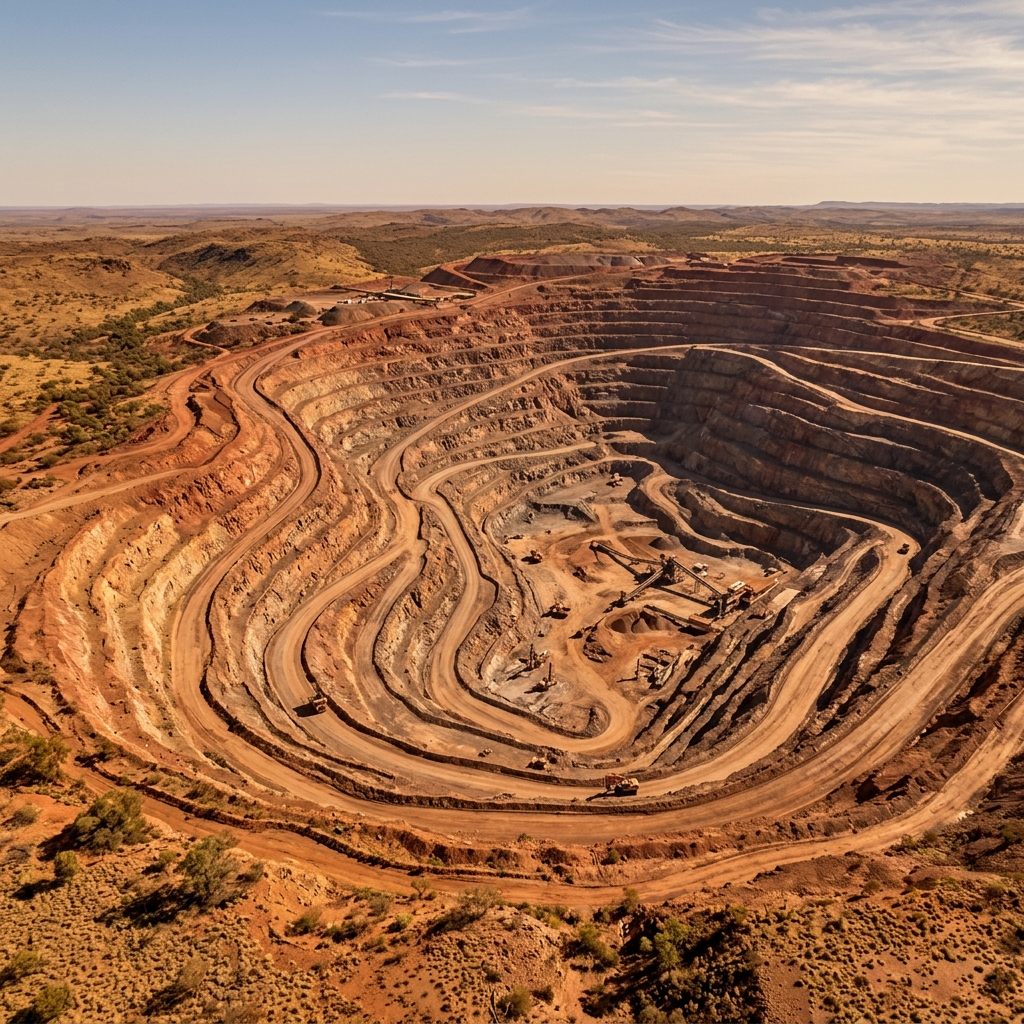
Lithium Mine

Lithium Mining and Critical Mineral Policy in Australia

Opportunities, Challenges and Future Directions

Academic Research Presentation | 2026
Made byBobr AI

Presentation
Overview

Academic Research Presentation | 2026
01
Introduction
02
Research Question
03
Theoretical Framework
04
Conceptual Framework
05
Literature Review
06
Methodology
07
Findings & Discussion
08
Conclusion & Future Directions
Made byBobr AI
01

Introduction

Australia holds the world's largest lithium reserves (~57% of global supply) and is the leading lithium producer, critical to the global energy transition.
Critical minerals — including lithium, cobalt, nickel, and rare earth elements — are essential for electric vehicles, batteries, and renewable energy technologies.
Australian federal and state governments have developed Critical Minerals Strategies to leverage this endowment, yet significant policy gaps, environmental challenges, and geopolitical pressures remain.
"Australia stands at a pivotal moment: how it governs its critical mineral wealth will shape both its economic future and the global energy transition."
Made byBobr AI
02

Research Question

How do Australia's current lithium mining and critical mineral policies create opportunities and pose challenges, and what future directions are needed to maximize sustainable economic and environmental outcomes?

01

What policy frameworks govern Australia's critical mineral sector?

02

What economic opportunities and environmental challenges arise from lithium extraction?

03

How can policy reform drive sustainable and equitable outcomes?

Qualitative, policy-focused research approach

Made byBobr AI
03

Theoretical Framework

Resource Curse Theory

Explains how resource-rich nations may suffer from economic mismanagement, Dutch disease, and institutional weakness despite mineral wealth.

Political Ecology

Examines the power dynamics, environmental justice concerns, and socio-political conflicts embedded in extractive industries.

Governance & Regulatory Theory

Focuses on multi-level governance, regulatory capacity, and the role of the state in managing critical mineral extraction.

Analytical Lens:Policy, Power, and Sustainability in Critical Mineral Governance

Academic Research Presentation | Critical Mineral Policy
Made byBobr AI
04

Conceptual Framework

Policy & Regulatory Environment
Federal/state strategies, legislation, permits
Future Directions
Reform pathways, circular economy, international cooperation
Economic Opportunities
Export revenue, downstream processing, jobs
Environmental & Social Challenges
Land use, water, Indigenous rights, emissions
Critical Mineral Policy Outcomes
Balancing Ambition with Constraints
Economic opportunities presented by critical minerals are structurally bound by real environmental constraints and social responsibilities. Robust downstream processing must thoughtfully manage these trade-offs.
Integrating Policy and Outcomes
Current regulatory frameworks actively shape outcomes and must continuously evolve into targeted future directions. Cooperative international mechanisms and rapid circular economy pathways are essential to long-term viability.
Made byBobr AI
05
Literature Review
Key Themes & Scholarly Debates
Theme 1: Global Critical Mineral Demand & the Energy Transition
Literature highlights explosive growth in lithium demand (IEA 2023; Giurco et al. 2019), driven by EV adoption and battery storage. Australia's role as leading exporter (Mudd, 2018).
Theme 2: Australian Mining Policy & Governance
Scholarly debate on fragmented federal-state governance (Everingham et al. 2022), inadequacy of existing environmental frameworks (Curran, 2020), and the Critical Minerals Strategy 2023–2030.
Theme 3: Socio-Environmental Impacts & Indigenous Rights
Literature on land access, free prior informed consent (FPIC), water impacts, and community benefit-sharing (O'Faircheallaigh, 2016; Langton, 2021).
Theme 4: Policy Gaps & Future Research
Identifies lack of downstream processing policy, limited circular economy integration, and calls for governance reform (CSIRO, 2022).
Made byBobr AI
06

Qualitative Research Methodology

01 Research Design

Qualitative, interpretivist paradigm; exploratory and descriptive case study design.

02 Data Collection Methods

Semi-structured interviews with industry, government and civil society stakeholders; document analysis (policy texts, government reports, mining licenses); secondary data from peer-reviewed literature.

03 Sampling Strategy

Purposive sampling targeting policy makers, mining company representatives, environmental NGOs, and Indigenous community leaders.

04 Data Analysis

Thematic analysis using NVivo; policy discourse analysis; triangulation of data sources.

Why Qualitative?

Qualitative methods allow deep exploration of policy processes, stakeholder perspectives, power dynamics, and normative debates that quantitative approaches cannot capture.

Ethical Considerations

Informed consent, participant confidentiality, and Indigenous data sovereignty.

Made byBobr AI

Key Opportunities

Australia's Strategic Position in the Critical Minerals Landscape

07a
01

World-Class Reserves

Australia holds the largest lithium reserves globally (~2.7 million tonnes), providing long-term supply security.

02

Export Revenue Growth

Critical minerals exports exceeded AUD $13.5 billion in 2023 and are projected to triple by 2035.

03

Downstream Processing

Opportunity to move up the value chain from raw ore to battery-grade lithium chemicals, increasing value-add.

04

Green Energy Transition

Position as a preferred supplier to allies under AUKUS and Quad frameworks; geopolitically trusted source.

05

Job Creation & Regional Development

Mining and processing expansion supports sustainable employment in WA, NT, and Queensland regions.

06

Research & Innovation Hub

Potential to become a global centre for battery technology, recycling, and mineral processing R&D.

Made byBobr AI
07b

Key Challenges

Policy Gaps, Environmental Pressures & Social Tensions

01

Fragmented Governance

Overlapping federal, state, and territory jurisdictions create regulatory complexity, delays in approvals, and inconsistent environmental standards across mining projects.

02

Environmental & Water Impacts

Open-cut lithium mining generates significant land disturbance, tailings management challenges, and competition for scarce water resources in arid regions, threatening biodiversity and groundwater.

03

Indigenous Rights & Social Licence

Many lithium deposits sit on or near Aboriginal and Torres Strait Islander Country; Free Prior Informed Consent (FPIC) obligations, benefit-sharing agreements, and cultural heritage protection remain contested.

Geopolitical Risk   Dependence on Chinese processing capacity
Workforce Shortages   Skills gaps in critical mineral sector
Made byBobr AI
Outback Landscape
08

Future Directions

Policy Reform Pathways for a Sustainable Critical Minerals Sector

1.
Unified National Governance Framework
Establish a single coordinating body to harmonise federal-state regulation, streamline approvals and set national standards.
2.
Mandatory Downstream Processing Incentives
Introduce tax credits and co-investment for in-country lithium refining and battery precursor manufacturing.
3.
Strengthened Indigenous Partnerships
Legislate enforceable FPIC requirements, mandatory benefit-sharing agreements, and First Nations co-management of extraction sites.
4.
Environmental Accountability Mechanisms
Require rehabilitation bonds, water use audits, and biodiversity offsets for all new lithium projects.
5.
Circular Economy Integration
Fund lithium battery recycling infrastructure and set targets for recovered material use.
Evidence-based reform is essential for long-term sustainability.
Made byBobr AI
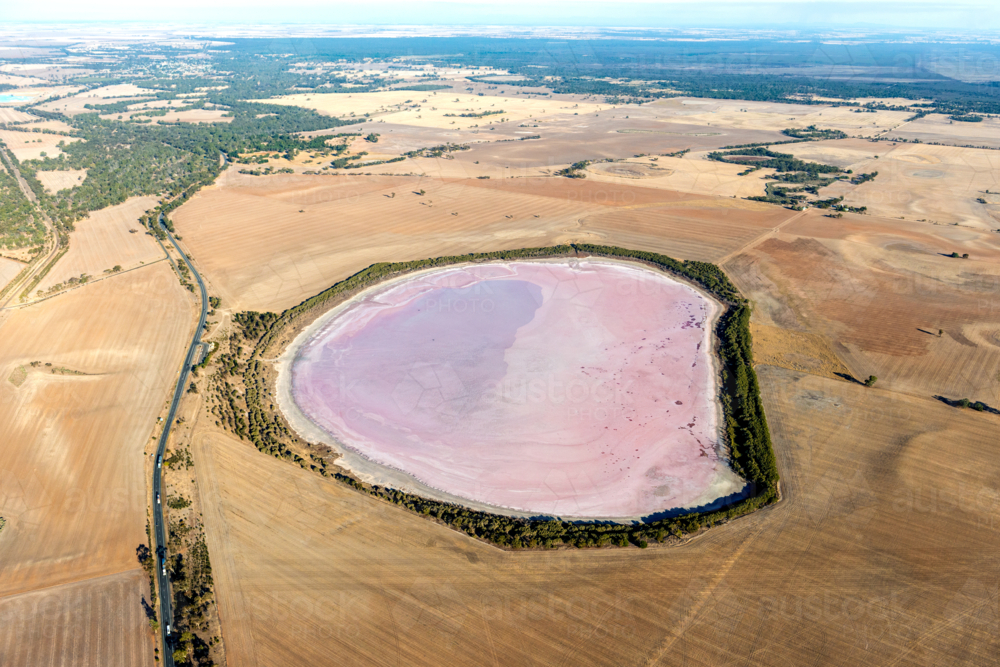
Pink Salt Lake Aerial
09

Conclusion

Australia's lithium endowment presents a generational opportunity for economic transformation and global energy transition leadership.
However, realising this potential requires addressing entrenched policy fragmentation, environmental risks, and social equity concerns.
This research contributes qualitative depth to understanding the governance gap between resource wealth and sustainable outcomes.
Future research should track policy implementation, downstream processing uptake, and Indigenous community outcomes post-2030.
"The decisions made today about critical mineral governance will define Australia's role in the clean energy economy for decades to come."
Academic Research Presentation | 2026
Made byBobr AI
10

References

Selected Bibliography

Australian Government (2023). Critical Minerals Strategy 2023–2030. Department of Industry, Science and Resources.

Bainton, N., & Holcombe, S. (2018). The social aspects of resource development. Extractive Industries and Society, 5(3), 415-422.

Calvo, G., Mudd, G., Valero, A., & Valero, A. (2016). Decreasing ore grades in global metallic mining: A theoretical issue or a global reality? Resources, 5(4), 36.

CSIRO (2022). Critical Energy Minerals Roadmap. Commonwealth Scientific and Industrial Research Organisation.

Curran, G. (2020). Social license, trust and the resource sector: A conceptual evaluation. Journal of Environmental Management, 269, 110756.

Department of Industry, Science and Resources (2023). Resources and Energy Quarterly: September 2023. Australian Government.

Everingham, J., et al. (2022). Understanding local community expectations of the mining industry. Resources Policy, 77, 102685.

Franks, D. M., et al. (2014). Conflict translates environmental and social risk into business costs. PNAS, 111(21), 7576-7581.

Giurco, D., et al. (2019). Responsible sourcing of critical minerals. Journal of Cleaner Production, 235, 1289-1301.

Humphreys, D. (2015). The remaking of the mining industry. Springer.

IEA (2023). The Role of Critical Minerals in Clean Energy Transitions. International Energy Agency, Paris.

Langton, M. (2021). Agreements with indigenous peoples: The experience of the Australian mining industry. Earthscan.

Mudd, G. M. (2018). Sustainable mining: An elusive or achievable goal? Society of Economic Geologists.

O'Faircheallaigh, C. (2016). Negotiations in the Indigenous World: Aboriginal Peoples and the Extractive Industry. Routledge.

Prior, T., et al. (2012). Resource depletion, peak minerals and the implications for sustainable resource management. Global Environmental Change.

World Bank (2020). Minerals for Climate Action: The Mineral Intensity of the Clean Energy Transition. Washington, DC.

Full reference list available in the research paper.
Made byBobr AI
Bobr AI

DESIGNER-MADE
PRESENTATION,
GENERATED FROM
YOUR PROMPT

Create your own professional slide deck with real images, data charts, and unique design in under a minute.

Generate For Free

Lithium Mining Policy in Australia: Opportunities & Challenges

An academic study on Australia's critical mineral policy, exploring lithium reserves, economic growth, environmental impacts, and Indigenous rights.

Lithium Mining and Critical Mineral Policy in Australia

Opportunities, Challenges and Future Directions

Academic Research Presentation | 2026

Presentation<br>Overview

Academic Research Presentation | 2026

01

Introduction

02

Research Question

03

Theoretical Framework

04

Conceptual Framework

05

Literature Review

06

Methodology

07

Findings & Discussion

08

Conclusion & Future Directions

01

Introduction

Australia holds the world's largest lithium reserves (~57% of global supply) and is the leading lithium producer, critical to the global energy transition.

Critical minerals — including lithium, cobalt, nickel, and rare earth elements — are essential for electric vehicles, batteries, and renewable energy technologies.

Australian federal and state governments have developed Critical Minerals Strategies to leverage this endowment, yet significant policy gaps, environmental challenges, and geopolitical pressures remain.

Australia stands at a pivotal moment: how it governs its critical mineral wealth will shape both its economic future and the global energy transition.

02

Research Question

How do Australia's current lithium mining and critical mineral policies create opportunities and pose challenges, and what future directions are needed to maximize sustainable economic and environmental outcomes?

What policy frameworks govern Australia's critical mineral sector?

What economic opportunities and environmental challenges arise from lithium extraction?

How can policy reform drive sustainable and equitable outcomes?

Qualitative, policy-focused research approach

03

Theoretical Framework

Resource Curse Theory

Explains how resource-rich nations may suffer from economic mismanagement, Dutch disease, and institutional weakness despite mineral wealth.

Political Ecology

Examines the power dynamics, environmental justice concerns, and socio-political conflicts embedded in extractive industries.

Governance & Regulatory Theory

Focuses on multi-level governance, regulatory capacity, and the role of the state in managing critical mineral extraction.

Analytical Lens:

Policy, Power, and Sustainability in Critical Mineral Governance

Academic Research Presentation | Critical Mineral Policy

04

Conceptual Framework

Critical Mineral Policy Outcomes

Policy & Regulatory Environment

Federal/state strategies, legislation, permits

Economic Opportunities

Export revenue, downstream processing, jobs

Environmental & Social Challenges

Land use, water, Indigenous rights, emissions

Future Directions

Reform pathways, circular economy, international cooperation

Balancing Ambition with Constraints

Economic opportunities presented by critical minerals are structurally bound by real environmental constraints and social responsibilities. Robust downstream processing must thoughtfully manage these trade-offs.

Integrating Policy and Outcomes

Current regulatory frameworks actively shape outcomes and must continuously evolve into targeted future directions. Cooperative international mechanisms and rapid circular economy pathways are essential to long-term viability.

05

Literature Review

Key Themes & Scholarly Debates

Theme 1: Global Critical Mineral Demand & the Energy Transition

Literature highlights explosive growth in lithium demand (IEA 2023; Giurco et al. 2019), driven by EV adoption and battery storage. Australia's role as leading exporter (Mudd, 2018).

Theme 2: Australian Mining Policy & Governance

Scholarly debate on fragmented federal-state governance (Everingham et al. 2022), inadequacy of existing environmental frameworks (Curran, 2020), and the Critical Minerals Strategy 2023–2030.

Theme 3: Socio-Environmental Impacts & Indigenous Rights

Literature on land access, free prior informed consent (FPIC), water impacts, and community benefit-sharing (O'Faircheallaigh, 2016; Langton, 2021).

Theme 4: Policy Gaps & Future Research

Identifies lack of downstream processing policy, limited circular economy integration, and calls for governance reform (CSIRO, 2022).

06

Qualitative Research Methodology

Research Design

Qualitative, interpretivist paradigm; exploratory and descriptive case study design.

Data Collection Methods

Semi-structured interviews with industry, government and civil society stakeholders; document analysis (policy texts, government reports, mining licenses); secondary data from peer-reviewed literature.

Sampling Strategy

Purposive sampling targeting policy makers, mining company representatives, environmental NGOs, and Indigenous community leaders.

Data Analysis

Thematic analysis using NVivo; policy discourse analysis; triangulation of data sources.

Why Qualitative?

Qualitative methods allow deep exploration of policy processes, stakeholder perspectives, power dynamics, and normative debates that quantitative approaches cannot capture.

Ethical Considerations

Informed consent, participant confidentiality, and Indigenous data sovereignty.

Key Opportunities

Australia's Strategic Position in the Critical Minerals Landscape

07a

01

World-Class Reserves

Australia holds the largest lithium reserves globally (~2.7 million tonnes), providing long-term supply security.

02

Export Revenue Growth

Critical minerals exports exceeded AUD $13.5 billion in 2023 and are projected to triple by 2035.

03

Downstream Processing

Opportunity to move up the value chain from raw ore to battery-grade lithium chemicals, increasing value-add.

04

Green Energy Transition

Position as a preferred supplier to allies under AUKUS and Quad frameworks; geopolitically trusted source.

05

Job Creation & Regional Development

Mining and processing expansion supports sustainable employment in WA, NT, and Queensland regions.

06

Research & Innovation Hub

Potential to become a global centre for battery technology, recycling, and mineral processing R&D.

07b

Key Challenges

Policy Gaps, Environmental Pressures & Social Tensions

01

Fragmented Governance

Overlapping federal, state, and territory jurisdictions create regulatory complexity, delays in approvals, and inconsistent environmental standards across mining projects.

02

Environmental & Water Impacts

Open-cut lithium mining generates significant land disturbance, tailings management challenges, and competition for scarce water resources in arid regions, threatening biodiversity and groundwater.

03

Indigenous Rights & Social Licence

Many lithium deposits sit on or near Aboriginal and Torres Strait Islander Country; Free Prior Informed Consent (FPIC) obligations, benefit-sharing agreements, and cultural heritage protection remain contested.

Geopolitical Risk

Dependence on Chinese processing capacity

Workforce Shortages

Skills gaps in critical mineral sector

08

Future Directions

Policy Reform Pathways for a Sustainable Critical Minerals Sector

Unified National Governance Framework

Establish a single coordinating body to harmonise federal-state regulation, streamline approvals and set national standards.

Mandatory Downstream Processing Incentives

Introduce tax credits and co-investment for in-country lithium refining and battery precursor manufacturing.

Strengthened Indigenous Partnerships

Legislate enforceable FPIC requirements, mandatory benefit-sharing agreements, and First Nations co-management of extraction sites.

Environmental Accountability Mechanisms

Require rehabilitation bonds, water use audits, and biodiversity offsets for all new lithium projects.

Circular Economy Integration

Fund lithium battery recycling infrastructure and set targets for recovered material use.

Evidence-based reform is essential for long-term sustainability.

09

Conclusion

Australia's lithium endowment presents a generational opportunity for economic transformation and global energy transition leadership.

However, realising this potential requires addressing entrenched policy fragmentation, environmental risks, and social equity concerns.

This research contributes qualitative depth to understanding the governance gap between resource wealth and sustainable outcomes.

Future research should track policy implementation, downstream processing uptake, and Indigenous community outcomes post-2030.

The decisions made today about critical mineral governance will define Australia's role in the clean energy economy for decades to come.

Academic Research Presentation | 2026

10

References

Selected Bibliography

Australian Government (2023). <i>Critical Minerals Strategy 2023–2030</i>. Department of Industry, Science and Resources.

Bainton, N., & Holcombe, S. (2018). <i>The social aspects of resource development</i>. Extractive Industries and Society, 5(3), 415-422.

Calvo, G., Mudd, G., Valero, A., & Valero, A. (2016). <i>Decreasing ore grades in global metallic mining: A theoretical issue or a global reality?</i> Resources, 5(4), 36.

CSIRO (2022). <i>Critical Energy Minerals Roadmap</i>. Commonwealth Scientific and Industrial Research Organisation.

Curran, G. (2020). <i>Social license, trust and the resource sector: A conceptual evaluation</i>. Journal of Environmental Management, 269, 110756.

Department of Industry, Science and Resources (2023). <i>Resources and Energy Quarterly: September 2023</i>. Australian Government.

Everingham, J., et al. (2022). <i>Understanding local community expectations of the mining industry</i>. Resources Policy, 77, 102685.

Franks, D. M., et al. (2014). <i>Conflict translates environmental and social risk into business costs</i>. PNAS, 111(21), 7576-7581.

Giurco, D., et al. (2019). <i>Responsible sourcing of critical minerals</i>. Journal of Cleaner Production, 235, 1289-1301.

Humphreys, D. (2015). <i>The remaking of the mining industry</i>. Springer.

IEA (2023). <i>The Role of Critical Minerals in Clean Energy Transitions</i>. International Energy Agency, Paris.

Langton, M. (2021). <i>Agreements with indigenous peoples: The experience of the Australian mining industry</i>. Earthscan.

Mudd, G. M. (2018). <i>Sustainable mining: An elusive or achievable goal?</i> Society of Economic Geologists.

O'Faircheallaigh, C. (2016). <i>Negotiations in the Indigenous World: Aboriginal Peoples and the Extractive Industry</i>. Routledge.

Prior, T., et al. (2012). <i>Resource depletion, peak minerals and the implications for sustainable resource management</i>. Global Environmental Change.

World Bank (2020). <i>Minerals for Climate Action: The Mineral Intensity of the Clean Energy Transition</i>. Washington, DC.

Full reference list available in the research paper.

  • lithium-mining
  • critical-minerals
  • australia-energy
  • sustainability-policy
  • energy-transition
  • mining-regulation
  • economic-development