


Made byBobr AI

Australia Lithium Mining & Critical Mineral Policy Research

Explore the opportunities and challenges of Australia's lithium mining sector, covering policy frameworks, geopolitics, and downstream value-adding strategies.

#lithium-mining#critical-minerals#australia#energy-transition#geopolitics#sustainability#policy-analysis
Watch
Pitch

Lithium Mining &
Critical Mineral Policy
in Australia

Opportunities, Challenges & Future Directions

Academic Research Presentation · May 2026
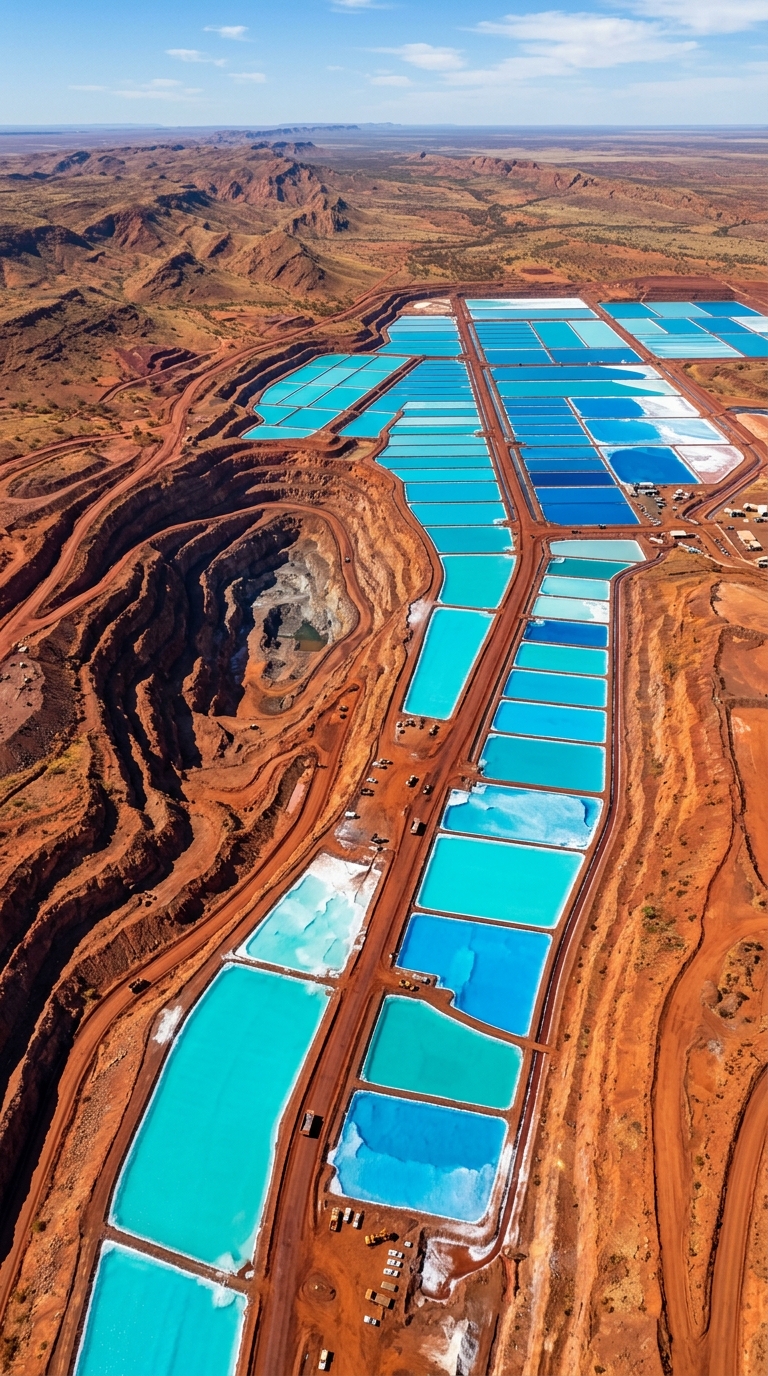
Lithium Mine
AUSTRALIA
Made byBobr AI

Table of Contents

01
Introduction
02
Research Questions
03
Conceptual Framework
04
Methodology
05
Literature Review
06
Opportunities
07
Challenges
08
Future Directions & Conclusion
Made byBobr AI
01 / Introduction

Introduction

Australia is the world's largest lithium ore producer — 46% of global supply (2024)
Lithium is central to the global energy transition: EVs, grid storage, and clean tech
Australia's vast mineral endowment positions it as a strategic geopolitical asset
Government, industry and researchers are grappling with how to maximise value while managing risks
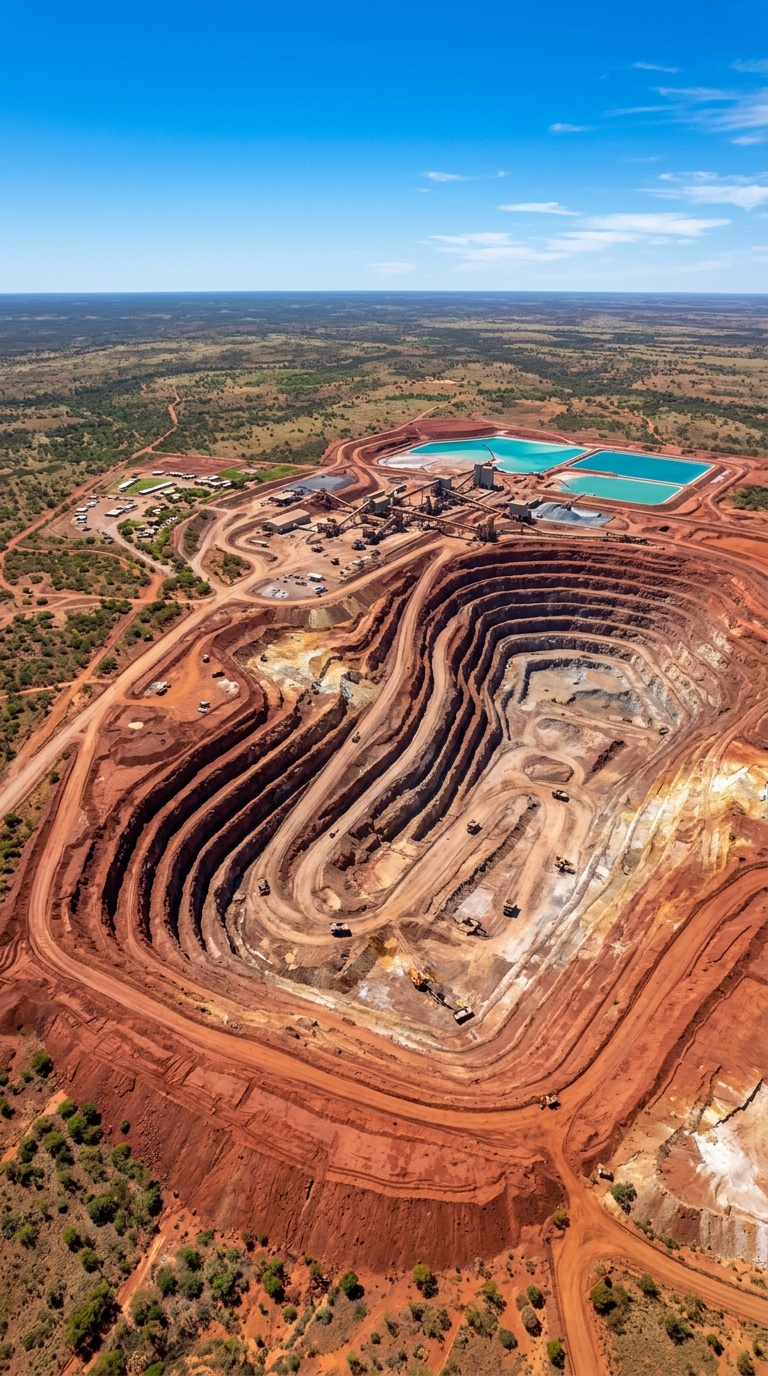
Lithium Mine Aerial View
"
Australia holds the world's largest lithium reserves — estimated at 7.9 million tonnes
Made byBobr AI
02 / Research Questions

Research Questions

RQ1
What policy frameworks currently govern lithium and critical mineral extraction in Australia, and how effective are they in capturing economic value?
RQ2
What are the key opportunities and structural challenges facing Australia's critical minerals sector in the context of the global energy transition?
RQ3
What future policy directions could strengthen Australia's position as a responsible and strategic critical minerals supplier?
This study employs a qualitative approach drawing on policy documents, academic literature and expert discourse.
Made byBobr AI
03 / Conceptual Framework

Conceptual Framework

Integrating Resource Governance, Political Economy & Sustainability Transitions

Resource Governance Theory

State capacity, regulatory frameworks, resource nationalism vs. liberalism

Political Economy

Global value chains, trade policy, geopolitical competition for critical minerals

Sustainability Transitions

Energy transition, circular economy, environmental and social governance (ESG)

Applied to: Australian Critical Minerals Policy Context (2020–2026)
Framework adapted from: Lèbre et al. (2020); Bridge (2008); Geels (2002)
Made byBobr AI
04 / Methodology

Qualitative
Research
Design

Research Paradigm
Interpretivist paradigm; acknowledging the social construction of policy and meaning
Data Sources
Policy documents (Australian Govt), academic literature (2015–2026), industry reports, expert commentary and media analysis
Analytical Method
Thematic analysis and critical discourse analysis (CDA) of texts; identifying patterns, tensions and power relations
Scope & Limitations
Focus on federal Australian policy; excludes primary fieldwork; findings are context-specific and interpretive
"Qualitative methods allow us to understand the 'why' behind policy choices, not just the 'what'."
Made byBobr AI
05 / Literature Review

Literature Review

Key Themes from the Scholarly Debate

Resource Curse & Governance

Literature debates whether resource-rich states benefit or suffer from 'Dutch disease'; Australia studied as a case of relatively strong institutional capacity (Collier, 2010; Lèbre et al., 2020)

Critical Minerals Geopolitics

Growing scholarship on China's dominance in processing, US-Australia strategic partnerships, and supply chain security (Hund et al., 2020; Herrington, 2021)

Energy Transition & Demand

EV adoption, battery storage and clean energy driving unprecedented lithium demand; projections of 40× demand increase by 2040 (IEA, 2023; Sovacool, 2021)

Social & Environmental Impacts

Literature highlights Indigenous land rights, water security, tailings management, and ESG pressures on mining companies (Owen & Kemp, 2013; Franks, 2015)

Gap identified: Limited research on Australia-specific downstream processing policy and value-chain upgrading strategies.

Made byBobr AI
Context

Australia's Critical Minerals Landscape

46%
of global lithium ore supply produced by Australia (2024)
7.9M t
Australia's total identified lithium reserves
A$12B
Critical minerals export value (2023–24)
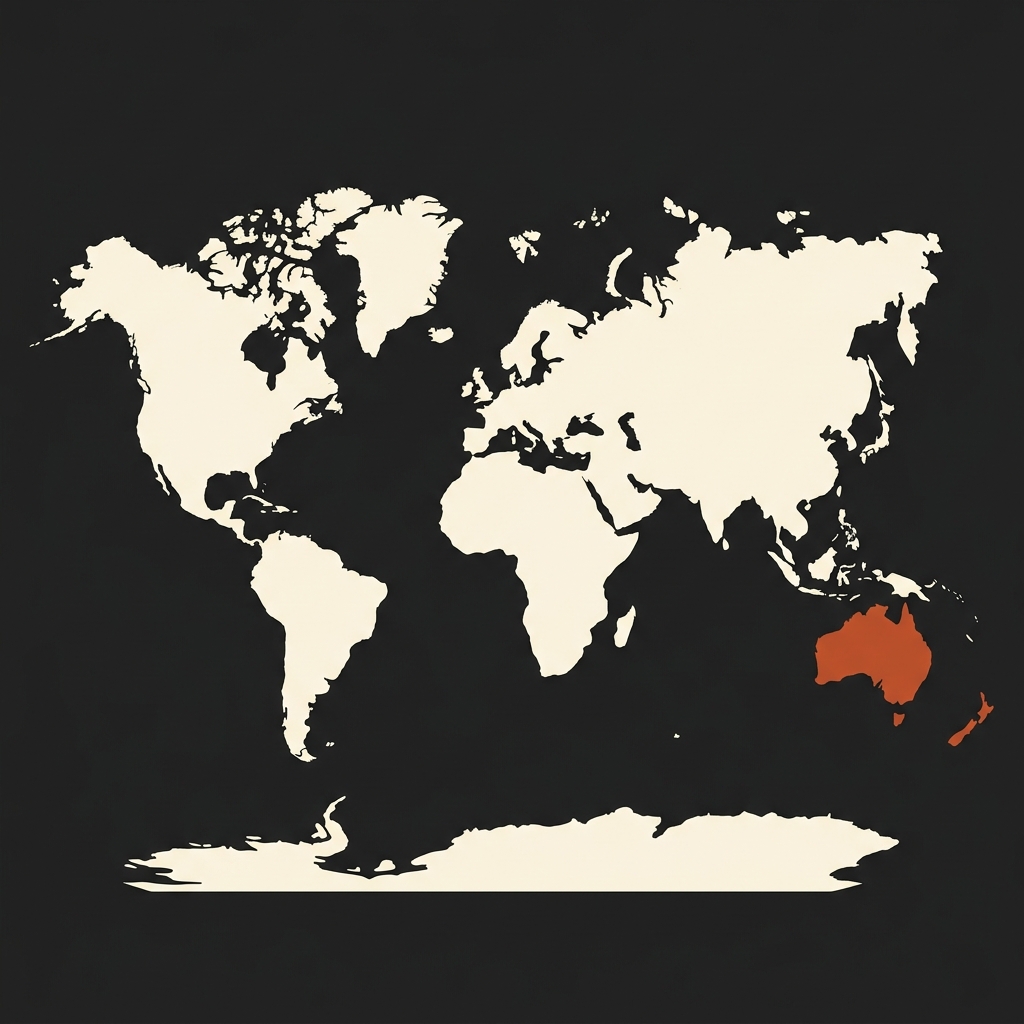
Map of Australia
Pilbara (WA)
Greenbushes (WA)
Olympic Dam (SA)
Queensland
Major lithium & critical mineral production zones
Australia holds 6 of the world's top 10 critical mineral deposits — lithium, cobalt, nickel, rare earths, vanadium, copper
Made byBobr AI
Policy Landscape

Australian Government Policy Frameworks

Federal Initiatives Shaping the Critical Minerals Sector (2019–2026)

Critical Minerals Strategy

First dedicated federal strategy identifying 26 critical minerals

2019

Resources Technology & Critical Minerals Processing Roadmap

Downstream processing ambitions

2021

Critical Minerals List Expansion

Updated to 31 minerals aligned with international partners

2022

National Battery Strategy

A$1.3B investment in battery manufacturing and lithium refining

2023

A$230M loan to Liontown Resources

Direct state investment in lithium production

2024

US-Australia Critical Minerals Partnership

A$8.5B bilateral framework, streamlined permitting

2025

Critical Minerals Strategic Reserve

Planned H2 2026 implementation

2026
Made byBobr AI
06 / OPPORTUNITIES

Key Opportunities for Australia

Downstream Value-Adding

Expanding lithium hydroxide and carbonate refining capacity could capture significantly more value per tonne. Australia currently exports mostly unprocessed spodumene concentrate.

Strategic Geopolitical Positioning

US-Australia and EU-Australia critical mineral partnerships (2024–25) open new markets, investment pipelines and diplomatic leverage in the global energy transition.

Green & Responsible Mining Premium

Growing demand from OEMs and battery makers for ESG-certified, low-carbon supply chains creates a 'green premium' opportunity for responsible Australian producers.

Domestic Battery Industry

National Battery Strategy (2023) targets full value-chain development — from mine to manufactured battery cell — creating jobs and reducing export of raw materials.

Made byBobr AI
07 / CHALLENGES

Key Challenges & Structural Barriers

C1

Price Volatility & Market Risk

Lithium prices fell ~80% from 2022 peaks by 2024, forcing project suspensions and deterring investment. Policy frameworks must account for commodity cycle risks.

C2

Processing Gap & Industrial Capacity

Australia refines less than 5% of its lithium domestically. Building hydrometallurgical processing capacity requires substantial capital, skills and infrastructure investment.

C3

Regulatory Complexity & Approvals Delays

Overlapping federal and state environmental, heritage and native title approvals create lengthy timelines that deter investment and project development.

C4

Indigenous Land Rights & Social Licence

Many lithium deposits lie on or near Aboriginal land. Free, prior and informed consent (FPIC) requirements and benefit-sharing arrangements remain contested and inconsistent.

C5

Workforce Shortage & Skills Gap

Critical shortage of qualified geologists, metallurgists and engineers. Limited domestic pipeline of critical minerals researchers and industry-ready graduates.

Made byBobr AI
THEMATIC ANALYSIS I

Geopolitics of Critical Minerals

Australia at the Intersection of Global Power Competition

World Map Infographic
USA
A$8.5B Framework
EUROPEAN UNION
Critical Minerals MOU
JAPAN & S. KOREA
Strategic Supply Pacts
CHINA
Dominant processor — 60% of global lithium refining

China's Processing Dominance

Despite Australia's production lead, China refines ~60% of the world's lithium — creating a strategic vulnerability in Western battery supply chains.

Friend-shoring & Allied Partnerships

US Inflation Reduction Act (IRA) and EU Critical Raw Materials Act are actively reshaping trade flows toward allied suppliers like Australia.

Australia's Strategic Dilemma

Balancing deep economic ties with China (largest export market) against growing strategic alignment with Western partners poses a key policy tension.

Made byBobr AI
Thematic Analysis II

Environmental & Social Dimensions

Australian Outback Aerial

Indigenous Land & Cultural Heritage

Many Australian lithium deposits intersect with Aboriginal and Torres Strait Islander traditional lands. FPIC, benefit-sharing, and cultural heritage protection are central policy debates (cf. Juukan Gorge, 2020).

Water Security

Lithium brine extraction and processing is highly water-intensive. Competition with agricultural and pastoral users in arid regions presents significant environmental and social risks.

Tailings & Waste Management

Spodumene processing generates substantial tailings and chemical waste. Emerging regulation and ESG investor pressure are raising rehabilitation cost estimates.

The 'Green Paradox'

Mining critical minerals for green technology itself carries environmental costs — a central tension in sustainability transitions literature (Sovacool et al., 2020).

Made byBobr AI
08 / Future Directions

Future Policy Directions

Strategic Recommendations for a Resilient Critical Minerals Sector

01

Accelerate Downstream Processing Investment

Build fiscal incentives (tax credits, co-investment) to develop domestic lithium hydroxide refining, reducing dependence on offshore processing.

02

Streamline Approvals Without Compromising Safeguards

Implement a single-window federal approvals process for critical minerals projects while strengthening, not weakening, environmental and heritage protections.

03

Establish a Sovereign Wealth / Strategic Reserve Fund

Use royalty revenue to create a Critical Minerals Future Fund — stabilising boom-bust cycles and funding long-term sector development.

04

Strengthen Indigenous Partnerships

Legislate meaningful benefit-sharing frameworks and co-ownership models that provide Indigenous communities with equity stakes and decision-making power.

05

Build Human Capital Pipeline

Funded university-industry research centres and vocational training schemes to address chronic workforce shortages in geoscience and metallurgy.

Made byBobr AI
Lithium Mine
CONCLUSION
Concluding Remarks

Conclusion

Australia's critical minerals endowment is a generational strategic asset, but its value depends on policy quality
Current frameworks show ambition but reveal gaps in downstream capability, social licence and price risk management
A qualitative lens reveals the contested meanings and power dynamics shaping policy choices
Future competitiveness requires integrated policy across economics, environment, geopolitics and equity
"The question is not whether Australia will mine lithium — but whether it will do so wisely."
Further research directions: longitudinal policy analysis, primary stakeholder interviews, comparative case studies (Chile, DRC, Canada).
Made byBobr AI

References

Bridge, G. (2008). Global production networks and the extractive sector. Journal of Economic Geography, 8(3), 389–419.
Collier, P. (2010). The Plundered Planet. Oxford University Press.
Franks, D. M. (2015). Mountain Movers: Mining, Sustainability and the Agents of Change. Routledge.
Geels, F. W. (2002). Technological transitions as evolutionary reconfiguration processes. Research Policy, 31(8–9), 1257–1274.
Herrington, R. (2021). Mining our green future. Nature Reviews Materials, 6(6), 456–458.
Hund, K., et al. (2020). Minerals for Climate Action. World Bank Group.
IEA. (2023). Critical Minerals Market Review 2023. International Energy Agency.
Lèbre, É., et al. (2020). The social and environmental complexities of extracting energy transition metals. Nature Communications, 11, 4823.
Owen, J. R., & Kemp, D. (2013). Social licence and mining. Resources Policy, 38(1), 29–35.
Sovacool, B. K. (2021). The precarious political economy of cobalt. The Extractive Industries and Society, 8(1), 197–214.
Sovacool, B. K., et al. (2020). Sustainable minerals and metals for a low-carbon future. Science, 367(6473), 30–33.
Australian Government. (2023). National Battery Strategy. Dept. of Industry, Science and Resources.
Australian Government. (2022). Critical Minerals Strategy 2022. Dept. of Resources.
All sources cited in accordance with APA 7th Edition.
Made byBobr AI
Bobr AI

DESIGNER-MADE
PRESENTATION,
GENERATED FROM
YOUR PROMPT

Create your own professional slide deck with real images, data charts, and unique design in under a minute.

Generate For Free

Australia Lithium Mining & Critical Mineral Policy Research

Explore the opportunities and challenges of Australia's lithium mining sector, covering policy frameworks, geopolitics, and downstream value-adding strategies.

Lithium Mining &

Critical Mineral Policy

in Australia

Opportunities, Challenges & Future Directions

Academic Research Presentation · May 2026

AUSTRALIA

Table of Contents

Introduction

Research Questions

Conceptual Framework

Methodology

Literature Review

Opportunities

Challenges

Future Directions & Conclusion

01 / Introduction

Introduction

Australia is the world's largest lithium ore producer — 46% of global supply (2024)

Lithium is central to the global energy transition: EVs, grid storage, and clean tech

Australia's vast mineral endowment positions it as a strategic geopolitical asset

Government, industry and researchers are grappling with how to maximise value while managing risks

Australia holds the world's largest lithium reserves — estimated at 7.9 million tonnes

02 / Research Questions

Research Questions

RQ1

What policy frameworks currently govern lithium and critical mineral extraction in Australia, and how effective are they in capturing economic value?

RQ2

What are the key opportunities and structural challenges facing Australia's critical minerals sector in the context of the global energy transition?

RQ3

What future policy directions could strengthen Australia's position as a responsible and strategic critical minerals supplier?

This study employs a qualitative approach drawing on policy documents, academic literature and expert discourse.

03 / Conceptual Framework

Conceptual Framework

Integrating Resource Governance, Political Economy & Sustainability Transitions

Resource Governance Theory

State capacity, regulatory frameworks, resource nationalism vs. liberalism

Political Economy

Global value chains, trade policy, geopolitical competition for critical minerals

Sustainability Transitions

Energy transition, circular economy, environmental and social governance (ESG)

Applied to: Australian Critical Minerals Policy Context (2020–2026)

Framework adapted from: Lèbre et al. (2020); Bridge (2008); Geels (2002)

04 / Methodology

Qualitative

Research

Design

Research Paradigm

Interpretivist paradigm; acknowledging the social construction of policy and meaning

Data Sources

Policy documents (Australian Govt), academic literature (2015–2026), industry reports, expert commentary and media analysis

Analytical Method

Thematic analysis and critical discourse analysis (CDA) of texts; identifying patterns, tensions and power relations

Scope & Limitations

Focus on federal Australian policy; excludes primary fieldwork; findings are context-specific and interpretive

"Qualitative methods allow us to understand the 'why' behind policy choices, not just the 'what'."

05 / Literature Review

Literature Review

Key Themes from the Scholarly Debate

Resource Curse & Governance

Literature debates whether resource-rich states benefit or suffer from 'Dutch disease'; Australia studied as a case of relatively strong institutional capacity (Collier, 2010; Lèbre et al., 2020)

Critical Minerals Geopolitics

Growing scholarship on China's dominance in processing, US-Australia strategic partnerships, and supply chain security (Hund et al., 2020; Herrington, 2021)

Energy Transition & Demand

EV adoption, battery storage and clean energy driving unprecedented lithium demand; projections of 40× demand increase by 2040 (IEA, 2023; Sovacool, 2021)

Social & Environmental Impacts

Literature highlights Indigenous land rights, water security, tailings management, and ESG pressures on mining companies (Owen & Kemp, 2013; Franks, 2015)

Gap identified:

Limited research on Australia-specific downstream processing policy and value-chain upgrading strategies.

Context

Australia's Critical Minerals Landscape

46%

of global lithium ore supply produced by Australia (2024)

7.9M t

Australia's total identified lithium reserves

A$12B

Critical minerals export value (2023–24)

Australia holds 6 of the world's top 10 critical mineral deposits —

lithium, cobalt, nickel, rare earths, vanadium, copper

Australian Government Policy Frameworks

Federal Initiatives Shaping the Critical Minerals Sector (2019–2026)

Policy Landscape

2019

Critical Minerals Strategy

First dedicated federal strategy identifying 26 critical minerals

2021

Resources Technology & Critical Minerals Processing Roadmap

Downstream processing ambitions

2022

Critical Minerals List Expansion

Updated to 31 minerals aligned with international partners

2023

National Battery Strategy

A$1.3B investment in battery manufacturing and lithium refining

2024

A$230M loan to Liontown Resources

Direct state investment in lithium production

2025

US-Australia Critical Minerals Partnership

A$8.5B bilateral framework, streamlined permitting

2026

Critical Minerals Strategic Reserve

Planned H2 2026 implementation

06 / OPPORTUNITIES

Key Opportunities for Australia

Downstream Value-Adding

Expanding lithium hydroxide and carbonate refining capacity could capture significantly more value per tonne. Australia currently exports mostly unprocessed spodumene concentrate.

Strategic Geopolitical Positioning

US-Australia and EU-Australia critical mineral partnerships (2024–25) open new markets, investment pipelines and diplomatic leverage in the global energy transition.

Green & Responsible Mining Premium

Growing demand from OEMs and battery makers for ESG-certified, low-carbon supply chains creates a 'green premium' opportunity for responsible Australian producers.

Domestic Battery Industry

National Battery Strategy (2023) targets full value-chain development — from mine to manufactured battery cell — creating jobs and reducing export of raw materials.

07 / CHALLENGES

Key Challenges & Structural Barriers

C1

Price Volatility & Market Risk

Lithium prices fell ~80% from 2022 peaks by 2024, forcing project suspensions and deterring investment. Policy frameworks must account for commodity cycle risks.

C2

Processing Gap & Industrial Capacity

Australia refines less than 5% of its lithium domestically. Building hydrometallurgical processing capacity requires substantial capital, skills and infrastructure investment.

C3

Regulatory Complexity & Approvals Delays

Overlapping federal and state environmental, heritage and native title approvals create lengthy timelines that deter investment and project development.

C4

Indigenous Land Rights & Social Licence

Many lithium deposits lie on or near Aboriginal land. Free, prior and informed consent (FPIC) requirements and benefit-sharing arrangements remain contested and inconsistent.

C5

Workforce Shortage & Skills Gap

Critical shortage of qualified geologists, metallurgists and engineers. Limited domestic pipeline of critical minerals researchers and industry-ready graduates.

THEMATIC ANALYSIS I

Geopolitics of Critical Minerals

Australia at the Intersection of Global Power Competition

USA

A$8.5B Framework

EUROPEAN UNION

Critical Minerals MOU

JAPAN & S. KOREA

Strategic Supply Pacts

CHINA

Dominant processor — 60% of global lithium refining

China's Processing Dominance

Despite Australia's production lead, China refines ~60% of the world's lithium — creating a strategic vulnerability in Western battery supply chains.

Friend-shoring & Allied Partnerships

US Inflation Reduction Act (IRA) and EU Critical Raw Materials Act are actively reshaping trade flows toward allied suppliers like Australia.

Australia's Strategic Dilemma

Balancing deep economic ties with China (largest export market) against growing strategic alignment with Western partners poses a key policy tension.

Thematic Analysis II

Environmental & Social Dimensions

Indigenous Land & Cultural Heritage

Many Australian lithium deposits intersect with Aboriginal and Torres Strait Islander traditional lands. FPIC, benefit-sharing, and cultural heritage protection are central policy debates (cf. Juukan Gorge, 2020).

Water Security

Lithium brine extraction and processing is highly water-intensive. Competition with agricultural and pastoral users in arid regions presents significant environmental and social risks.

Tailings & Waste Management

Spodumene processing generates substantial tailings and chemical waste. Emerging regulation and ESG investor pressure are raising rehabilitation cost estimates.

The 'Green Paradox'

Mining critical minerals for green technology itself carries environmental costs — a central tension in sustainability transitions literature (Sovacool et al., 2020).

08 / Future Directions

Future Policy Directions

Strategic Recommendations for a Resilient Critical Minerals Sector

01

Accelerate Downstream Processing Investment

Build fiscal incentives (tax credits, co-investment) to develop domestic lithium hydroxide refining, reducing dependence on offshore processing.

02

Streamline Approvals Without Compromising Safeguards

Implement a single-window federal approvals process for critical minerals projects while strengthening, not weakening, environmental and heritage protections.

03

Establish a Sovereign Wealth / Strategic Reserve Fund

Use royalty revenue to create a Critical Minerals Future Fund — stabilising boom-bust cycles and funding long-term sector development.

04

Strengthen Indigenous Partnerships

Legislate meaningful benefit-sharing frameworks and co-ownership models that provide Indigenous communities with equity stakes and decision-making power.

05

Build Human Capital Pipeline

Funded university-industry research centres and vocational training schemes to address chronic workforce shortages in geoscience and metallurgy.

CONCLUSION

Concluding Remarks

Conclusion

Australia's critical minerals endowment is a generational strategic asset, but its value depends on policy quality

Current frameworks show ambition but reveal gaps in downstream capability, social licence and price risk management

A qualitative lens reveals the contested meanings and power dynamics shaping policy choices

Future competitiveness requires integrated policy across economics, environment, geopolitics and equity

The question is not whether Australia will mine lithium — but whether it will do so wisely.

Further research directions: longitudinal policy analysis, primary stakeholder interviews, comparative case studies (Chile, DRC, Canada).

References

Bridge, G. (2008). Global production networks and the extractive sector. Journal of Economic Geography, 8(3), 389–419.

Collier, P. (2010). The Plundered Planet. Oxford University Press.

Franks, D. M. (2015). Mountain Movers: Mining, Sustainability and the Agents of Change. Routledge.

Geels, F. W. (2002). Technological transitions as evolutionary reconfiguration processes. Research Policy, 31(8–9), 1257–1274.

Herrington, R. (2021). Mining our green future. Nature Reviews Materials, 6(6), 456–458.

Hund, K., et al. (2020). Minerals for Climate Action. World Bank Group.

IEA. (2023). Critical Minerals Market Review 2023. International Energy Agency.

Lèbre, É., et al. (2020). The social and environmental complexities of extracting energy transition metals. Nature Communications, 11, 4823.

Owen, J. R., & Kemp, D. (2013). Social licence and mining. Resources Policy, 38(1), 29–35.

Sovacool, B. K. (2021). The precarious political economy of cobalt. The Extractive Industries and Society, 8(1), 197–214.

Sovacool, B. K., et al. (2020). Sustainable minerals and metals for a low-carbon future. Science, 367(6473), 30–33.

Australian Government. (2023). National Battery Strategy. Dept. of Industry, Science and Resources.

Australian Government. (2022). Critical Minerals Strategy 2022. Dept. of Resources.

All sources cited in accordance with APA 7th Edition.

  • lithium-mining
  • critical-minerals
  • australia
  • energy-transition
  • geopolitics
  • sustainability
  • policy-analysis