







Made byBobr AI

Innovation and Enterprise in Business: BMW Case Study

Explore how innovation drives growth at BMW Group. Learn about the BMW Innovation Lab, electromobility shifts, and competitive advantages in the auto industry.

#business-innovation#enterprise-strategy#bmw-case-study#electromobility#competitive-advantage#automotive-industry#digital-transformation
Watch
Pitch

Role of Innovation and Enterprise

Unit 1: Exploring Business | Case Study: BMW Group

Made byBobr AI

Introduction & Purpose

Why is innovation important? It is crucial specifically for driving growth, creating competitive advantages, and ensuring survival in dynamic markets. It allows companies to future-proof against disruption.

Case Study: BMW Innovation Lab UK
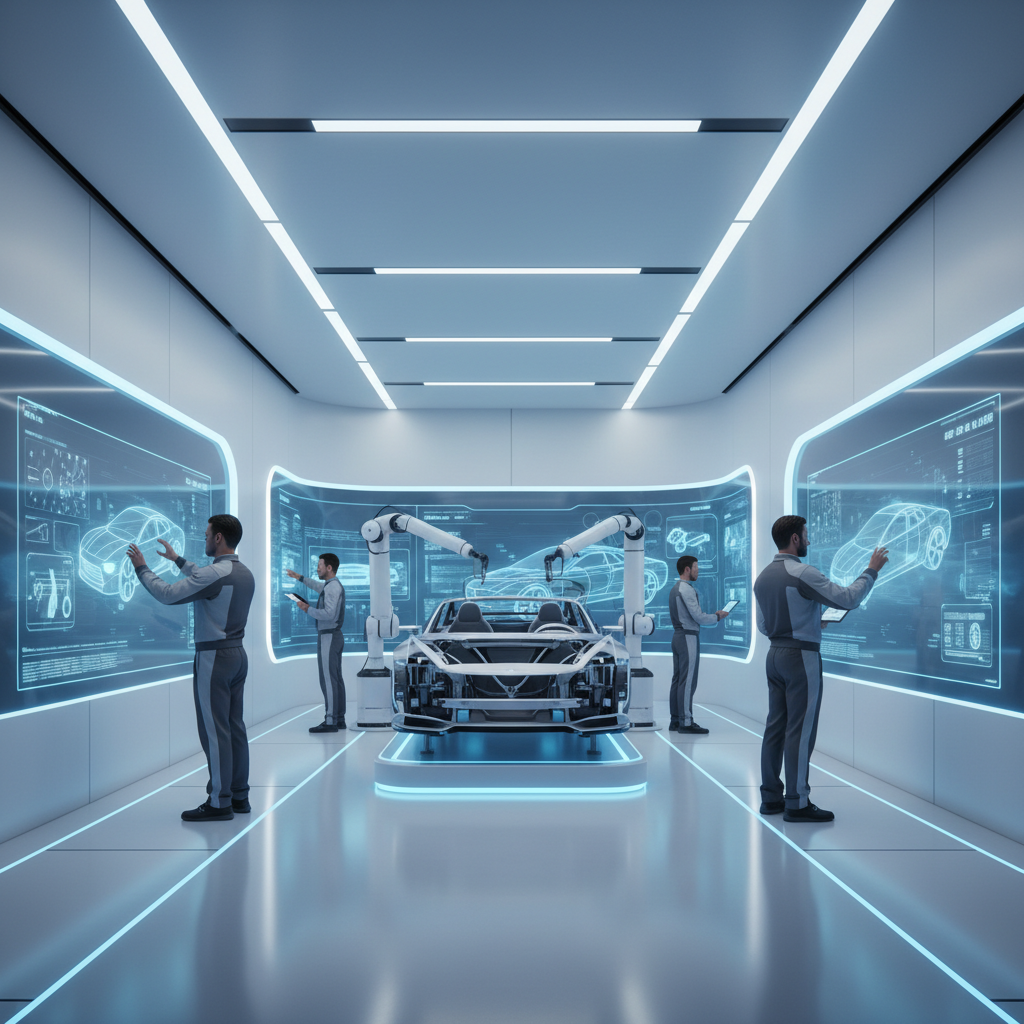
The purpose of the Innovation Lab is to collaborate with external technology start-ups and internal staff. This initiative develops solutions in finance, mobility, and data services, injecting an entrepreneurial culture into operations.

Made byBobr AI

Definitions: Innovation & Enterprise (P7)

Innovation: The development of a creative idea into a new product, process, or service. It involves adding value to differentiate the business from competitors (e.g., product development, improving efficiency).
Enterprise: A person or entity who spots an opportunity and shows initiative and willingness to take risks to benefit from potential rewards. It involves 'blue sky' thinking, intuition, and identifying opportunities.
Made byBobr AI

Why Do Businesses Need Innovation?

  • To drive improvements in products, processes, and customer experiences.
  • To foster business growth and develop new niche markets.
  • To offer Unique Selling Points (USPs) and improve reputation.
  • Why BMW specifically? The automotive sector is rapidly shifting toward electrification and autonomy.
  • BMW must innovate to meet operational requirements and solve mobility problems creatively.
Made byBobr AI

BMW: Recent Innovations (P7)

Achievements over the last 5 years:

BMW has heavily invested in the 'i-series' (electric vehicles) and autonomous driving technology. They have integrated digital services to improve customer experience and moved towards sustainable production.

Contribution to Success:
Innovation has allowed BMW to maintain its status as a premium brand while adapting to global emission regulations. It has opened revenue streams in digital services and 'Mobility as a Service'.

Made byBobr AI

Benefits & Risks (P7)

Potential Benefits

• Business growth and market expansion
• Development of new niche markets
• Unique Selling Points (USPs)
• Smarter working and efficiency

Potential Risks

• Failing to achieve Return on Investment (ROI)
• Failing to meet commercial requirements
• Cultural resistance (staff unsupportive of change)
• Insufficient management support

Made byBobr AI

Successes vs. Challenges (M5)

Successful Products: The M-series (performance) and the X-series (SUV) defined new market segments. The Mini Cooper acquisition was a successful enterprise move.

Unsuccessful/Challenging: Early iterations of electric cars faced range limitations (e.g., early i3 niche adoption).

Impact:
Positive: Established BMW as a leader in premium mobility.
Negative: High R&D costs for unproven tech can strain short-term profitability.

Made byBobr AI

Competitive Advantage (M5)

Definition: Factors that allow a company to produce goods or services better or more cheaply than its rivals.

Competitors: Mercedes-Benz, Audi, Tesla, Lexus.

Strategy: BMW uses innovation to overcome rivals by focusing on 'The Ultimate Driving Machine'—blending performance with new tech. They invest in the Innovation Lab to stay ahead in software and data services, areas where traditional rivals often struggle.

Made byBobr AI

Analysis: Shift to Electromobility (M5)

  • Achievement: Innovation enabled BMW to enter the full-electric vehicle market (EV) alongside their traditional combustion engines.
  • Evidence of Success: Growing sales figures for the 'i' models and the integration of battery production facilities.
  • Problematic Aspects: The transition requires massive infrastructure changes (charging networks) and supply chain risks for batteries.
Made byBobr AI

"Innovation is not just about technology; it is about relevance. Innovation ensures BMW remains the 'Ultimate Driving Machine' in a digital world."

Importance to Business Strategy

Made byBobr AI

The Changing Environment (D4)

Market Changes:
The automotive market is shifting from ownership to usership (ride-sharing), from combustion to electric, and from manual to autonomous driving.

Result:
Consumer expectations for digital integration are higher than ever.

Why Innovation is Vital:
Without rapid enterprise and willingness to pivot, heritage brands like BMW risk becoming obsolete hardware suppliers. Innovation converts these environmental threats into opportunities for new services.

Made byBobr AI
Bobr AI

DESIGNER-MADE
PRESENTATION,
GENERATED FROM
YOUR PROMPT

Create your own professional slide deck with real images, data charts, and unique design in under a minute.

Generate For Free

Innovation and Enterprise in Business: BMW Case Study

Explore how innovation drives growth at BMW Group. Learn about the BMW Innovation Lab, electromobility shifts, and competitive advantages in the auto industry.

Role of Innovation and Enterprise

Unit 1: Exploring Business | Case Study: BMW Group

Introduction & Purpose

Why is innovation important? It is crucial specifically for driving growth, creating competitive advantages, and ensuring survival in dynamic markets. It allows companies to future-proof against disruption.

<b>Case Study: BMW Innovation Lab UK</b><br>The purpose of the Innovation Lab is to collaborate with external technology start-ups and internal staff. This initiative develops solutions in finance, mobility, and data services, injecting an entrepreneurial culture into operations.

Definitions: Innovation & Enterprise (P7)

<b>Innovation:</b> The development of a creative idea into a new product, process, or service. It involves adding value to differentiate the business from competitors (e.g., product development, improving efficiency).

<b>Enterprise:</b> A person or entity who spots an opportunity and shows initiative and willingness to take risks to benefit from potential rewards. It involves 'blue sky' thinking, intuition, and identifying opportunities.

Why Do Businesses Need Innovation?

To drive improvements in products, processes, and customer experiences.

To foster business growth and develop new niche markets.

To offer Unique Selling Points (USPs) and improve reputation.

<b>Why BMW specifically?</b> The automotive sector is rapidly shifting toward electrification and autonomy.

BMW must innovate to meet operational requirements and solve mobility problems creatively.

BMW: Recent Innovations (P7)

<b>Achievements over the last 5 years:</b><br><br>BMW has heavily invested in the 'i-series' (electric vehicles) and autonomous driving technology. They have integrated digital services to improve customer experience and moved towards sustainable production.<br><br><b>Contribution to Success:</b><br>Innovation has allowed BMW to maintain its status as a premium brand while adapting to global emission regulations. It has opened revenue streams in digital services and 'Mobility as a Service'.

Benefits & Risks (P7)

Potential Benefits

• Business growth and market expansion<br>• Development of new niche markets<br>• Unique Selling Points (USPs)<br>• Smarter working and efficiency

Potential Risks

• Failing to achieve Return on Investment (ROI)<br>• Failing to meet commercial requirements<br>• Cultural resistance (staff unsupportive of change)<br>• Insufficient management support

Successes vs. Challenges (M5)

<b>Successful Products:</b> The M-series (performance) and the X-series (SUV) defined new market segments. The Mini Cooper acquisition was a successful enterprise move.<br><br><b>Unsuccessful/Challenging:</b> Early iterations of electric cars faced range limitations (e.g., early i3 niche adoption).<br><br><b>Impact:</b><br>Positive: Established BMW as a leader in premium mobility.<br>Negative: High R&D costs for unproven tech can strain short-term profitability.

Competitive Advantage (M5)

<b>Definition:</b> Factors that allow a company to produce goods or services better or more cheaply than its rivals.<br><br><b>Competitors:</b> Mercedes-Benz, Audi, Tesla, Lexus.<br><br><b>Strategy:</b> BMW uses innovation to overcome rivals by focusing on 'The Ultimate Driving Machine'—blending performance with new tech. They invest in the Innovation Lab to stay ahead in software and data services, areas where traditional rivals often struggle.

Analysis: Shift to Electromobility (M5)

<b>Achievement:</b> Innovation enabled BMW to enter the full-electric vehicle market (EV) alongside their traditional combustion engines.

<b>Evidence of Success:</b> Growing sales figures for the 'i' models and the integration of battery production facilities.

<b>Problematic Aspects:</b> The transition requires massive infrastructure changes (charging networks) and supply chain risks for batteries.

Innovation is not just about technology; it is about relevance. Innovation ensures BMW remains the 'Ultimate Driving Machine' in a digital world.

Importance to Business Strategy

The Changing Environment (D4)

<b>Market Changes:</b><br>The automotive market is shifting from ownership to usership (ride-sharing), from combustion to electric, and from manual to autonomous driving.<br><br><b>Result:</b><br>Consumer expectations for digital integration are higher than ever.<br><br><b>Why Innovation is Vital:</b><br>Without rapid enterprise and willingness to pivot, heritage brands like BMW risk becoming obsolete hardware suppliers. Innovation converts these environmental threats into opportunities for new services.

  • business-innovation
  • enterprise-strategy
  • bmw-case-study
  • electromobility
  • competitive-advantage
  • automotive-industry
  • digital-transformation