
Made byBobr AI

Coaching for Performance and Fitness: BTEC Level 3 Sport Guide

Learn the essential skills, knowledge, and technology required for sports coaching, including feedback types, SMART goal setting, and support networks.

#sports-coaching#btec-sport#athletic-performance#coaching-skills#sports-technology#safeguarding-in-sport#training-principles
Watch
Pitch
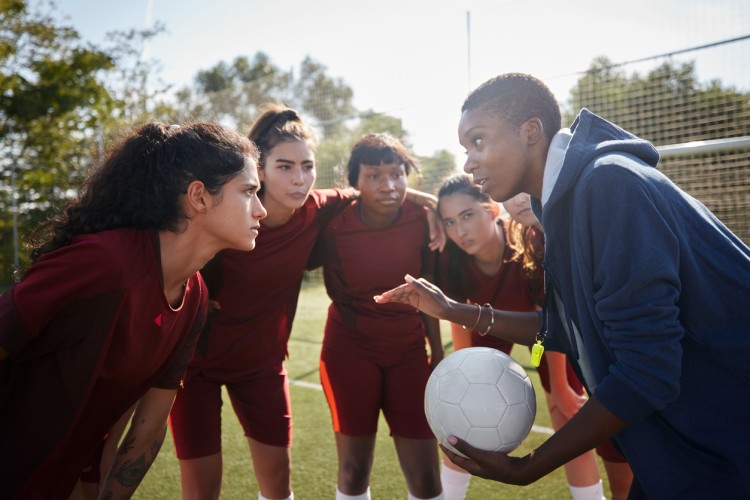
Coach in huddle
UNIT 6

Coaching for Performance & Fitness

Learning Aim A – Part 1 & Part 2

BTEC Level 3 Sport
Made byBobr AI
OVERVIEW

What We'll Cover

Part 1
Skills Required by a Coach
Knowledge Required by a Coach
Professional Qualities
Best Practice & Safeguarding
Types of Feedback & Goal Setting
Part 2
Types of Technology in Sport
Using Technology for Performance
Other Supportive Professionals
References
Made byBobr AI
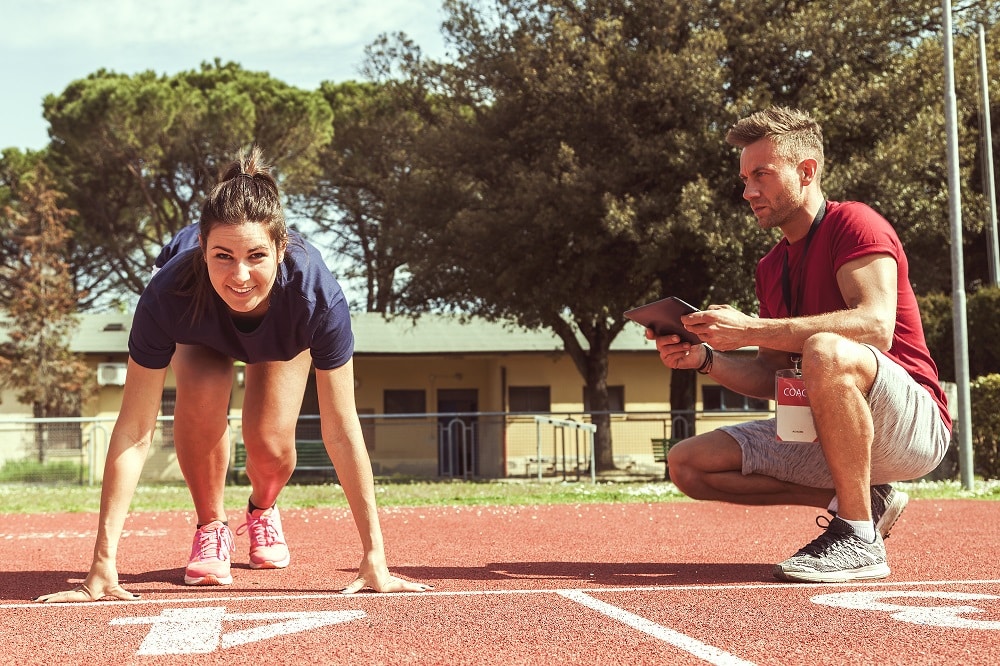
Coach showing techniques on running track
P1 — SKILLS

Skills Required by a Coach

Communication
Clear, concise instructions to athletes
Motivation
Inspiring athletes to reach their potential
Observation
Spotting technique errors and strengths
Problem Solving
Adapting plans during competition
Organisation
Planning sessions and managing time
Empathy
Understanding individual athlete needs
e.g. Sir Alex Ferguson was renowned for his exceptional man-management and motivational skills
Made byBobr AI
P1 — KNOWLEDGE

Knowledge Required by a Coach

🏃
1. Sport-Specific Rules & Techniques — Deep understanding of the sport's rules, tactics and technical demands
🩺
2. Sports Science & Anatomy — Knowledge of physiology, biomechanics, and injury prevention
📊
3. Training Principles — FITT principle, overload, periodisation, and recovery
🧘
4. Psychology — Motivation theories, managing pressure, athlete mental wellbeing
⚖️
5. Nutrition & Hydration — Fuelling athletes for performance and recovery

Real Example: Jürgen Klopp combined deep tactical knowledge with sports science to transform Liverpool FC into Premier League and Champions League winners.

Made byBobr AI
P1 — PROFESSIONAL QUALITIES

Professional Qualities of a Successful Coach

1. INTEGRITY
Honest, ethical and fair in all decisions
2. PASSION
Genuine love for the sport and athlete development
3. CONFIDENCE
Projects self-belief that athletes can trust
4. PATIENCE
Allows athletes time to develop at their own pace
5. LEADERSHIP
Guides and inspires a team towards shared goals
6. ADAPTABILITY
Adjusts approach to suit different athletes
Real Example: Pep Guardiola is widely respected for his tactical adaptability and consistent professionalism at the highest level.
Made byBobr AI
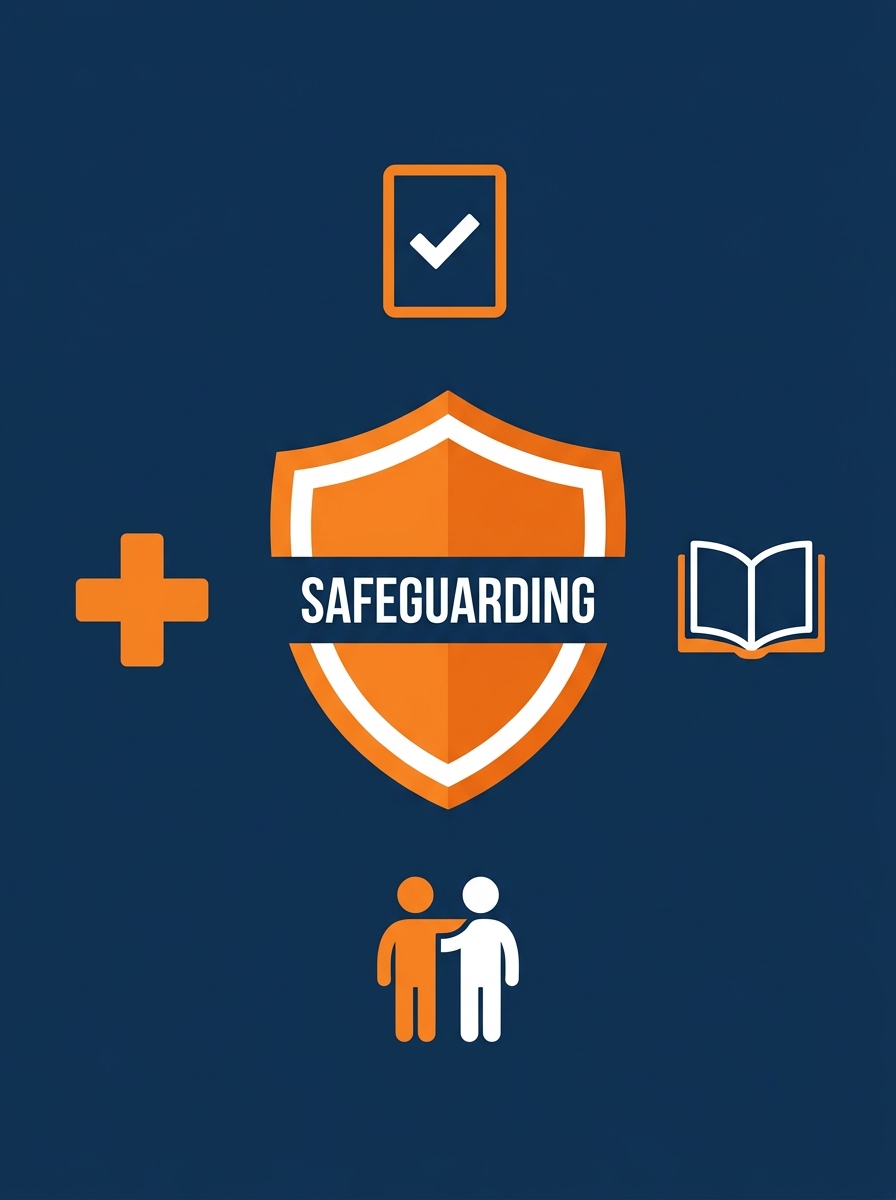
Safeguarding Infographic
P1 — BEST PRACTICE

Best Practice for a Coach

1
SAFEGUARDING
Protecting athletes from harm; DBS checks, safe sport policies, reporting procedures
2
DUTY OF CARE
Ensuring physical and emotional wellbeing at all times
3
EQUALITY & INCLUSION
Treating all athletes fairly regardless of background, ability or identity
4
CONTINUING PROFESSIONAL DEVELOPMENT (CPD)
Staying up-to-date with coaching qualifications and best practice
ℹ️
UK Coaching & Sport England require coaches to hold a valid DBS check, first aid certificate, and relevant coaching award.
Made byBobr AI
FEEDBACK

Types of Feedback

INTRINSIC FEEDBACK
Information felt by the athlete (e.g., feeling a perfect sprint technique).
EXTRINSIC FEEDBACK
External information from the coach or technology (e.g., coach tells athlete to drive arms harder).
CONCURRENT vs TERMINAL
Feedback given DURING the performance vs AFTER the performance concludes.
GOAL SETTING

SMART Goals

S
Specific
Clear and precise target (e.g., target a 5,000m gold medal).
M
Measurable
Quantifiable metrics (e.g., track lap times and VO2 max).
A
Achievable
Attainable within the athlete's current physiological potential.
R
Realistic
Feasible when considering resources, schedule, and recovery.
T
Time-bound
Clear deadline for accomplishment (e.g., peak for the Olympics).
Real Example: Mo Farah's coach Alberto Salazar used terminal extrinsic feedback and SMART goals to build his training programme toward Olympic gold.
Made byBobr AI
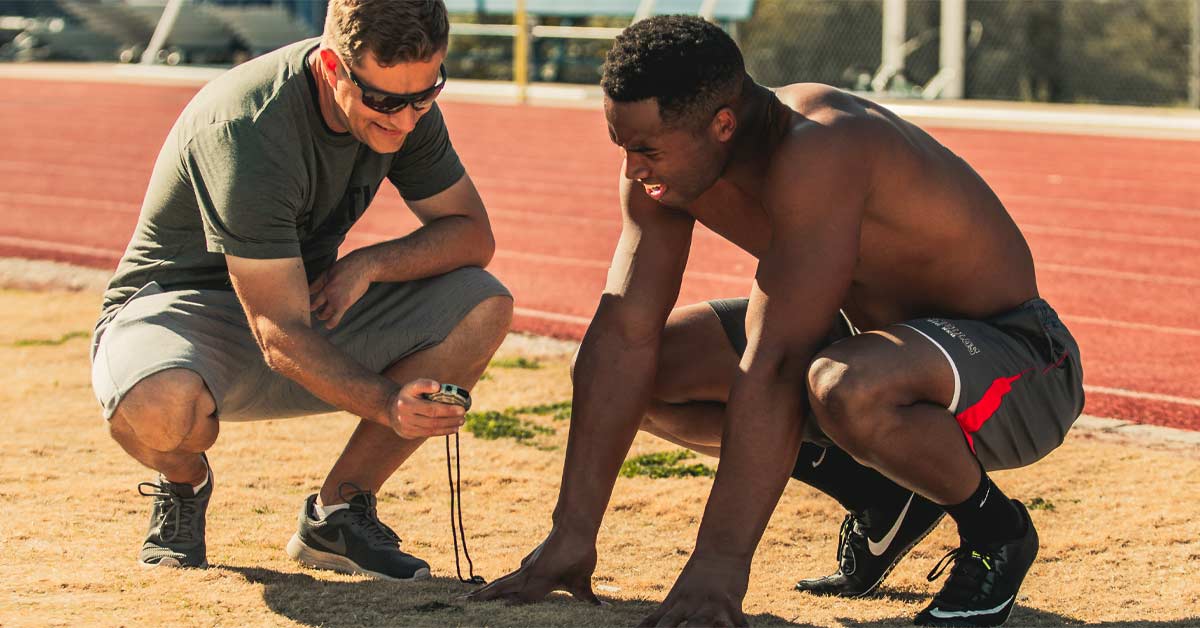
Sports coaching performance
UNIT 6

PART 2

Technology & Support in Coaching

Types of Technology • Using Technology for Performance • Supporting Professionals

Made byBobr AI
P2 — TECHNOLOGY

Types of Technology in Sport

📹

VIDEO ANALYSIS

Slow-motion cameras (e.g. Dartfish, Hudl) used to review and analyse movement and technique

WEARABLE TECH

GPS trackers, heart rate monitors, fitness bands (e.g. Garmin, Whoop) tracking athlete load

💻

PERFORMANCE SOFTWARE

Data analysis platforms (e.g. Catapult, ProZone) used in elite football and athletics

🏃

TIMING SYSTEMS

Electronic timing gates (e.g. Brower Timing) for sprint and agility testing

🧬

BIOMECHANICAL ANALYSIS

Force plates and motion capture to analyse movement patterns

🩺

RECOVERY TECH

Ice baths, compression technology and sleep tracking to aid recovery

Made byBobr AI
P2 — TECHNOLOGY IN ACTION

Using Technology to Improve Performance

1
Collect Data
GPS, wearables and video capture athlete performance data in real-time.
2
Analyse
Coaches and sports scientists review data using software like Catapult or Hudl.
3
Identify Areas
Weaknesses in technique, fitness levels or tactics are pinpointed.
4
Adapt Training
Training programmes are modified to target identified areas.
Football Example
Liverpool FC use GPS vests in every training session to monitor player sprint distance, heart rate zones, and fatigue levels to prevent injury.
🏃
Athletics Example
Team GB sprinters use high-speed video and force plates at the English Institute of Sport to refine starting block technique.
Made byBobr AI
P2 — SUPPORT NETWORK

Supportive Professionals Around a Coach

SPORTS SCIENTIST
Monitors performance data, fitness testing and training loads.
PHYSIOTHERAPIST
Treats injuries and manages player rehabilitation.
NUTRITIONIST / DIETITIAN
Advises on diet plans and fuelling strategies.
SPORTS PSYCHOLOGIST
Supports mental resilience, confidence and focus.
STRENGTH & CONDITIONING COACH
Designs gym-based fitness programmes.
TEAM DOCTOR / GP
Medical oversight, injury diagnosis and health screening.
THE
COACH
Real Example: Premier League clubs like Manchester City employ 20+ specialist support staff around their head coach to maximise player performance.
Made byBobr AI
REFERENCES

References & Further Reading

UK Coaching (2021) Code of Practice for Sports Coaches. Available at: www.ukcoaching.org

Sport England (2023) Safeguarding and Child Protection Policy. Available at: www.sportengland.org

Martens, R. (2012) Successful Coaching. 4th edn. Human Kinetics.

NSPCC (2023) Safeguarding in Sport. Available at: www.nspcc.org.uk

Bompa, T. and Haff, G. (2009) Periodization: Theory and Methodology of Training. Human Kinetics.

Locke, E.A. and Latham, G.P. (1990) A Theory of Goal Setting and Task Performance. Prentice Hall.

Hughes, M. and Bartlett, R. (2008) The use of performance indicators in performance analysis. Journal of Sports Sciences.

Catapult Sports (2023) GPS Wearable Technology in Elite Sport. Available at: www.catapultsports.com

English Institute of Sport (2023) Performance Support Services. Available at: www.eis2win.co.uk

Unit 6 — Coaching for Performance & Fitness | BTEC Level 3 Sport
Made byBobr AI
Bobr AI

DESIGNER-MADE
PRESENTATION,
GENERATED FROM
YOUR PROMPT

Create your own professional slide deck with real images, data charts, and unique design in under a minute.

Generate For Free

Coaching for Performance and Fitness: BTEC Level 3 Sport Guide

Learn the essential skills, knowledge, and technology required for sports coaching, including feedback types, SMART goal setting, and support networks.

UNIT 6

Coaching for Performance & Fitness

Learning Aim A – Part 1 & Part 2

BTEC Level 3 Sport

OVERVIEW

What We'll Cover

Part 1

Skills Required by a Coach

Knowledge Required by a Coach

Professional Qualities

Best Practice & Safeguarding

Types of Feedback & Goal Setting

Part 2

Types of Technology in Sport

Using Technology for Performance

Other Supportive Professionals

References

P1 — SKILLS

Skills Required by a Coach

Communication

Clear, concise instructions to athletes

Motivation

Inspiring athletes to reach their potential

Observation

Spotting technique errors and strengths

Problem Solving

Adapting plans during competition

Organisation

Planning sessions and managing time

Empathy

Understanding individual athlete needs

e.g. Sir Alex Ferguson was renowned for his exceptional man-management and motivational skills

P1 — KNOWLEDGE

Knowledge Required by a Coach

🏃

1. Sport-Specific Rules & Techniques

Deep understanding of the sport's rules, tactics and technical demands

🩺

2. Sports Science & Anatomy

Knowledge of physiology, biomechanics, and injury prevention

📊

3. Training Principles

FITT principle, overload, periodisation, and recovery

🧘

4. Psychology

Motivation theories, managing pressure, athlete mental wellbeing

⚖️

5. Nutrition & Hydration

Fuelling athletes for performance and recovery

Real Example: Jürgen Klopp combined deep tactical knowledge with sports science to transform Liverpool FC into Premier League and Champions League winners.

P1 — PROFESSIONAL QUALITIES

Professional Qualities of a Successful Coach

1. INTEGRITY

Honest, ethical and fair in all decisions

2. PASSION

Genuine love for the sport and athlete development

3. CONFIDENCE

Projects self-belief that athletes can trust

4. PATIENCE

Allows athletes time to develop at their own pace

5. LEADERSHIP

Guides and inspires a team towards shared goals

6. ADAPTABILITY

Adjusts approach to suit different athletes

Real Example: Pep Guardiola is widely respected for his tactical adaptability and consistent professionalism at the highest level.

P1 — BEST PRACTICE

Best Practice for a Coach

SAFEGUARDING

Protecting athletes from harm; DBS checks, safe sport policies, reporting procedures

DUTY OF CARE

Ensuring physical and emotional wellbeing at all times

EQUALITY & INCLUSION

Treating all athletes fairly regardless of background, ability or identity

CONTINUING PROFESSIONAL DEVELOPMENT (CPD)

Staying up-to-date with coaching qualifications and best practice

UK Coaching & Sport England require coaches to hold a valid DBS check, first aid certificate, and relevant coaching award.

FEEDBACK

Types of Feedback

INTRINSIC FEEDBACK

Information felt by the athlete (e.g., feeling a perfect sprint technique).

EXTRINSIC FEEDBACK

External information from the coach or technology (e.g., coach tells athlete to drive arms harder).

CONCURRENT vs TERMINAL

Feedback given DURING the performance vs AFTER the performance concludes.

GOAL SETTING

SMART Goals

Specific

Clear and precise target (e.g., target a 5,000m gold medal).

Measurable

Quantifiable metrics (e.g., track lap times and VO2 max).

Achievable

Attainable within the athlete's current physiological potential.

Realistic

Feasible when considering resources, schedule, and recovery.

Time-bound

Clear deadline for accomplishment (e.g., peak for the Olympics).

Real Example: Mo Farah's coach Alberto Salazar used terminal extrinsic feedback and SMART goals to build his training programme toward Olympic gold.

UNIT 6

PART 2

Technology & Support in Coaching

Types of Technology • Using Technology for Performance • Supporting Professionals

P2 — TECHNOLOGY

Types of Technology in Sport

📹

VIDEO ANALYSIS

Slow-motion cameras (e.g. Dartfish, Hudl) used to review and analyse movement and technique

WEARABLE TECH

GPS trackers, heart rate monitors, fitness bands (e.g. Garmin, Whoop) tracking athlete load

💻

PERFORMANCE SOFTWARE

Data analysis platforms (e.g. Catapult, ProZone) used in elite football and athletics

🏃

TIMING SYSTEMS

Electronic timing gates (e.g. Brower Timing) for sprint and agility testing

🧬

BIOMECHANICAL ANALYSIS

Force plates and motion capture to analyse movement patterns

🩺

RECOVERY TECH

Ice baths, compression technology and sleep tracking to aid recovery

P2 — TECHNOLOGY IN ACTION

Using Technology to Improve Performance

1

Collect Data

GPS, wearables and video capture athlete performance data in real-time.

2

Analyse

Coaches and sports scientists review data using software like Catapult or Hudl.

3

Identify Areas

Weaknesses in technique, fitness levels or tactics are pinpointed.

4

Adapt Training

Training programmes are modified to target identified areas.

Football Example

Liverpool FC use GPS vests in every training session to monitor player sprint distance, heart rate zones, and fatigue levels to prevent injury.

Athletics Example

Team GB sprinters use high-speed video and force plates at the English Institute of Sport to refine starting block technique.

P2 — SUPPORT NETWORK

Supportive Professionals Around a Coach

<strong>Real Example:</strong> Premier League clubs like Manchester City employ 20+ specialist support staff around their head coach to maximise player performance.

THE

COACH

SPORTS SCIENTIST

Monitors performance data, fitness testing and training loads.

PHYSIOTHERAPIST

Treats injuries and manages player rehabilitation.

NUTRITIONIST / DIETITIAN

Advises on diet plans and fuelling strategies.

SPORTS PSYCHOLOGIST

Supports mental resilience, confidence and focus.

STRENGTH & CONDITIONING COACH

Designs gym-based fitness programmes.

TEAM DOCTOR / GP

Medical oversight, injury diagnosis and health screening.

REFERENCES

References & Further Reading

UK Coaching (2021) Code of Practice for Sports Coaches. Available at: www.ukcoaching.org

Sport England (2023) Safeguarding and Child Protection Policy. Available at: www.sportengland.org

Martens, R. (2012) Successful Coaching. 4th edn. Human Kinetics.

NSPCC (2023) Safeguarding in Sport. Available at: www.nspcc.org.uk

Bompa, T. and Haff, G. (2009) Periodization: Theory and Methodology of Training. Human Kinetics.

Locke, E.A. and Latham, G.P. (1990) A Theory of Goal Setting and Task Performance. Prentice Hall.

Hughes, M. and Bartlett, R. (2008) The use of performance indicators in performance analysis. Journal of Sports Sciences.

Catapult Sports (2023) GPS Wearable Technology in Elite Sport. Available at: www.catapultsports.com

English Institute of Sport (2023) Performance Support Services. Available at: www.eis2win.co.uk

Unit 6 — Coaching for Performance & Fitness | BTEC Level 3 Sport

  • sports-coaching
  • btec-sport
  • athletic-performance
  • coaching-skills
  • sports-technology
  • safeguarding-in-sport
  • training-principles