

Made byBobr AI

Patient Guide to Gum Health, Tooth Decay & Dental Hygiene

Learn about oral health journey from gingivitis to periodontitis. A complete guide on tooth decay, dental hygiene treatments, and expert brushing tips.

#dental-hygiene#oral-health#periodontitis#gum-disease#tooth-decay#preventive-dentistry#patient-education
Watch
Pitch

PATIENT EDUCATION: ORAL HEALTH & PERIODONTAL CARE

Yajaira Ramirez

Made byBobr AI

Table of Contents

1
Gum Health
2
Tooth Decay
3
Dental Hygiene Treatments
4
Home Care & Prevention
Made byBobr AI

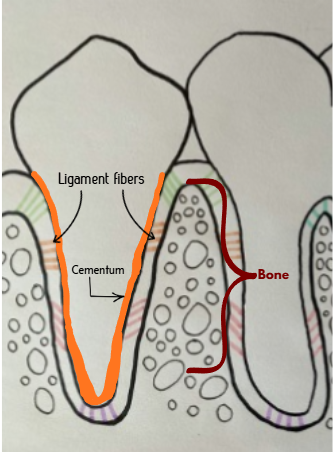
The Periodontium

Your tooth's support system:

Gums

Bone

Cementum (root coating)

Ligament fibers (tiny shock absorbers)

Why it matters:

Keeps teeth stable, comfortable, and strong.

Made byBobr AI

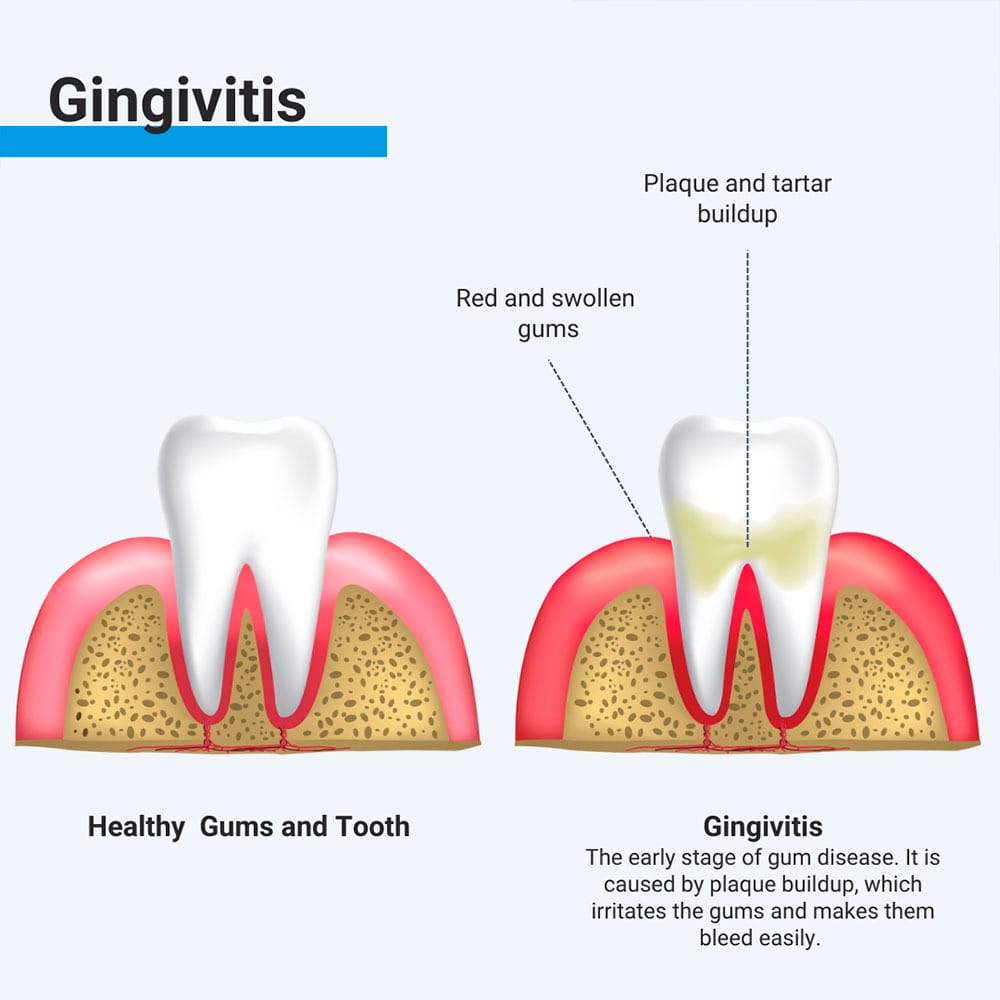
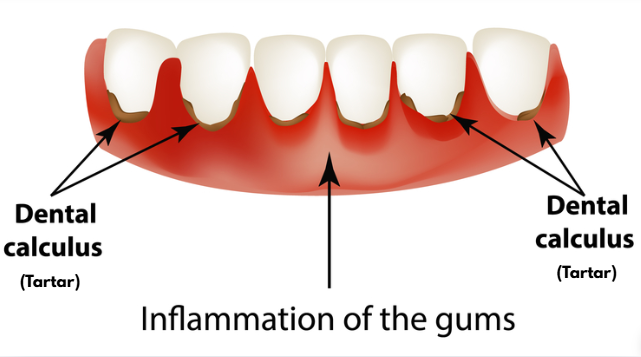
Gingivitis

Early Gum Disease

  • Gums get red, swollen, and bleed easily
  • Caused by plaque buildup
  • Triggered by sugary/starchy foods left on teeth

Good news: It's reversible with brushing, flossing, and cleanings

Made byBobr AI
Made byBobr AI

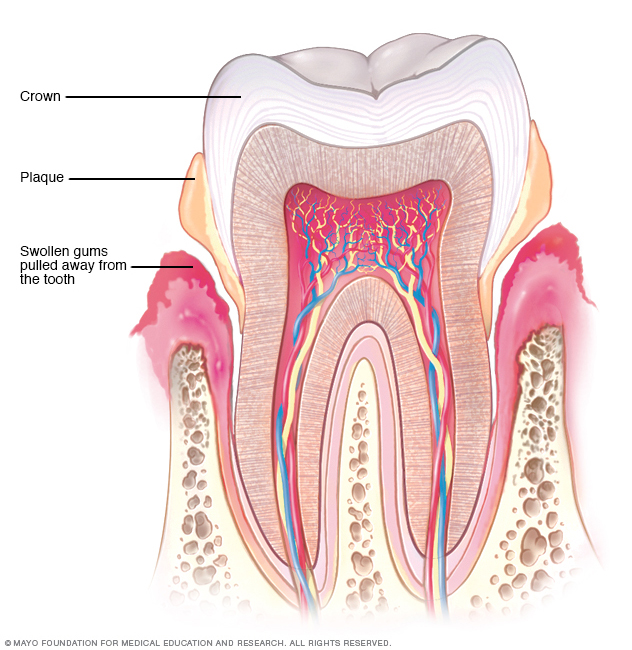
Periodontitis

When Gum Disease Gets Serious

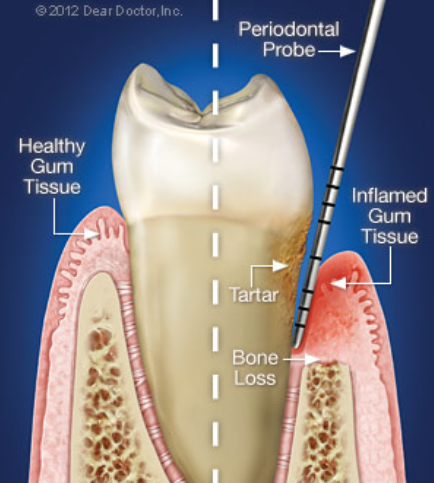
Periodontitis is advanced gum disease that damages the bone and tissue holding your teeth in place.

Pockets form between teeth and gums, which allows bacteria to go deeper.

Bone loss begins, and this is NOT reversible.

Risk factors: smoking, diabetes, poor brushing, genetics.

Unlike gingivitis, periodontitis cannot be fully reversed, but it CAN be managed!

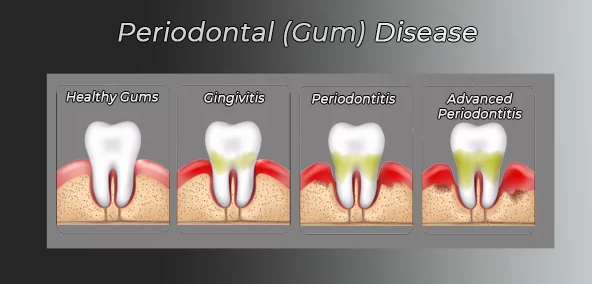
Healthy Gum

Tight gum, no pocket

Gingivitis

Red, swollen gum, shallow pocket

Periodontitis

Deep pocket, bone loss visible

Made byBobr AI
Made byBobr AI

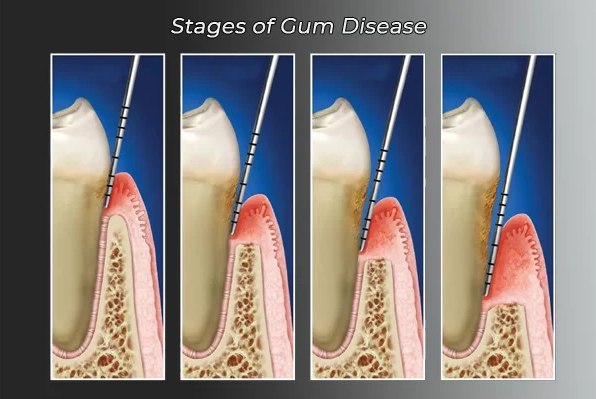
Periodontitis – Stages

Tells us the levels of how severe your gum disease is and how much damage has happened to the bone

Stage I

Initial

  • Mild bone loss
  • Pocket depth up to 4mm
  • No tooth loss
  • Teeth are stable

"Early warning signs"

Stage II

Moderate

  • Moderate bone loss
  • Pockets up to 5mm
  • No tooth loss
  • Needs treatment to stop worsening

"Gum disease is progressing"

Stage III

Severe

  • Significant bone loss
  • Pocket depth of 6mm or more
  • Possible tooth loss (up to 4 teeth)
  • Possible tooth mobility & higher risk of tooth loss

"Teeth is at risk for tooth loss"

Stage IV

Advanced

  • Major bone loss
  • Pockets deeper than 6mm
  • Tooth loss may occur
  • Can affect chewing and daily life

"Urgent treatment needed"

INCREASING SEVERITY →

Source: cdha.org – ABCs of Periodontitis

Made byBobr AI
Made byBobr AI

Periodontitis – Grades

The progression of how fast the disease is moving forward

Factors affecting grade include smoking, diabetes, improper nutrition, and/or genetics

Grade A

Slow

🐢
  • Disease progresses slowly
  • No significant changes over 5 years
  • Low-risk lifestyle (non-smoker, no diabetes)
  • Less aggressive treatment needed

Grade B

Moderate

🚶
  • Disease progresses at a moderate pace
  • Some risk factors present
  • Response to treatment is expected

Grade C

Rapid

🦐
  • Disease progresses QUICKLY
  • Major risk factors: smoking, diabetes, genetics
  • Needs aggressive, frequent treatment
🐢 Slow Progression
Rapid Damage 🦐

Your stage & grade guide your personalized treatment plan!

Source: cdha.org – ABCs of Periodontitis

Made byBobr AI

Diagnosing Gum Disease

What does your hygienist look for?

Pocket Probing

  • A tiny painless measuring tool is placed gently along your gumline
  • Healthy: 1–3 mm depth
  • Concern: 4mm or deeper
"Think of it like checking the depth of a space around your tooth"

Visual Exam

  • Hygienist checks for: red or swollen gums, bleeding, gum recession, loose teeth
  • Signs of inflammation are the first clue

X-Rays

  • Dental X-rays show what we can't see: bone loss around tooth roots
  • Essential for confirming periodontitis
  • Combined with clinical exam for full picture
Diagnosis requires BOTH a clinical exam AND X-rays for accuracy

Source: cdha.org

Made byBobr AI

Treatment Options

Your path to healthier gums

1

OHI / Patient Education

Can empower patients with the knowledge and tools to maintain healthy gums at home

2

Treatment Options

Scaling and Root Planning → A deep cleaning to remove bacteria below the gumline.

Laser Treatment → A gentle laser helps clean infected areas and promote healing.

Local Antibiotics → Medicine placed directly in the gums to fight infection.

3

Maintenance / Recare Intervals

Schedule follow-up visits to monitor progress, maintain results, and prevent recurrence of gum disease

Local anesthetic may be used for comfort during treatment

Recare Visit: The recommended schedule for your regular checkups and cleanings

Early Intervention: Early intervention is key. Untreated gum disease is the leading cause of tooth loss in adults.

Made byBobr AI

Prognosis

What does the future look like for your teeth?

Prognosis = your predicted outcome based on current health, habits, and treatment

Role of Treatment

Getting the recommended treatment helps stop the disease from getting worse and gives your gums and bone the best chance to stay healthy.

Regular Follow‑Up Visits

Help us make sure your gums are healing, catch any problems early on, and keep the disease from coming back.

Success Depends On

  • Treatment quality
  • Home care commitment
  • Regular dental visits
Made byBobr AI

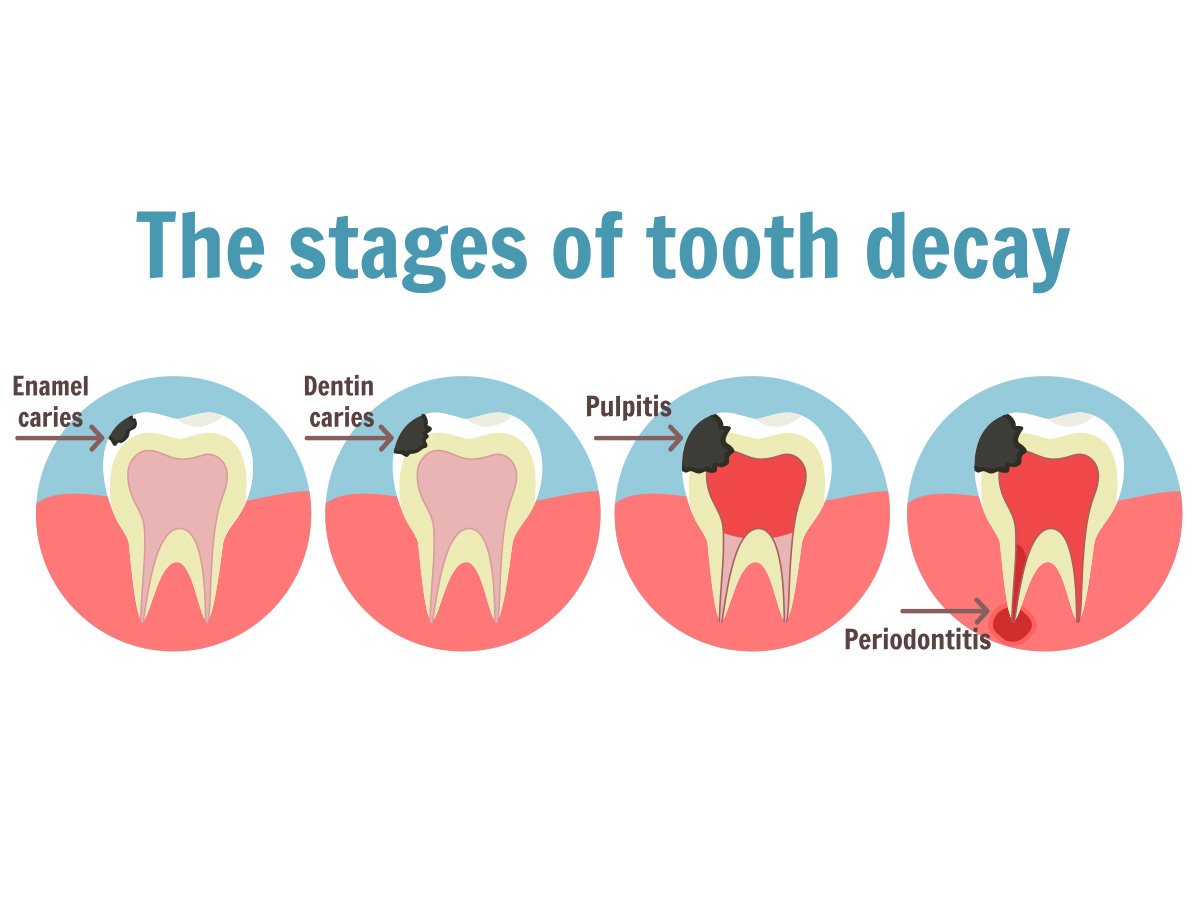
How Tooth Decay Happens

A step-by-step look inside your tooth

Stage 1

Bacteria & Acid

Bacteria eat sugars and produce acid.

Stage 2

Enamel Erosion

Acid dissolves the minerals in the enamel and causes early white spots. This is reversible.

Stage 3

Dentin Reached

Decay reaches dentin, causing sensitivity.

Stage 4

Pulp Affected

Decay reaches the pulp. Pain and swelling may occur, often requiring a root canal.

Stage 5

Abscess

Infection spreads. A painful abscess can form at the root.

This process happens gradually, over weeks, months, or even years, giving us time to prevent it from getting worse.

Made byBobr AI

* Pulpitis = inflammation of the pulp

Made byBobr AI

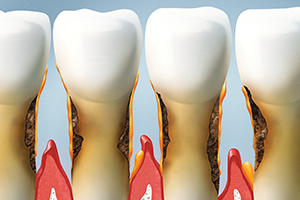
Root Caries

Decay on the root of your tooth

When the gums start to recede, the roots of the teeth become exposed. The root surface is softer than enamel, so it can get cavities more easily.

Even small areas of exposed root can break down quickly if plaque sits there.

Prevention: Good brushing and flossing technique, fluoride toothpaste or prescription fluoride, limiting frequent sugary snacks or drinks, and routine check-ups.

Made byBobr AI

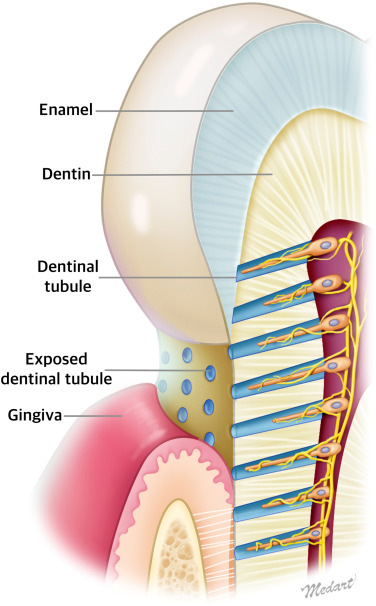
Dentin Hypersensitivity

Sensitivity happens when the inner layer of your tooth (dentin) becomes exposed.

Why It Happens

  • Gum recession or enamel wear exposes tiny tubes in the dentin, making the area sensitive.
  • These tubes carry signals directly to the nerve
  • Triggers: cold drinks, hot food, sweets, air, brushing
"Like having tiny open windows to your tooth nerve"

How to Manage It

  • Use desensitizing toothpaste (potassium nitrate)
  • Brush gently with a soft toothbrush
  • Avoid acidic foods and drinks
  • Ask your hygienist about in-office fluoride treatment
  • Treat underlying gum recession
Made byBobr AI

Xerostomia

Saliva is important because it washes away food, neutralizes acids, and protects your teeth

Xerostomia = the feeling that your mouth is too dry due to a low amount of saliva production!

What Causes Dry Mouth?

Medications (most common)
Diabetes
Aging
Dehydration
Smoking or alcohol use
Autoimmune conditions

Why It Matters for Your Teeth

Without enough saliva:

Cavities and root caries risk goes UP
Bad breath increases
Infections develop more easily

Tips to Help

Sip water throughout the day
Chew sugar-free gum (with xylitol)
Avoid caffeine, alcohol, and tobacco
Use alcohol-free mouth rinse
Tell your hygienist about ALL your medications

Made byBobr AI

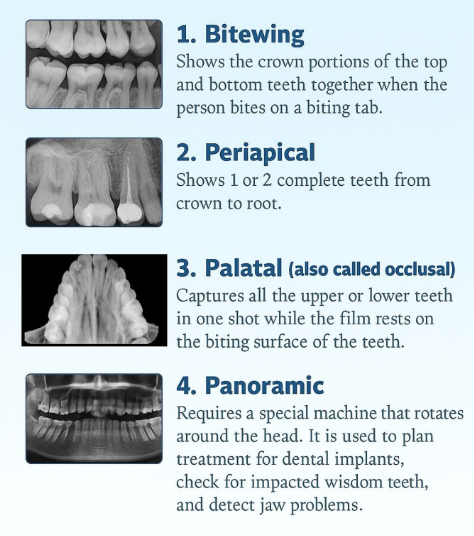
Types of Dental X-Rays

Types of Dental X-Rays
Made byBobr AI

Tooth Brushing

How to brush for the best results

MANUAL TOOTHBRUSH BASICS

1

Use a soft-bristled brush

2

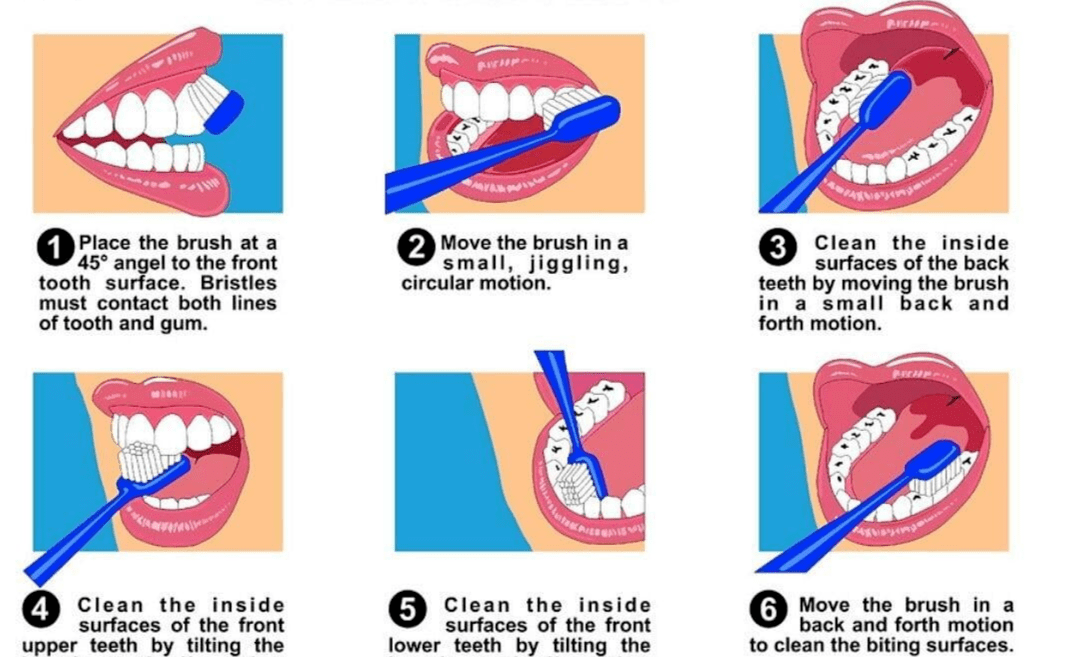
Tilt the brush at a 45° angle toward the gumline

3

Use gentle, short strokes, back and forth or in small circles

4

Brush all sides: outer, inner, and chewing surfaces

Electric Toothbrush

Let the brush do the work, guide it slowly across each tooth

Hold it at the same 45° angle toward the gums

Great for people with limited dexterity or arthritis

Proper Toothbrush Routine

Brush at least 2 minutes, twice a day

Replace your toothbrush every 3 months or sooner if bristles fray

Plaque Removal

Brushing removes sticky plaque that causes cavities and gum disease. Daily brushing helps keep your mouth fresh and healthy.

Daily Brushing Matters

Plaque builds up every day, so brushing twice a day and flossing between your teeth once a day is the best way to prevent cavities and gum disease.

Made byBobr AI

Proper Brushing Technique

Made byBobr AI

Cleaning Between Your Teeth

Traditional Floss

  • Best for: Tight spaces between teeth
  • Removes plaque and food between contacts

How to use

Wrap 18 inches around fingers, slide gently in a C-shape around each tooth, go just below the gumline.

Tip: Floss BEFORE brushing for best results

Image Placeholder

Interdental Brushes

  • Best for: Larger spaces, bridges, implants, gum recession, and braces
  • Clean the spaces between teeth and are recommended for people with gum disease.

How to use

Choose the right size, gently insert between teeth without forcing.

Image Placeholder

Floss Aids

  • Best for: Anyone who finds regular floss difficult to use
  • Floss holders, floss picks, or threaders help you clean between your teeth more comfortably and consistently

How to use

Choose the aid that suits you best and guide it gently between each tooth.

Image Placeholder

 The BEST tool is the one you will ACTUALLY use consistently!

Made byBobr AI

Types of Dental Hygiene Appointments

What type of cleaning do YOU need?

D1110: Adult Prophylaxis

Routine Cleaning

👤
For: Patients with healthy gums
🔧
What happens: Removal of plaque and tartar above the gumline, polishing
How often: Every 6 months
"This is your standard 'regular cleaning'"

D4346: SCALING IN INFLAMMATION

Moderate Deep Clean

👤
For: Patients with inflamed gums and pockets 4mm+
🔧
What happens: Scaling below the gumline in targeted areas
How often: As needed based on inflammation

D4341: Scaling & Root Planing

Full Deep Clean

👤
For: Patients with active periodontal disease
🔧
What happens: Deep cleaning of roots below gumline to remove bacteria and smooth root surfaces. Usually done with numbing gel/anesthetic.
How often: Initial treatment, then maintenance

D4910: Periodontal Maintenance

Perio Maintenance

👤
For: Patients who have been treated for gum disease
🔧
What happens: Specialized cleaning every 3–4 months to keep disease controlled
How often: Every 3–4 months (not 6 months)

Made byBobr AI

Dental X-Rays

Monitor Bone Levels

Healthy bone keeps your teeth stable, and X-rays help us see if there's any early bone loss from gum disease.

Safe and Necessary

Dental X-rays use very low radiation, and we only take them when they're needed. Modern digital X-rays use up to 90% LESS radiation than traditional film.

X-rays help us detect problems BEFORE they become painful or expensive to treat!

🔍

Detect bone loss from gum disease early

🦷

Find cavities hiding between teeth

🦴

Monitor jawbone changes over time

💊

Identify infections and abscesses

Made byBobr AI

Preventive Agents

Tools to protect your teeth

Fluoride in Toothpaste / Fluoride Varnish

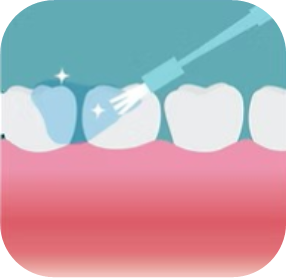
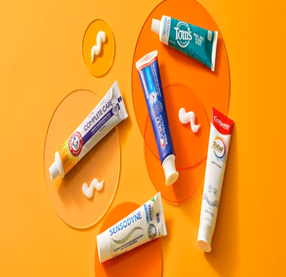
Fluoride helps strengthen the outer layer of your teeth and makes them more resistant to cavities. Fluoride toothpaste protects your teeth every day, and fluoride varnish gives an extra boost when applied in the office.

Xylitol

Xylitol is a natural sweetener that helps reduce cavity-causing bacteria. Using xylitol gum or mints can help protect your teeth between meals.

Nanohydroxyapatite

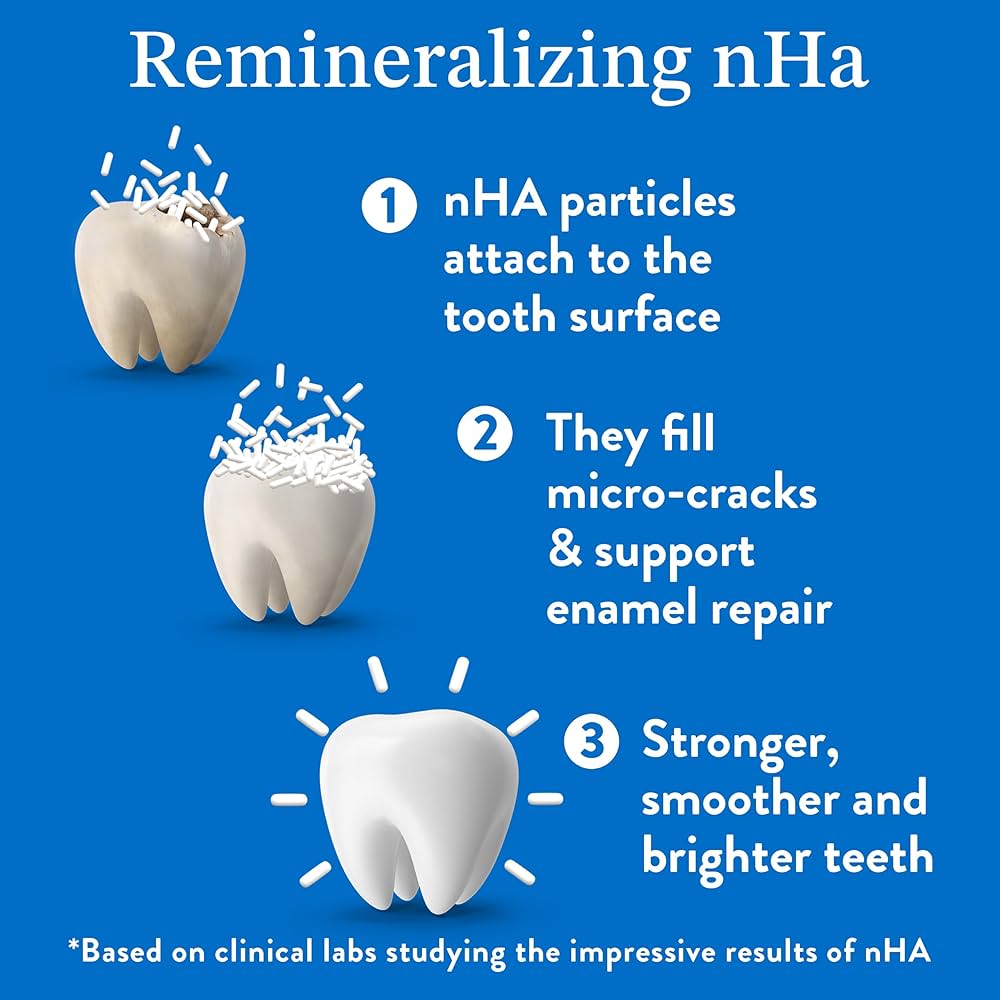
This is a mineral that's very similar to the natural structure of your teeth. It helps rebuild and strengthen weakened areas of enamel and can reduce sensitivity.

Sealants

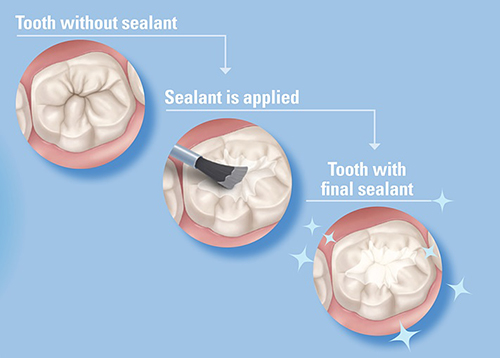
Sealants are thin protective coatings placed on the chewing surfaces of back teeth. They seal out food and bacteria, making it much harder for cavities to form.

Made byBobr AI

Visual Reference Gallery

Made byBobr AI

References

Sources used in this presentation

ADA. (2022). Brushing your teeth. Mouthhealthy.org. https://www.mouthhealthy.org/all-topics-a-z/brushing-your-teeth

BS, B. S., RDH. (2023, March 28). Hygiene treatment CDT code breakdown and patient explanations. Today's RDH. https://www.todaysrdh.com/hygiene-treatment-cdt-code-breakdown-and-patient-explanations/

CDC. (2024, May 9). About fluoride. Oral Health. https://www.cdc.gov/oral-health/prevention/about-fluoride.html

Cleveland Clinic. (2023, January 23). Gingivitis, gum disease, & periodontitis. Cleveland Clinic. https://my.clevelandclinic.org/health/diseases/10950-gingivitis-and-periodontal-disease-gum-disease

Cleveland Clinic. (2023, September 2). Dental X-rays: Types, uses and safety. Cleveland Clinic. https://my.clevelandclinic.org/health/diagnostics/11199-dental-x-rays

Cleveland Clinic. (2023, September 14). What's a dental hygienist? Cleveland Clinic. https://my.clevelandclinic.org/health/articles/dental-hygienist

Clinic, C. (2024, December 2). What is a prognosis? Definition, levels & factors. Cleveland Clinic. https://my.clevelandclinic.org/health/articles/prognosis

Contributors, W. E. (2022, April 2). Sealants and dental health. WebMD. https://www.webmd.com/oral-health/dental-sealants

Dentin hypersensitivity: What is it, causes, signs, symptoms, and more. (2023). Osmosis. https://www.osmosis.org/answers/dentin-hypersensitivity

Determining recare intervals for periodontal maintenance. (n.d.). Dimensions of Dental Hygiene. https://dimensionsofdentalhygiene.com/article/determining-recare-periodontal-maintenance/

Erlind Pepla, Lait Kostantinos Besharat, Palaia, G., Tenore, G., & Guido Migliau. (2014). Nano-hydroxyapatite and its applications in preventive, restorative and regenerative dentistry: A review of literature. Annali Di Stomatologia, 5(3), 108. https://pmc.ncbi.nlm.nih.gov/articles/PMC4252862/

Fontana, M. (2022, August). The tooth decay process: How to reverse it and avoid a cavity. National Institute of Dental and Craniofacial Research. https://www.nidcr.nih.gov/health-info/tooth-decay/more-info/tooth-decay-process

Gopalakrishnan, D. (2024). “Interdental cleansing:” A neglected side dish in oral hygiene maintenance. Journal of Indian Society of Periodontology, 28(3), 281–282. https://doi.org/10.4103/jisp.jisp_379_24

Nayak, P. A., Nayak, U. A., & Khandelwal, V. (2014). The effect of xylitol on dental caries and oral flora. Clinical, Cosmetic and Investigational Dentistry, 6, 89. https://doi.org/10.2147/ccide.s55761

Mayo Clinic. (2023, February 24). Periodontitis - Symptoms and causes. Mayo Clinic. https://www.mayoclinic.org/diseases-conditions/periodontitis/symptoms-causes/syc-20354473

Tonetti, M. S., Greenwell, H., & Kornman, K. S. (2018). Staging and grading of periodontitis: Framework and proposal of a new classification and case definition. Journal of Periodontology, 89(Suppl 1), S159–S172. https://doi.org/10.1002/JPER.18-0006

Tooth root decay: Causes, symptoms & treatment. (n.d.). NewMouth. https://www.newmouth.com/oral-health/root-decay/

Torabi, S., & Soni, A. (2023, March 27). Histology, periodontium. StatPearls Publishing. https://ncbi.nlm.nih.gov/books/NBK570604

Xerostomia: What is it, causes, treatment, and more. (2024). Osmosis. https://www.osmosis.org/answers/xerostomia

Thank you!

Made byBobr AI
Bobr AI

DESIGNER-MADE
PRESENTATION,
GENERATED FROM
YOUR PROMPT

Create your own professional slide deck with real images, data charts, and unique design in under a minute.

Generate For Free

Patient Guide to Gum Health, Tooth Decay & Dental Hygiene

Learn about oral health journey from gingivitis to periodontitis. A complete guide on tooth decay, dental hygiene treatments, and expert brushing tips.

PATIENT EDUCATION: ORAL HEALTH & PERIODONTAL CARE

Yajaira Ramirez

Table of Contents

Gum Health

Tooth Decay

Dental Hygiene Treatments

Home Care & Prevention

The Periodontium

Your tooth's support system:

Gums • Bone • Cementum (root coating) • Ligament fibers (tiny shock absorbers)

Why it matters: Keeps teeth stable, comfortable, and strong.

Gingivitis

Early Gum Disease

Gums get red, swollen, and bleed easily

Caused by plaque buildup

Triggered by sugary/starchy foods left on teeth

Good news:

It's reversible with brushing, flossing, and cleanings

Periodontitis

When Gum Disease Gets Serious

Periodontitis is advanced gum disease that damages the bone and tissue holding your teeth in place.

Pockets form between teeth and gums, which allows bacteria to go deeper.

Bone loss begins, and this is NOT reversible.

Risk factors: smoking, diabetes, poor brushing, genetics.

Unlike gingivitis, periodontitis cannot be fully reversed, but it CAN be managed!

Healthy Gum

Tight gum, no pocket

Gingivitis

Red, swollen gum, shallow pocket

Periodontitis

Deep pocket, bone loss visible

Periodontitis – Stages

Tells us the levels of how severe your gum disease is and how much damage has happened to the bone

Stage I

Initial

Mild bone loss<br/>

Pocket depth up to 4mm<br/>

No tooth loss<br/>

"Early warning signs"

Stage II

Moderate

Moderate bone loss

Pockets up to 5mm

No tooth loss<br/>

"Gum disease is progressing"

Stage III

Severe

Significant bone loss

Pocket depth of 6mm or more

Possible tooth loss (up to 4 teeth)<br/>

"Teeth is at risk for tooth loss"

Stage IV

Advanced

Major bone loss<br/>

Pockets deeper than 6mm

Tooth loss may occur

"Urgent treatment needed"

INCREASING SEVERITY →

Source: cdha.org – ABCs of Periodontitis

Teeth are stable

Needs treatment to stop worsening

Possible tooth mobility & higher risk of tooth loss

Can affect chewing and daily life

Periodontitis – Grades

The progression of how fast the disease is moving forward

Disease progresses slowly

No significant changes over 5 years

Low-risk lifestyle (non-smoker, no diabetes)

Less aggressive treatment needed

Disease progresses at a moderate pace

Some risk factors present

Response to treatment is expected

Disease progresses QUICKLY

Major risk factors: smoking, diabetes, genetics

Needs aggressive, frequent treatment

Your stage & grade guide your personalized treatment plan!

Source: cdha.org – ABCs of Periodontitis

Factors affecting grade include smoking, diabetes, improper nutrition, and/or genetics

Diagnosing Gum Disease

What does your hygienist look for?

Pocket Probing

Visual Exam

X-Rays

Diagnosis requires BOTH a clinical exam AND X-rays for accuracy

Source: cdha.org

Treatment Options

Your path to healthier gums

OHI / Patient Education

Can empower patients with the knowledge and tools to maintain healthy gums at home

Treatment Options

Maintenance / Recare Intervals

Schedule follow-up visits to monitor progress, maintain results, and prevent recurrence of gum disease

What If Treatment Does Not Take Place?

Without treatment, gum disease can progress, leading to bone loss, tooth mobility, and tooth loss, and links to systemic health concerns

Local anesthetic may be used for comfort during treatment

Early intervention is key. Untreated gum disease is the leading cause of tooth loss in adults.

Scaling and Root Planning

A deep cleaning to remove bacteria below the gumline.

Laser Treatment

A gentle laser helps clean infected areas and promote healing.

Local Antibiotics

Medicine placed directly in the gums to fight infection.<br/>

Recare Visit

The recommended schedule for your regular checkups and cleanings

Periodontal Maintenance

Prognosis

What does the future look like for your teeth?

Prognosis = your predicted outcome based on current health, habits, and treatment

Better Prognosis

Good oral hygiene habits

Non-smoker

Controlled diabetes

Regular dental visits

Early diagnosis and treatment

Younger age

Poorer Prognosis

Smoking (increases risk 3x)

Uncontrolled diabetes

Poor oral hygiene

Missing dental appointments

Advanced bone loss

Tooth mobility

Good

Fair

Poor

Questionable

Hopeless

Many risk factors are in YOUR control!

Source: my.clevelandclinic.org/health/articles/prognosis

Role of Treatment

Getting the recommended treatment helps stop the disease from getting worse and gives your gums and bone the best chance to stay healthy.

Regular Follow‑Up Visits

Help us make sure your gums are healing, catch any problems early on, and keep the disease from coming back.

Success Depends On

Treatment quality

Home care commitment

Regular dental visits

How Tooth Decay Happens

A step-by-step look inside your tooth

Bacteria & Acid

Bacteria eat sugars and produce acid.

Enamel Erosion

Acid dissolves the minerals in the enamel and causes early white spots. This is reversible.

Dentin Reached

Decay reaches dentin, causing sensitivity.

Pulp Affected

Decay reaches the pulp. Pain and swelling may occur, often requiring a root canal.

Abscess

Infection spreads. A painful abscess can form at the root.

This process happens gradually, over weeks, months, or even years, giving us time to prevent it from getting worse.

Root Caries

Decay on the root of your tooth

Source: newmouth.com/oral-health/root-decay

Dentin Hypersensitivity

Sensitivity happens when the inner layer of your tooth (dentin) becomes exposed.

Why It Happens

Common Triggers

How to Manage It

Xerostomia

Saliva is important because it washes away food, neutralizes acids, and protects your teeth

Xerostomia = the feeling that your mouth is too dry due to a low amount of saliva production!

What Causes Dry Mouth?

Symptoms:

Why It Matters for Your Teeth

Without enough saliva:

Tips to Help

Types of Dental X-Rays

Tooth Brushing

How to brush for the best results

MANUAL TOOTHBRUSH BASICS

Use a soft-bristled brush

Tilt the brush at a 45° angle toward the gumline

Use gentle, short strokes, back and forth or in small circles

Electric Toothbrush

Let the brush do the work, guide it slowly across each tooth

Hold it at the same 45° angle toward the gums

Great for people with limited dexterity or arthritis

Plaque Removal

Proper Toothbrush Routine

Brush at least 2 minutes, twice a day

Replace your toothbrush every 3 months or sooner if bristles fray

Daily Brushing Matters

Brush all sides: outer, inner, and chewing surfaces

Proper Brushing Technique

Cleaning Between Your Teeth

Traditional Floss

Tight spaces between teeth

Removes plaque and food between contacts

Wrap 18 inches around fingers, slide gently in a C-shape around each tooth, go just below the gumline.

Tip: Floss BEFORE brushing for best results

Interdental Brushes

Larger spaces, bridges, implants, gum recession, and braces

Clean the spaces between teeth and are recommended for people with gum disease.

Choose the right size, gently insert between teeth without forcing.

Tip: Most effective for patients with gum disease

Floss Aids

Anyone who finds regular floss difficult to use

Floss holders, floss picks, or threaders help you clean between your teeth more comfortably and consistently

Choose the aid that suits you best and guide it gently between each tooth.

Tip: If regular floss is hard to use, these tools make it easier!

 The BEST tool is the one you will ACTUALLY use consistently!

Types of Dental Hygiene Appointments

What type of cleaning do YOU need?

D1110: Adult Prophylaxis

Routine Cleaning

Patients with healthy gums

Removal of plaque and tartar above the gumline, polishing

Every 6 months

"This is your standard 'regular cleaning'"

D4346: SCALING IN INFLAMMATION

Moderate Deep Clean

Patients with inflamed gums and pockets 4mm+

Scaling below the gumline in targeted areas

As needed based on inflammation

D4341: Scaling & Root Planing

Full Deep Clean

Patients with active periodontal disease

Deep cleaning of roots below gumline to remove bacteria and smooth root surfaces. Usually done with numbing gel/anesthetic.

Initial treatment, then maintenance

D4910: Periodontal Maintenance

Perio Maintenance

Patients who have been treated for gum disease

Specialized cleaning every 3–4 months to keep disease controlled

Every 3–4 months (not 6 months)

Dental X-Rays

Detect Problems We Cannot See

Shows the upper and lower back teeth together

Finding cavities between teeth, early bone loss

Taken every 6–18 months depending on your risk

Monitor Bone Levels

Shows the whole tooth from crown to root tip

Detecting infections, abscesses, deep bone loss

Gives the full picture of each tooth

Safe and Necessary

A complete set of 18–20 images of all teeth

New patients and those with advanced gum disease

X-rays help us detect problems BEFORE they become painful or expensive to treat!

Detect bone loss from gum disease early

Find cavities hiding between teeth

Monitor jawbone changes over time

Identify infections and abscesses

Modern digital X-rays use up to 90% LESS radiation than traditional film. One dental X-ray = about the same radiation as eating a banana!

X-rays let us see what's happening inside the teeth and under the gums. Some problems, like cavities between teeth, infections, or bone loss, aren't visible by the naked eye.

Healthy bone keeps your teeth stable, and X-rays help us see if there's any early bone loss from gum disease.

Dental X-rays use very low radiation, and we only take them when they're needed. Modern digital X-rays use up to 90% LESS radiation than traditional film.

Preventive Agents

Tools to protect your teeth

Fluoride in Toothpaste / Fluoride Varnish

Fluoride helps strengthen the outer layer of your teeth and makes them more resistant to cavities. Fluoride toothpaste protects your teeth every day, and fluoride varnish gives an extra boost when applied in the office.

Xylitol

Xylitol is a natural sweetener that helps reduce cavity-causing bacteria. Using xylitol gum or mints can help protect your teeth between meals.

Nanohydroxyapatite

This is a mineral that's very similar to the natural structure of your teeth. It helps rebuild and strengthen weakened areas of enamel and can reduce sensitivity.

Sealants

Sealants are thin protective coatings placed on the chewing surfaces of back teeth. They seal out food and bacteria, making it much harder for cavities to form.

Visual Reference Gallery

References

Sources used in this presentation

Thank you!