


Made byBobr AI

Mastering DBMS: Architecture, Trends & AI Future (2026)

Explore Database Management Systems: architecture, ACID properties, RDBMS vs. NoSQL, cloud market growth, and the rise of AI-powered autonomous databases.

#dbms#sql#nosql#cloud-computing#ai-databases#data-security#technology-trends
Watch
Pitch

Database Management Systems

Architecture, Evolution, and Market Trends

2026 Technical Overview

Made byBobr AI

What is a DBMS?

A Database Management System (DBMS) is software that interacts with end-users, applications, and the database itself to capture and analyze data. It acts as an interface between the database and its users, ensuring data is consistently organized and easily accessible.

Abstract digital visualization of a central glowing core connecting to multiple data nodes, high tech interface style, cyan and dark blue aesthetics
Made byBobr AI

Core Components

Software

The DBMS operating system and utilities used to manage and control the database.

Hardware

Physical electronic devices like servers, storage drives, and network peripherals.

Data & Procedures

The raw facts stored in the database and the rules that govern the design and usage.

Made byBobr AI

Popularity of Database Engines

Chart
Made byBobr AI

Relational vs. NoSQL

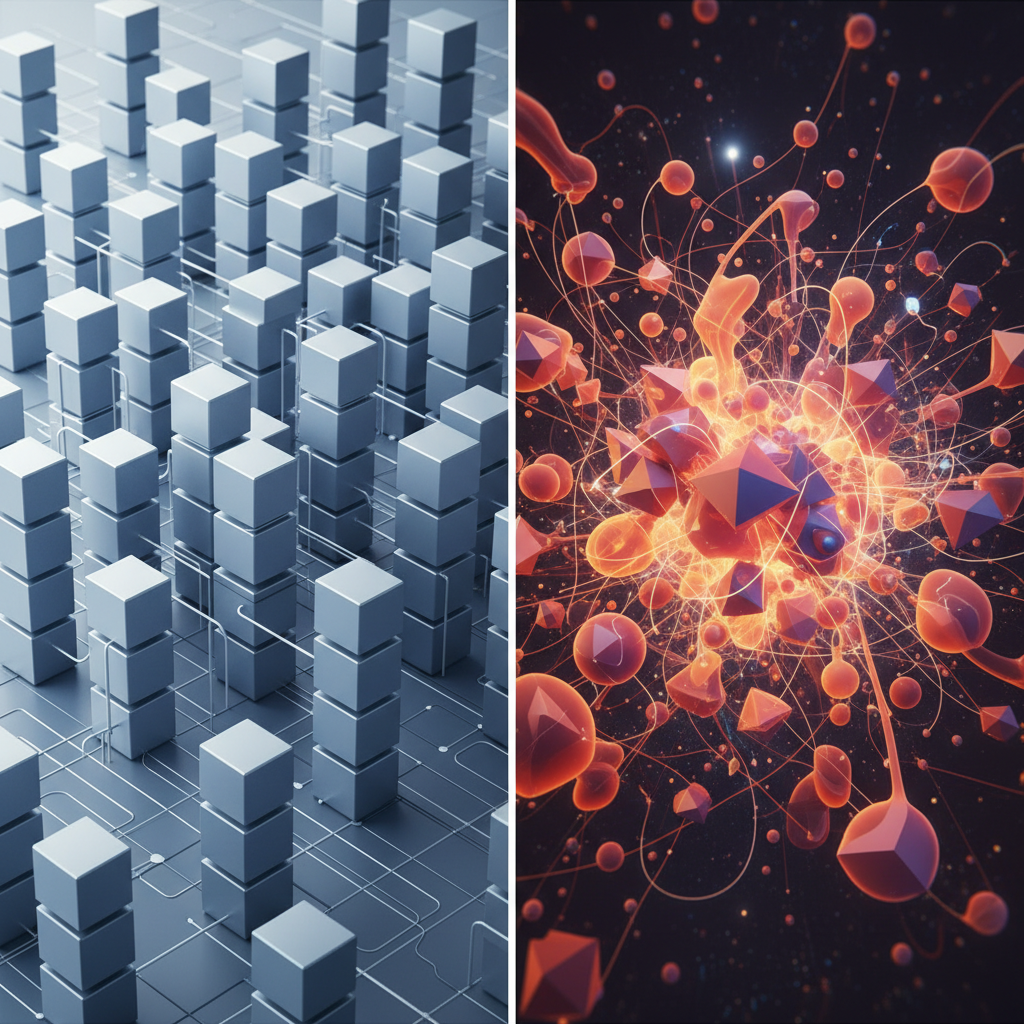
RDBMS (SQL)

• Tables with rows/columns
• Structured Data (Schema)
• Vertical Scaling
• Good for complex queries

Split screen illustration: Left side showing perfectly stacked organized boxes (structured), Right side showing a dynamic interconnected web of different shapes (unstructured), 3d render style

NoSQL

• Document, Key-Value, Graph
• Unstructured/Semi-structured
• Horizontal Scaling
• Good for Hierarchical data

Made byBobr AI

ACID Properties

A

Atomicity: The entire transaction takes place at once or doesn't happen at all.

C

Consistency: The database must remain in a consistent state before and after the transaction.

I

Isolation: Multiple transactions occur independently without interference.

D

Durability: Changes of a successful transaction occur even if the system fails.

Made byBobr AI

Cloud Database Market Growth

Chart

Market Insight

The transition to DBaaS (Database as a Service) is driving exponential market growth, allowing enterprises to reduce infrastructure overhead.

Made byBobr AI
Cybersecurity concept, digital shield protecting database server rack from red glitchy code attacks, 3d render, dark tech style

Security Challenges

  • SQL Injection: Malicious code inserted into queries to manipulate data.
  • Data Breaches: Unauthorized access resulting in data leaks.
  • Insider Threats: Misuse of access privileges by internal users.
Made byBobr AI

Future: AI & Autonomous DBs

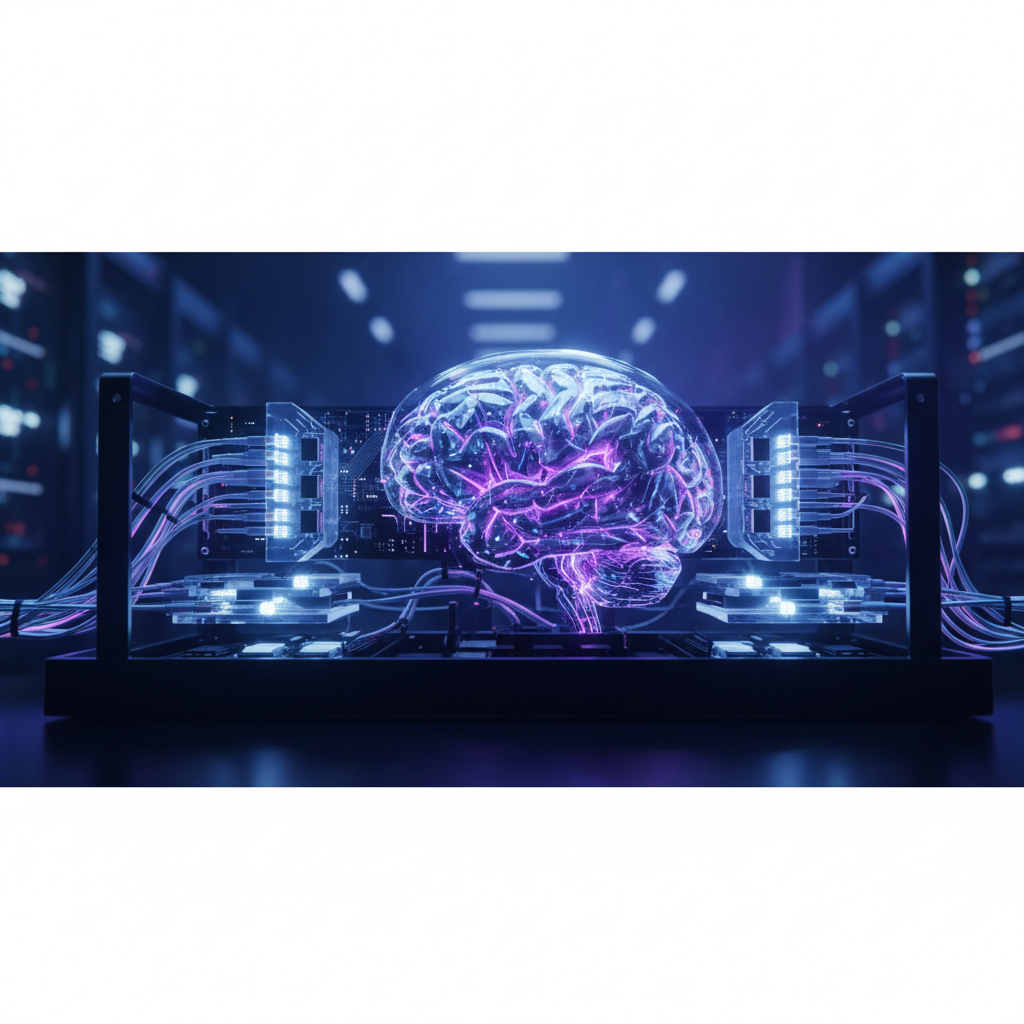
Self-Driving Databases

Machine learning algorithms that automatically tune performance, patch security, and manage backups without human intervention.

Futuristic concept of artificial intelligence brain integrated with server hardware, glowing neural pathways, cinematic blue and purple lighting

Vector Databases

Optimized storage for high-dimensional data, essential for powering Generative AI and Large Language Model applications.

Made byBobr AI

Conclusion

Database Management Systems are the backbone of modern applications. From traditional RDBMS to flexible NoSQL and autonomous cloud solutions, DBMS technology continues to evolve to meet the demands of big data and AI.

End of Presentation
Made byBobr AI
Bobr AI

DESIGNER-MADE
PRESENTATION,
GENERATED FROM
YOUR PROMPT

Create your own professional slide deck with real images, data charts, and unique design in under a minute.

Generate For Free

Mastering DBMS: Architecture, Trends & AI Future (2026)

Explore Database Management Systems: architecture, ACID properties, RDBMS vs. NoSQL, cloud market growth, and the rise of AI-powered autonomous databases.

Database Management Systems

Architecture, Evolution, and Market Trends

2026 Technical Overview

What is a DBMS?

A Database Management System (DBMS) is software that interacts with end-users, applications, and the database itself to capture and analyze data. It acts as an interface between the database and its users, ensuring data is consistently organized and easily accessible.

Core Components

Software

The DBMS operating system and utilities used to manage and control the database.

Hardware

Physical electronic devices like servers, storage drives, and network peripherals.

Data & Procedures

The raw facts stored in the database and the rules that govern the design and usage.

Popularity of Database Engines

Relational vs. NoSQL

RDBMS (SQL)

• Tables with rows/columns<br>• Structured Data (Schema)<br>• Vertical Scaling<br>• Good for complex queries

NoSQL

• Document, Key-Value, Graph<br>• Unstructured/Semi-structured<br>• Horizontal Scaling<br>• Good for Hierarchical data

ACID Properties

Atomicity: The entire transaction takes place at once or doesn't happen at all.

Consistency: The database must remain in a consistent state before and after the transaction.

Isolation: Multiple transactions occur independently without interference.

Durability: Changes of a successful transaction occur even if the system fails.

Cloud Database Market Growth

The transition to DBaaS (Database as a Service) is driving exponential market growth, allowing enterprises to reduce infrastructure overhead.

Security Challenges

SQL Injection: Malicious code inserted into queries to manipulate data.

Data Breaches: Unauthorized access resulting in data leaks.

Insider Threats: Misuse of access privileges by internal users.

Future: AI & Autonomous DBs

Self-Driving Databases

Machine learning algorithms that automatically tune performance, patch security, and manage backups without human intervention.

Vector Databases

Optimized storage for high-dimensional data, essential for powering Generative AI and Large Language Model applications.

Conclusion

Database Management Systems are the backbone of modern applications. From traditional RDBMS to flexible NoSQL and autonomous cloud solutions, DBMS technology continues to evolve to meet the demands of big data and AI.

  • dbms
  • sql
  • nosql
  • cloud-computing
  • ai-databases
  • data-security
  • technology-trends