







Made byBobr AI

Mastering DBMS: Architecture, Evolution, and Future Trends

Explore the evolution of database management systems, ACID properties, SQL vs NoSQL, and future trends like AI-driven and vector databases.

#dbms#database-management#sql-vs-nosql#acid-model#cloud-databases#vector-databases#data-architecture
Watch
Pitch
abstract 3d visualization of big data network, glowing blue connections, dark background, cinematic lighting, high tech concept

Database Management Systems

Architecture, Evolution, and Future Trends

Made byBobr AI

What is a DBMS?

A Database Management System (DBMS) is software that interacts with end-users, applications, and the database itself to capture and analyze data.

Acts as an intermediary layer between the OS and data.

Ensures data abstraction and independence.

isometric illustration of a central database server connected to various device nodes, clean minimalistic technological style, blue and white color palette
Made byBobr AI

Evolution of Data Storage

Era 1

1960s: Navigational DBMS (Hierarchical & Network Models)

Era 2

1970s: Relational Model (Ted Codd, SQL introduced)

Era 3

2000s: NoSQL Revolution (Scalability for Web 2.0)

Era 4

2020s: NewSQL & Vector Databases (AI Integration)

abstract timeline of technology hardware from punch cards to glowing holographic cloud servers, 3d render, evolution concept
Made byBobr AI

Most Popular Databases (2024 Developer Survey)

Chart

Source: Stack Overflow Developer Survey 2024 (Approximate figures)

Made byBobr AI

The ACID Model

Fundamental properties ensuring reliable database transactions.

A

Atomicity: All or nothing. The entire transaction takes place at once or doesn't happen at all.

C

Consistency: The database must go from one valid state to another valid state.

I

Isolation: Multiple transactions occur independently without interference.

D

Durability: Committed transactions are permanently saved, even in case of power loss.

Made byBobr AI

SQL vs. NoSQL

Relational (SQL)

Table-based, fixed schema, vertically scalable. Best for complex queries and multi-row transactions.

Non-Relational (NoSQL)

Document, key-value, or graph based. Dynamic schema, horizontally scalable. Best for unstructured data and rapid iteration.

split screen illustration, left side structured orderly spreadsheet grid blocks, right side flexible chaotic network nodes floating, blue and orange contrast
Made byBobr AI

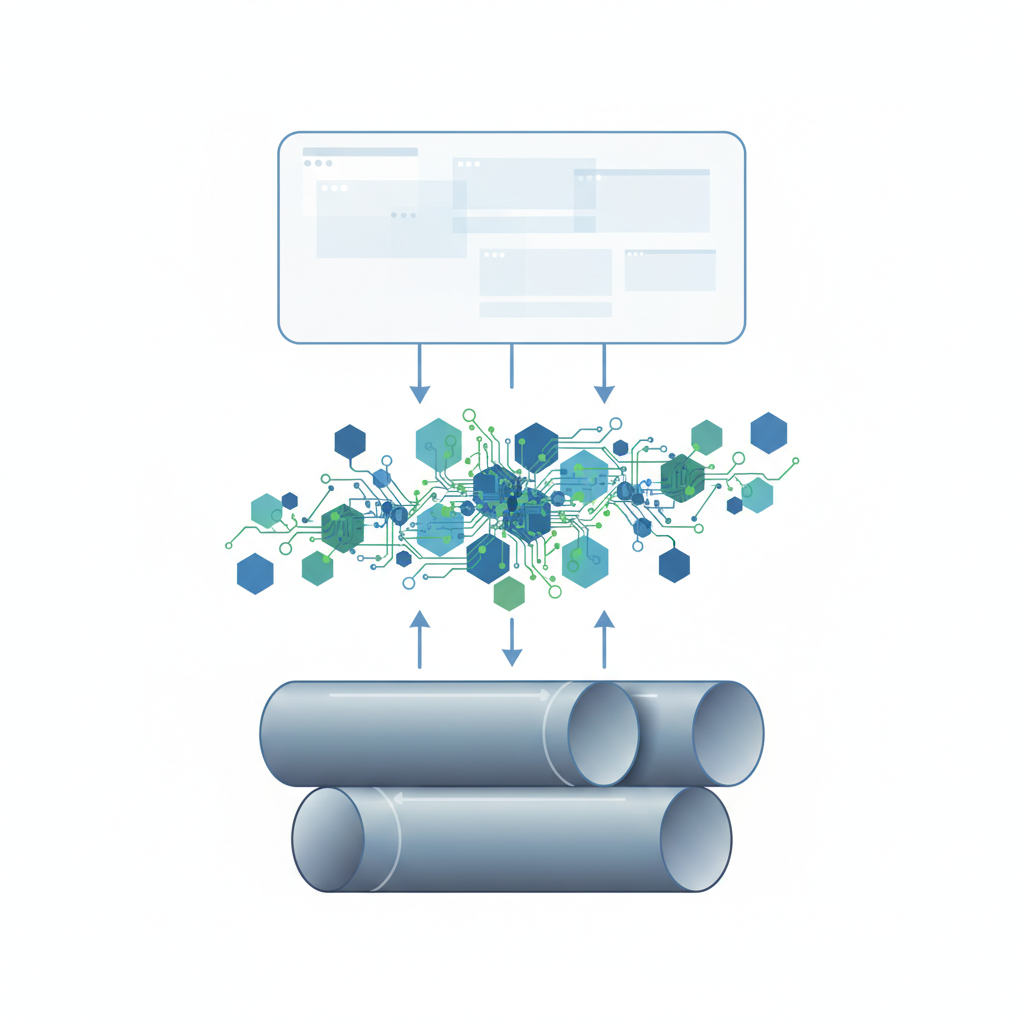
DBMS Architecture Layers

  • External Level (View Level): How users perceive the data.
  • Conceptual Level (Logical Level): How data is structured (tables, schemas).
  • Internal Level (Physical Level): How data is fundamentally stored.
diagram of three tier database architecture, user interface at top, logical middle layer, physical storage cylinders at bottom, data flow arrows, vector style
Made byBobr AI

Data Security & Integrity

🔒 Access Control: Role-based permissions (RBAC).
🔑 Encryption: Data at rest (disk) and in transit (network).
📋 Auditing: Logging user activities for compliance.
💾 Backup & Recovery: Protecting against data loss.
cybersecurity concept, digital padlock interacting with binary code shield, glowing blue, secure server environment
Made byBobr AI

Cloud Database Systems

The modern standard for database deployment is moving to the cloud.

DBaaS (Database as a Service)

Providers handle patching, backups, and scaling (e.g., AWS RDS, Azure SQL).

Elastic Scalability

Automatically adjust resources based on traffic spikes instantly.

futuristic cloud server illustration, floating server racks in cumulus clouds, digital connections to globe, high tech blue aesthetics
Made byBobr AI

The Future of DBMS

AI-Driven Databases: Autonomous tuning, indexing, and security patching.

Vector Databases: Specialized storage for high-dimensional vectors to power LLMs and RAG.

Serverless Data: Pricing by query/request rather than provisioned storage.

brain represented as digital network nodes, artificial intelligence database concept, glowing neural pathways, dark futuristic background
Made byBobr AI
Bobr AI

DESIGNER-MADE
PRESENTATION,
GENERATED FROM
YOUR PROMPT

Create your own professional slide deck with real images, data charts, and unique design in under a minute.

Generate For Free

Mastering DBMS: Architecture, Evolution, and Future Trends

Explore the evolution of database management systems, ACID properties, SQL vs NoSQL, and future trends like AI-driven and vector databases.

Database Management Systems

Architecture, Evolution, and Future Trends

What is a DBMS?

A Database Management System (DBMS) is software that interacts with end-users, applications, and the database itself to capture and analyze data.

Acts as an intermediary layer between the OS and data.

Ensures data abstraction and independence.

Evolution of Data Storage

1960s: Navigational DBMS (Hierarchical & Network Models)

1970s: Relational Model (Ted Codd, SQL introduced)

2000s: NoSQL Revolution (Scalability for Web 2.0)

2020s: NewSQL & Vector Databases (AI Integration)

Most Popular Databases (2024 Developer Survey)

The ACID Model

Fundamental properties ensuring reliable database transactions.

Atomicity: All or nothing. The entire transaction takes place at once or doesn't happen at all.

Consistency: The database must go from one valid state to another valid state.

Isolation: Multiple transactions occur independently without interference.

Durability: Committed transactions are permanently saved, even in case of power loss.

SQL vs. NoSQL

Relational (SQL)

Table-based, fixed schema, vertically scalable. Best for complex queries and multi-row transactions.

Non-Relational (NoSQL)

Document, key-value, or graph based. Dynamic schema, horizontally scalable. Best for unstructured data and rapid iteration.

DBMS Architecture Layers

External Level (View Level): How users perceive the data.

Conceptual Level (Logical Level): How data is structured (tables, schemas).

Internal Level (Physical Level): How data is fundamentally stored.

Data Security & Integrity

Access Control: Role-based permissions (RBAC).

Encryption: Data at rest (disk) and in transit (network).

Auditing: Logging user activities for compliance.

Backup & Recovery: Protecting against data loss.

Cloud Database Systems

The modern standard for database deployment is moving to the cloud.

DBaaS (Database as a Service)

Providers handle patching, backups, and scaling (e.g., AWS RDS, Azure SQL).

Elastic Scalability

Automatically adjust resources based on traffic spikes instantly.

The Future of DBMS

AI-Driven Databases: Autonomous tuning, indexing, and security patching.

Vector Databases: Specialized storage for high-dimensional vectors to power LLMs and RAG.

Serverless Data: Pricing by query/request rather than provisioned storage.

  • dbms
  • database-management
  • sql-vs-nosql
  • acid-model
  • cloud-databases
  • vector-databases
  • data-architecture