







ICF Model in Physiotherapy: Frozen Shoulder Case Study
Learn how to apply the ICF framework for adhesive capsulitis medical management, including body functions, activity limitations, and treatment strategies.
Case Study: Physiotherapy & The ICF Model
63-Year-Old Female: Suspected Adhesive Capsulitis
The ICF Model Framework
Body Functions (Physiological) & Structures (Anatomical)
Activities: Execution of tasks by an individual
Participation: Involvement in life situations
Contextual Factors: Environmental and Personal
Patient Profile & History
A 63-year-old female presents with progressive shoulder pain following a minor fall 3 months ago. Initial X-rays were inconclusive for fracture. She now reports significant stiffness, inability to sleep on the affected side, and a 'blocking' sensation during movement.
ICF: Body Functions & Structures
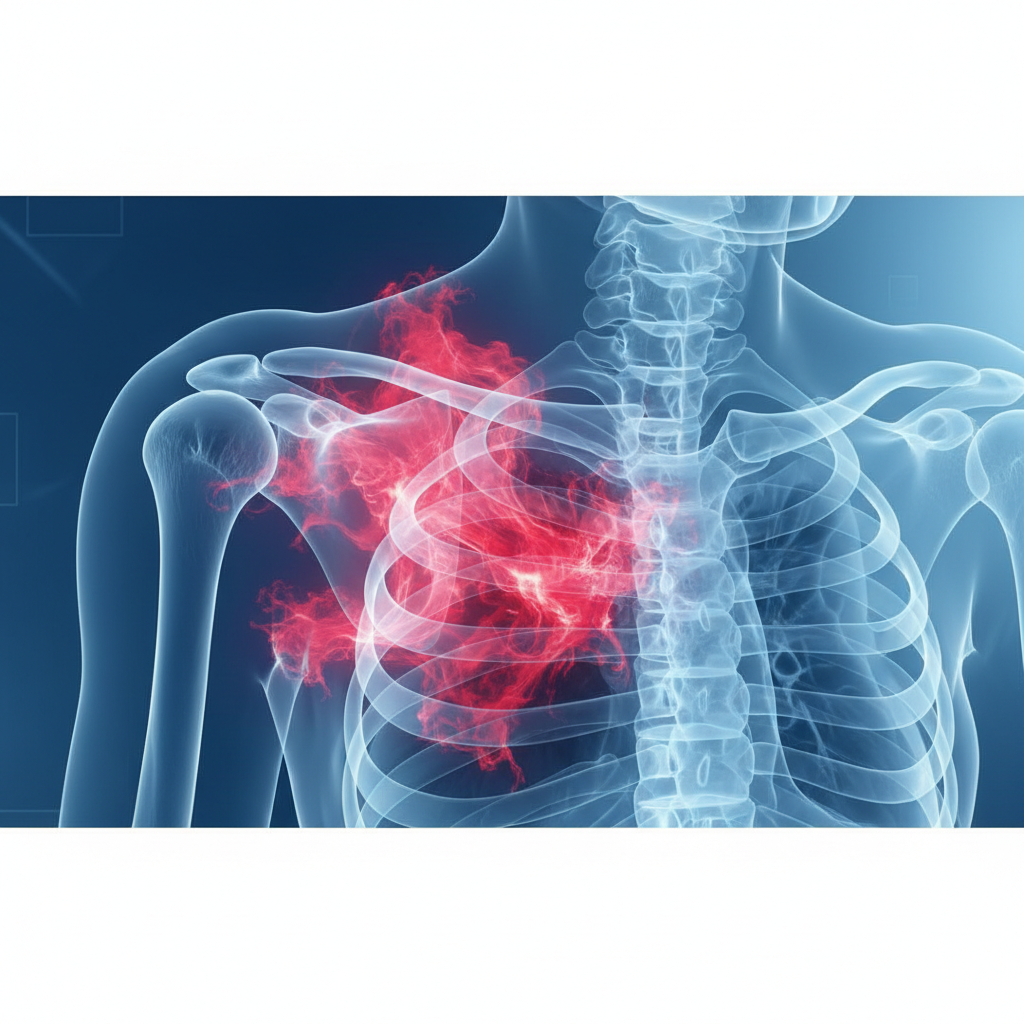
Glenohumeral Joint: Significant loss of passive external rotation.
Pain: Rated 7/10 at rest, 9/10 at end range. Night pain prevalent.
Structure: Fibrosis and thickening of the joint capsule (Adhesive Capsulitis).
ICF: Activity Limitations
Inability to reach overhead (e.g., reaching high shelves).
Difficulty dressing upper body, specifically fastening bras or putting on coats.
Limited grooming ability (combing hair, washing back).
ICF: Participation Restrictions
Hobbies: Ceased gardening due to pain with repetitive movement.
Family Role: Unable to lift grandchildren.
Social: Avoids crowded places/transport due to fear of jostling the arm.
Environmental & Personal Factors
Personal: High motivation to recover, non-smoker (facilitator), but high anxiety about pain (barrier).
Environmental: Supportive spouse assists with driving (facilitator). Home has high cabinets requiring reaching (barrier).
Natural History: Phases of Frozen Shoulder
ICF-Based Treatment Strategy
Addressing Body Functions: - Gentle manual therapy for pain gating - Corticosteroid injection referral (medical) - Pendulum exercises
Addressing Activity/Participation: - ADL modification (dressing aids) - Graded exposure to reaching tasks - Education on recovery timeline
Conclusion & Prognosis
Using the ICF model helps create a comprehensive physiotherapy plan that addresses not just the 'frozen shoulder', but the person living with it. Prognosis is good for full return to gardening and family activities within 12-18 months.
- physiotherapy
- icf-model
- frozen-shoulder
- adhesive-capsulitis
- rehabilitation
- case-study
- sports-medicine