
Made byBobr AI

Lower Limb Anatomy: Muscles, Origins, and Functions

A comprehensive guide to lower limb muscles, covering the hip, thigh, leg, and foot with detailed origin and insertion points for students and clinicians.

#anatomy#lower-limb#muscle-physiology#hip-muscles#quadriceps#hamstrings#medical-education#kinesiology
Watch
Pitch
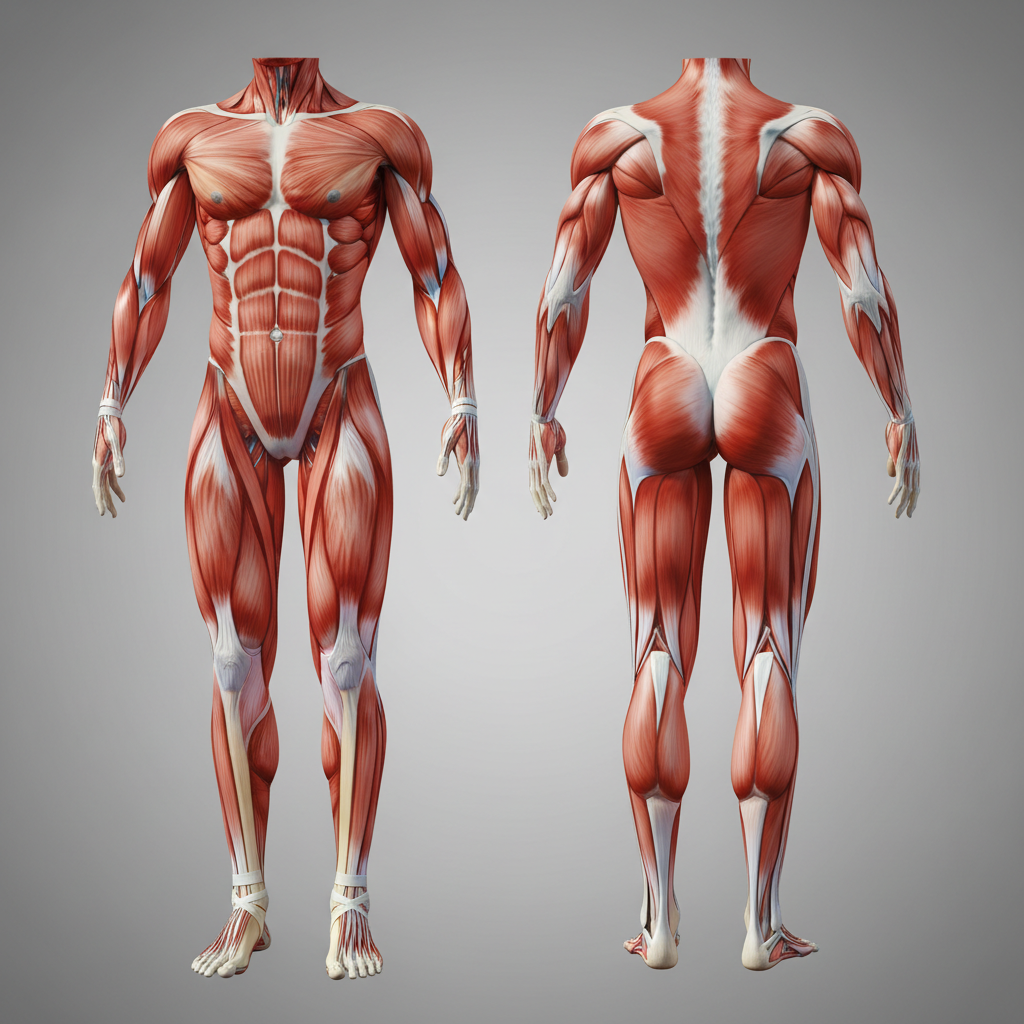
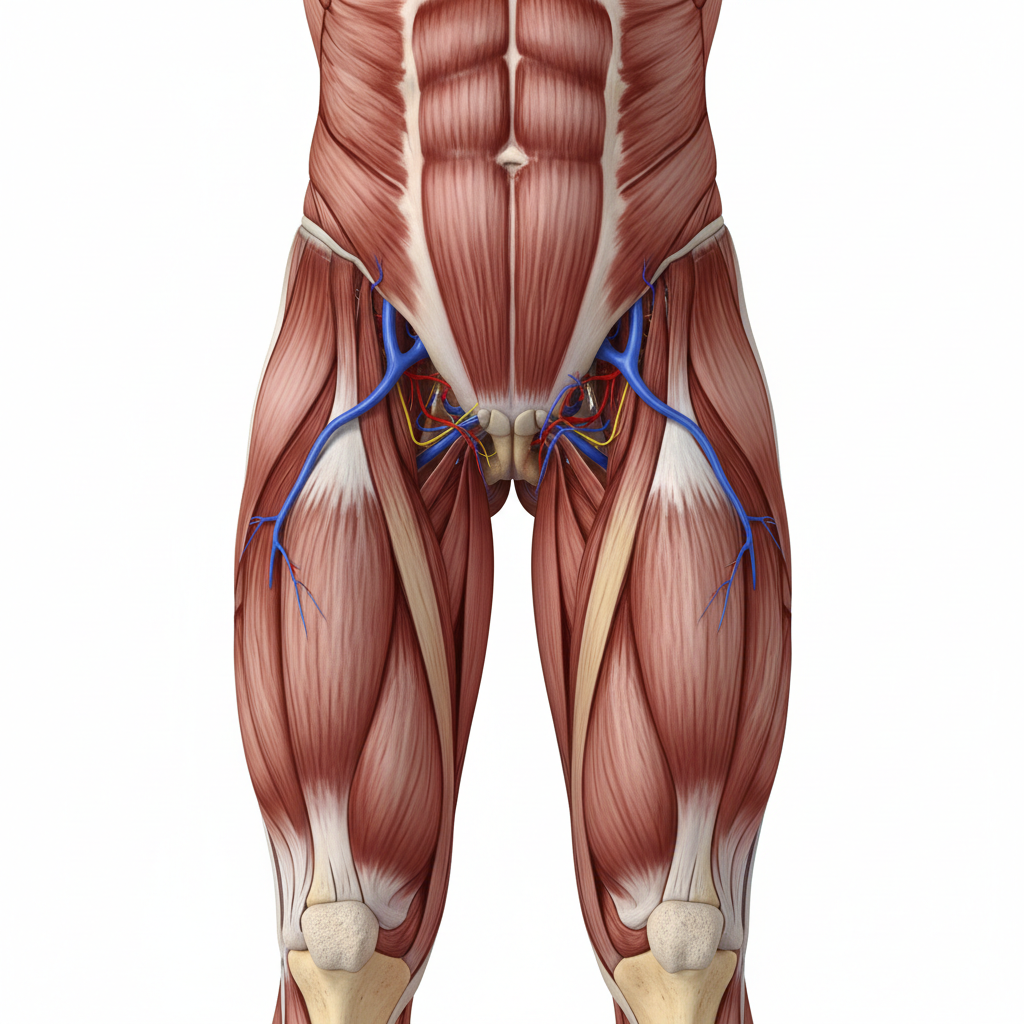
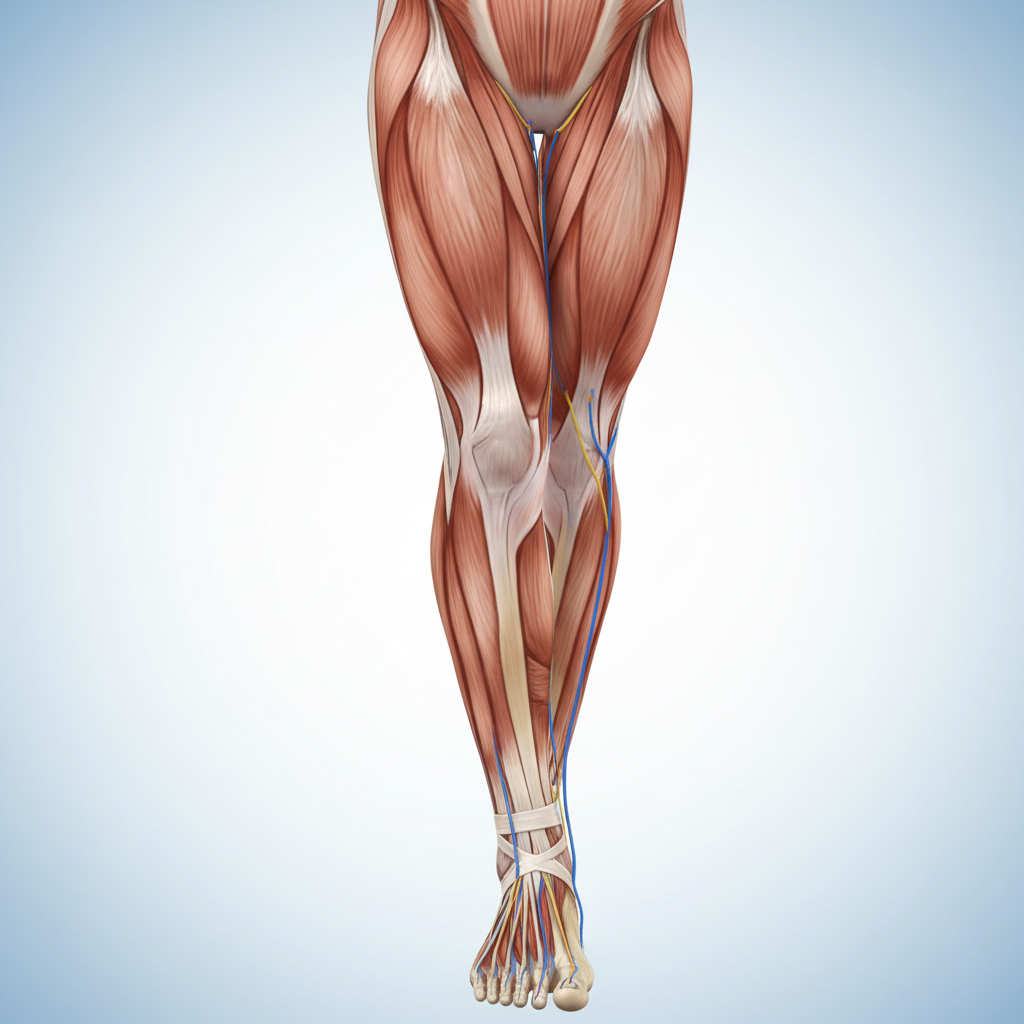
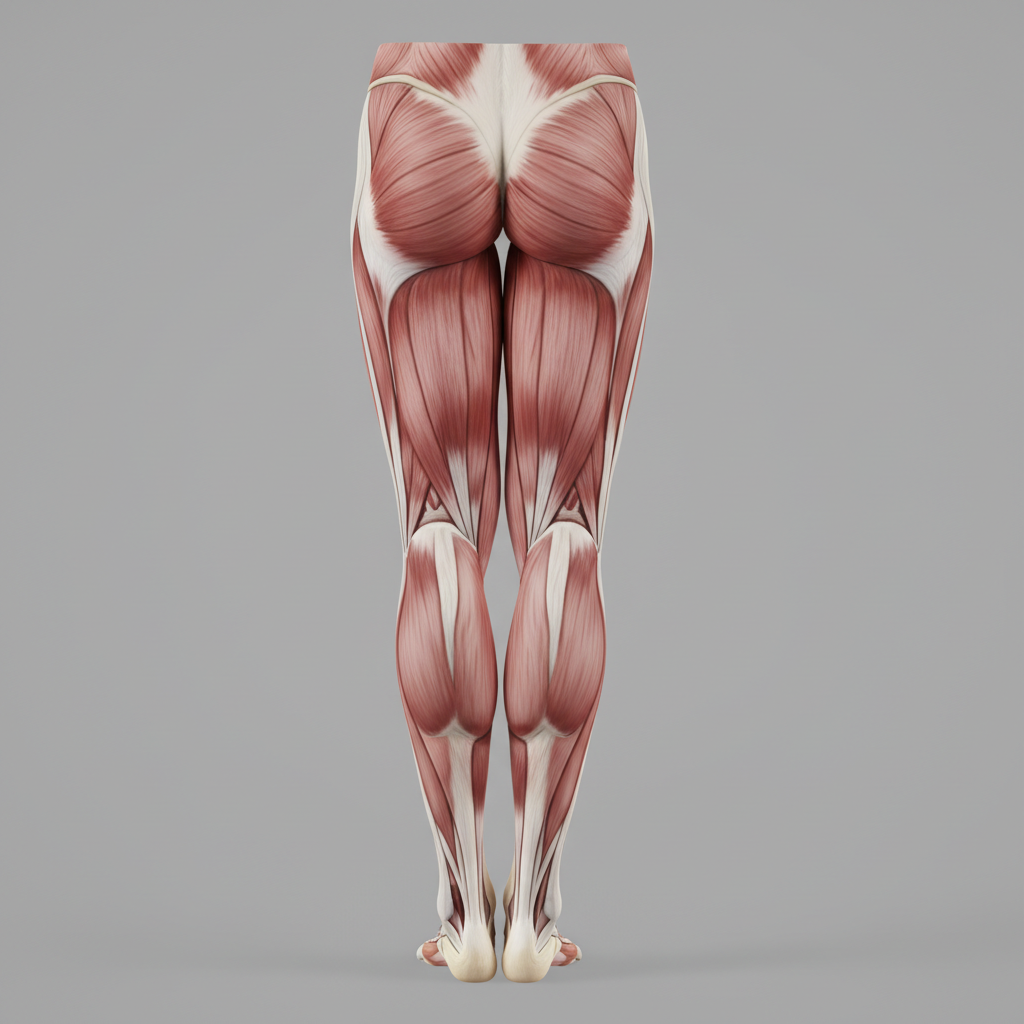
Medical illustration of the complete human lower limb muscular system, anterior and posterior views, isolated against a studio lighting background, high detail anatomical accuracy, 3d render style

Comprehensive Breakdown of Lower Limb Muscles

An Overview of Anatomy and Function

Made byBobr AI

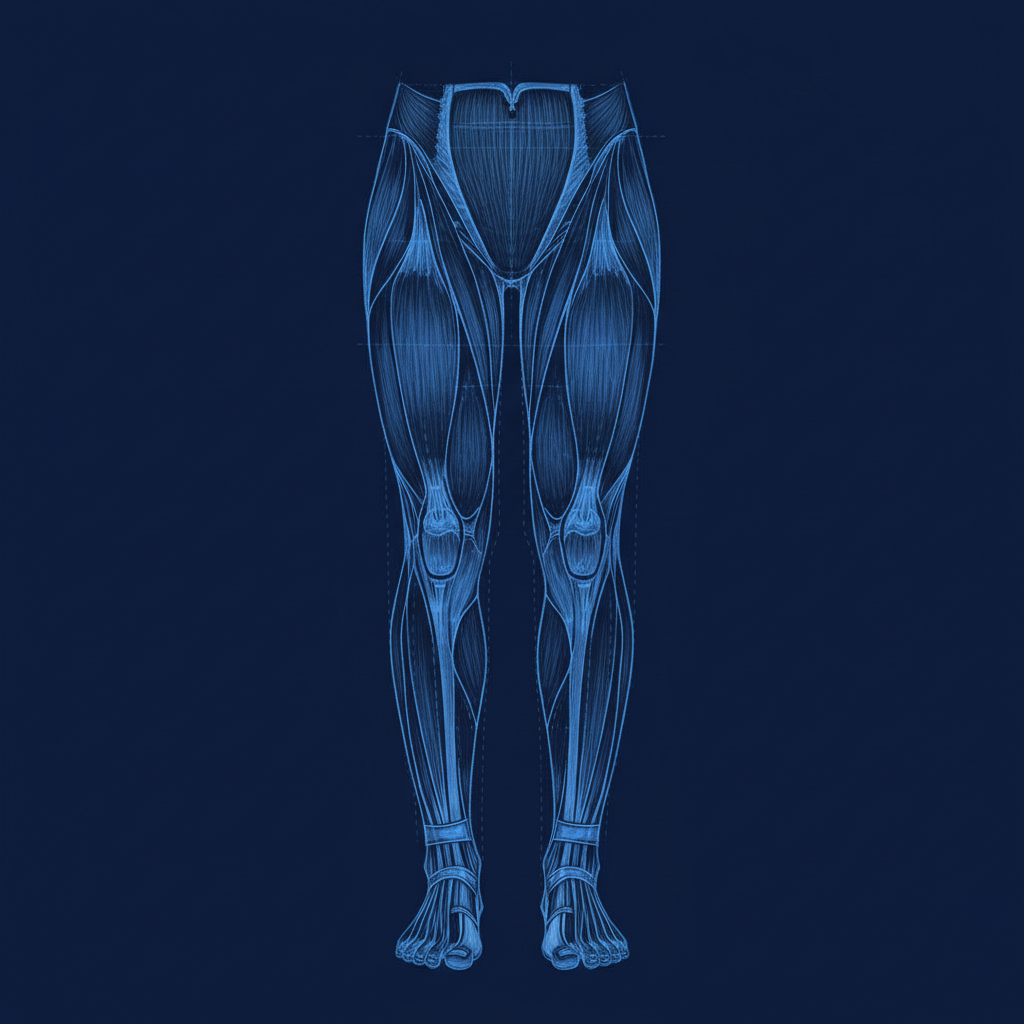
Presentation Outline

  • 1. Hip Muscles
  • 2. Thigh Muscles
  • 3. Leg Muscles
  • 4. Foot Muscles
Minimalist medical sketch of human legs demonstrating muscle zones, blueprint style, dark blue background
Made byBobr AI

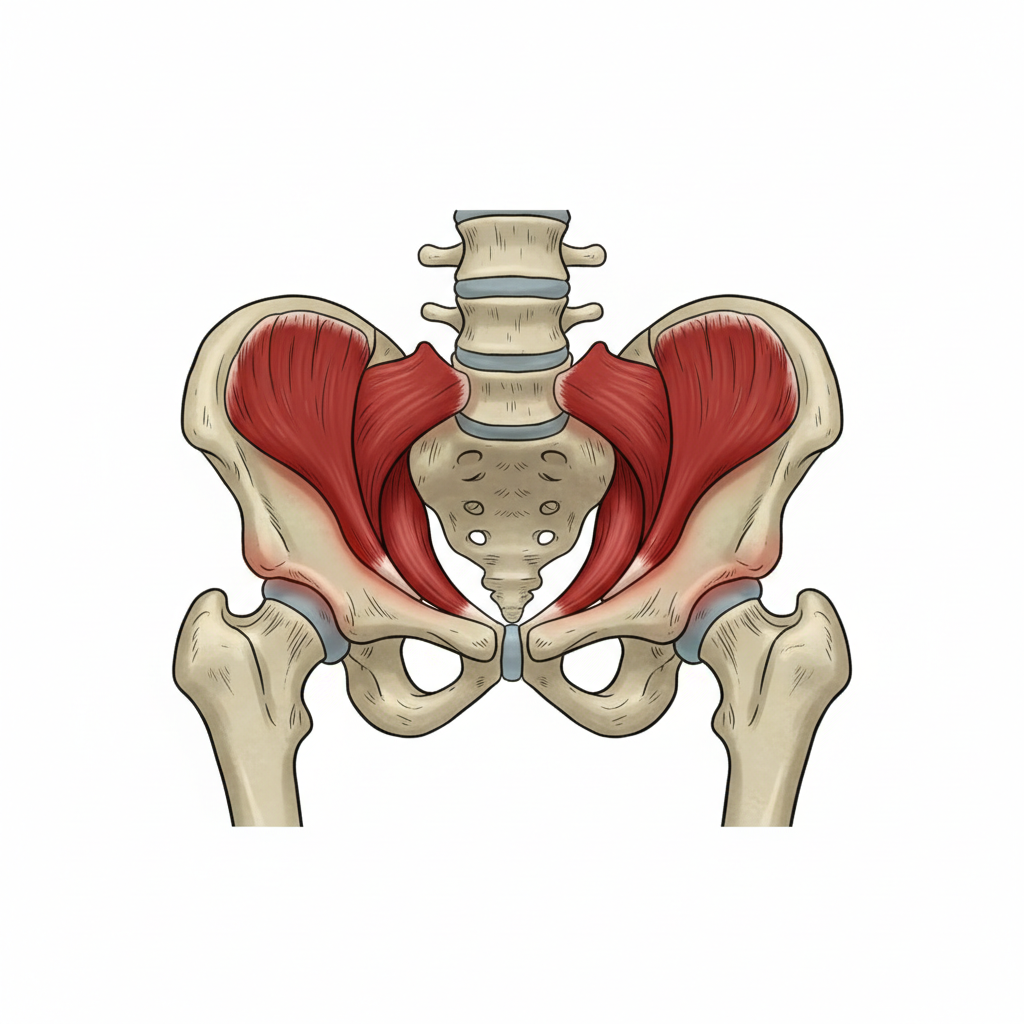
Hip Muscles: Flexors

Iliopsoas

Origin: Iliac fossa and lumbar vertebrae
Insertion: Lesser trochanter of the femur

Rectus Femoris

Origin: Anterior inferior iliac spine (AIIS)
Insertion: Tibial tuberosity via the patellar tendon

Detailed medical illustration of the Iliopsoas and Rectus Femoris muscles, anterior view of the hip and thigh, highlighting muscle attachments on white background
Made byBobr AI

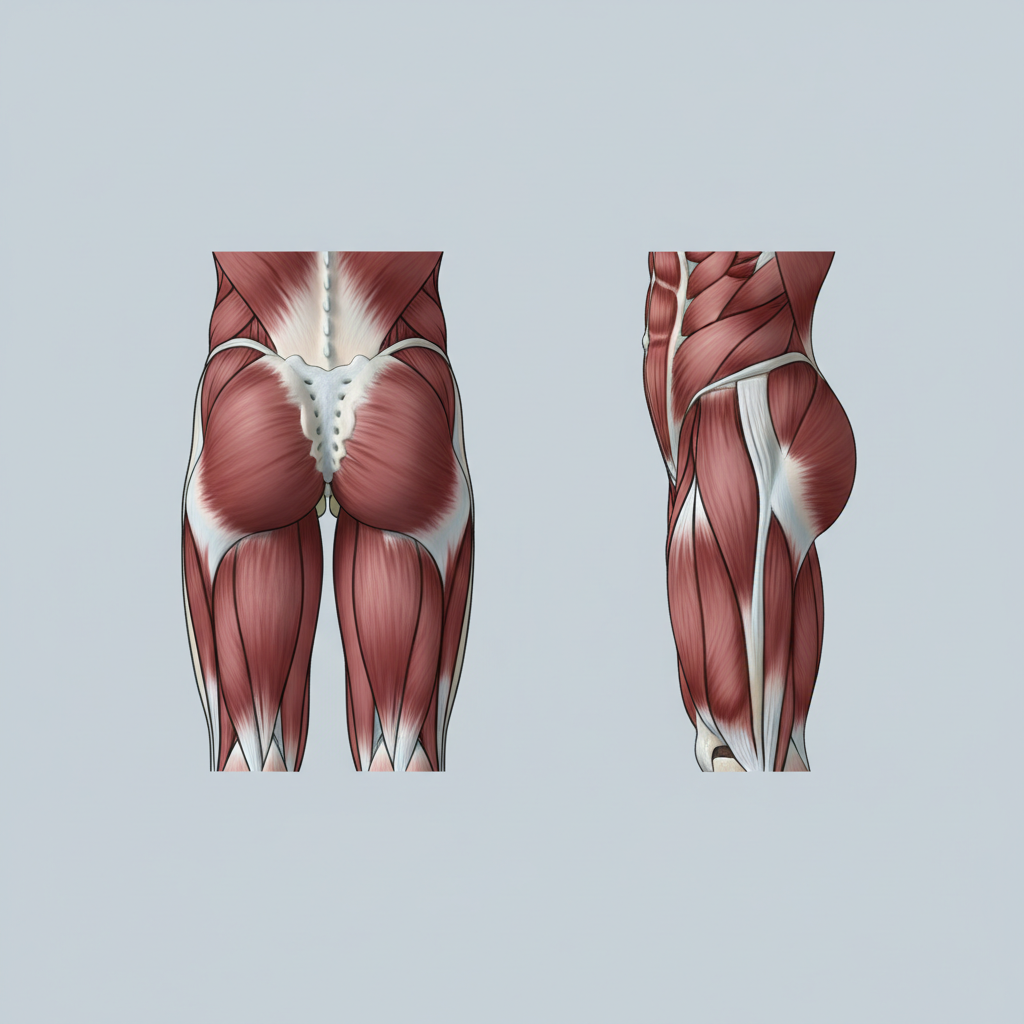
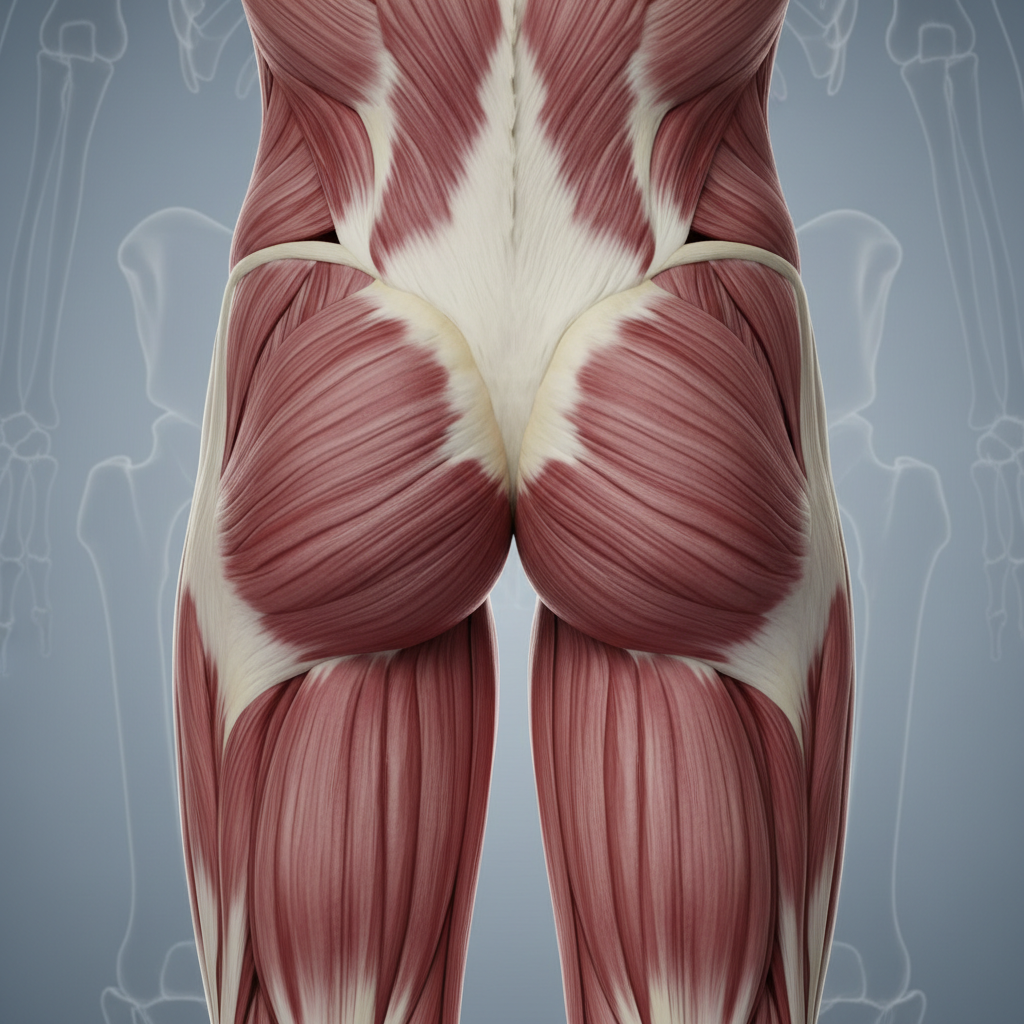
Hip Muscles: Extensors & Abductors

Hip Extensors

Gluteus Maximus: Origin from posterior iliac crest, sacrum, coccyx. Inserts at gluteal tuberosity and iliotibial tract.

Hip Abductors

Gluteus Medius: Origin from iliac crest/outer ilium. Inserts at greater trochanter.
Gluteus Minimus: Origin from outer ilium. Inserts at greater trochanter.
Anatomical poster style illustration of Gluteal muscles (Maximus, Medius, Minimus), posterior and lateral views, realistic medical shading
Made byBobr AI

Hip Muscles: The Adductors

Adductor Magnus
Origin: Ischium and pubis
Insertion: Linea aspera of the femur
Adductor Longus
Origin: Pubis
Insertion: Middle third of the linea aspera
Adductor Brevis
Origin: Pubis
Insertion: Superior part of the linea aspera
Anterior view of the thigh focusing on the adductor magnus, longus, and brevis muscles, medical anatomy style, white background
Made byBobr AI

Hip Muscles: Rotators

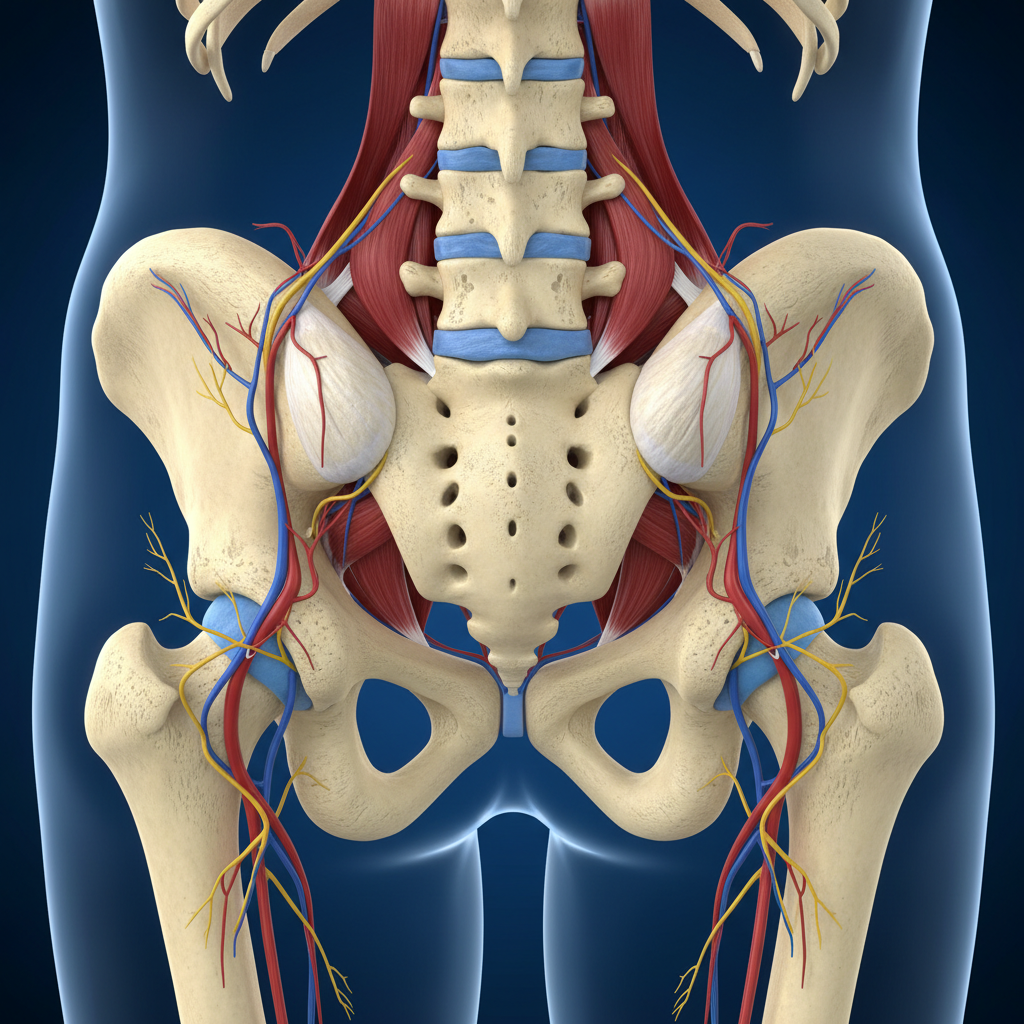
PiriformisOrigin: Anterior sacrum / Insertion: Greater trochanter
Obturator InternusOrigin: Inner obturator membrane / Insertion: Greater trochanter
Gemellus Superior & InferiorOrigin: Ischial spine/tuberosity / Insertion: Greater trochanter
Quadratus FemorisOrigin: Ischial tuberosity / Insertion: Intertrochanteric crest
Deep anatomical view of the posterior hip joint showing small rotator muscles (Pisiformis, Gemelli, Obturator, Quadratus femoris), realistic style
Made byBobr AI

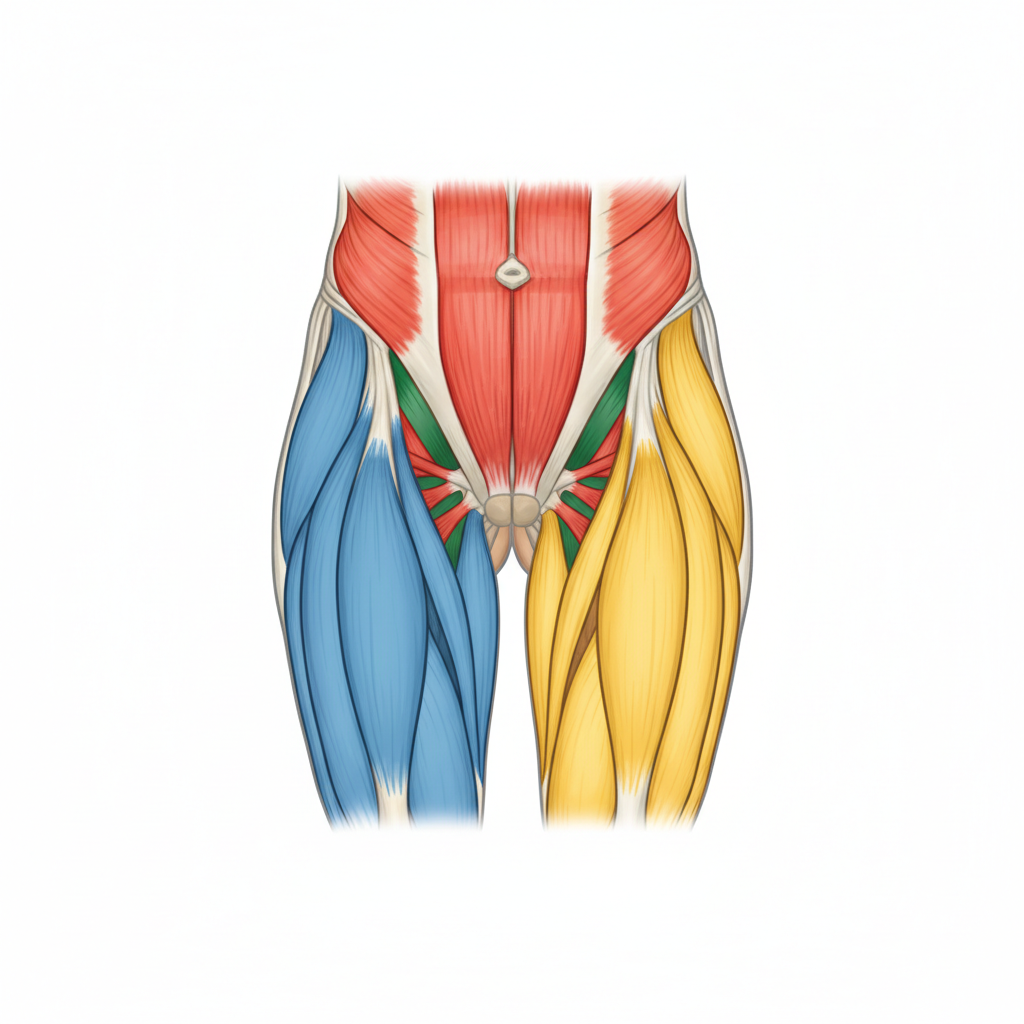
Thigh Muscles: Quadriceps The Knee Extensors

Rectus Femoris
Origin: AIIS
Insertion: Tibial Tuberosity
Vastus Lateralis
Origin: Greater Trochanter
Insertion: Tibial Tuberosity
Vastus Medialis
Origin: Medial Linea Aspera
Insertion: Tibial Tuberosity
Vastus Intermedius
Origin: Femoral Shaft
Insertion: Tibial Tuberosity
Anterior view anatomical diagram of the Quadriceps Femoris group, separate colors for each muscle head
Made byBobr AI

Thigh Muscles: Hamstrings

The Knee Flexors

Biceps Femoris

Origin: Ischial tuberosity & Linea aspera Insertion: Head of the fibula

Semitendinosus

Origin: Ischial tuberosity Insertion: Proximal tibia (pes anserinus)

Semimembranosus

Origin: Ischial tuberosity Insertion: Medial condyle of the tibia

Posterior view of the thigh showing the Hamstrings group (Biceps femoris, Semitendinosus, Semimembranosus), detailed muscle strands, medical style
Made byBobr AI

Leg Muscles: Anterior Compartment

Dorsiflexors

Tibialis Anterior

Lateral condyle/tibia → Medial cuneiform/1st metatarsal

Extensor Hallucis Longus

Middle fibula → Big toe distal phalanx

Extensor Digitorum Longus

Lat. condyle/fibula → Toes 2-5 phalanges

Anterior view of the lower leg (shin), showing Tibialis anterior and extensor muscles, medical illustration style
Made byBobr AI

Leg Muscles: Lateral & Posterior

Lateral (Evertors)

• Fibularis Longus
• Fibularis Brevis

Posterior (Plantar Flexors)

• Gastrocnemius (Two heads)
• Soleus (Deep to gastrocnemius)
• Tibialis Posterior (Deepest)

Posterior view of lower leg showing Calf muscles (Gastrocnemius and Soleus) and Achilles tendon, detailed anatomy
Made byBobr AI

Foot Muscles: Intrinsic Group

Flexor Hallucis Brevis

Cuboid/cuneiforms → Big toe proximal phalanx

Flexor Digitorum Brevis

Calcaneus → Middle phalanges 2-5

Abductor Hallucis

Calcaneus → Medial base of big toe

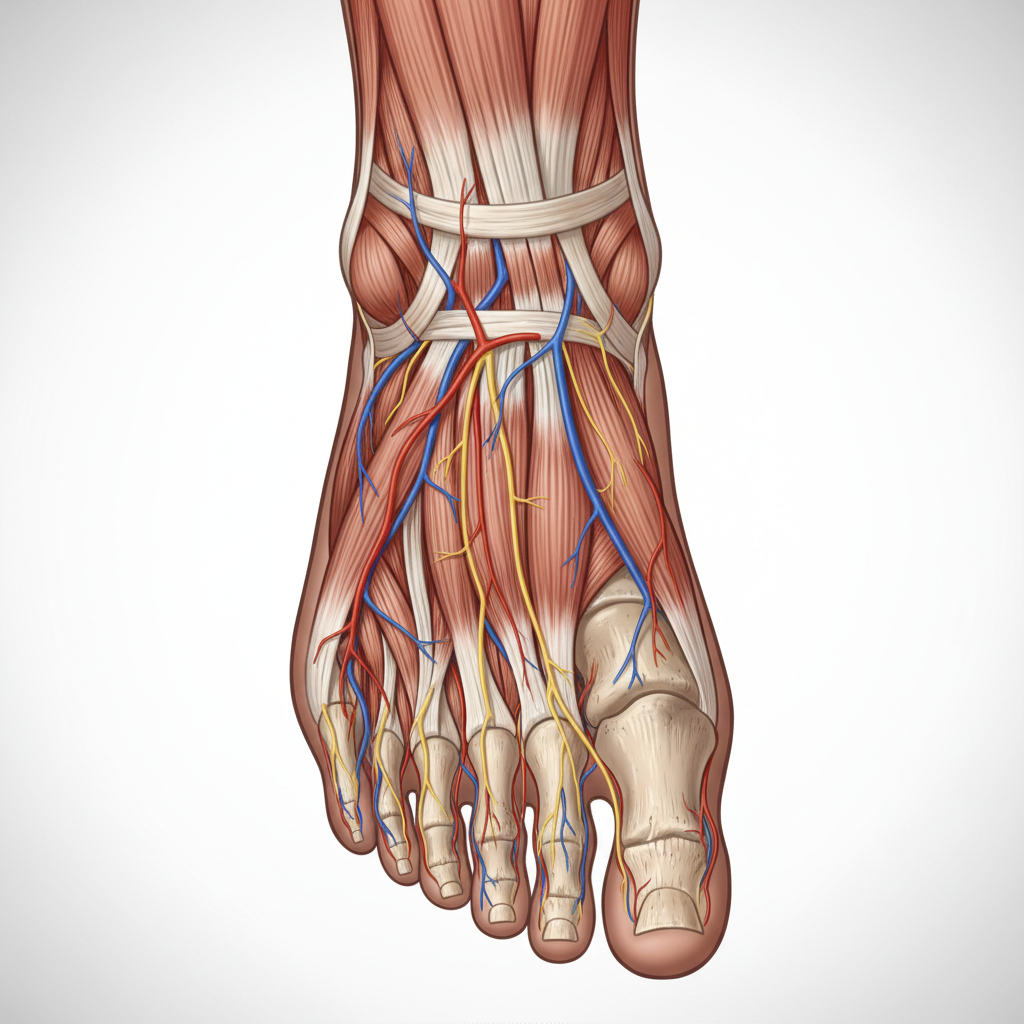
Sole of the foot (plantar view) showing intrinsic muscle layers, medical illustration, highly detailed
Made byBobr AI

Conclusion

The lower limb requires a complex interplay of hip, thigh, leg, and foot muscles to maintain stability and facilitate locomotion. Understanding these origins, insertions, and compartments is crucial for clinical diagnosis and rehabilitation.

Professional medical office setting with a 3D anatomical model of a leg on a desk, warm lighting, photorealistic 8k
Made byBobr AI
Bobr AI

DESIGNER-MADE
PRESENTATION,
GENERATED FROM
YOUR PROMPT

Create your own professional slide deck with real images, data charts, and unique design in under a minute.

Generate For Free

Lower Limb Anatomy: Muscles, Origins, and Functions

A comprehensive guide to lower limb muscles, covering the hip, thigh, leg, and foot with detailed origin and insertion points for students and clinicians.

Comprehensive Breakdown of Lower Limb Muscles

An Overview of Anatomy and Function

Presentation Outline

1. Hip Muscles

2. Thigh Muscles

3. Leg Muscles

4. Foot Muscles

Hip Muscles: Flexors

Iliopsoas

<b>Origin:</b> Iliac fossa and lumbar vertebrae<br><b>Insertion:</b> Lesser trochanter of the femur

Rectus Femoris

<b>Origin:</b> Anterior inferior iliac spine (AIIS)<br><b>Insertion:</b> Tibial tuberosity via the patellar tendon

Hip Muscles: Extensors & Abductors

Hip Extensors

<b>Gluteus Maximus:</b> Origin from posterior iliac crest, sacrum, coccyx. Inserts at gluteal tuberosity and iliotibial tract.

Hip Abductors

<b>Gluteus Medius:</b> Origin from iliac crest/outer ilium. Inserts at greater trochanter.

<b>Gluteus Minimus:</b> Origin from outer ilium. Inserts at greater trochanter.

Hip Muscles: The Adductors

<strong style='color:#0052cc; font-size:32px;'>Adductor Magnus</strong><br>Origin: Ischium and pubis<br>Insertion: Linea aspera of the femur

<strong style='color:#0052cc; font-size:32px;'>Adductor Longus</strong><br>Origin: Pubis<br>Insertion: Middle third of the linea aspera

<strong style='color:#0052cc; font-size:32px;'>Adductor Brevis</strong><br>Origin: Pubis<br>Insertion: Superior part of the linea aspera

Hip Muscles: Rotators

<div style='margin-bottom:20px;'><strong style='color:#0052cc; display:block; margin-bottom:5px;'>Piriformis</strong>Origin: Anterior sacrum / Insertion: Greater trochanter</div><div style='margin-bottom:20px;'><strong style='color:#0052cc; display:block; margin-bottom:5px;'>Obturator Internus</strong>Origin: Inner obturator membrane / Insertion: Greater trochanter</div><div style='margin-bottom:20px;'><strong style='color:#0052cc; display:block; margin-bottom:5px;'>Gemellus Superior & Inferior</strong>Origin: Ischial spine/tuberosity / Insertion: Greater trochanter</div><div><strong style='color:#0052cc; display:block; margin-bottom:5px;'>Quadratus Femoris</strong>Origin: Ischial tuberosity / Insertion: Intertrochanteric crest</div>

Thigh Muscles: Quadriceps

The Knee Extensors

<b>Rectus Femoris</b><br>Origin: AIIS<br>Insertion: Tibial Tuberosity

<b>Vastus Lateralis</b><br>Origin: Greater Trochanter<br>Insertion: Tibial Tuberosity

<b>Vastus Medialis</b><br>Origin: Medial Linea Aspera<br>Insertion: Tibial Tuberosity

<b>Vastus Intermedius</b><br>Origin: Femoral Shaft<br>Insertion: Tibial Tuberosity

Thigh Muscles: Hamstrings

The Knee Flexors

Biceps Femoris

Origin: Ischial tuberosity & Linea aspera Insertion: Head of the fibula

Semitendinosus

Origin: Ischial tuberosity Insertion: Proximal tibia (pes anserinus)

Semimembranosus

Origin: Ischial tuberosity Insertion: Medial condyle of the tibia

Leg Muscles: Anterior Compartment

Dorsiflexors

<div style='background:white; padding:25px; margin-bottom:20px; border-radius:8px;'><h3 style='margin:0 0 10px 0; color:#0052cc;'>Tibialis Anterior</h3><p style='margin:0; color:#555;'>Lateral condyle/tibia &rarr; Medial cuneiform/1st metatarsal</p></div><div style='background:white; padding:25px; margin-bottom:20px; border-radius:8px;'><h3 style='margin:0 0 10px 0; color:#0052cc;'>Extensor Hallucis Longus</h3><p style='margin:0; color:#555;'>Middle fibula &rarr; Big toe distal phalanx</p></div><div style='background:white; padding:25px; border-radius:8px;'><h3 style='margin:0 0 10px 0; color:#0052cc;'>Extensor Digitorum Longus</h3><p style='margin:0; color:#555;'>Lat. condyle/fibula &rarr; Toes 2-5 phalanges</p></div>

Leg Muscles: Lateral & Posterior

Lateral (Evertors)

• Fibularis Longus<br>• Fibularis Brevis

Posterior (Plantar Flexors)

• Gastrocnemius (Two heads)<br>• Soleus (Deep to gastrocnemius)<br>• Tibialis Posterior (Deepest)

Foot Muscles: Intrinsic Group

Flexor Hallucis Brevis

Cuboid/cuneiforms &rarr; Big toe proximal phalanx

Flexor Digitorum Brevis

Calcaneus &rarr; Middle phalanges 2-5

Abductor Hallucis

Calcaneus &rarr; Medial base of big toe

Conclusion

The lower limb requires a complex interplay of hip, thigh, leg, and foot muscles to maintain stability and facilitate locomotion. Understanding these origins, insertions, and compartments is crucial for clinical diagnosis and rehabilitation.

  • anatomy
  • lower-limb
  • muscle-physiology
  • hip-muscles
  • quadriceps
  • hamstrings
  • medical-education
  • kinesiology