



Probiotic Strains, Taxonomy, and Health Benefits Summary
Learn about probiotic taxonomy, specific market strains like NCFM and GG, and the biological mechanisms of gut health and next-gen probiotics.
Probiotic Bacteria & Biological Processes
Taxonomy, Market Strains, and Health Mechanisms
What are Probiotics? The Taxonomy
Probiotics are beneficial microorganisms classified by a specific hierarchy. Marketing claims often rely on the specific 'Strain' rather than just the species, as benefits are strain-specific.
Genus (e.g., Lactobacillus)
Species (e.g., acidophilus)
Strain (e.g., NCFM®)
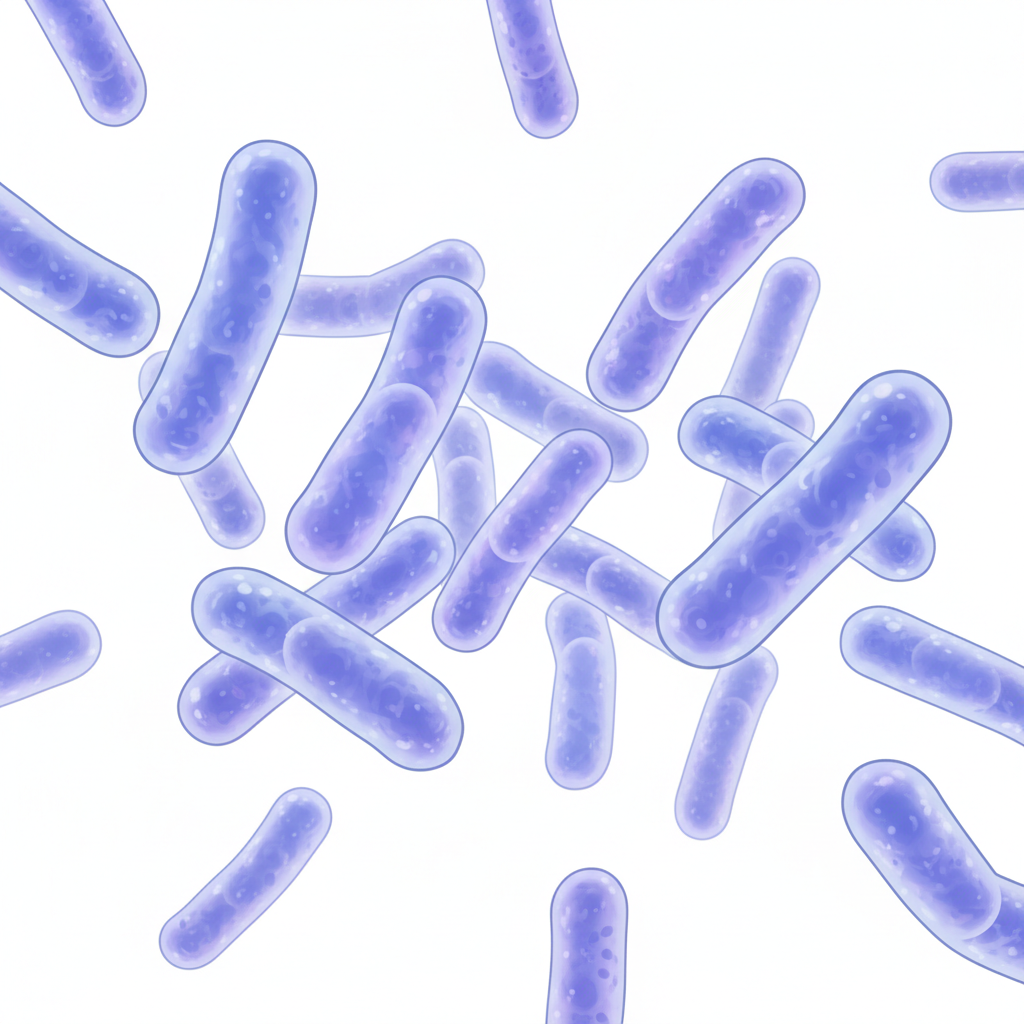
Major Probiotic Genera: Lactobacillus
Common Species: acidophilus, plantarum, reuteri, casei, paracasei, rhamnosus.
L. acidophilus NCFM®
The most extensively studied strain globally (>60 studies). Supports digestive health and gut microflora balance.
L. rhamnosus GG
Clinically studied to relieve gas, bloating, and occasional diarrhea.
Major Probiotic Genera: Bifidobacterium
The second most common genus, including species like bifidum, longum, and infantis.
B. lactis Bi-07
Enhances natural defense mechanisms and improves bowel movement regularity.
B. lactis HN019
Helps relieve occasional constipation and irregularity.
B. animalis lactis BB-12
Clinically studied to support a healthy immune response.
Yeast and Spore-Forming Probiotics
Genus: Saccharomyces (Yeast)
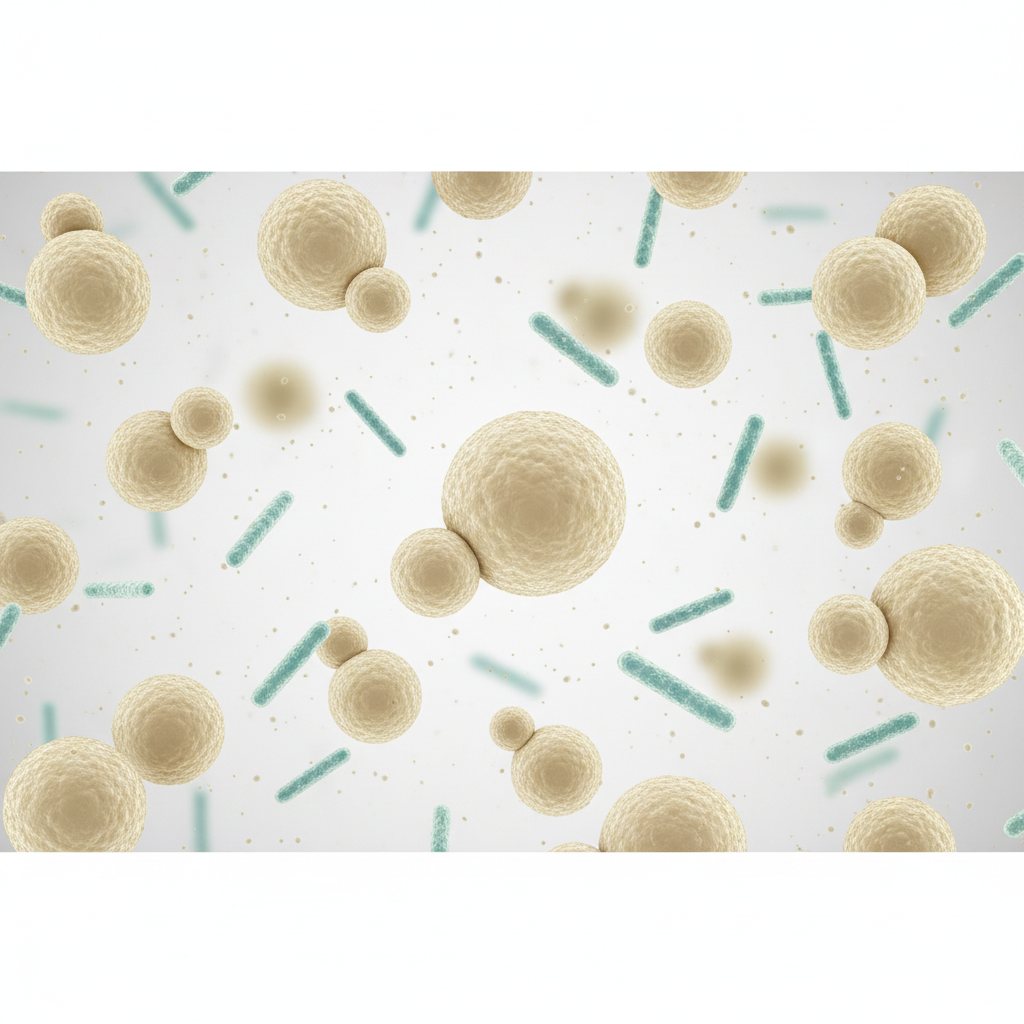
Saccharomyces boulardii is a unique probiotic yeast, not bacteria. It is extensively researched for preventing and easing diarrhea associated with antibiotics and infections.
Genus: Bacillus (Spore-Forming)
Notable strains include Bacillus coagulans MTCC 5856 (Lactospore®) and B. subtilis DE111. These are increasingly used in formulations due to stability.
Biological Processes & Compounds
Microflora Rebalancing
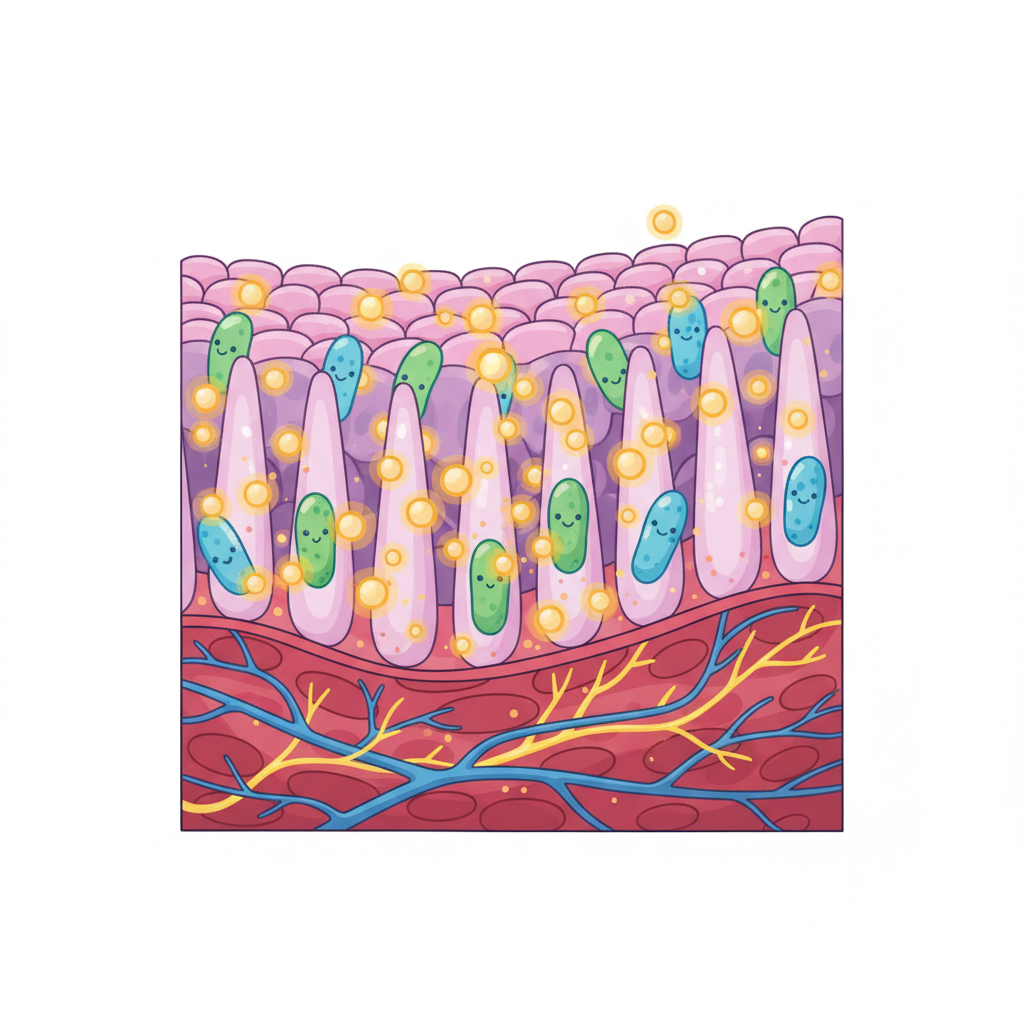
Probiotics introduce beneficial bacteria to foster a diverse gastrointestinal environment, crowding out harmful pathogens.
Metabolite Production
Strains like C. beijerinckii produce Butyrate, a Short-Chain Fatty Acid (SCFA) crucial for gut lining health.
Market Applications: Health Benefits by Strain
Commercial products leverage specific strains for target claims.
Respiratory Health
L. paracasei LPC-37
Reduces duration and severity of infections.
Digestive Support
L. rhamnosus GG
Relieves gas, bloating, and diarrhea.
Constipation
B. lactis HN019
Addresses irregularity and bowel function.
Sources: Fermented Foods vs. Supplements
Available in Food
• Yogurt & Kefir<br>• Sauerktraut & Fermented Veg<br>• Sourdough Bread<br>• Cured Meats<br>• Miso & Tempeh
Supplement Only
• Next-Generation Strains<br>• Akkermansia muciniphila<br>• Anaerobutyricum hallii<br>• High-dose therapeutic strains<br>• Spore formulations
Emerging Next-Generation Probiotics
Akkermansia muciniphila
A highly researched next-gen strain linked to metabolic health, not typically available in standard fermented foods.
Clostridium beijerinckii
Supports sugar metabolism and produces butyrate, a critical compound for gut wall integrity.
Summary: Key Takeaways
Specificity Matters: Probiotic benefits are strain-specific (e.g., NCFM vs GG).
Diverse Mechanisms: From GLP-1 support to Butyrate production and immune defense.
Market Names: Look for trademarked strains like Bi-07, HN019, and Lactospore®.
Future: Next-gen strains (Akkermansia) offer benefits not found in diet alone.
- probiotics
- gut-health
- microbiome
- lactobacillus
- bifidobacterium
- health-science
- nutrition