




Auschwitz and Holocaust History: Facts and Context
Explore key facts about Auschwitz-Birkenau, the Holocaust, and the historical background of John Boyne's 'The Boy in the Striped Pajamas'.
1. What is Auschwitz?
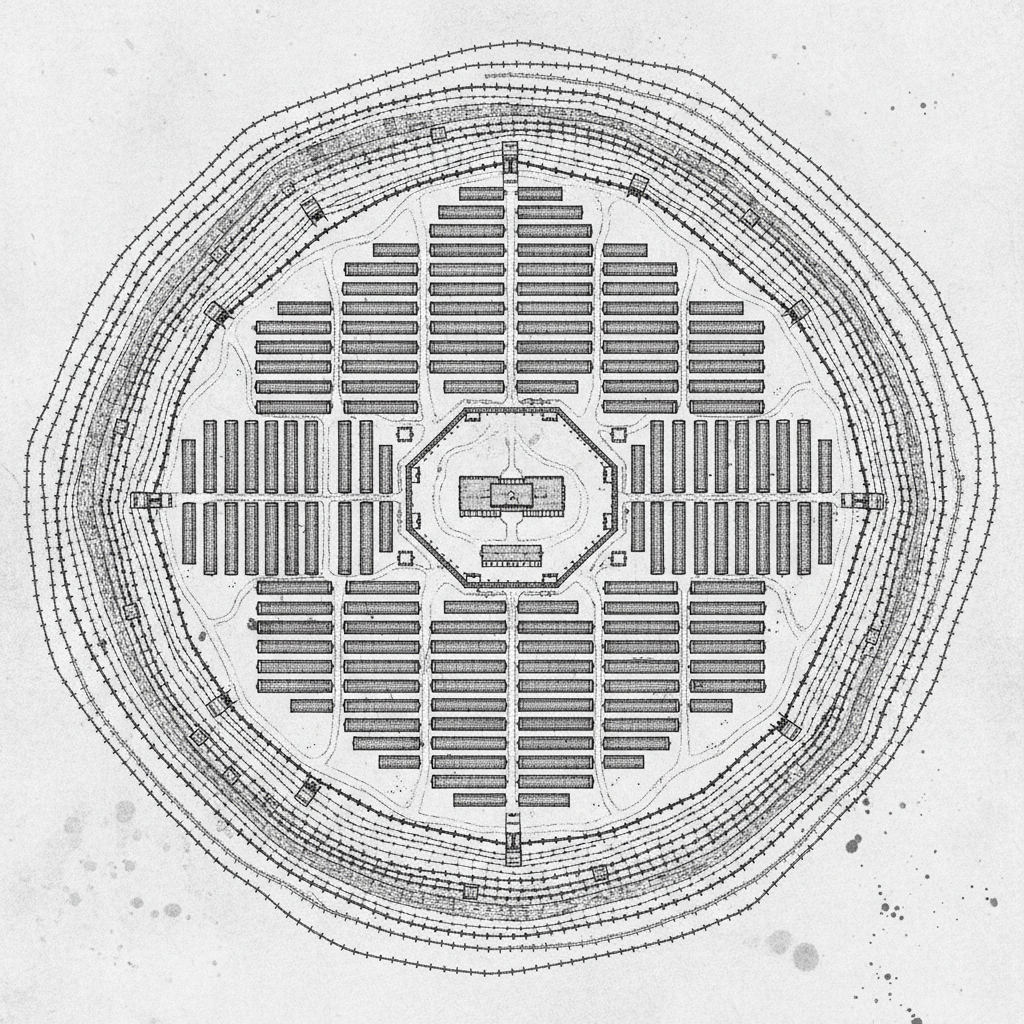
Auschwitz was the largest Nazi concentration and extermination camp complex, located in occupied Poland near Oświęcim.
Comprised over 40 camps, including Auschwitz I (prison), II-Birkenau (killing center), and III-Monowitz (labor).
Initially established in 1940 for Polish political prisoners.
Became the central site for the mass extermination of Jews using Zyklon B gas.
2. When did Auschwitz open and close?
Opened: April 27, 1940
Liberated: January 27, 1945
First prisoners arrived in June 1940.
Mass gassings ceased by November 1944.
Soviet troops liberated roughly 7,000 survivors after the SS evacuated majority of prisoners.
3. How many people died in Auschwitz?
Approx. 1.1 to 1.3 million people died at Auschwitz. About 90% were Jewish.
4. How did they die?
Gas Chambers: The primary method of mass murder using Zyklon B (cyanide-based pesticide).
Starvation & Disease: Typhus and malnutrition were rampant.
Forced Labor: 'Extermination through labor' led to exhaustion and death.
Medical Experiments and Executions: Shootings at the 'Black Wall' and pseudo-scientific torture.
5. How many people died in the Holocaust?
The Holocaust was a systematic, state-sponsored persecution and murder of approximately six million Jews by the Nazi regime and its collaborators.
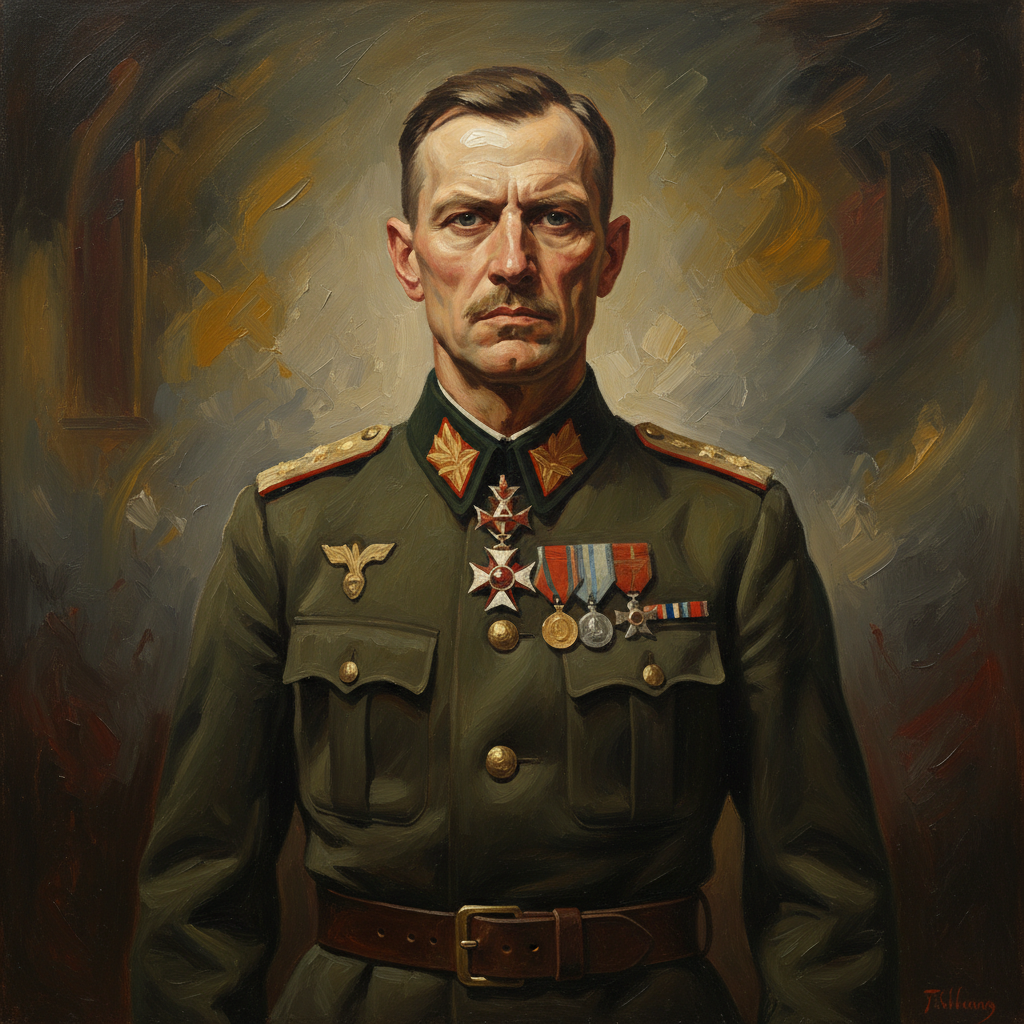
6. Who was Adolf Hitler?
Leader (Führer) of Nazi Germany from 1933 to 1945.
Orchestrated World War II by invading Poland in 1939.
Central to the design of the Holocaust and the ideology of Aryan supremacy.
Died by suicide in Berlin in April 1945 as Allied forces advanced.
7. What were some of the causes of WWII?
German Expansionism: Hitler's desire for 'Lebensraum' (living space) in the East.
Treaty of Versailles: German resentment over harsh penalties from WWI.
Invasion of Poland: Keep trigger event on September 1, 1939.
Failure of the League of Nations to keep global peace.
8. Explain Great Britain’s involvement in the war.
Declared war on Germany on September 3, 1939, two days after the invasion of Poland.
Hosted exiled governments (including Poland's) and resistance movements.
Bombed factories near Auschwitz in 1944 but decided against bombing the camp or gas chambers directly.
Played a key role in the Allied victory in Europe and post-war trials.
9. How did WWII end?
Europe: Germany surrendered unconditionally on May 7, 1945. VE Day is celebrated on May 8.
Auschwitz Liberation: Soviet troops liberated the camp on January 27, 1945, months before the war ended.
Pacific: The war ended September 2, 1945, after Japan's surrender.
10. What other books did John Boyne write?
John Boyne is an Irish novelist best known for 'The Boy in the Striped Pajamas'. Other notable works include:
• The Heart's Invisible Furies
• A History of Loneliness
• The Absolutist
• All the Broken Places (Sequel)
11. Why did people wear striped uniform at Auschwitz?
Identification: Marked prisoners as slave laborers and stripped them of individuality.
Control: The distinctive blue-grey stripes made escape difficult as they were easily recognizable outside the camp.
Dehumanization: Replacing personal clothes with rags was a psychological tactic to break spirits.
12. What were the living conditions like as Auschwitz?
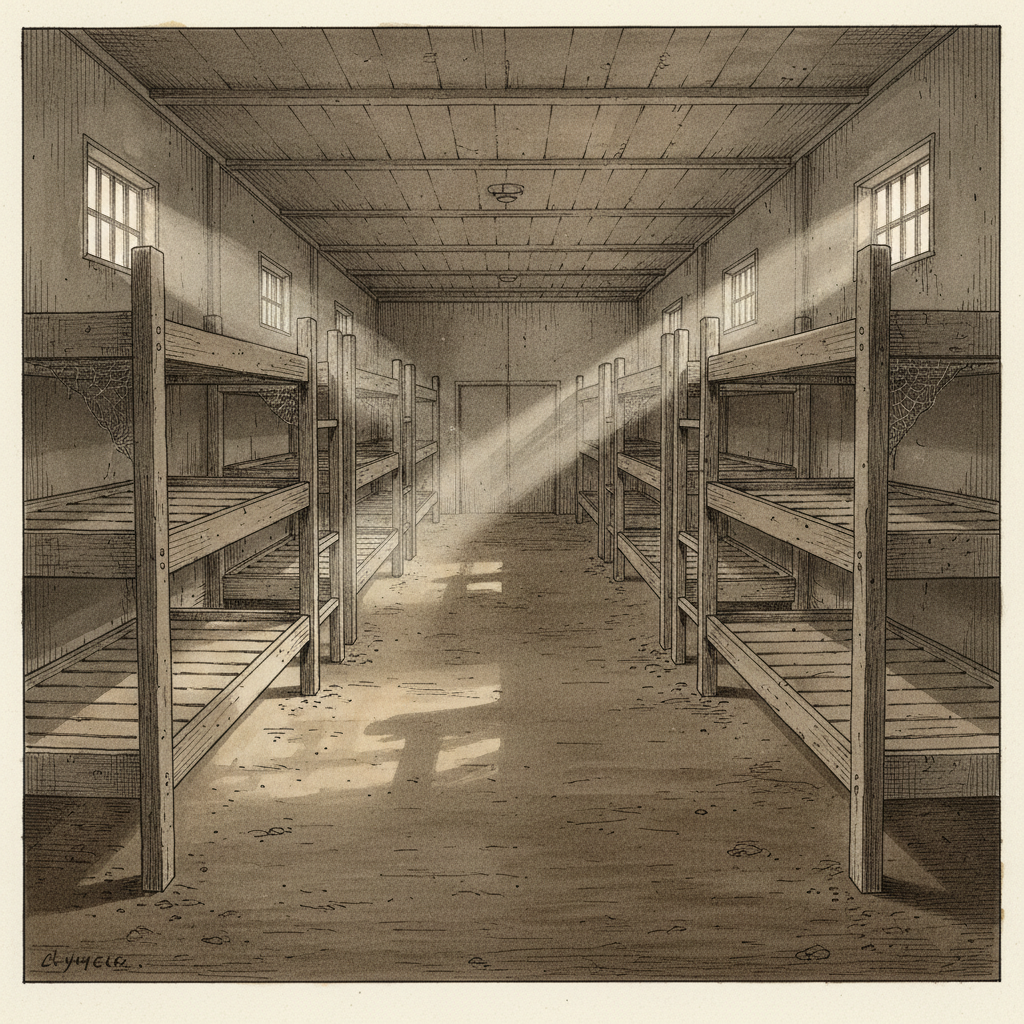
Overcrowding: Hundreds crammed into wooden barracks meant for horses.
Starvation: Prisoners received meager rations (watery soup, rotten bread), leading to emaciation.
Sanitation: Lack of toilets and water caused rampant diseases like typhus, cholera, and dysentery.
13. How many people survived Auschwitz?
~7,000 Liberated
While roughly 200,000 prisoners were registered and transferred elsewhere or survived initially, only about 7,000 were found alive in the camp by Soviet forces in Jan 1945.
Liberated survivors were mostly ill or dying.
Only 144 people successfully escaped the camp complex.
14. Who was Joseph Mengele and what did he do?
Role: SS physician at Auschwitz, known as the 'Angel of Death'.
Selections: He determined who would work and who would be sent immediately to the gas chambers.
Experiments: Conducted cruel, pseudoscientific genetic experiments, particularly on twins, Romani people, and people with physical abnormalities.
15. Research Anne Frank
a. Who was she: A German-born Jewish girl who wrote a famous diary while in hiding.
b. Where did she live: Hid in the 'Secret Annex' in Amsterdam, Netherlands for two years.
c. What happened: Found in 1944. Deported to Auschwitz, then Bergen-Belsen, where she died of typhus in 1945.
16. Name some other concentration camps.
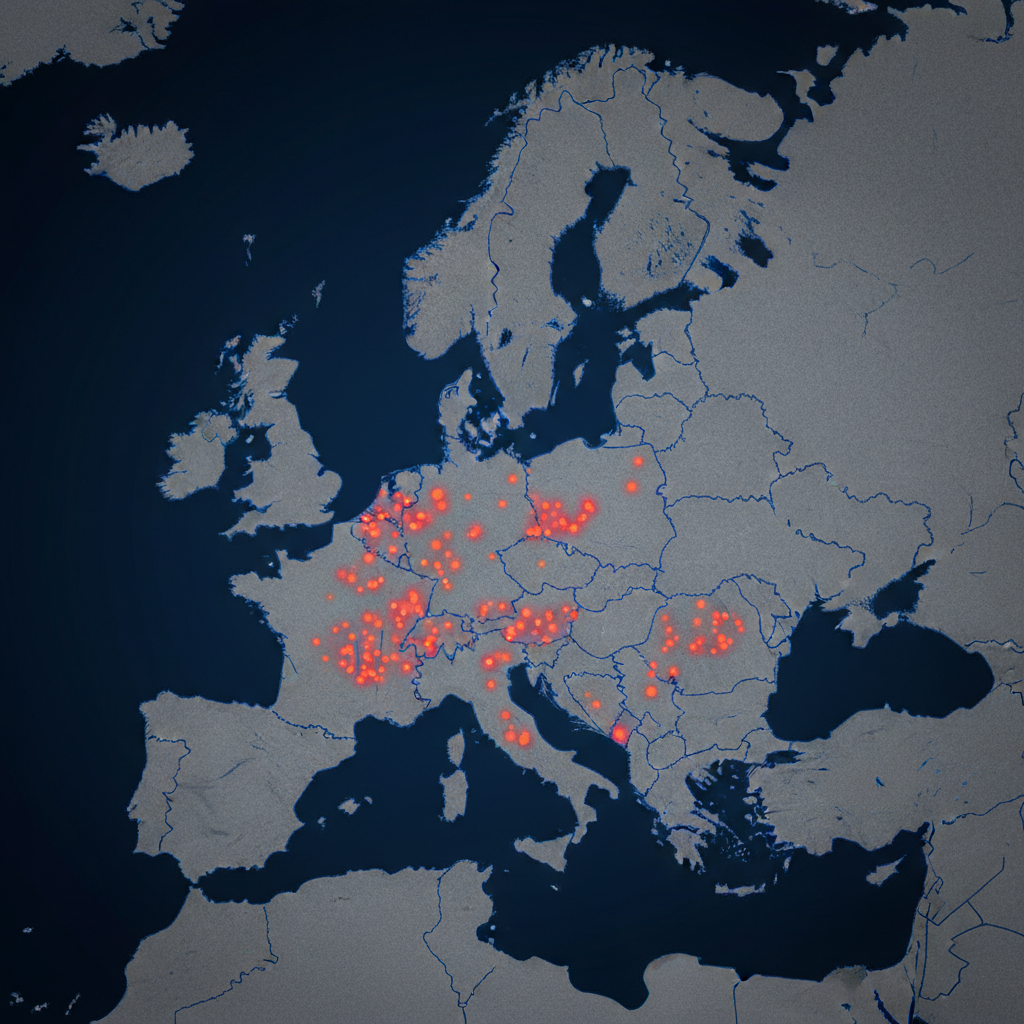
Auschwitz was part of a vast network. Other major camps included:
Dachau (Germany - First camp opened)
Buchenwald (Germany)
Treblinka (Poland - Extermination camp)
Bergen-Belsen (Germany)
17. How long did it take John Boyne to write the book?
Writing 'The Boy in the Striped Pajamas'
Boyne famously wrote the first draft in a very short period of intense activity—roughly 2.5 days.
He described it as not sleeping much until the story was out.
Published in 2006, the book became an international bestseller.
18. What was ‘the Final Solution?’
The 'Final Solution' was the code name for the Nazi plan for the systematic, state-sponsored genocide of the Jewish people.
Formulated fully at the Wannsee Conference in January 1942.
Shifted Policy from deportation to mass extermination in purpose-built camps like Auschwitz.
19. What is anti-Semitism?
Anti-Semitism is hostility to, prejudice against, or discrimination against Jews.
It fueled Nazi ideology, blaming Jews for Germany's problems (the 'stab in the back' myth).
Led to laws stripping Jews of citizenship (Nuremberg Laws) before leading to the Holocaust.
20. What are ‘Einsatzgruppen’?
Mobile killing units (squads) of the SS and police.
Operating in Eastern Europe, they followed the German army to shoot Jews, Roma, and communist officials.
Responsible for the 'Holocaust by Bullets'—killing over 1.5 million people (e.g., Babi Yar).
21. Apart from Jewish people, who else got sent to concentration camps? Why?
Nazis targeted groups they considered racially inferior, political enemies, or socially 'deviant'.
Romani People (Gypsies): Racial targeting.
Polish & Soviet Civilians/POWs: Political opponents/Slavic sub-humans.
Others: Homosexuals, People with disabilities, Jehovah's Witnesses.
22. When is Holocaust Memorial Day and why?
January 27
Why? It marks the anniversary of the liberation of Auschwitz-Birkenau by Soviet troops in 1945.
Purpose: To honor the victims of the Holocaust and promote Holocaust education to prevent future genocides.
- holocaust-history
- auschwitz-facts
- world-war-ii
- holocaust-education
- the-boy-in-the-striped-pajamas
- anne-frank
- history-lesson