







Made byBobr AI

Guide to Human Voice Classification & Vocal Timbre

Explore the categories of the human voice, from soprano and tenor to children's voices. Learn about physiology, timbre, and operatic vocal ranges.

#vocal-classification#music-education#opera#soprano#tenor#vocal-physiology#singing-types#choir
Watch
Pitch

Classification of the Human Voice

An Exploration of Timbre, Physiology, and Expression

Made byBobr AI

The Nature of the Human Voice

The human voice is a unique instrument that combines beautiful timbre with the element of language. This dual nature allows for the most direct, intimate, and emotional communication in musical performance.

It transcends mere sound to become a vehicle for complex human emotion.

Made byBobr AI

Physiological Determinants

Primary classification arises from gender and maturity. Distinct individual timbres are created by unique physiological variations:

  • Width, length, and thickness of vocal cords
  • Length of the pharynx
  • Size of various resonance cavities
Made byBobr AI

The Three Main Categories

Female Voice

Soprano, Mezzo-Soprano, Contralto

Male Voice

Tenor, Baritone, Bass

Children's Voice

Pure, innocent, gender-neutral characteristics

Made byBobr AI

The Soprano Voice

  • Coloratura: Coloratura: Bright, brilliant, light tone.
  • Lyric: Lyric: Beautiful, soft, lively, full tone.
  • Dramatic: Dramatic: Resonant and solid tone.

Repertoire Examples

“Nightingale”

Illustrates the agility of the Coloratura soprano.

“The grapes in Turpan are ripe”

Showcases the brightness of the high female voice.

Made byBobr AI

Mezzo-Soprano & Contralto

Mezzo-Soprano

Characterized by a round, rich, and solid tone, possessing a distinct elasticity.

Contralto

Offers a thick, warm, and solid tone. Less flexible, it is frequently utilized for the foundational low notes in choral singing.

Made byBobr AI

The Tenor Voice

Lyric Tenor

Bright, beautiful, vibrant, and flexible. Widely used in solos.

Dramatic Tenor

Solid and resonant tone, suitable for powerful roles.

Example: “Return to Sorrento”

Made byBobr AI

Baritone & Bass

Baritone: Soft yet powerful, bright, and full. Known for strong expressive power in opera and solo singing.

Bass: A solid, rich tone with bell-like quality. Provides the foundation of the vocal harmony.

Repertoire Spotlight:

“The Yangtze River flows eastward”

A powerful piece often utilized to demonstrate the depth and resonance of lower male voices.

Made byBobr AI

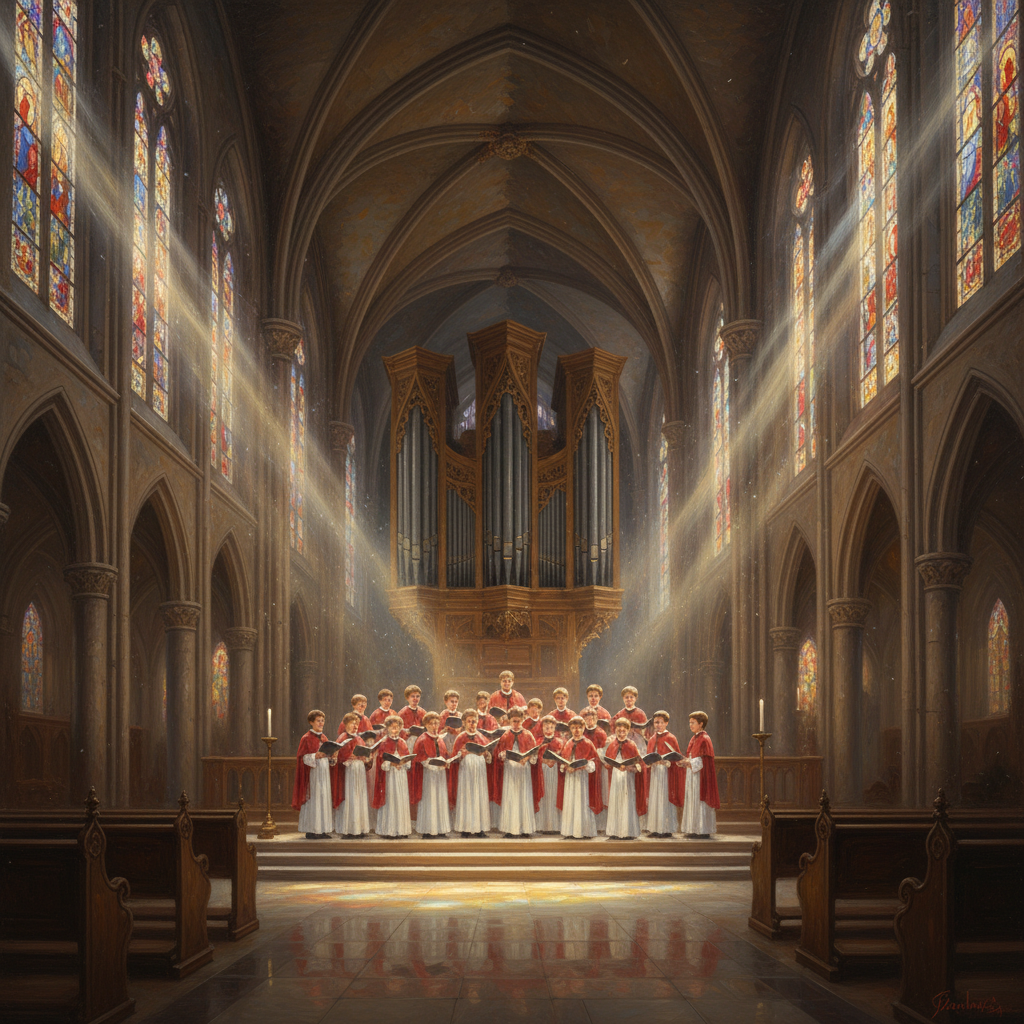
The Children's Voice

  • Characteristics: Soft, pure, and innocent tone.
  • Comparison: Similar to the female voice to a certain extent, but distinct in its lack of maturity.
  • Historical Context: in early European churches, the pure sound of children's voices was favored over female voices for religious music.
Made byBobr AI

Summary of Classification

Female

Soprano (Coloratura, Lyric, Dramatic) Mezzo-Soprano Contralto

Male

Tenor (Lyric, Dramatic) Baritone Bass

Children

Boy Soprano Treble Historical Church Usage

Made byBobr AI
Bobr AI

DESIGNER-MADE
PRESENTATION,
GENERATED FROM
YOUR PROMPT

Create your own professional slide deck with real images, data charts, and unique design in under a minute.

Generate For Free

Guide to Human Voice Classification & Vocal Timbre

Explore the categories of the human voice, from soprano and tenor to children's voices. Learn about physiology, timbre, and operatic vocal ranges.

Classification of the Human Voice

An Exploration of Timbre, Physiology, and Expression

The Nature of the Human Voice

The human voice is a unique instrument that combines beautiful timbre with the element of language. This dual nature allows for the most direct, intimate, and emotional communication in musical performance.

It transcends mere sound to become a vehicle for complex human emotion.

Physiological Determinants

Primary classification arises from gender and maturity. Distinct individual timbres are created by unique physiological variations:

Width, length, and thickness of vocal cords

Length of the pharynx

Size of various resonance cavities

The Three Main Categories

Female Voice

Soprano, Mezzo-Soprano, Contralto

Male Voice

Tenor, Baritone, Bass

Children's Voice

Pure, innocent, gender-neutral characteristics

The Soprano Voice

Coloratura: Bright, brilliant, light tone.

Lyric: Beautiful, soft, lively, full tone.

Dramatic: Resonant and solid tone.

Repertoire Examples

“Nightingale”

Illustrates the agility of the Coloratura soprano.

“The grapes in Turpan are ripe”

Showcases the brightness of the high female voice.

Mezzo-Soprano & Contralto

Mezzo-Soprano

Characterized by a round, rich, and solid tone, possessing a distinct elasticity.

Contralto

Offers a thick, warm, and solid tone. Less flexible, it is frequently utilized for the foundational low notes in choral singing.

The Tenor Voice

Lyric Tenor

Bright, beautiful, vibrant, and flexible. Widely used in solos.

Dramatic Tenor

Solid and resonant tone, suitable for powerful roles.

Example: “Return to Sorrento”

Baritone & Bass

Baritone: Soft yet powerful, bright, and full. Known for strong expressive power in opera and solo singing.

Bass: A solid, rich tone with bell-like quality. Provides the foundation of the vocal harmony.

“The Yangtze River flows eastward”

A powerful piece often utilized to demonstrate the depth and resonance of lower male voices.

The Children's Voice

Characteristics: Soft, pure, and innocent tone.

Comparison: Similar to the female voice to a certain extent, but distinct in its lack of maturity.

Historical Context: in early European churches, the pure sound of children's voices was favored over female voices for religious music.

Summary of Classification

Female

Soprano (Coloratura, Lyric, Dramatic) Mezzo-Soprano Contralto

Male

Tenor (Lyric, Dramatic) Baritone Bass

Children

Boy Soprano Treble Historical Church Usage

  • vocal-classification
  • music-education
  • opera
  • soprano
  • tenor
  • vocal-physiology
  • singing-types
  • choir