




Made byBobr AI

Understanding Intramolecular Forces: Bonds & Examples

Explore the 4 main types of intramolecular forces: ionic, covalent, metallic, and coordinate bonding. Learn their roles in molecular structure and chemistry.

#chemistry#intramolecular-forces#covalent-bonding#ionic-bonding#metallic-bonding#science-education#molecular-structure#chemical-bonds
Watch
Pitch

Intramolecular Forces

Understanding the Bonds That Hold Atoms Together

Abstract scientific illustration of atoms connecting with glowing bonds, blue and white clean background, 3d render, chemistry concept
Made byBobr AI

What are Intramolecular Forces?

  • Forces that act WITHIN a molecule.
  • They hold atoms together to form molecules or crystal lattices.
  • Determines the chemical identity of a substance.
Diagram showing a single water molecule with strong bonds connecting Oxygen and Hydrogen, abstract style, minimal
Made byBobr AI

Why Are They Important?

Intramolecular forces define how matter behaves. They control:

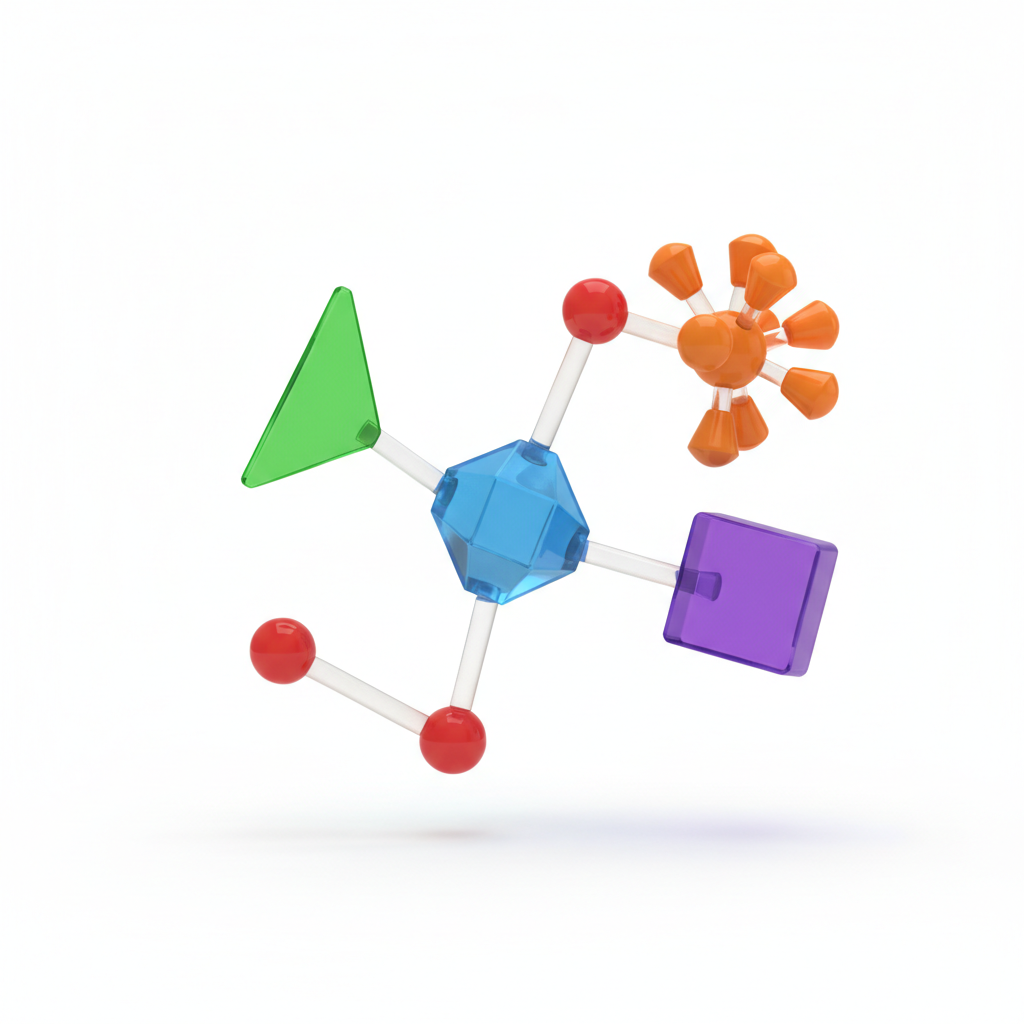
3D molecule model showing different geometric shapes, tetrahedral, linear, scientific clean white background
1. Molecular Structure & Geometry
2. Chemical Stability
3. Reactivity (How substances react)
Made byBobr AI

The 4 Main Types

Icon representing salt crystal structure, simple 3d, white background

Ionic Bonding

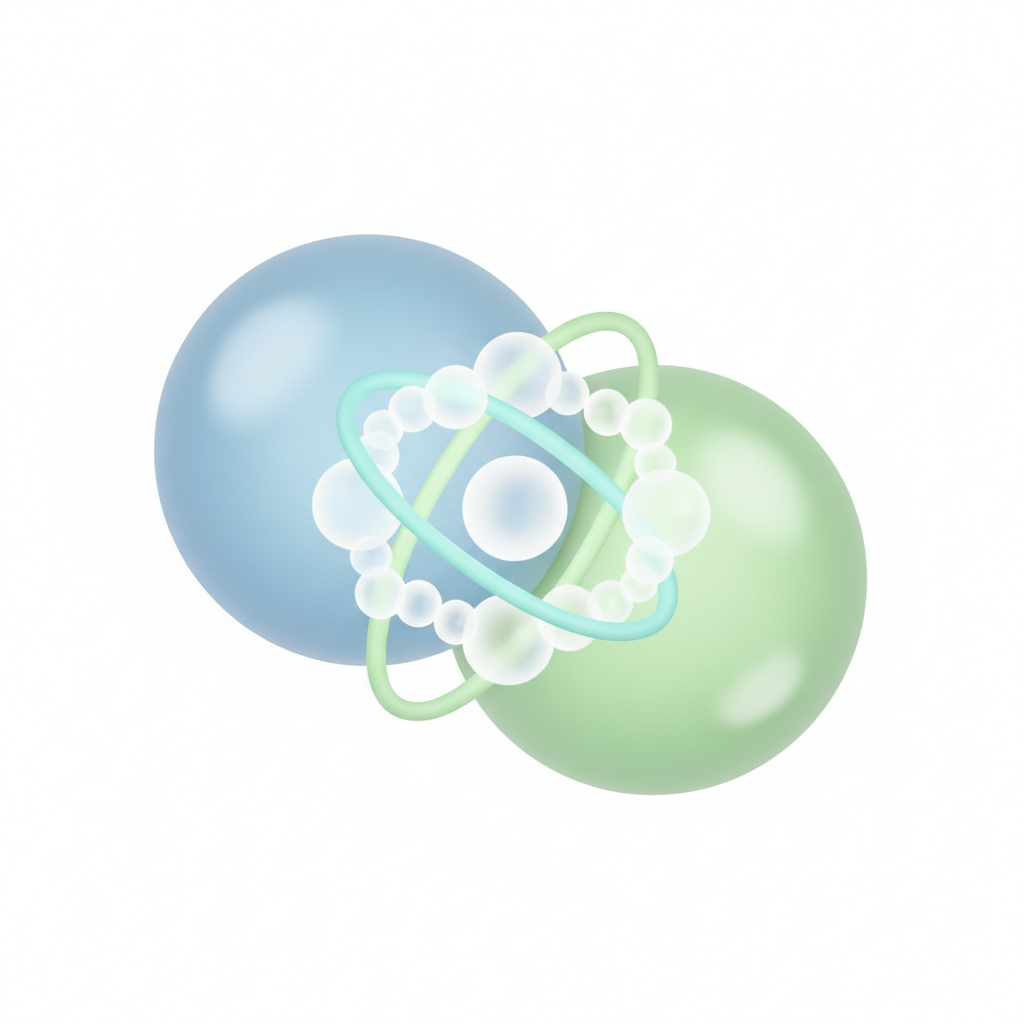
Icon representing shared electrons between two atoms, simple 3d, white background

Covalent Bonding

Metallic Bonding

Coordinate Bonding

Made byBobr AI

1. Covalent Bonding title

Atoms SHARE pairs of electrons to become stable.

Image placeholder
Made byBobr AI

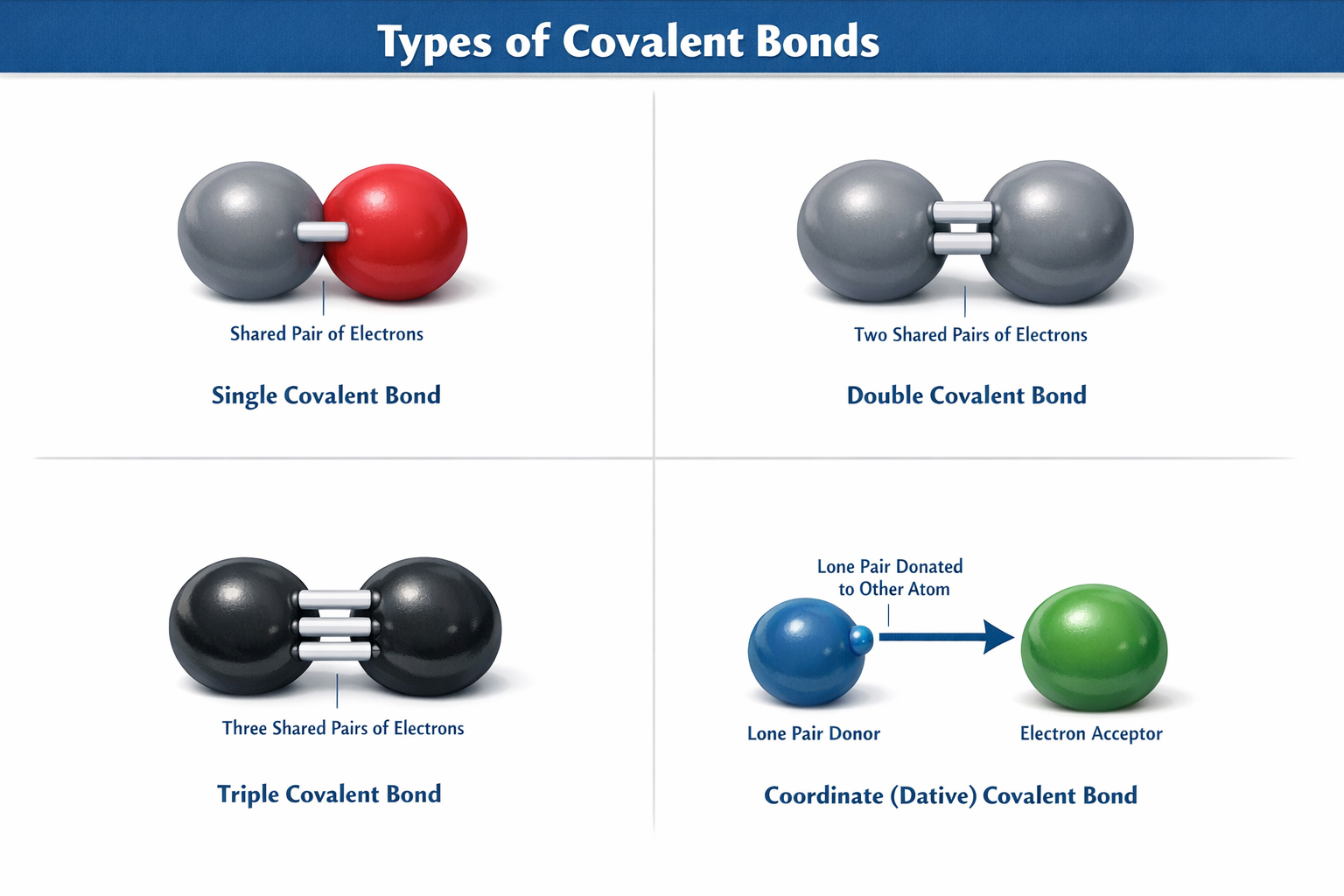
Types of Covalent Bonds

Nonpolar

Equal sharing of electrons. Example: H-H, O=O

Polar

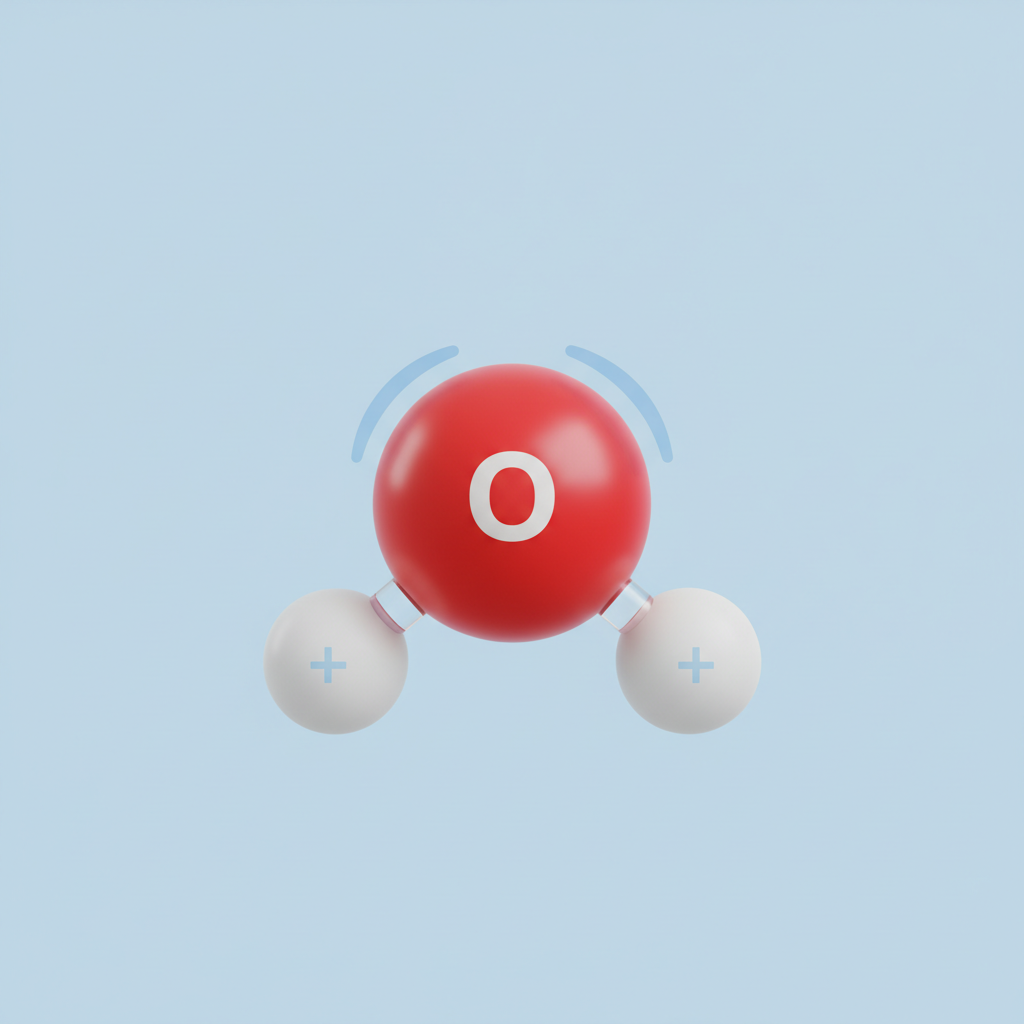
Unequal sharing. One atom pulls harder. Example: H2O

Diagram of water molecule H2O showing slight negative charge on Oxygen and positive on Hydrogen
Made byBobr AI

Bond Strength Comparison

Triple bonds share 3 pairs of electrons, making them the strongest and shortest.

Chart
Made byBobr AI

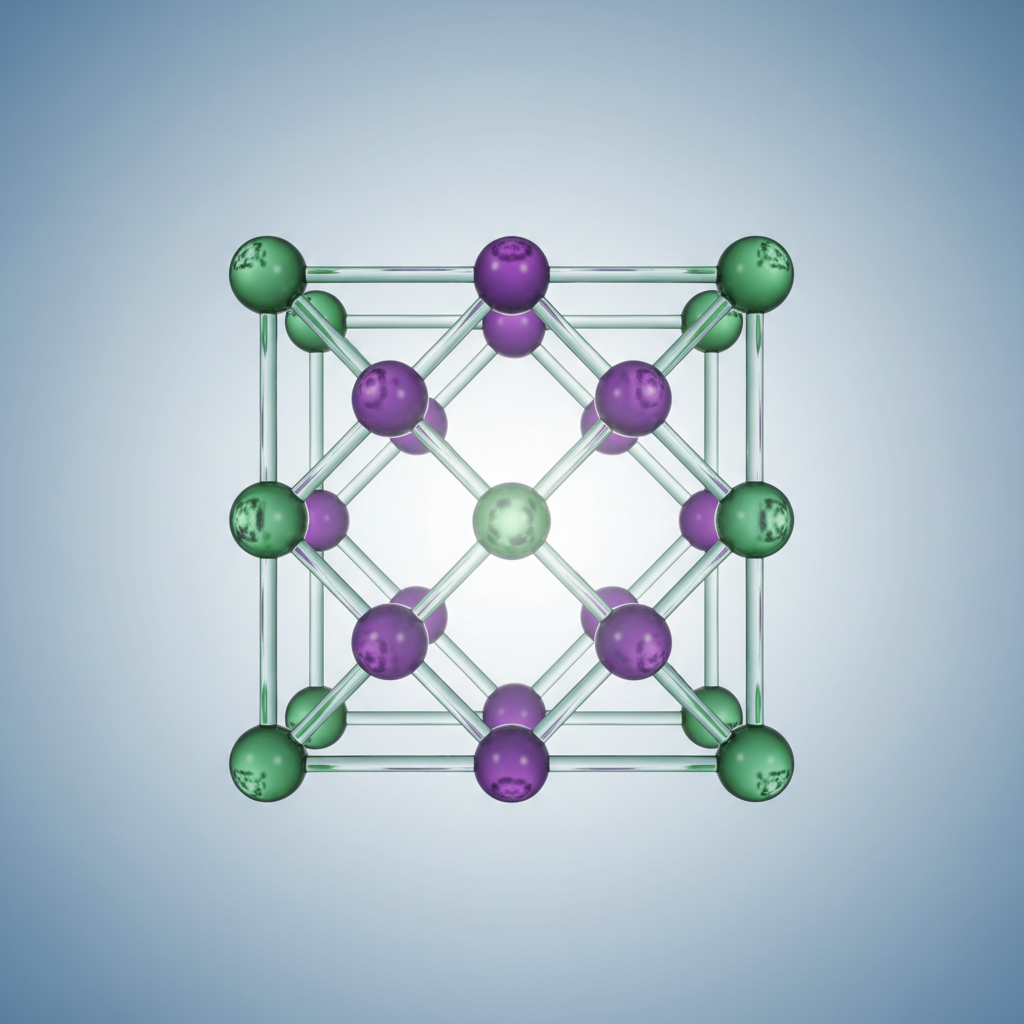
2. Ionic Bonding

One atom COMPLETELY TRANSFERS electrons to another.

  • Creates oppositely charged ions (+ and -)
  • Held together by electrostatic attraction
3D visualization of sodium chloride crystal lattice structure, showing purple sodium and green chlorine ions arranged in a grid
Made byBobr AI

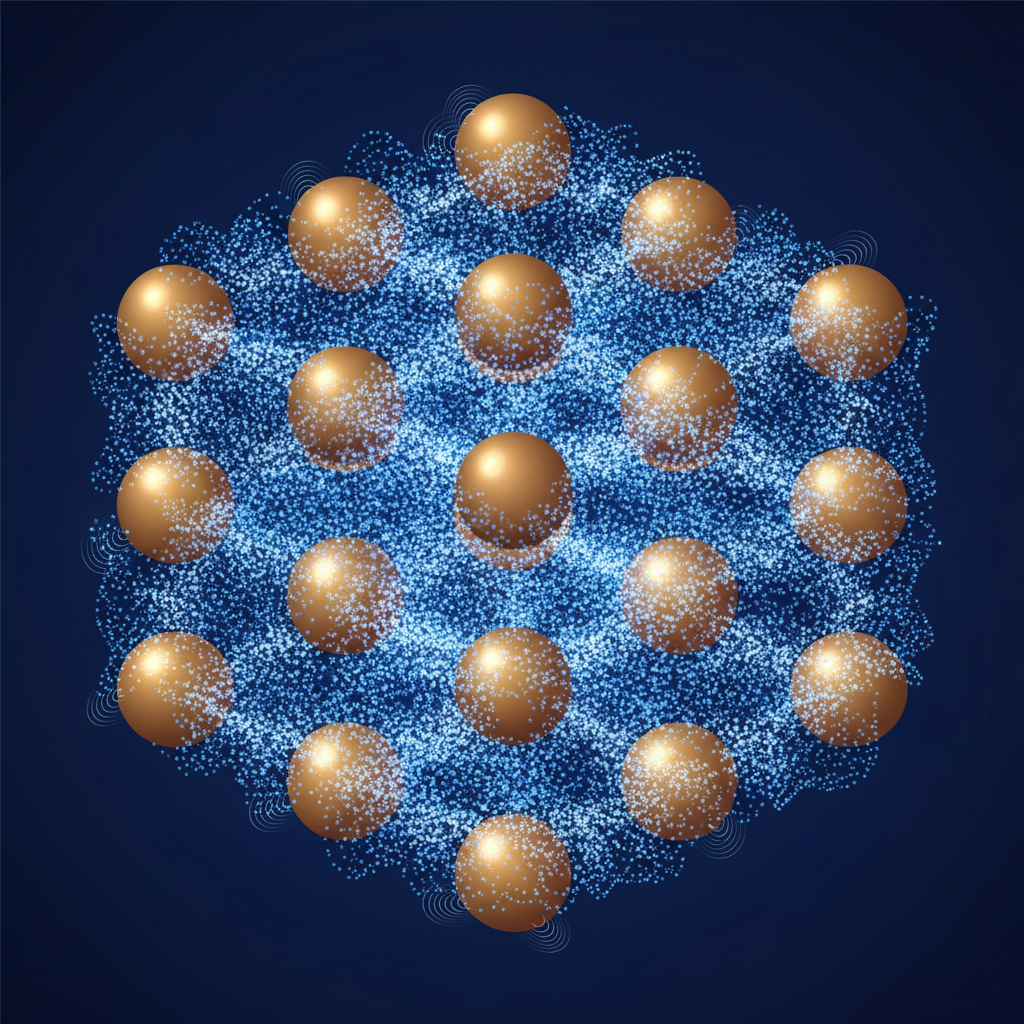
3. Metallic Bonding

Attraction between positive metal ions and a 'sea' of free-floating electrons.

Key Properties:
  • Conducts electricity
  • Malleable and Ductile
Diagram of metallic bonding, positive spheres floating in a cloud of small electron dots, sea of electrons model
Made byBobr AI

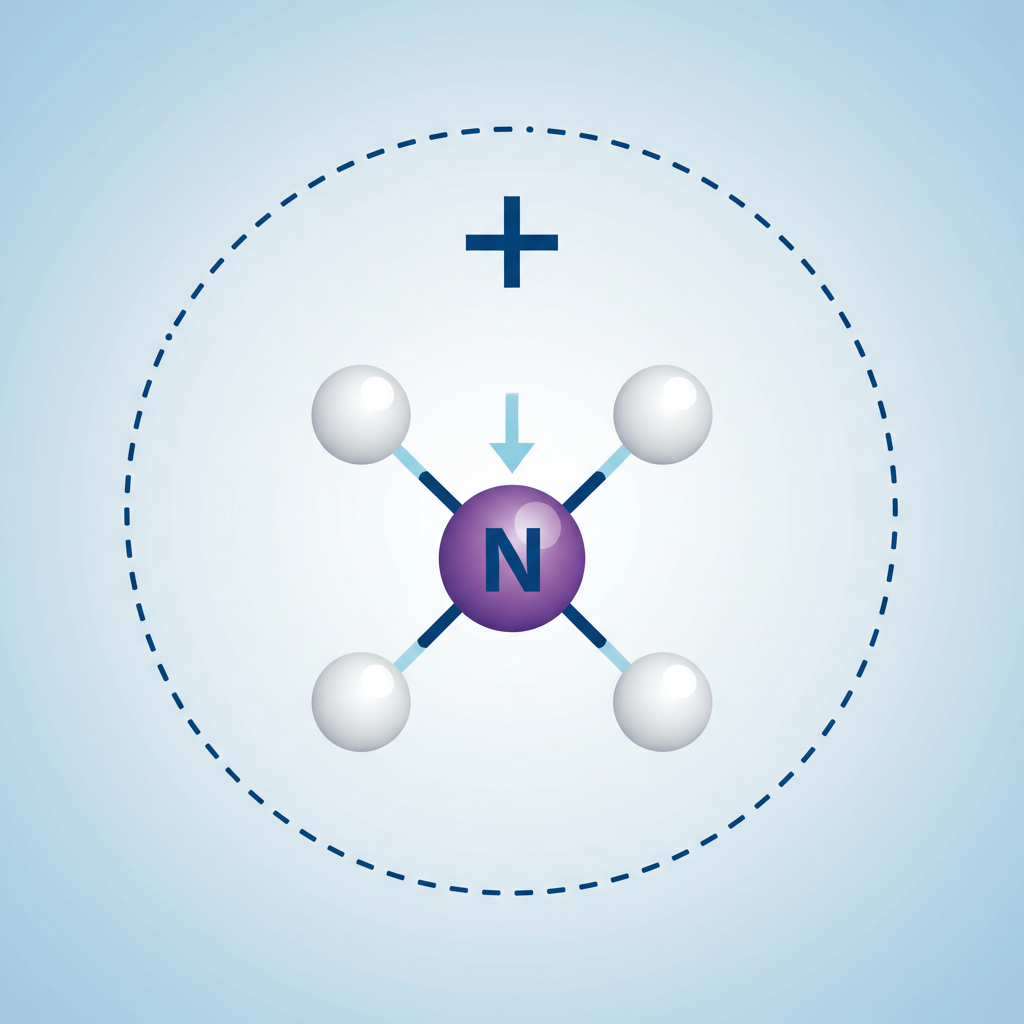
4. Coordinate Covalent Bond

A special covalent bond where BOTH shared electrons come from the SAME atom.

Example: Ammonium Ion (NH4+)

Chemical diagram of Ammonium ion NH4+, showing nitrogen in center and 4 hydrogens, indicating one bond is coordinate
Made byBobr AI

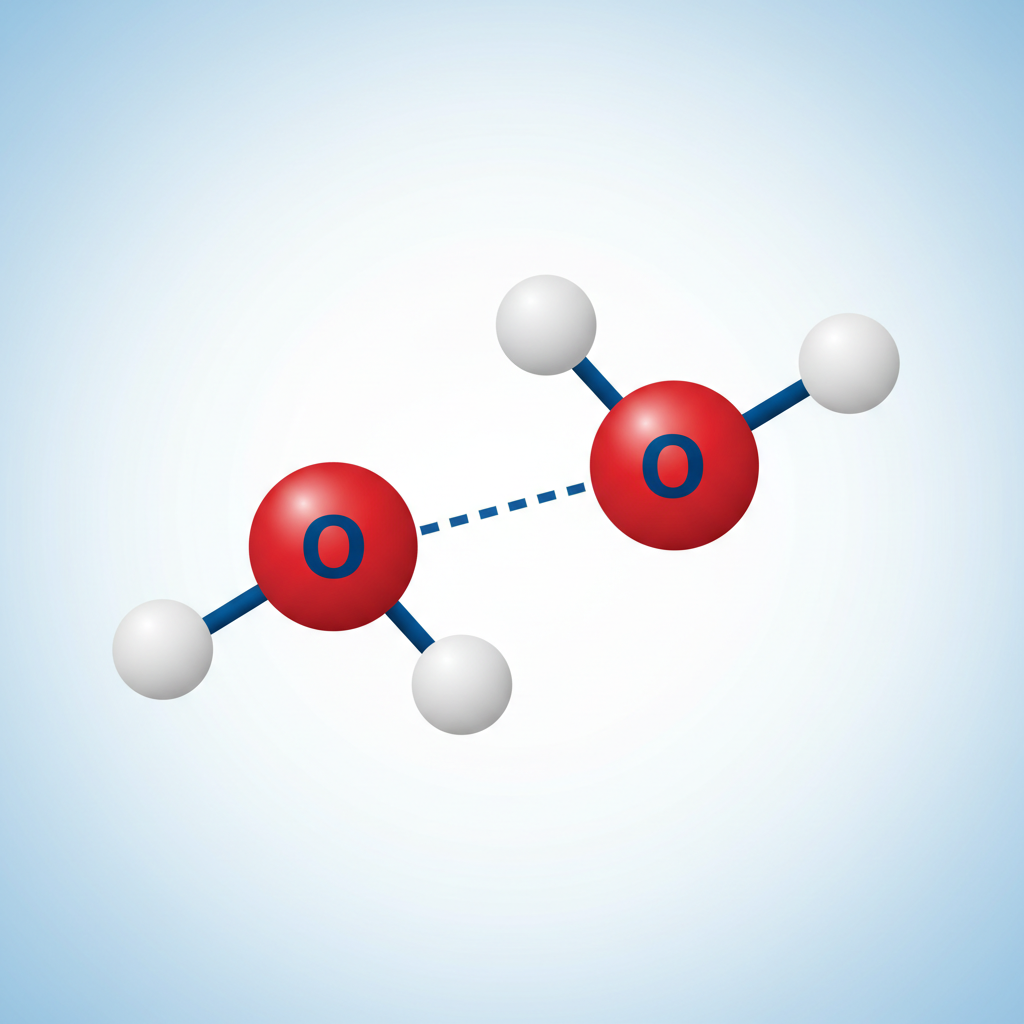
Intramolecular vs. Intermolecular

INTRAmolecular

Within the molecule. Very Strong. Example: Covalent Bond.

INTERmolecular

Between molecules. Weak. Example: Hydrogen Bond.

Diagram showing two water molecules. Graphic highlights the solid bond inside the molecule (strong) vs the dotted line between two molecules (weak)
Made byBobr AI

Real World Examples

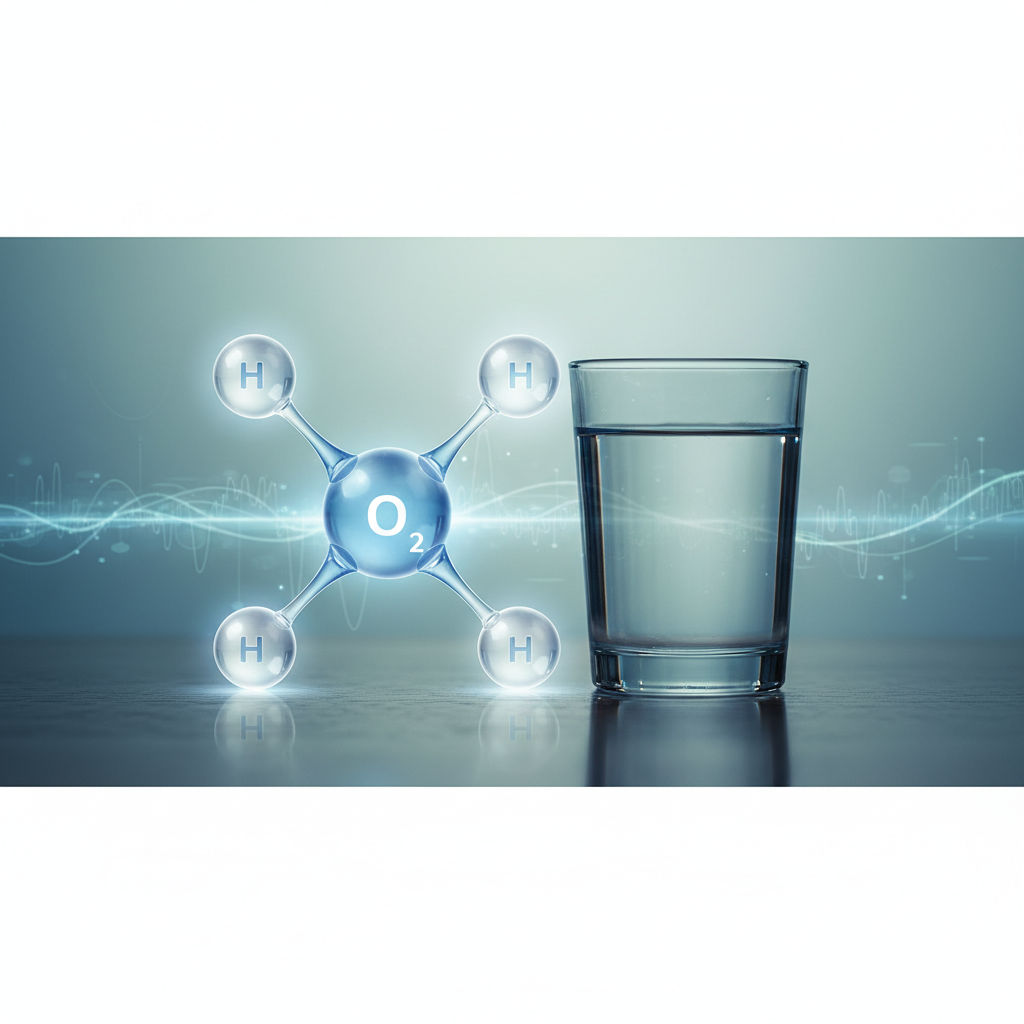
Glass of water and water molecule diagram overly

Water (Covalent)

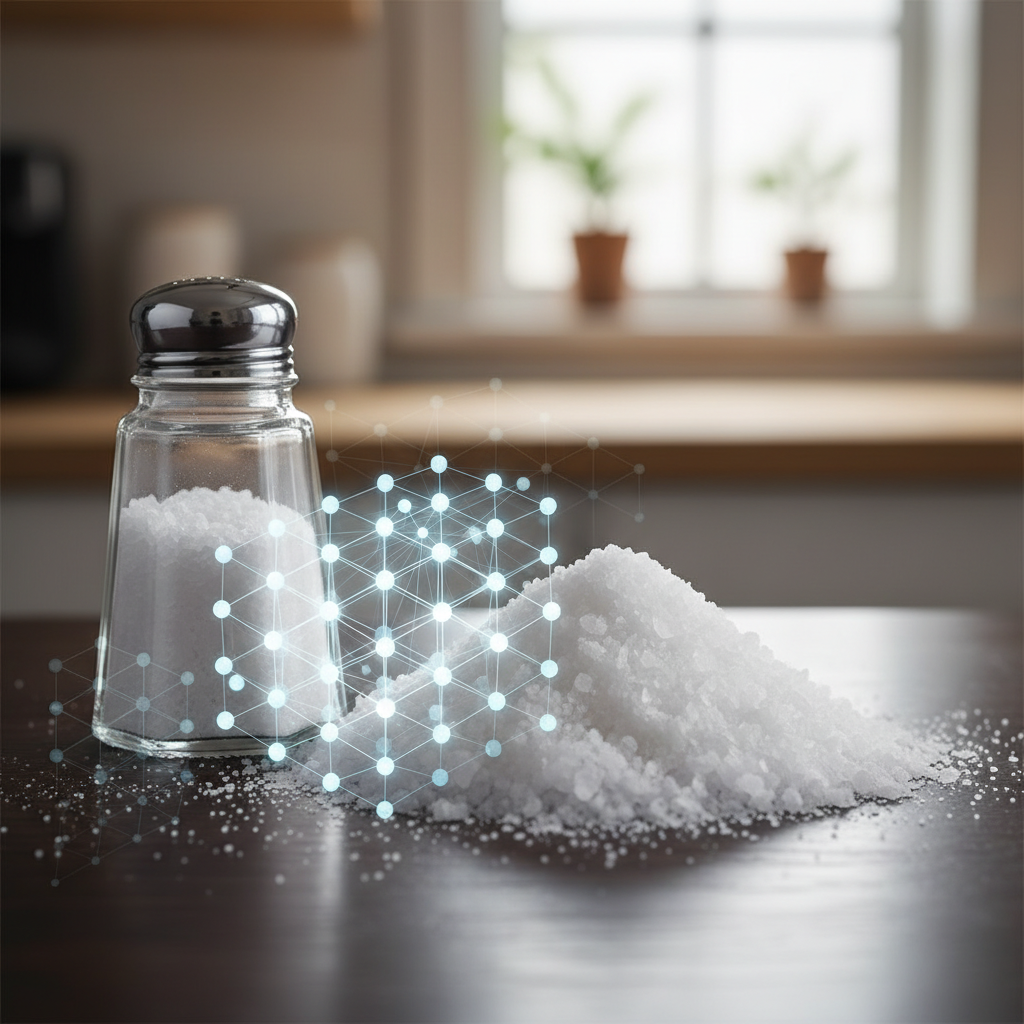
Salt shaker and pile of salt with crystal structure overlay

Table Salt (Ionic)

Coils of copper wire glowing

Copper Wire (Metallic)

Made byBobr AI

Conclusions

  • Fundamental forces holding atoms together.
  • Determine chemical identity and structure.
  • Much stronger than intermolecular forces.
  • Essential for Organic Chemistry and Material Science.
Made byBobr AI

References

1. Zumdahl, S. S., & Zumdahl, S. A. (2010). Chemistry. 2. Pauling, L. (1960). The Nature of the Chemical Bond. 3. Khan Academy - Intramolecular Forces Courses. 4. ScienceDirect - Chemical Bonding Articles.
Made byBobr AI

Thank You!

Any Questions?

Made byBobr AI
Bobr AI

DESIGNER-MADE
PRESENTATION,
GENERATED FROM
YOUR PROMPT

Create your own professional slide deck with real images, data charts, and unique design in under a minute.

Generate For Free

Understanding Intramolecular Forces: Bonds & Examples

Explore the 4 main types of intramolecular forces: ionic, covalent, metallic, and coordinate bonding. Learn their roles in molecular structure and chemistry.

Intramolecular Forces

Understanding the Bonds That Hold Atoms Together

What are Intramolecular Forces?

Forces that act WITHIN a molecule.

They hold atoms together to form molecules or crystal lattices.

Determines the chemical identity of a substance.

Why Are They Important?

Intramolecular forces define how matter behaves. They control:

Molecular Structure & Geometry

Chemical Stability

Reactivity (How substances react)

The 4 Main Types

Ionic Bonding

Covalent Bonding

Metallic Bonding

Coordinate Bonding

1. Covalent Bonding

Atoms SHARE pairs of electrons to become stable.

Types of Covalent Bonds

Nonpolar

Equal sharing of electrons. Example: H-H, O=O

Polar

Unequal sharing. One atom pulls harder. Example: H2O

Bond Strength Comparison

Triple bonds share 3 pairs of electrons, making them the strongest and shortest.

2. Ionic Bonding

One atom COMPLETELY TRANSFERS electrons to another.

Creates oppositely charged ions (+ and -)

Held together by electrostatic attraction

3. Metallic Bonding

Attraction between positive metal ions and a 'sea' of free-floating electrons.

Conducts electricity

Malleable and Ductile

4. Coordinate Covalent Bond

A special covalent bond where BOTH shared electrons come from the SAME atom.

Example: Ammonium Ion (NH4+)

Intramolecular vs. Intermolecular

INTRAmolecular

Within the molecule. Very Strong. Example: Covalent Bond.

INTERmolecular

Between molecules. Weak. Example: Hydrogen Bond.

Real World Examples

Water (Covalent)

Table Salt (Ionic)

Copper Wire (Metallic)

Conclusions

Fundamental forces holding atoms together.

Determine chemical identity and structure.

Much stronger than intermolecular forces.

Essential for Organic Chemistry and Material Science.

References

1. Zumdahl, S. S., & Zumdahl, S. A. (2010). Chemistry. 2. Pauling, L. (1960). The Nature of the Chemical Bond. 3. Khan Academy - Intramolecular Forces Courses. 4. ScienceDirect - Chemical Bonding Articles.

Thank You!

Any Questions?

  • chemistry
  • intramolecular-forces
  • covalent-bonding
  • ionic-bonding
  • metallic-bonding
  • science-education
  • molecular-structure
  • chemical-bonds