





Understanding Intramolecular Forces: Chemistry Guide
Explore the three main types of intramolecular forces: ionic, covalent, and metallic bonding with examples like H2O and NaCl.
Intramolecular Forces
Understanding the 'Glue' That Holds Atoms Together
What Are Intramolecular Forces?
Intramolecular forces are strong forces of attraction that act within a molecule. They are the chemical bonds that hold atoms together to form molecules or compounds. Without them, complex matter would not exist.
The Three Main Types
1. Ionic Bonding
Transfer of electrons (Giving & Taking)
2. Covalent Bonding
Sharing of electrons
3. Metallic Bonding
Sea of electrons (Free flowing)
Ionic Bonding: The Transfer
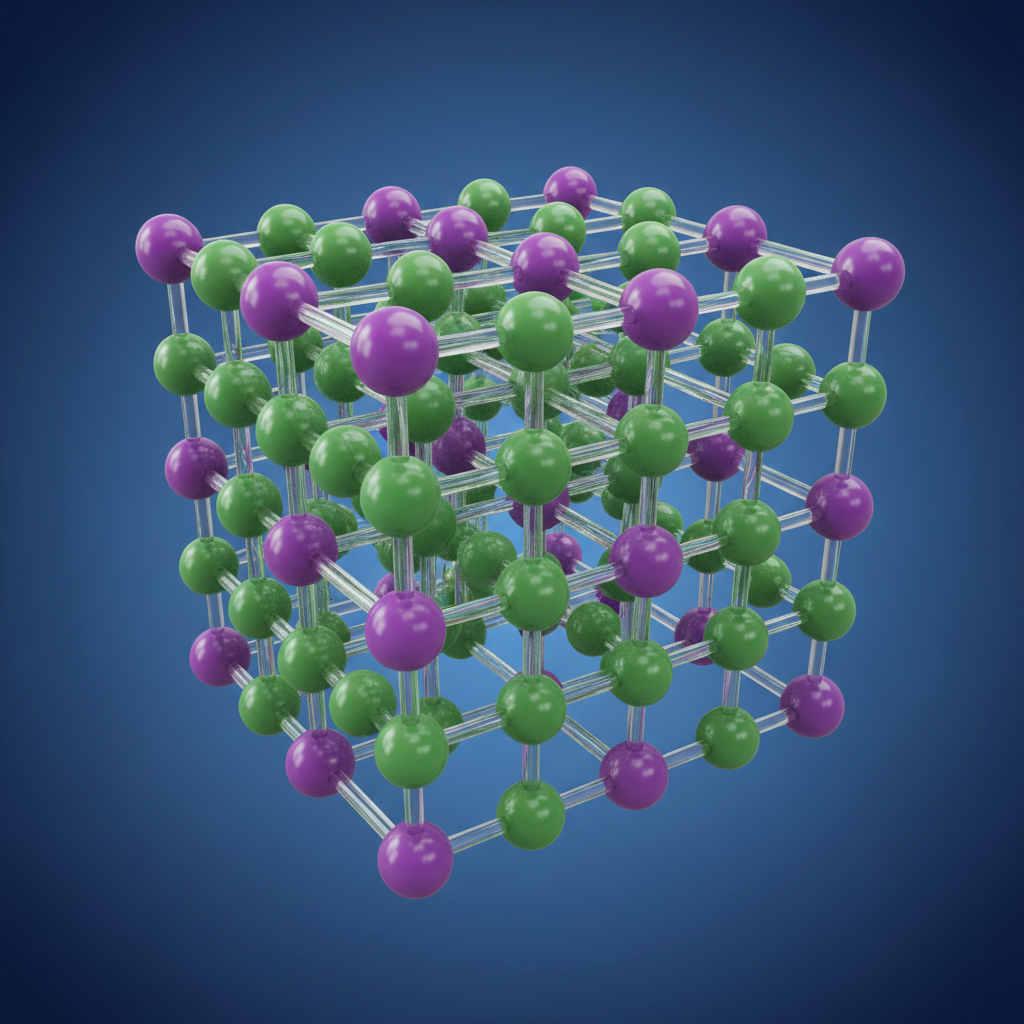
Ionic bonding occurs when one atom completely gives away one or more electrons to another atom. This creates ions with opposite charges (positive and negative) that attract each other like strong magnets.
Example: Table Salt (NaCl)
Sodium (Na) is a metal that wants to lose an electron.
Chlorine (Cl) is a gas that wants to gain an electron.
Together they form a crystal lattice structure.
Covalent Bonding: The Sharing
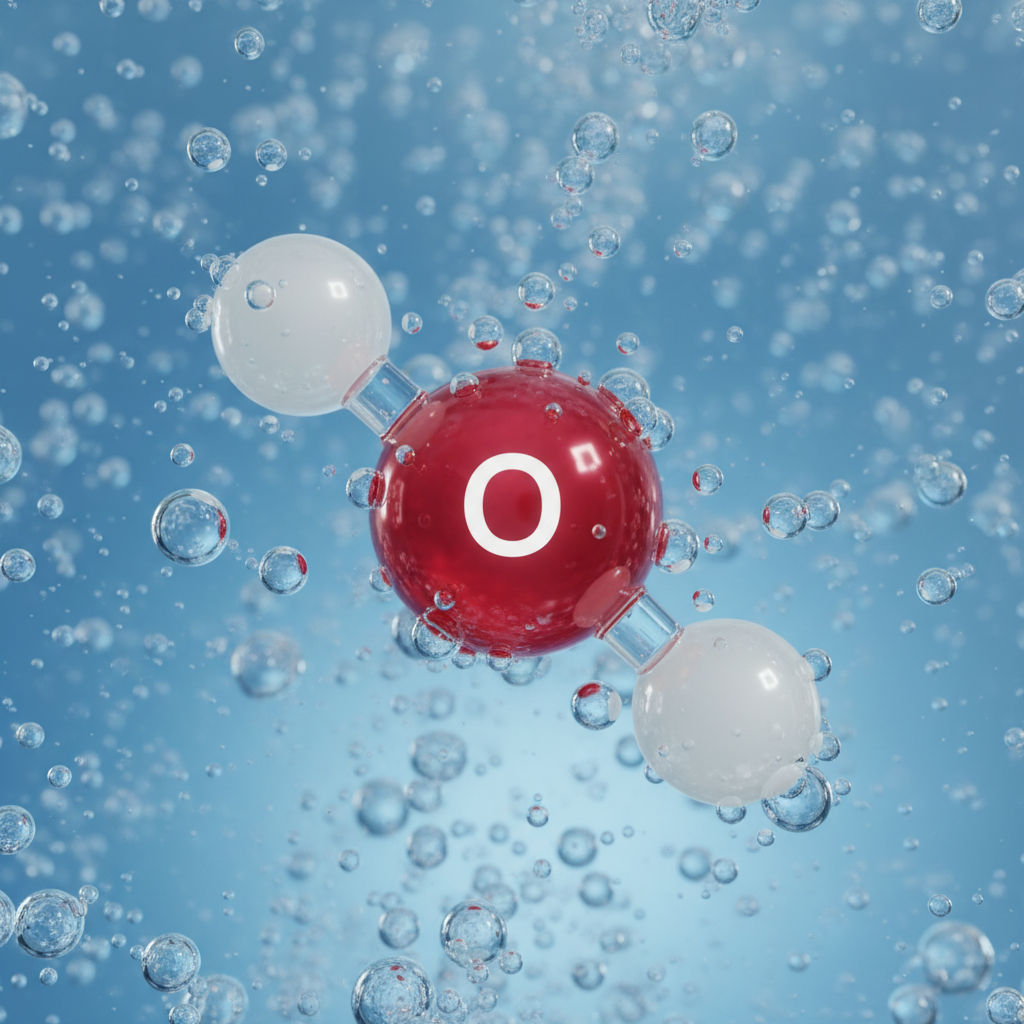
In covalent bonds, atoms are like good friends who share their toys. Two atoms share pairs of electrons to become stable. This usually happens between non-metal atoms.
Example: Water (H₂O)
One Oxygen atom shares electrons with two Hydrogen atoms.
Each bond is a 'single covalent bond'.
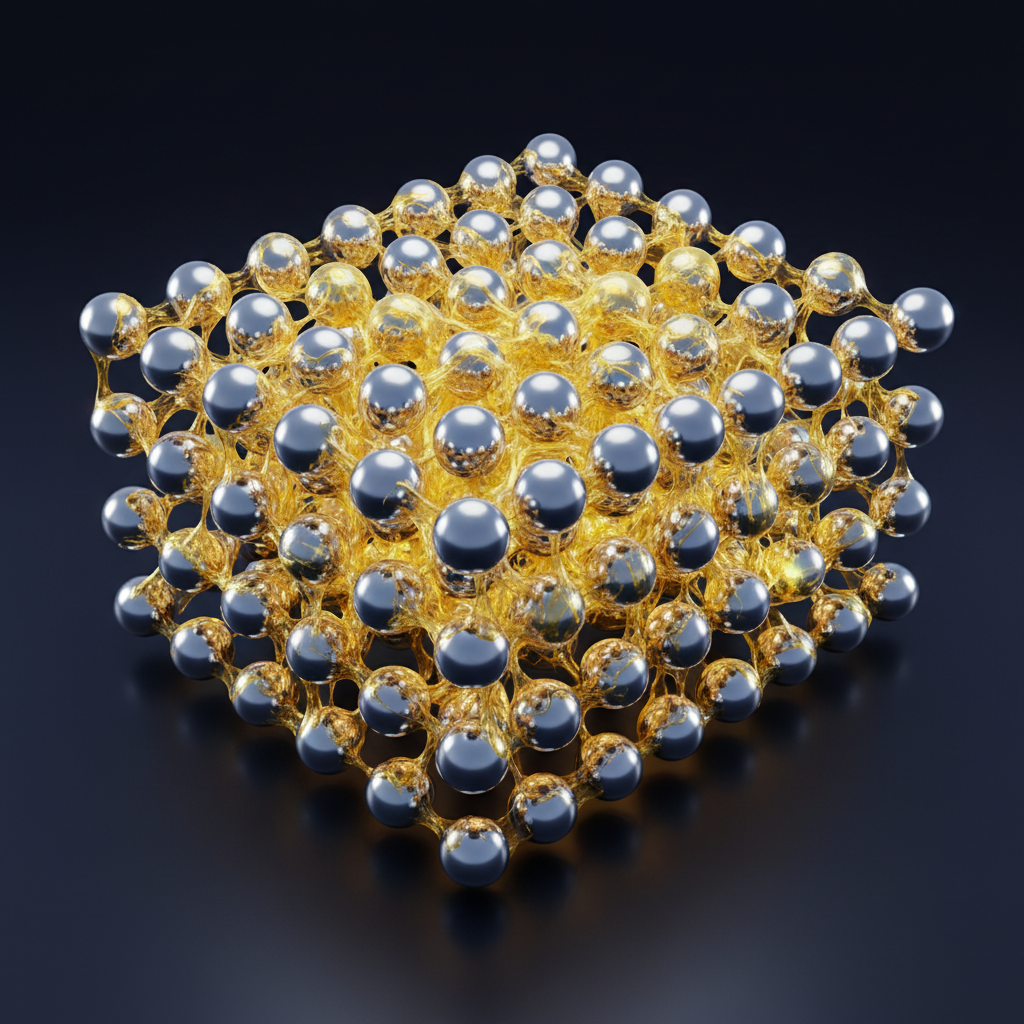
Metallic Bonding: Sea of Electrons
In metals, electrons don't belong to just one atom. They are free to move around like a flowing sea. This 'glue' holds the metal atoms together and is why metals conduct electricity.
Bond Strength Comparison (Examples)
This chart compares the energy required to break different types of bonds (Bond Dissociation Energy).
Conclusions
Ionic bonds transfer electrons and create charged ions.
Covalent bonds share electrons to maximize stability.
Metallic bonds allow electrons to flow freely.
These forces determine properties like hardness and conductivity.
References
Brown, T. L., LeMay, H. E., Bursten, B. E., & Murphy, C. J. (2009). Chemistry: The Central Science.
Zumdahl, S. S., & Zumdahl, S. A. (2014). Chemistry. Cengage Learning.
Chang, R. (2010). Chemistry. McGraw-Hill Education.
Thank You!
- chemistry
- intramolecular-forces
- chemical-bonding
- ionic-bonding
- covalent-bonding
- metallic-bonding
- science-education