

Made byBobr AI

Investing in Bauska Castle: History & Future Prospects

Explore the history of Bauska Castle, from its 1443 Livonian origins to its rebirth as a museum and cultural tourism hub. Discover architectural facts and investment opportunities.

#bauska-castle#livonian-heritage#cultural-tourism#latvia-history#historic-preservation#museum-development
Watch
Pitch

Bauskas Pils

A Historic Investment Opportunity: Preserving Livonian Heritage

Made byBobr AI

The Challenge: Vanishing History

  • Centuries of warfare (17th & 18th century) left significant damage to Livonian infrastructure.
  • Need for sustainable preservation of dual-architecture sites (Fortress + Palace).
  • Modern tourism demands immersive, educational experiences rather than static ruins.
Made byBobr AI

The Solution: Bauska Castle Complex

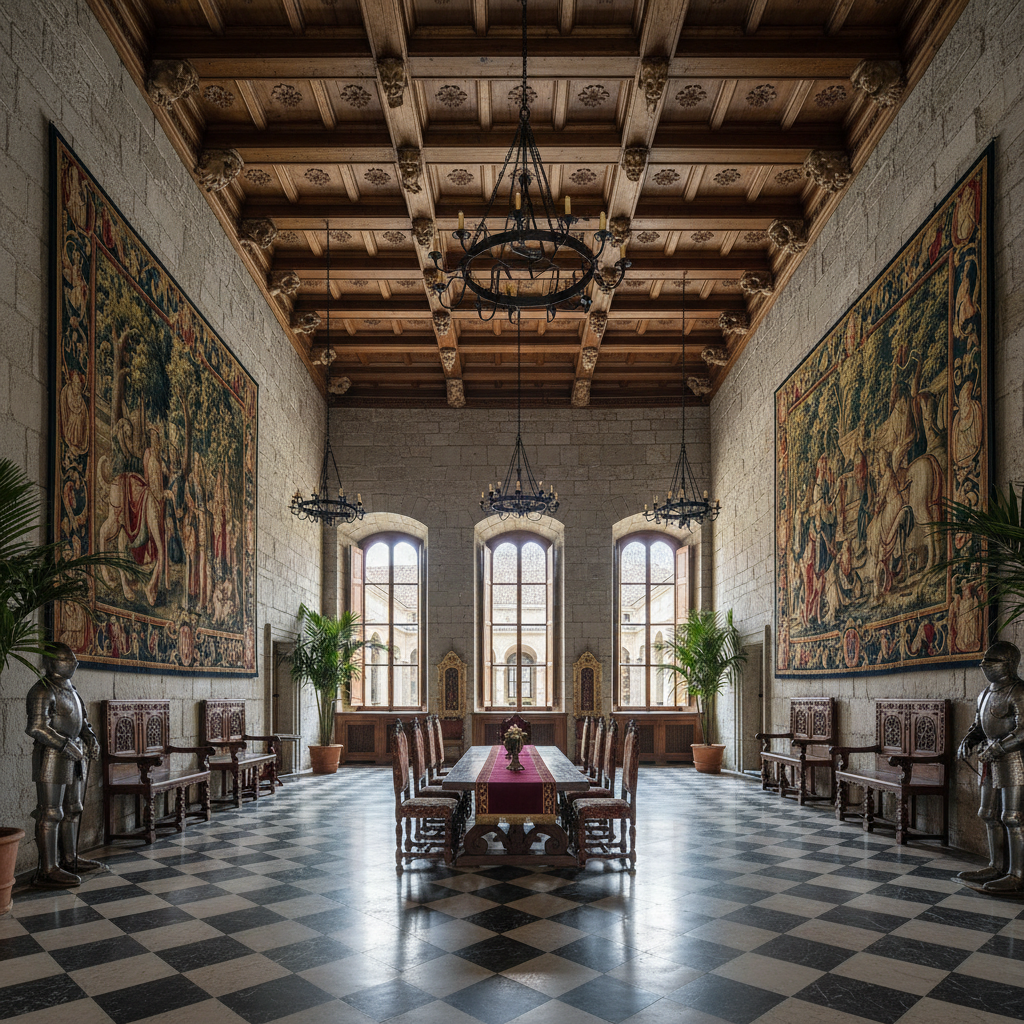
A unique historical asset situated at the confluence of the Mūsa and Mēmele rivers. Reborn as a museum and cultural center.

Livonian Fortress

Old Castle (15th Century) built for defense against invasions.

Ducal Residence

New Castle (16th Century) featuring Renaissance & Mannerism style.

Made byBobr AI

Fact 1: Founded in 1443

Origins of the Fortress

Construction initiated by Livonian Order Master Heidenreich von Finke (1438–1450).

First documented in a letter in 1443, which is traditionally considered the founding year.

Made byBobr AI

Fact 2: Architectural Scale

Data from historical survey & reconstruction

Chart
Made byBobr AI

Fact 3: Military Purpose

Constructed as a strategic shield at the confluence of rivers.

  • Built for firearm defense with 3.5m thick walls.
  • Five towers positioned for artillery use.
  • Primary protection against Lithuanian raids.
Made byBobr AI

Fact 4: The Ducal Residence

In the 16th Century (1596), the castle was transformed. It moved from purely military utility to a symbol of power and luxury for the Dukes of Courland.

Mannerism / Renaissance Style

Administrative Center of Bauska Fogtija

Made byBobr AI

Fact 5: Destruction & Preservation

The Fall

Multiple captures by Swedes (1625) and Russians (1705). Partially blown up in 1706 and abandoned.

The Rise

Reconstructed in 2008 as a major museum. Now demonstrates 15th-18th century fortification systems.

Made byBobr AI

Business Model: Cultural Tourism

Museum Exhibitions
Educational Tours
Medieval Festivals
Facility Rentals

Leveraging historical significance to drive diverse revenue streams while funding ongoing preservation efforts.

Made byBobr AI

Invest in Living History

Contact us to discuss partnership opportunities for the Bauska Castle preservation and development.

Bauskas Pils Muzejs | 2026
Made byBobr AI
Bobr AI

DESIGNER-MADE
PRESENTATION,
GENERATED FROM
YOUR PROMPT

Create your own professional slide deck with real images, data charts, and unique design in under a minute.

Generate For Free

Investing in Bauska Castle: History & Future Prospects

Explore the history of Bauska Castle, from its 1443 Livonian origins to its rebirth as a museum and cultural tourism hub. Discover architectural facts and investment opportunities.

Bauskas Pils

A Historic Investment Opportunity: Preserving Livonian Heritage

The Challenge: Vanishing History

Centuries of warfare (17th & 18th century) left significant damage to Livonian infrastructure.

Need for sustainable preservation of dual-architecture sites (Fortress + Palace).

Modern tourism demands immersive, educational experiences rather than static ruins.

The Solution: Bauska Castle Complex

A unique historical asset situated at the confluence of the Mūsa and Mēmele rivers. Reborn as a museum and cultural center.

Livonian Fortress

Old Castle (15th Century) built for defense against invasions.

Ducal Residence

New Castle (16th Century) featuring Renaissance & Mannerism style.

Fact 1: Founded in 1443

Origins of the Fortress

Construction initiated by Livonian Order Master Heidenreich von Finke (1438–1450).

First documented in a letter in 1443, which is traditionally considered the founding year.

Fact 2: Architectural Scale

Data from historical survey & reconstruction

Fact 3: Military Purpose

Constructed as a strategic shield at the confluence of rivers.

Built for firearm defense with 3.5m thick walls.

Five towers positioned for artillery use.

Primary protection against Lithuanian raids.

Fact 4: The Ducal Residence

In the 16th Century (1596), the castle was transformed. It moved from purely military utility to a symbol of power and luxury for the Dukes of Courland.

Mannerism / Renaissance Style

Administrative Center of Bauska Fogtija

Fact 5: Destruction & Preservation

The Fall

Multiple captures by Swedes (1625) and Russians (1705). Partially blown up in 1706 and abandoned.

The Rise

Reconstructed in 2008 as a major museum. Now demonstrates 15th-18th century fortification systems.

Business Model: Cultural Tourism

Museum Exhibitions

Educational Tours

Medieval Festivals

Facility Rentals

Leveraging historical significance to drive diverse revenue streams while funding ongoing preservation efforts.

Invest in Living History

Contact us to discuss partnership opportunities for the Bauska Castle preservation and development.

Bauskas Pils Muzejs | 2026

  • bauska-castle
  • livonian-heritage
  • cultural-tourism
  • latvia-history
  • historic-preservation
  • museum-development