

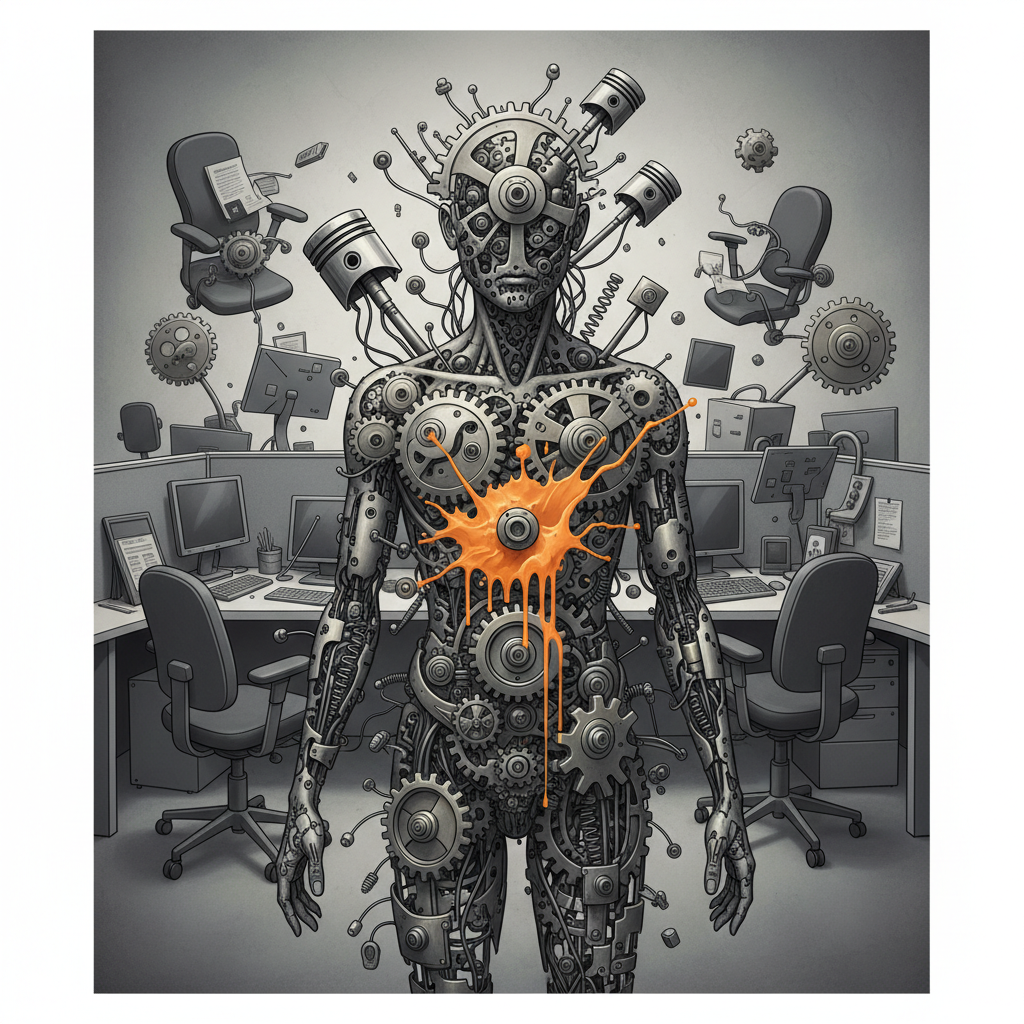








Fostering Dignity: Combatting Employee Dehumanization
Learn how to recognize and reduce employee dehumanization to improve mental health, productivity, and workplace culture. Practical tips for managers.
Reducing Employee Dehumanization at Work
How to Respect, Value, and Support Every Team Member
What is Employee Dehumanization?
Treating employees like tools, not people
Ignoring their feelings, needs, or individuality
Focusing only on results and productivity
Why It Happens
Pressure to meet goals and deadlines
Overemphasis on efficiency and profits
Lack of recognition or personal connection
How It Affects Employees
Low motivation and engagement
Stress, burnout, and dissatisfaction
Feeling like a “number” instead of a valued human
The Role of Self-Perception
When employees are treated as tools, they may start seeing themselves that way.
This effectively leads to self-objectification.
Result: Lower confidence and decreased well-being.
The Link to Identity
Work is a major part of who we are. Feeling dehumanized can cause a psychological disconnect, reducing meaning and pride.
Why Reducing Dehumanization Matters
Supports mental health and job satisfaction
Improves teamwork and collaboration
Increases overall productivity and long-term success
How Companies Can Help
Recognize employees as humans, not just workers
Show appreciation and provide feedback
Encourage personal growth and autonomy
Create a supportive and respectful culture
How Employees Can Contribute
Speak up if you feel undervalued
Support your colleagues
Share ideas and give constructive feedback
Celebrate achievements, big and small
Key Takeaways
Every employee deserves respect and dignity.
Dehumanization harms both people and business logic.
Together, we can create a workplace where everyone thrives.
Thank You
Let's build a better workplace.
- workplace-culture
- employee-engagement
- leadership
- mental-health-at-work
- human-resources
- management-tips
- productivity