







Made byBobr AI

Biotransformation & Detoxification Foundations for Nurses

Learn the three phases of detoxification in functional medicine: activation, neutralization, and elimination. Essential foundations for clinical biotransformation.

#biotransformation#functional-medicine#detoxification-phases#liver-health#nutritional-nursing#metabolic-health#clinical-nutrition
Watch
Pitch

Detoxification Is a Capacity, Not a Protocol

Foundations of Biotransformation

  • Detoxification is a continuous physiological process, not an event
  • Reflects the body’s ability to process and eliminate internal and external burden
  • It is not an intervention or cleanse
  • Capacity determines tolerance and resilience

(Kalra, 2023)

Made byBobr AI

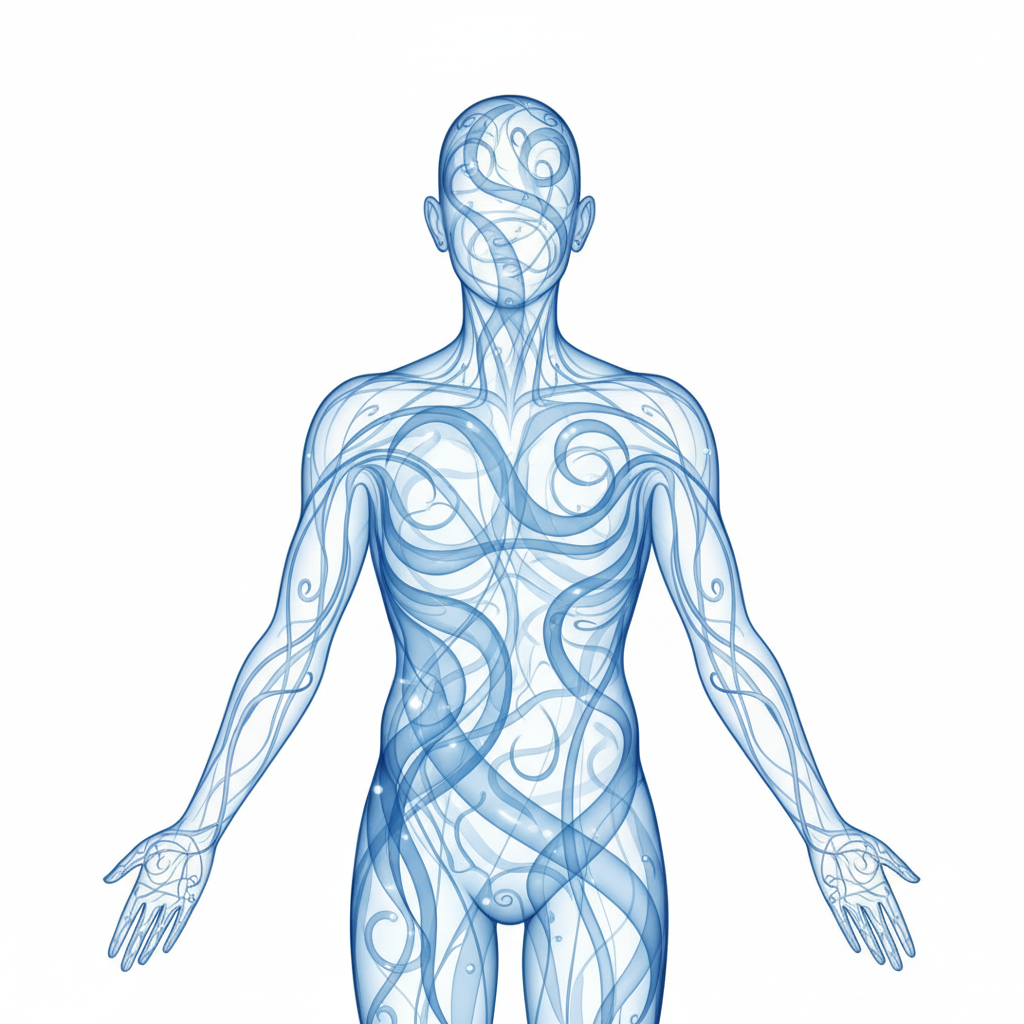
Detoxification Is a Whole-Systems Function

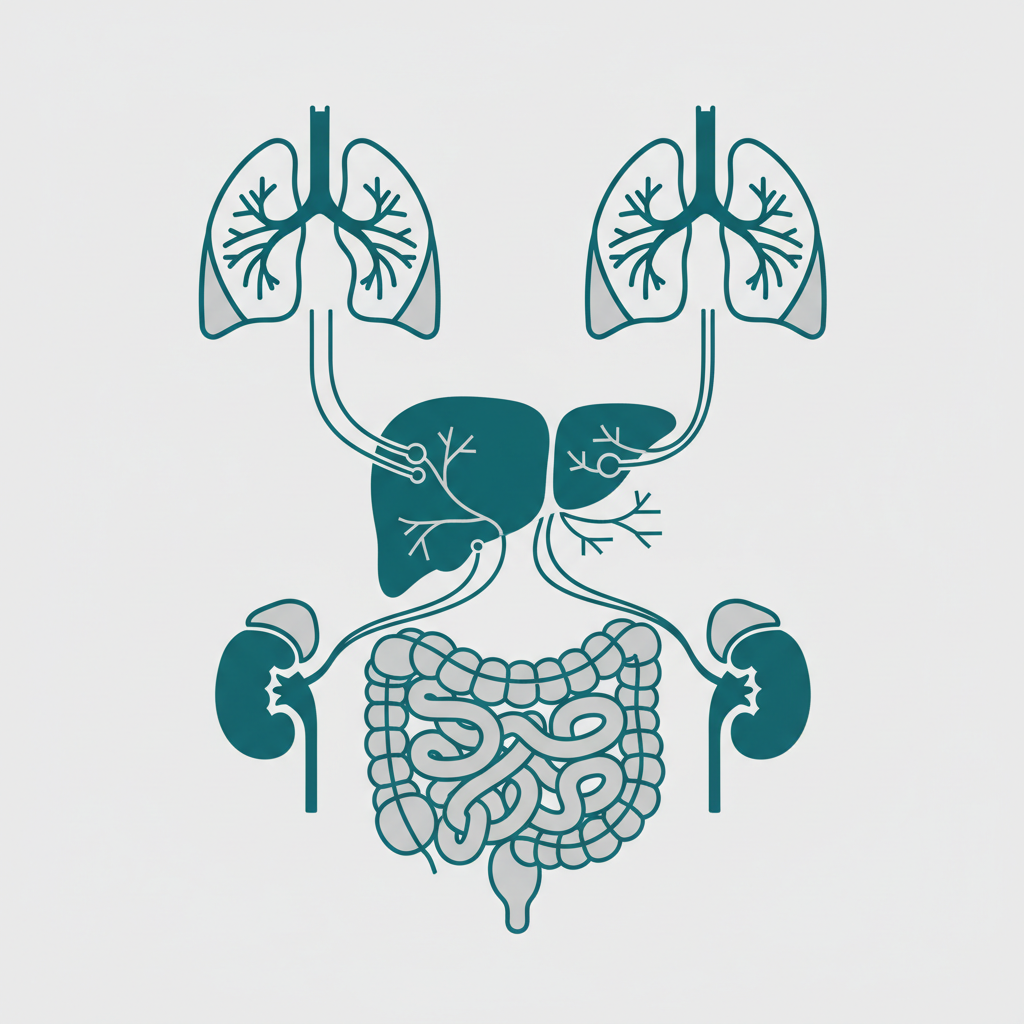
  • The liver coordinates but does not act alone
  • Multiple systems (gut, kidneys, skin, lymph) participate simultaneously
  • Detoxification depends on flow, not force

(Kalra, 2023)

Made byBobr AI

Why a Phased Model Matters

1.Detoxification unfolds in sequential phases
2.Each phase has unique biological requirements
3.Imbalance between phases increases symptoms (mobilizing without clearing)
(Hodges & Minich, 2015)
Made byBobr AI

Overview of Detoxification Phases

01

Phase I: Activation & Modification

02

Phase II: Neutralization & Conjugation

03

Phase III: Transport & Elimination

(Hodges & Minich, 2015)

Made byBobr AI

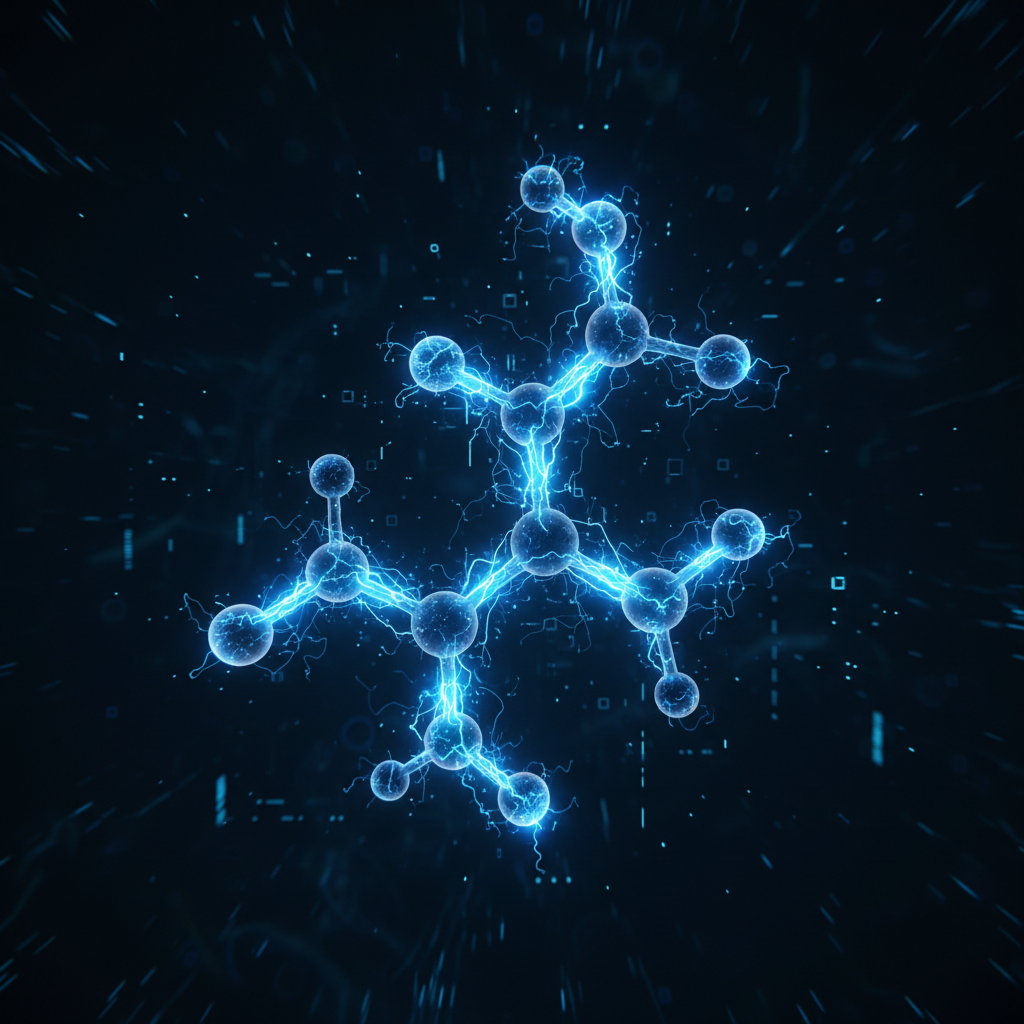
Phase I: Activation Phase

  • Transforms fat-soluble compounds
  • Produces reactive intermediates (often more toxic)
  • Increases overall processing demand
Made byBobr AI

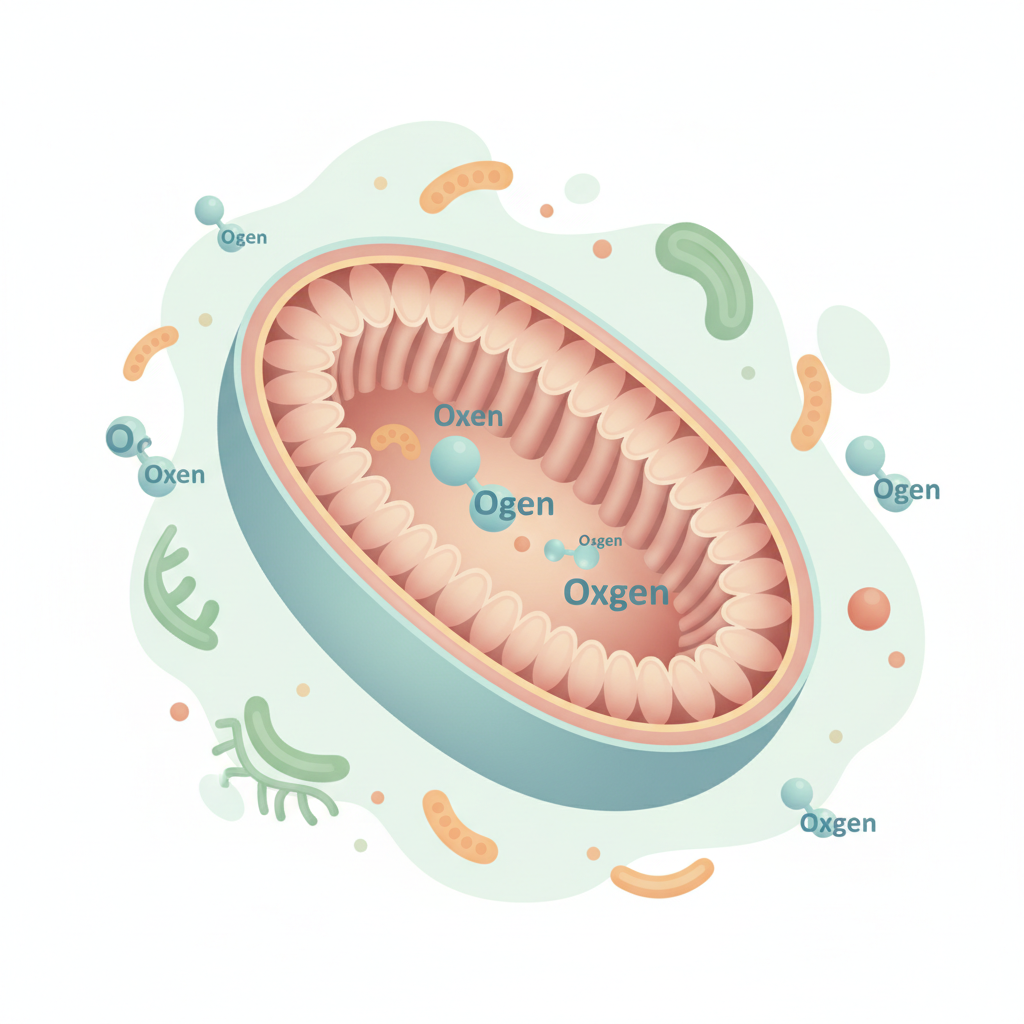
Phase I Physiological Requirements

  • Oxygen and enzyme activity (Cytochrome P450)
  • Micronutrient availability (primary cofactors)
  • Adequate mitochondrial energy (ATP)
  • Low inflammatory load

(Hodges & Minich, 2015)

Made byBobr AI

Phase I Overload Patterns

Clinical Signs Nurses Observe

  • Headaches or brain fog
  • Fatigue or agitation
  • Chemical sensitivity
  • Feeling worse with detox attempts

Sánchez-Gómez et al., 2016

Made byBobr AI

Phase II: Neutralization Phase

Packages reactive intermediates from Phase I to make them safe.
Converts fat-soluble toxins into water-soluble compounds for elimination.

Prepares substances for proper excretion via urine or bile.

(Hodges & Minich, 2015)

Made byBobr AI

Phase II Conjugation Pathways

Glutathione Conjugation
Sulfation
Glucuronidation
Methylation & Acetylation

(Hodges & Minich, 2015)

Made byBobr AI

Phase II Functional Requirements

  • Adequate protein intake (amino acids)
  • Micronutrient sufficiency (B vitamins, Magnesium)
  • Antioxidant buffering
  • Nervous system regulation (Safety signals)

(Hodges & Minich, 2015)

Made byBobr AI

Phase II Overload Patterns

  • Prolonged reactions to exposures
  • Poor tolerance to medications or supplements
  • Inflammatory flares after stress
  • Heightened sensitivity

Sánchez-Gómez et al., 2016

Made byBobr AI

Phase III: Elimination Phase

➤ Moves compounds out of the body

➤ Depends on transport and flow

➤ Requires intact exit pathways

(Kalra, 2023)

Made byBobr AI

Primary Elimination Routes

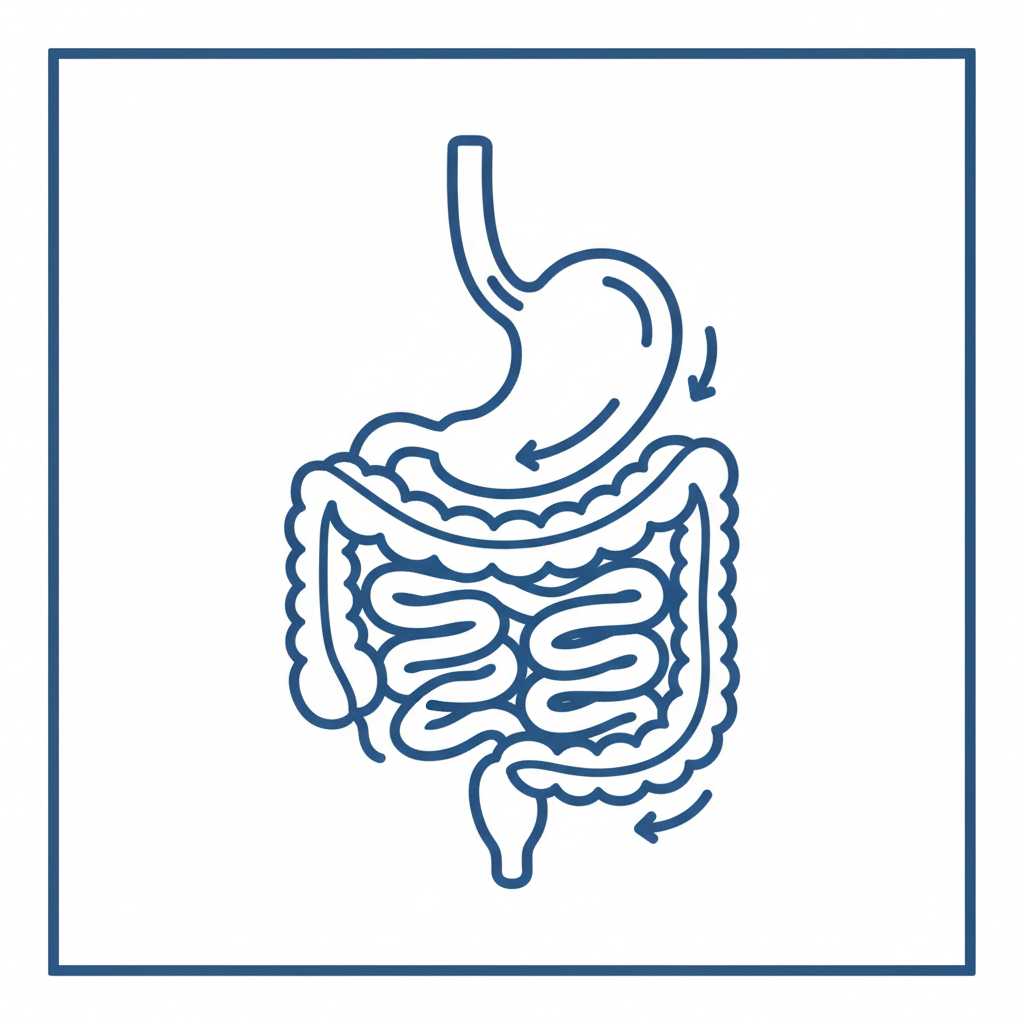
Bile and Stool
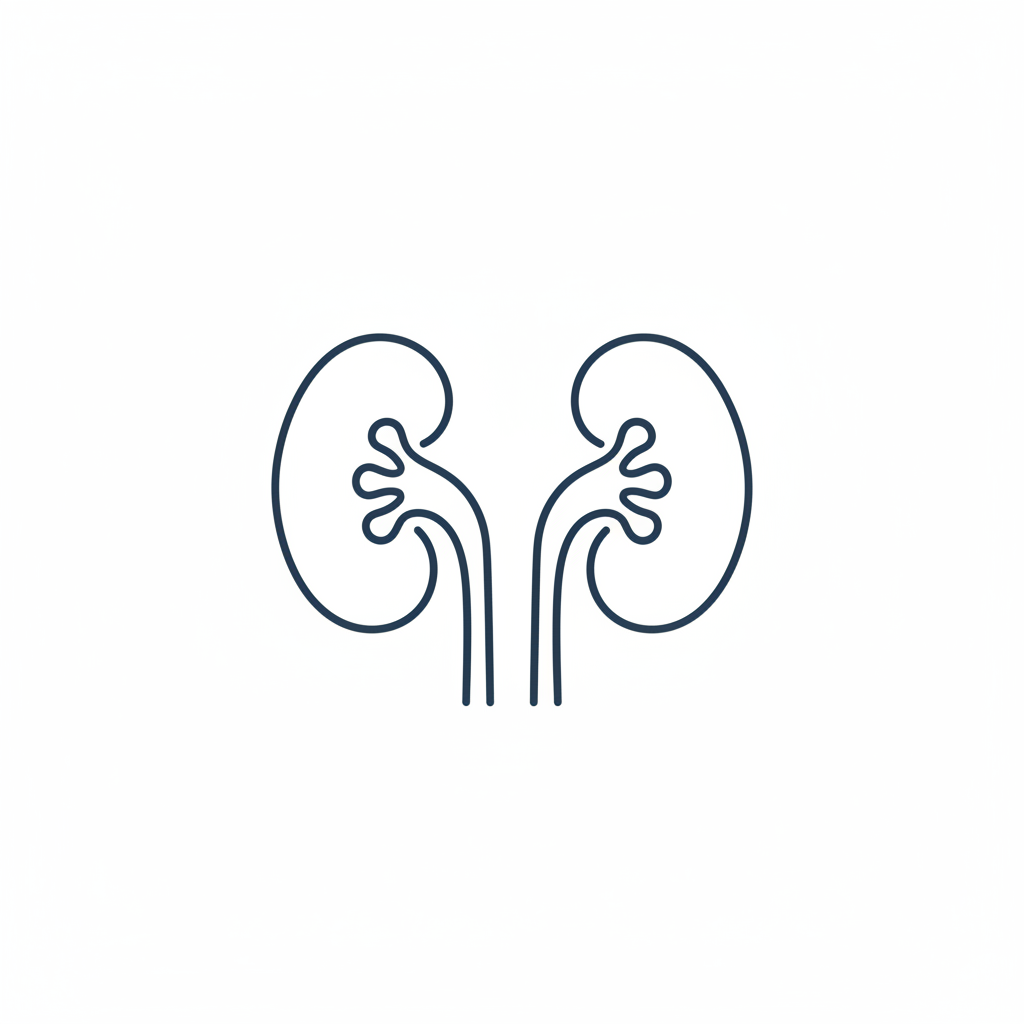
Urine
Sweat and Respiration
Lymphatic Movement

(Kalra, 2023)

Made byBobr AI

Common Elimination Barriers

⛔ Constipation
⛔ Dehydration
⛔ Sedentary Patterns
⛔ Poor Sleep Timing
Made byBobr AI

Detoxification Requires Energy

  • All phases require ATP
  • Mitochondrial capacity limits throughput
  • Fatigue reduces detox efficiency

Sánchez-Gómez et al., 2016

Made byBobr AI

Detoxification in the Functional Systems Model

  • Energy node supplies capacity
  • Gut node governs elimination
  • Defense and repair shapes burden
  • Nervous system regulates flow

(Kalra, 2023)

Made byBobr AI

ATM Influences on Detox Capacity

A

Antecedents: Shape baseline tolerance

T

Triggers: Increase burden

M

Mediators: Sustain overload

Sánchez-Gómez et al., 2016

Made byBobr AI

Nursing Role and Scope Anchor

  • Recognize overload patterns
  • Educate on capacity-supporting foundations
  • Reduce environmental burden when possible
  • Refer when red flags appear
Made byBobr AI

Key Takeaway

Detoxification succeeds through balance and flow

Supporting capacity prevents symptom escalation

Sequencing matters more than intensity

Made byBobr AI
Bobr AI

DESIGNER-MADE
PRESENTATION,
GENERATED FROM
YOUR PROMPT

Create your own professional slide deck with real images, data charts, and unique design in under a minute.

Generate For Free

Biotransformation & Detoxification Foundations for Nurses

Learn the three phases of detoxification in functional medicine: activation, neutralization, and elimination. Essential foundations for clinical biotransformation.

Detoxification Is a Capacity, Not a Protocol

Foundations of Biotransformation

Detoxification is a continuous physiological process, not an event

Reflects the body’s ability to process and eliminate internal and external burden

It is not an intervention or cleanse

Capacity determines tolerance and resilience

(Kalra, 2023)

Detoxification Is a Whole-Systems Function

The liver coordinates but does not act alone

Multiple systems (gut, kidneys, skin, lymph) participate simultaneously

Detoxification depends on flow, not force

(Kalra, 2023)

Why a Phased Model Matters

Detoxification unfolds in sequential phases

Each phase has unique biological requirements

Imbalance between phases increases symptoms (mobilizing without clearing)

(Hodges & Minich, 2015)

Overview of Detoxification Phases

Phase I: Activation & Modification

Phase II: Neutralization & Conjugation

Phase III: Transport & Elimination

(Hodges & Minich, 2015)

Phase I: Activation Phase

Transforms fat-soluble compounds

Produces reactive intermediates (often more toxic)

Increases overall processing demand

Phase I Physiological Requirements

Oxygen and enzyme activity (Cytochrome P450)

Micronutrient availability (primary cofactors)

Adequate mitochondrial energy (ATP)

Low inflammatory load

(Hodges & Minich, 2015)

Phase I Overload Patterns

Clinical Signs Nurses Observe

Headaches or brain fog

Fatigue or agitation

Chemical sensitivity

Feeling worse with detox attempts

Sánchez-Gómez et al., 2016

Phase II: Neutralization Phase

Packages reactive intermediates from Phase I to make them safe.

Converts fat-soluble toxins into water-soluble compounds for elimination.

Prepares substances for proper excretion via urine or bile.

(Hodges & Minich, 2015)

Phase II Conjugation Pathways

Glutathione Conjugation

Sulfation

Glucuronidation

Methylation & Acetylation

(Hodges & Minich, 2015)

Phase II Functional Requirements

Adequate protein intake (amino acids)

Micronutrient sufficiency (B vitamins, Magnesium)

Antioxidant buffering

Nervous system regulation (Safety signals)

(Hodges & Minich, 2015)

Phase II Overload Patterns

Prolonged reactions to exposures

Poor tolerance to medications or supplements

Inflammatory flares after stress

Heightened sensitivity

Sánchez-Gómez et al., 2016

Phase III: Elimination Phase

Moves compounds out of the body

Depends on transport and flow

Requires intact exit pathways

(Kalra, 2023)

Primary Elimination Routes

Bile and Stool

Urine

Sweat and Respiration

Lymphatic Movement

(Kalra, 2023)

Common Elimination Barriers

Constipation

Dehydration

Sedentary Patterns

Poor Sleep Timing

Detoxification Requires Energy

All phases require ATP

Mitochondrial capacity limits throughput

Fatigue reduces detox efficiency

Sánchez-Gómez et al., 2016

Detoxification in the Functional Systems Model

Energy node supplies capacity

Gut node governs elimination

Defense and repair shapes burden

Nervous system regulates flow

(Kalra, 2023)

ATM Influences on Detox Capacity

Antecedents: Shape baseline tolerance

Triggers: Increase burden

Mediators: Sustain overload

Sánchez-Gómez et al., 2016

Nursing Role and Scope Anchor

Recognize overload patterns

Educate on capacity-supporting foundations

Reduce environmental burden when possible

Refer when red flags appear

Key Takeaway

Detoxification succeeds through balance and flow

Supporting capacity prevents symptom escalation

Sequencing matters more than intensity

  • biotransformation
  • functional-medicine
  • detoxification-phases
  • liver-health
  • nutritional-nursing
  • metabolic-health
  • clinical-nutrition