




Made byBobr AI

Analyzing Robert Frost's Stopping by Woods on a Snowy Evening

A deep dive into the themes, structure, and symbolism of Robert Frost's famous poem. Explore the conflict between social duty and the pull of nature.

#robert-frost#poetry-analysis#literary-devices#american-literature#stopping-by-woods#english-literature
Watch
Pitch

Stopping by Woods on a Snowy Evening

Robert Frost Poetry Discussion

Mathew Mansour
01/05

Made byBobr AI

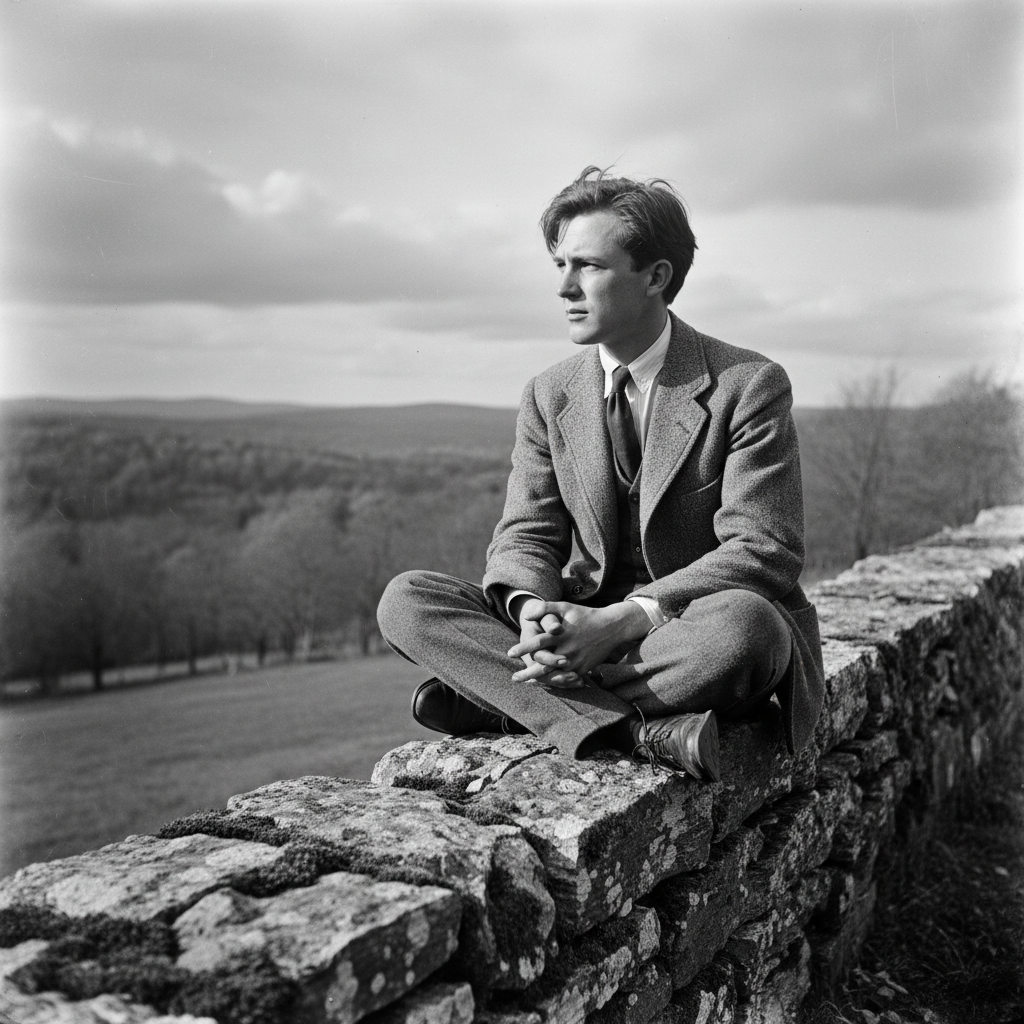
Robert Frost (1874-1963)

  • New England farmer-poet persona
  • Wrote 'Stopping by Woods' in June 1922
  • Theme: Battle between rest and duty
Made byBobr AI

Poem on the Page

  • Structure: 4 Quatrains (4 lines each)
  • Rhyme Scheme: AABA BBCB CCDC DDDD
  • Visual: Disciplined, regular shape blocks
Made byBobr AI

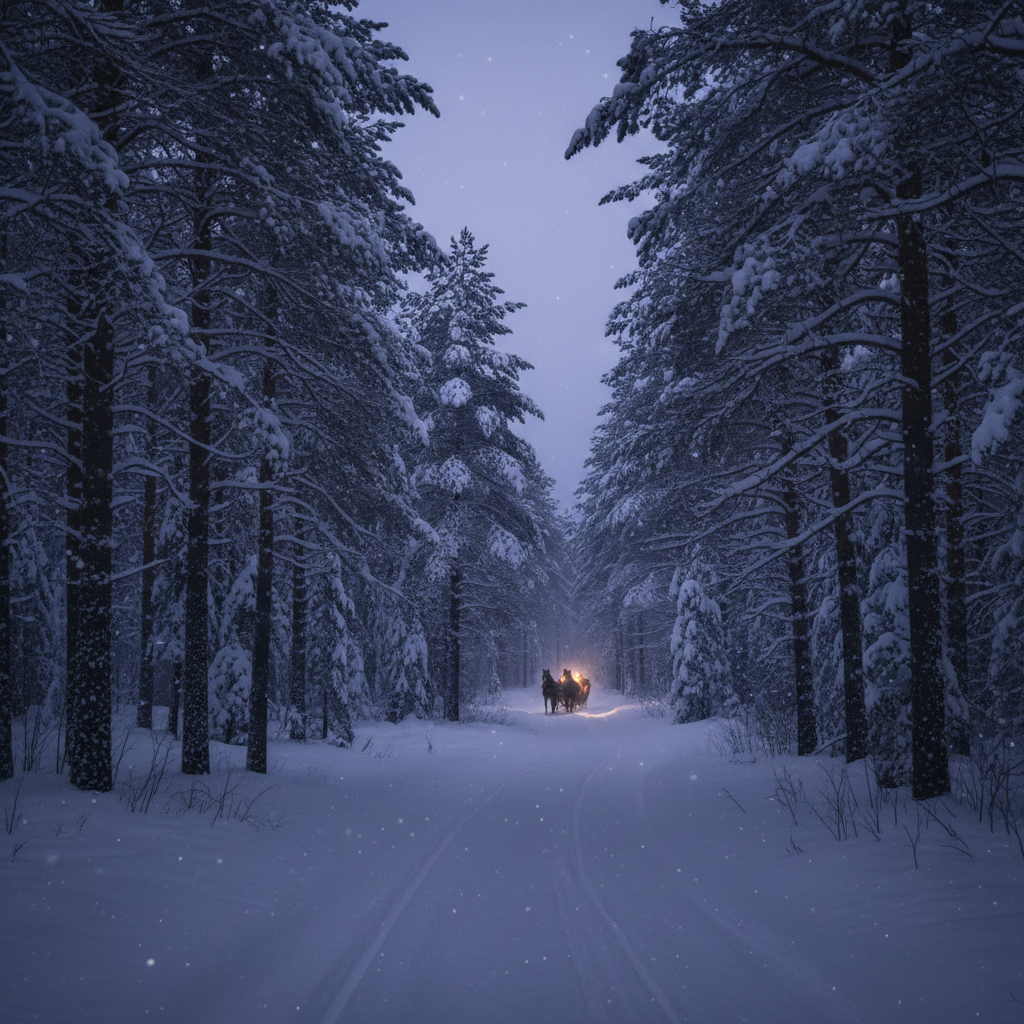
Whose woods these are I think I know.
His house is in the village though;
He will not see me stopping here
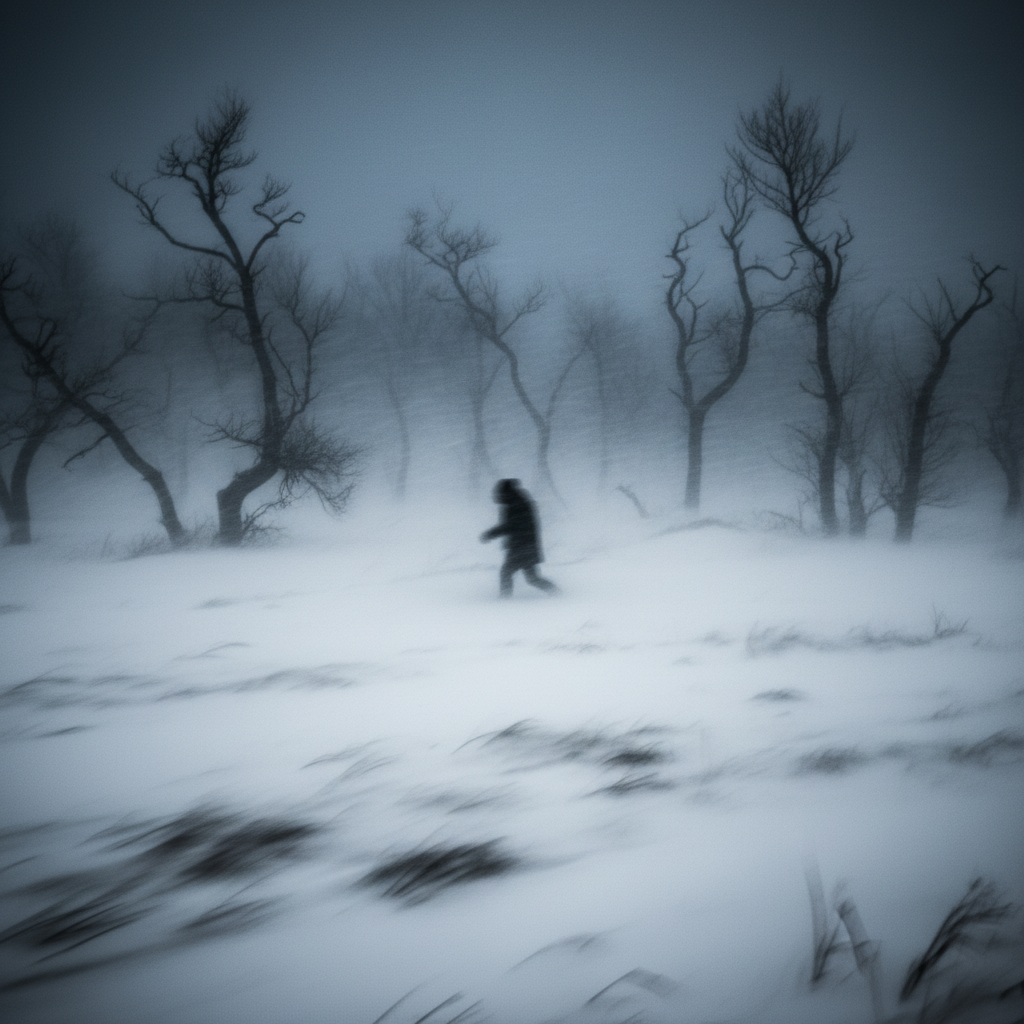
To watch his woods fill up with snow.

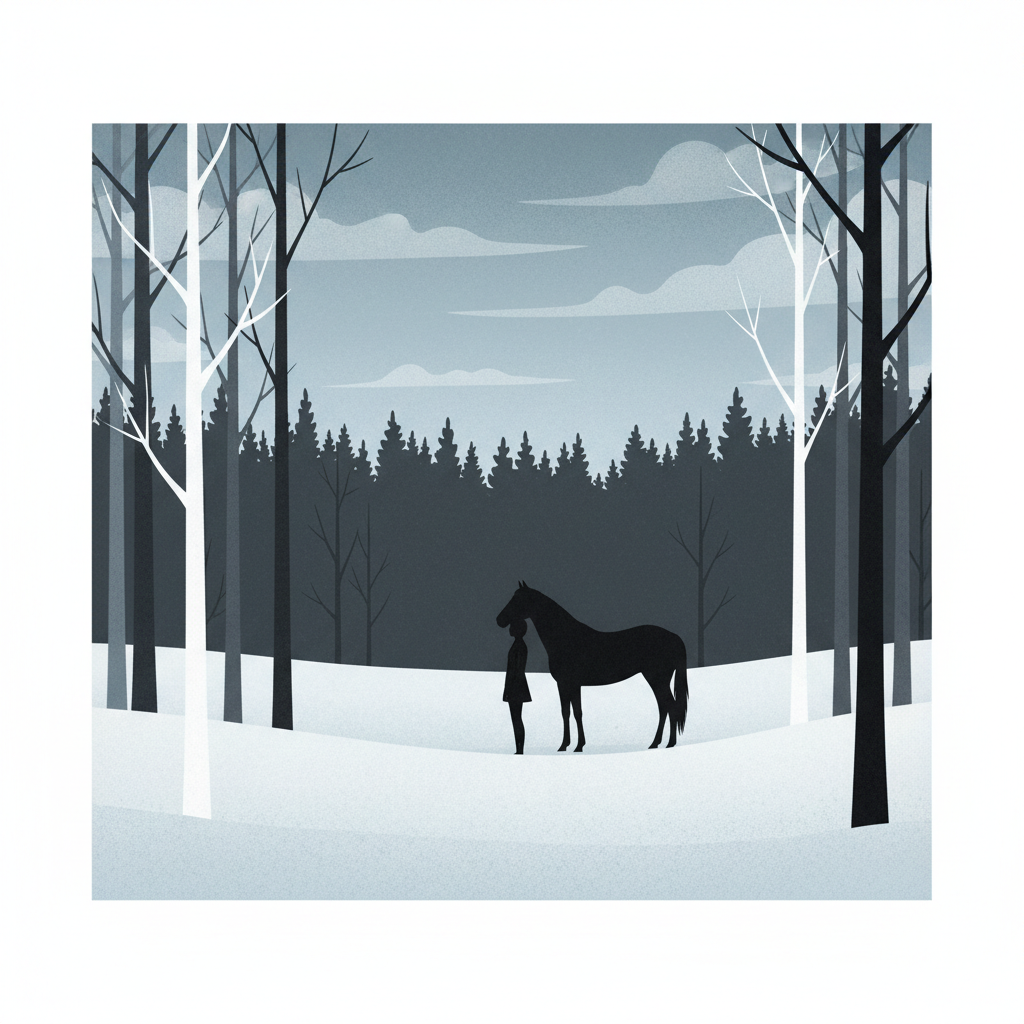
My little horse must think it queer
To stop without a farmhouse near
Between the woods and frozen lake
The darkest evening of the year.

He gives his harness bells a shake
To ask if there is some mistake.
The only other sound’s the sweep
Of easy wind and downy flake.

The woods are lovely, dark and deep,
But I have promises to keep,
And miles to go before I sleep,
And miles to go before I sleep.

Made byBobr AI

Regularize & Analyze

Surface: A simple stop to admire winter scenery

Symbolism: Woods = Seductive pull of rest/death

Conflict: 'Lovely' darkness vs. Social 'Promises'

Made byBobr AI

What is Not Said?

The Specific 'Promises'

He never defines his destination or obligation, only the burden of it.

The Desire for Silence

He doesn't say he wants to die, but lingers dangerously in the freezing cold.

Made byBobr AI

Poem's Anomalies

Deceptive Simplicity

Almost all monosyllabic words create a lullaby rhythm for a dark theme.

The Final Repetition

Repeating the line transforms it from miles of distance to years of life.

Made byBobr AI

Visual & Literary Imagery

  • PERSONIFICATION: The horse acts as the voice of reason/society.
  • AUDITORY IMAGERY: The silence vs. the 'sweep' of wind and bells.
  • SYMBOLISM: The 'Village' represents civilization/obligation.
Made byBobr AI

Works Cited

Frost, Robert. "Stopping by Woods on a Snowy Evening." 1923.

Poetry Foundation. "Robert Frost (1874-1963)."

Timmerman, John H. "Robert Frost: The Ethics of Ambiguity."

Made byBobr AI
Bobr AI

DESIGNER-MADE
PRESENTATION,
GENERATED FROM
YOUR PROMPT

Create your own professional slide deck with real images, data charts, and unique design in under a minute.

Generate For Free

Analyzing Robert Frost's Stopping by Woods on a Snowy Evening

A deep dive into the themes, structure, and symbolism of Robert Frost's famous poem. Explore the conflict between social duty and the pull of nature.

Stopping by Woods on a Snowy Evening

Robert Frost Poetry Discussion

Mathew Mansour<br>01/05

Robert Frost (1874-1963)

New England farmer-poet persona

Wrote 'Stopping by Woods' in June 1922

Theme: Battle between rest and duty

Poem on the Page

Structure: 4 Quatrains (4 lines each)

Rhyme Scheme: AABA BBCB CCDC DDDD

Visual: Disciplined, regular shape blocks

Whose woods these are I think I know.<br>His house is in the village though;<br>He will not see me stopping here<br>To watch his woods fill up with snow.

My little horse must think it queer<br>To stop without a farmhouse near<br>Between the woods and frozen lake<br>The darkest evening of the year.

He gives his harness bells a shake<br>To ask if there is some mistake.<br>The only other sound’s the sweep<br>Of easy wind and downy flake.

The woods are lovely, dark and deep,<br>But I have promises to keep,<br>And miles to go before I sleep,<br>And miles to go before I sleep.

Regularize & Analyze

Surface: A simple stop to admire winter scenery

Symbolism: Woods = Seductive pull of rest/death

Conflict: 'Lovely' darkness vs. Social 'Promises'

What is Not Said?

The Specific 'Promises'

He never defines his destination or obligation, only the burden of it.

The Desire for Silence

He doesn't say he wants to die, but lingers dangerously in the freezing cold.

Poem's Anomalies

Deceptive Simplicity

Almost all monosyllabic words create a lullaby rhythm for a dark theme.

The Final Repetition

Repeating the line transforms it from miles of distance to years of life.

Visual & Literary Imagery

PERSONIFICATION: The horse acts as the voice of reason/society.

AUDITORY IMAGERY: The silence vs. the 'sweep' of wind and bells.

SYMBOLISM: The 'Village' represents civilization/obligation.

Works Cited

Frost, Robert. "Stopping by Woods on a Snowy Evening." 1923.

Poetry Foundation. "Robert Frost (1874-1963)."

Timmerman, John H. "Robert Frost: The Ethics of Ambiguity."

  • robert-frost
  • poetry-analysis
  • literary-devices
  • american-literature
  • stopping-by-woods
  • english-literature