


Analyzing Robert Frost's Stopping by Woods on a Snowy Evening
Explore the themes, rhyme scheme, and subtext of Robert Frost's famous 1922 poem. A deep dive into New England imagery and existential poetic structures.
Stopping by Woods on a Snowy Evening
A Robert Frost Discussion Forum
The Author & The Poem
Robert Frost (1874–1963): Known for rural New England imagery.
Relation to Text: Inspired by an actual journey home.
Context: Written in 1922 after a night of exhaustion.
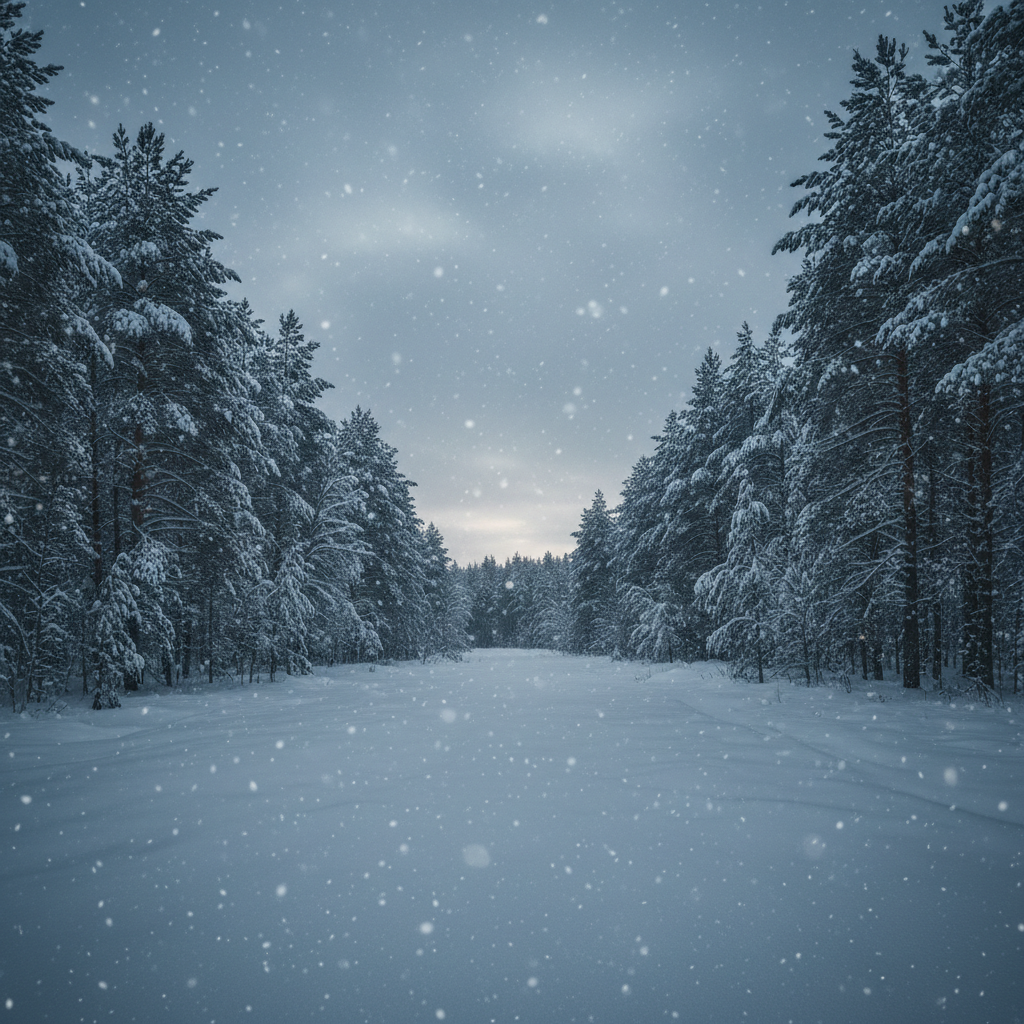
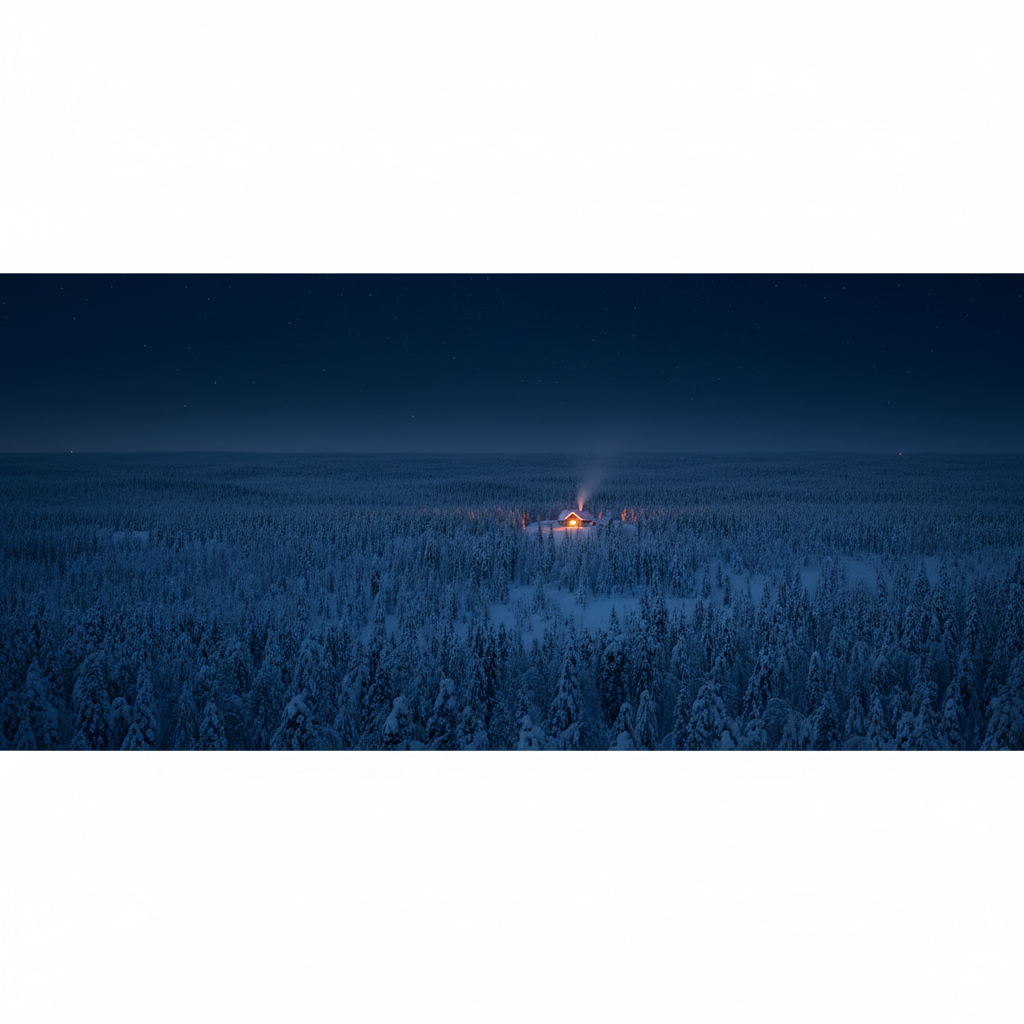
Whose woods these are I think I know.<br>His house is in the village though;<br>He will not see me stopping here<br>To watch his woods fill up with snow.
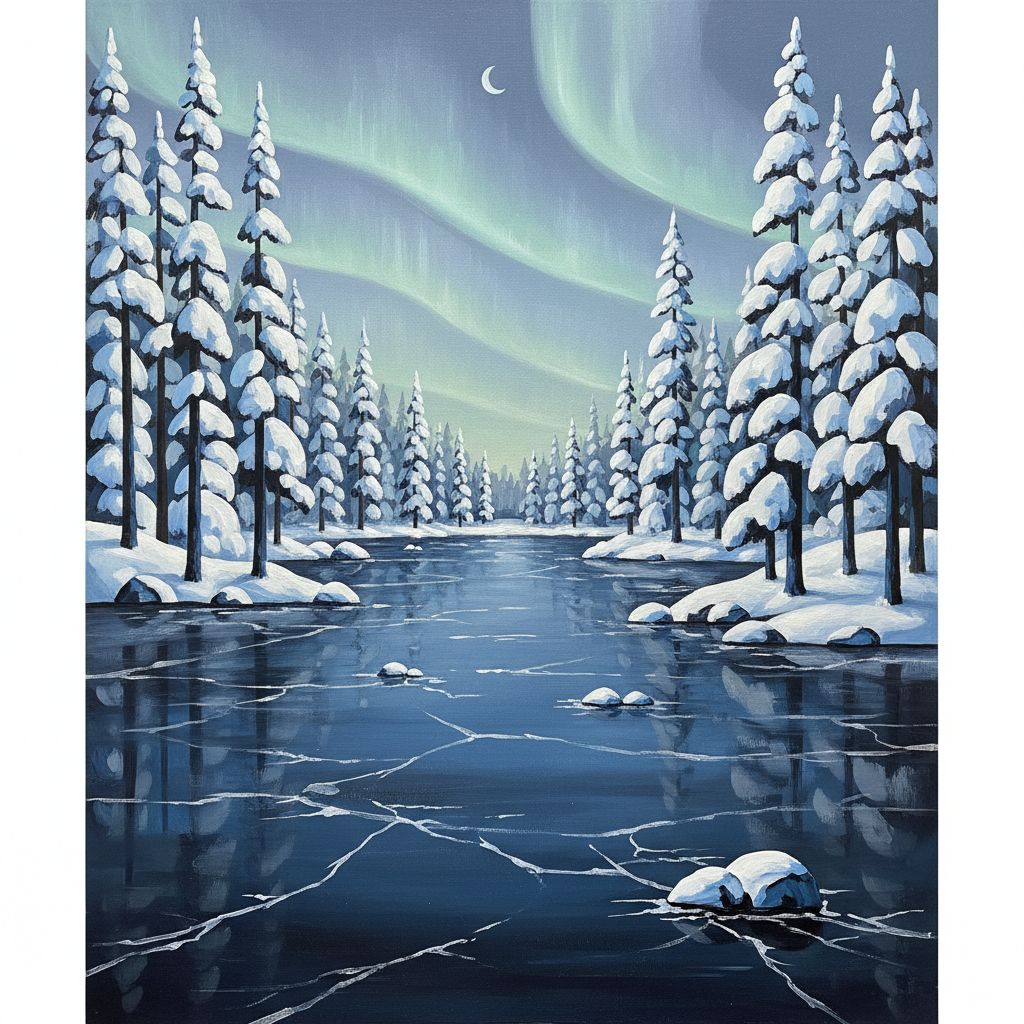
My little horse must think it queer<br>To stop without a farmhouse near<br>Between the woods and frozen lake<br>The darkest evening of the year.
He gives his harness bells a shake<br>To ask if there is some mistake.<br>The only other sound’s the sweep<br>Of easy wind and downy flake.
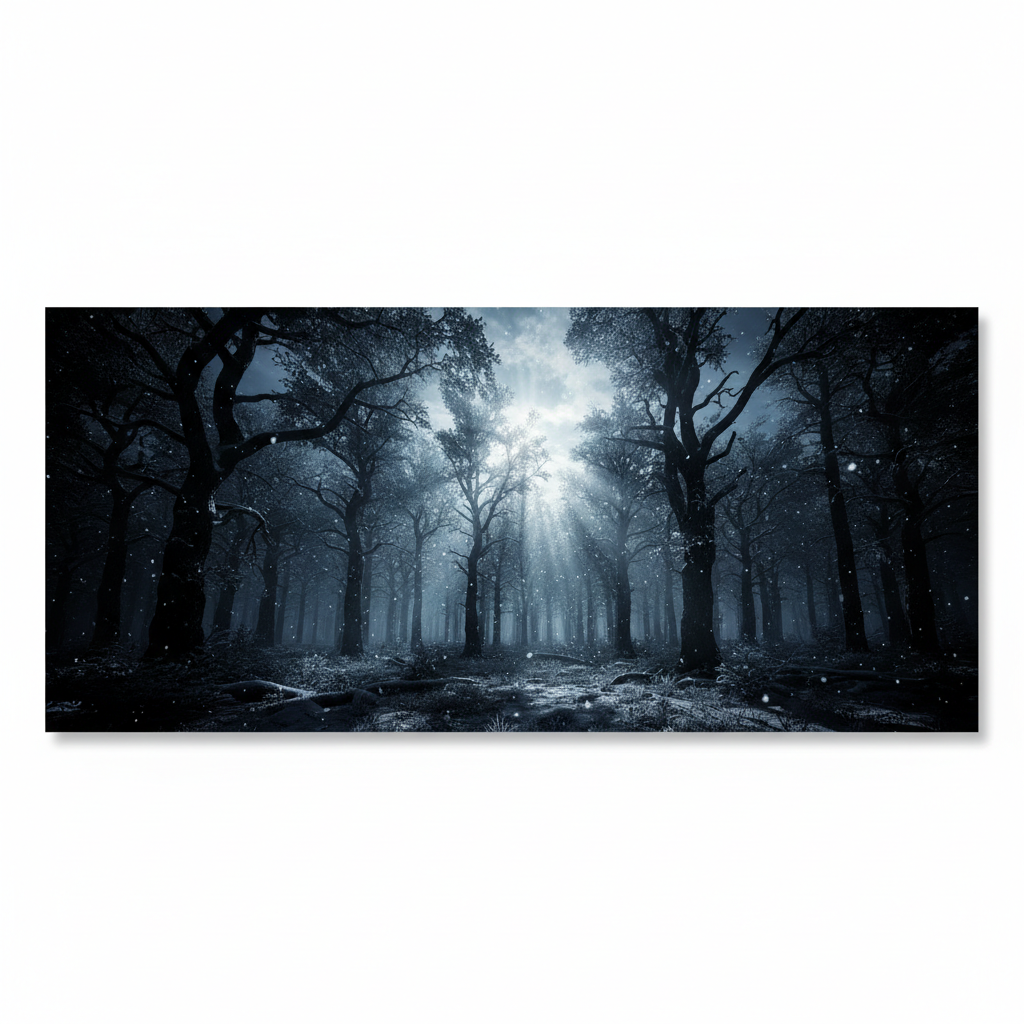
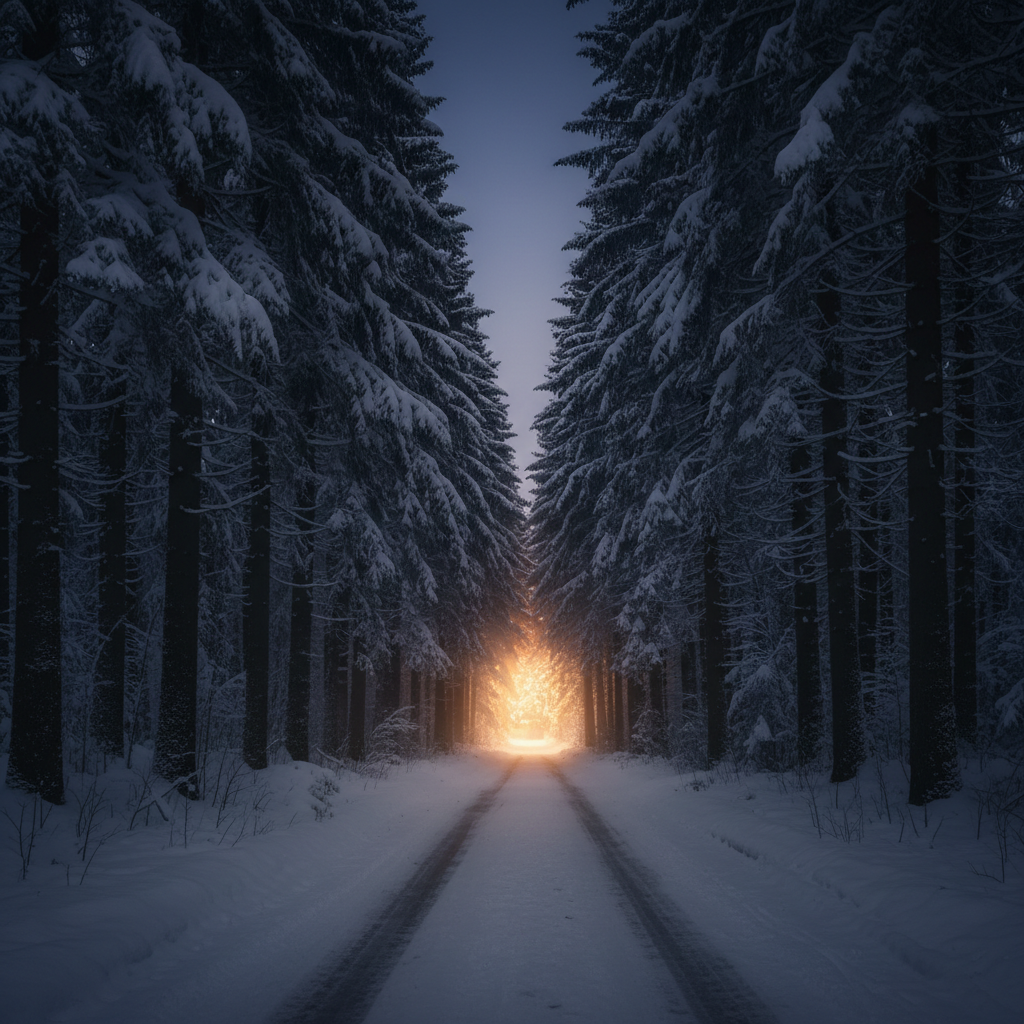
The woods are lovely, dark and deep,<br>But I have promises to keep,<br>And miles to go before I sleep,<br>And miles to go before I sleep.
Visual Appearance on the Page
Structure: Four uniform stanzas (Quatrains).
Alignment: Flush left, creating a solid 'block' of text.
Effect: Suggests order, stability, and containment.
Analysis: What is not said?
Regularizing the Subtext
Isolation
Speaker is alone; the owner is in the 'Village' (Society).
Nature vs. Civility
The horse represents practical duty; the speaker represents aesthetic temptation.
Anomaly: The Chain Rhyme
The rhyme scheme is linked, dragging the reader forward until the end.
Stanza 1: A A B A
Stanza 2: B B C B
Stanza 3: C C D C
Stanza 4: D D D D
Anomaly: Tone & Setting
Setting: 'The darkest evening of the year' (Solstice).
Tone: Deceptively simple rhythm vs. Existential heavy themes.
Repetition: 'Miles to go' repeated signals an almost hypnotic resignation.
Theme: The Pull of Restoration
The woods offer beauty, darkness, and rest (Death/Peace).
The 'Promises' represent social obligations and life (Action/Duty).
The speaker chooses to continue, but the longing remains.
Works Cited
Frost, Robert. "Stopping by Woods on a Snowy Evening." New Hampshire. Henry Holt, 1923.
Images generated via diffusion models for educational illustration.
- robert-frost
- poetry-analysis
- literature
- literary-devices
- american-poetry
- educational