

Police Patrol Techniques: Concepts and Officer Safety
Explore fundamental police patrol strategies, security check indicators, and officer safety habits based on modern law enforcement training concepts.
LD 21: Patrol Techniques
Basic Concepts, Strategies, and Officer Safety
Fundamental Elements of Patrol
Provide public safety and isolation from criminal activity.
Address the public's concerns and needs efficiently and professionally.
Patrol Strategies
Preventative Patrol
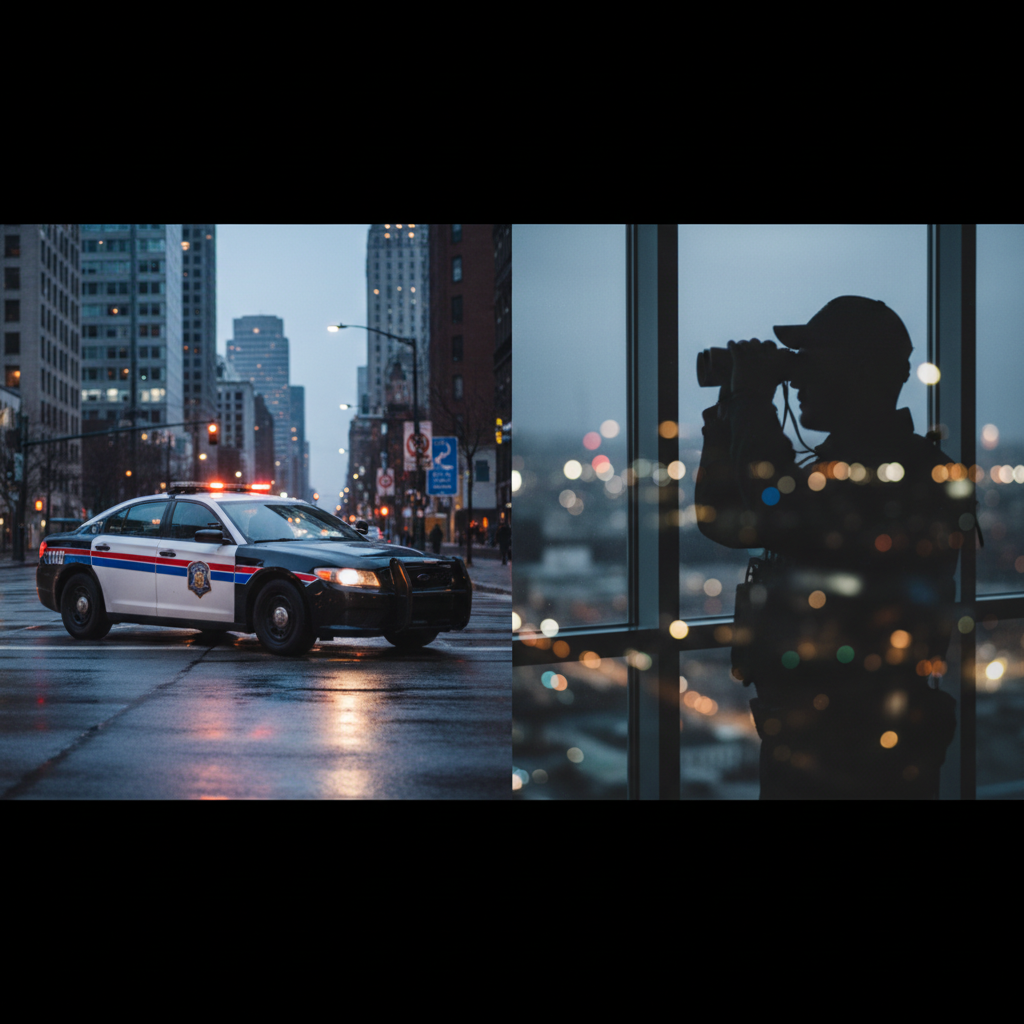
Highly visible presence to discourage unlawful activity. Example: Driving through a parking structure to dissuade auto theft.
Directed Enforcement
Concentrating on specific problems, persons, or areas based on data. Example: Surveillance of a high-theft area to catch thieves in the act.
The Trained Observer
Observation: Gathering information by noting facts with heightened awareness.
Perception: Interpreting what is observed based on training and experience.
Must use all senses (sight, hearing, smell) to detect criminal activity.
Conducting Security Checks
Indicators of Criminal Activity & Techniques
What to Look For
• Broken windows or open doors • Pry marks around entry points • Cut phone or power lines • Lights off that are normally on • Suspicious vehicles or persons
Techniques
• Cover secondary areas (alleys/walkways) • Vary patrol patterns to avoid predictability • Use varied speeds & stop frequently • Use appropriate lighting (spotlights/alley lights) • Physically check doors
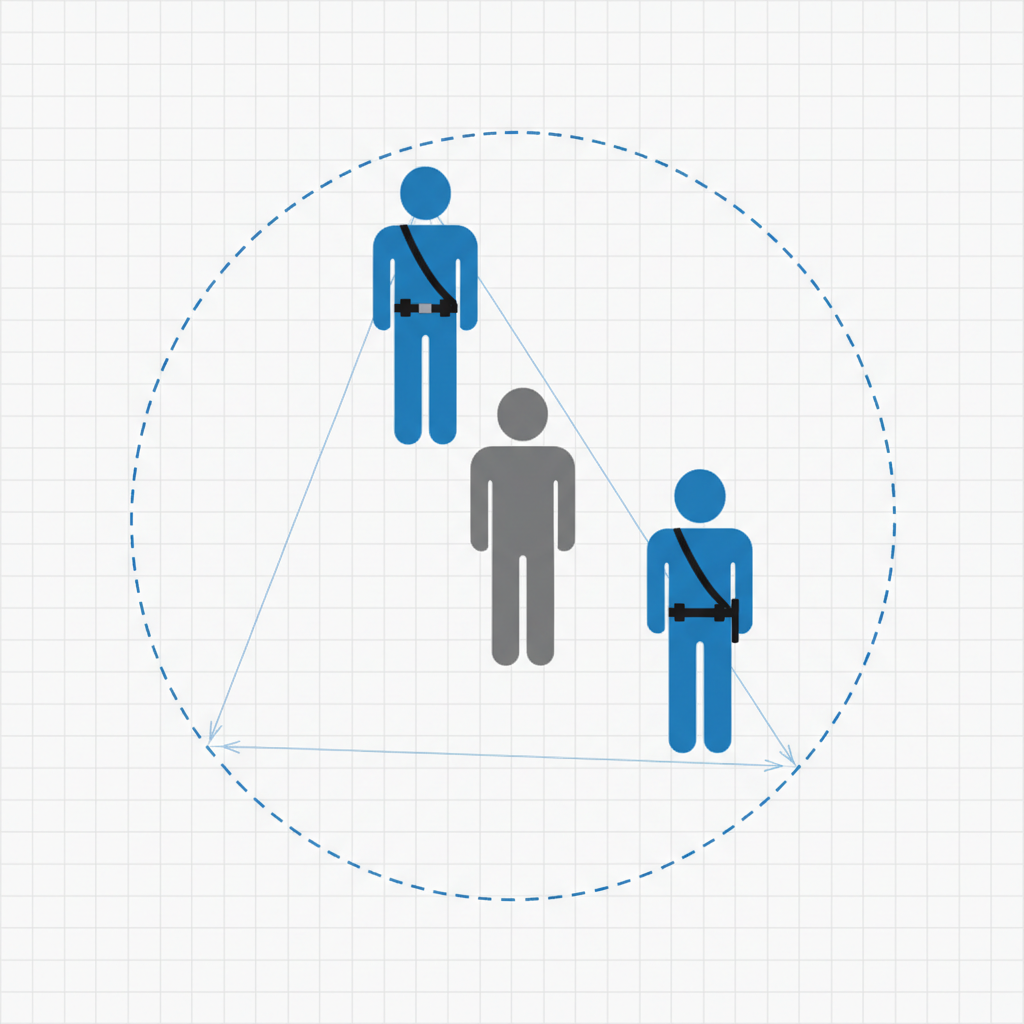
Contact and Cover Officers
CONTACT OFFICER
• Initiates action • Conducts business (searches, citations, radio) • Handcuffs suspect
COVER OFFICER
• Protects contact officer • Maintains surveillance of scene • Provides command presence • Discourages hostile acts or escape
Inherent Dangers: Ranked Level of Risk
Ranking based on California Law Enforcement Officers Killed and Assaulted Study (2023).
Officer Safety: The Fatal Errors
Tombstone Courage
Overly anxious to show courage; handling dangerous situations beyond ability.
Fatigue
Compromised reflexes and attention due to lack of rest.
Poor Planning
Rushing into situations without establish a plan or waiting for backup.
Relaxing Too Soon
Dropping guard before the incident is fully resolved.
Crucial Safety Habits
Watch the Hands
In the majority of officer casualties, suspects used their hands to arm themselves. Always be tracking hand location.
Positioning
Avoid abandoning safe location. Identify cover. Don't crowd the suspect.
Equipment Maintenance
Body armor is the single most effective safety item. Ensure weapons are clean and functional.
Preparing for Patrol Assignment
Chapter 2: Readiness
Mental Preparation
• Move from civilian routine to professional police role • Put personal problems aside temporarily • Get enough rest to prevent fatigue • Recognize personal limitations (illness/medication)
Equipment Inspection
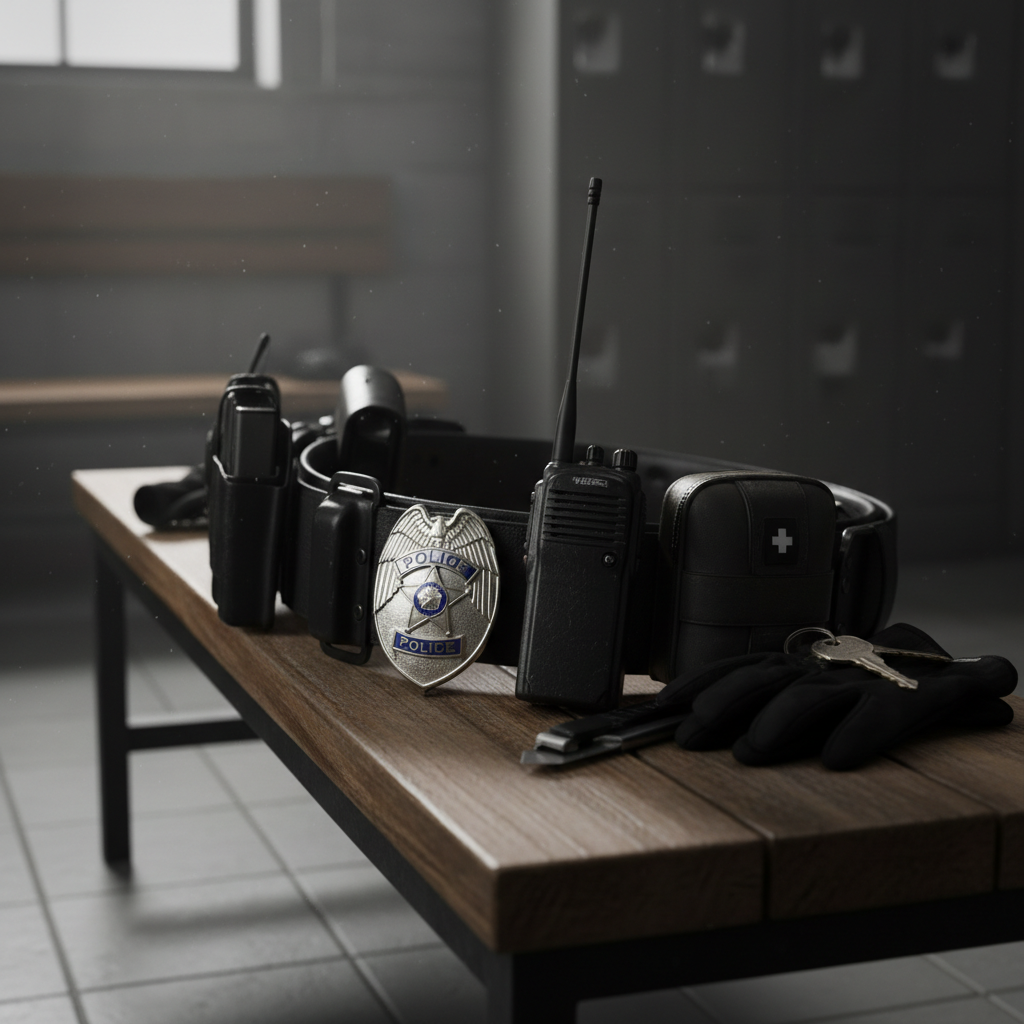
• Check personal gear (badge, vest, belt) • Inspect weapons (render safe first) • Acquire resources (hot sheets, warrant lists)
- law-enforcement
- police-training
- patrol-strategies
- officer-safety
- public-safety
- crime-prevention