




The Last Lesson Analysis - Class 12 English Study Guide
Explore themes of linguistic chauvinism and patriotism in Alphonse Daudet's 'The Last Lesson' for Class 12 English, with character sketches and historical context.
The Last Lesson
Class 12 English — Alphonse Daudet
About the Author
Alphonse Daudet (1840-1897) was a French novelist and short-story writer. The Last Lesson is set in the days of the Franco-Prussian War (1870-1871). Daudet writes with a subtle irony and deep emotion, portraying the civilian perspective of war and conquest.
Historical Context
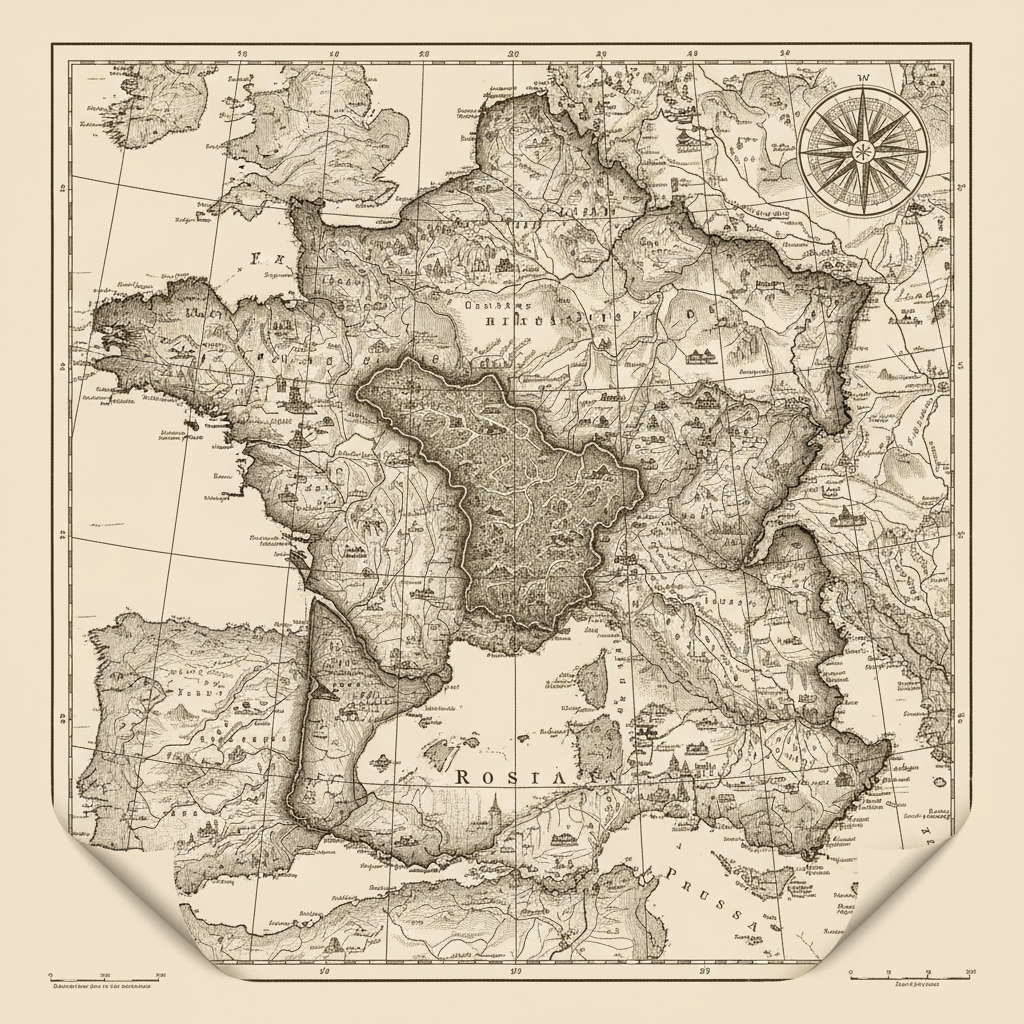
The story takes place during the Franco-Prussian War. France was defeated by Prussia, led by Bismarck. As a result, the French districts of Alsace and Lorraine passed into Prussian hands, banning the teaching of French.
Major Themes
Linguistic Chauvinism: The pride in one's language and the imposition of it on others.
Procrastination: The habit of putting off learning ('We have plenty of time. I'll learn it tomorrow').
Patriotism: Realizing the value of one's country and culture only when it is lost.
Character Sketch: Franz
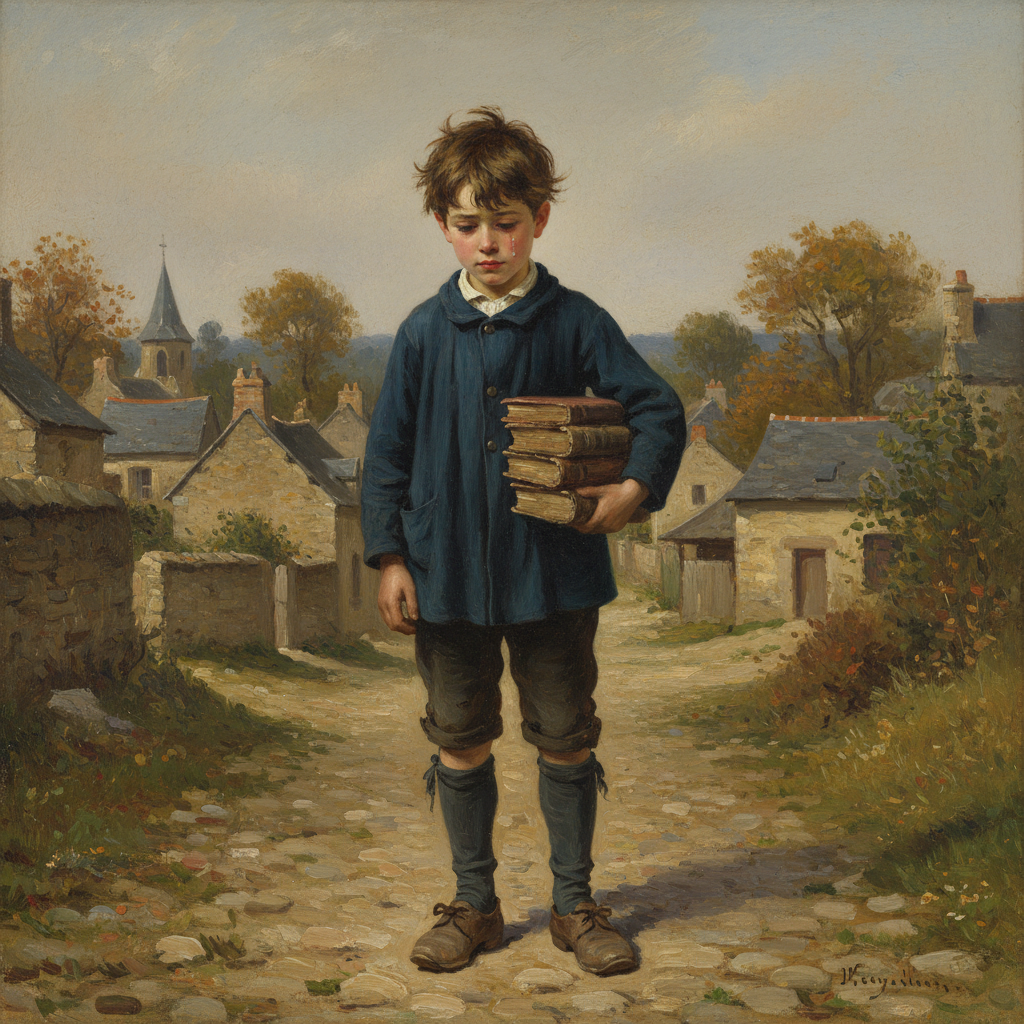
Franz is the narrator, a young French school boy. He is sensitive, honest, and regretful. Initially, he hates school and fears M. Hamel, preferring to seek birds' eggs or slide on the Saar. By the end, his character transforms into a mature observer who respects his heritage.
Character Sketch: M. Hamel
The schoolmaster who has taught for 40 years. Usually strict and cranky using his ruler, but on this last day, he is gentle, patient, and solemn. He is a true patriot who blames himself and the parents for the students' lack of learning.
The Unusual Atmosphere
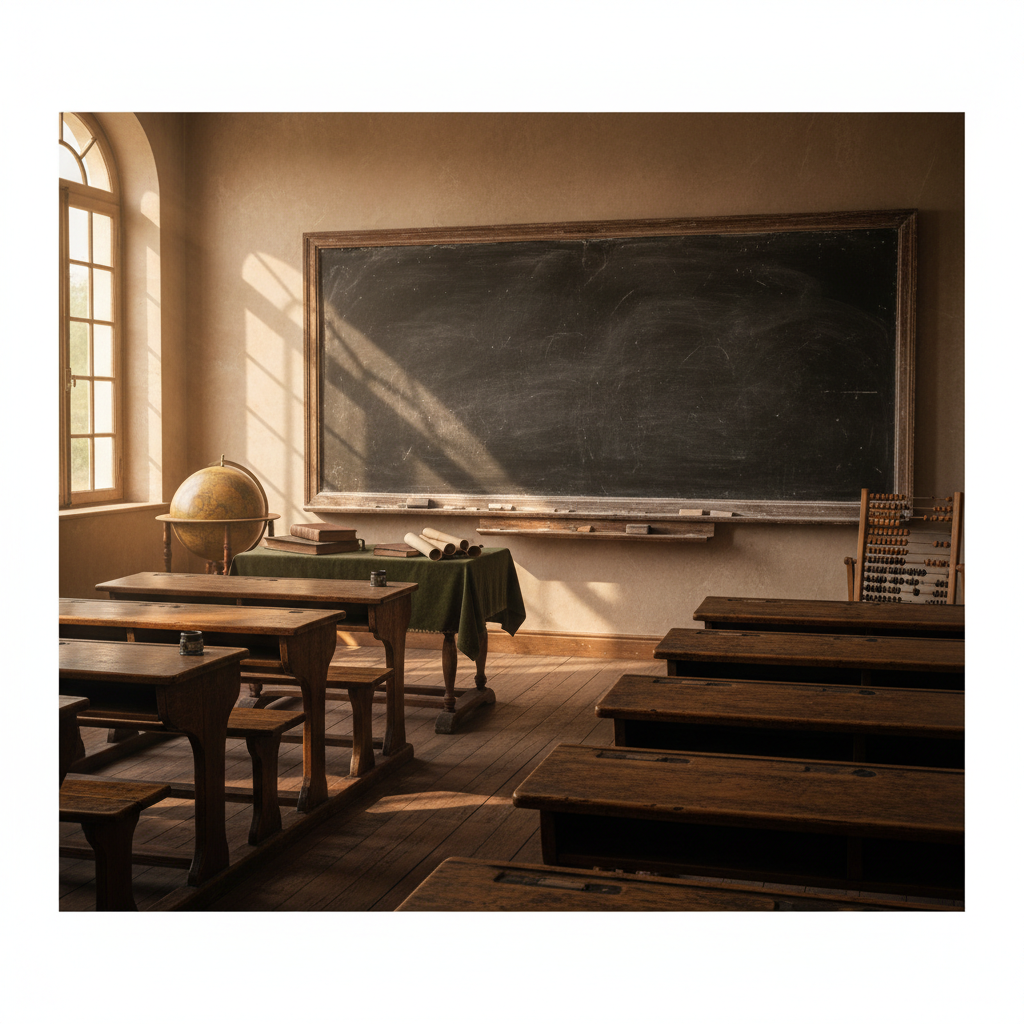
Usually, the school began with a great bustle: opening and closing of desks, lessons repeated in unison, and the ruler rapping on the table. However, on this day, everything was as quiet as a Sunday morning. The silence was the first indication that something was wrong.
The Bulletin Board
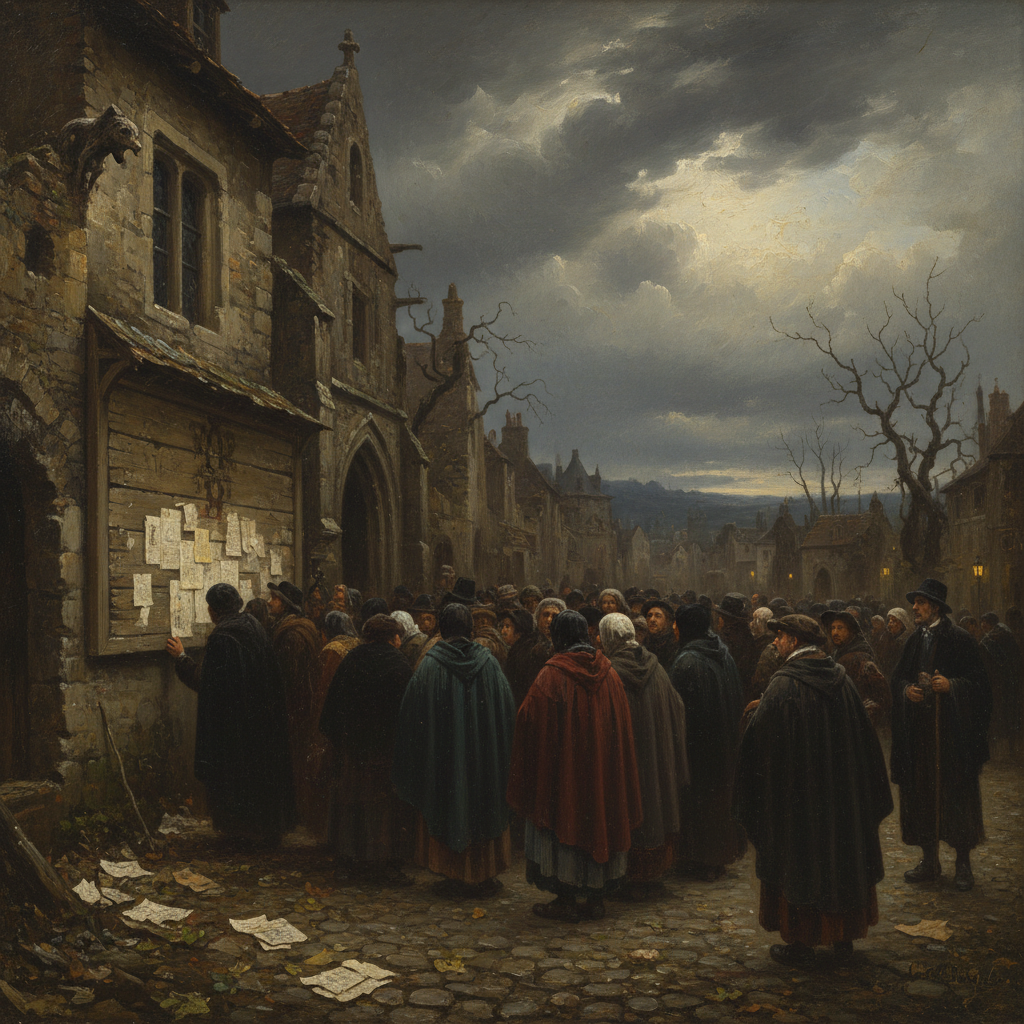
The Order from Berlin
M. Hamel announced: 'This is the last lesson I shall give you. The order has come from Berlin to teach only German in the schools of Alsace and Lorraine.' These words were like a thunderclap to Franz.
Franz's Regret
He felt sorry for not learning his lessons.
His books, which seemed a nuisance a while ago, were now like old friends.
The thought that M. Hamel was going away made him forget about the ruler and his cranky nature.
The Village Elders
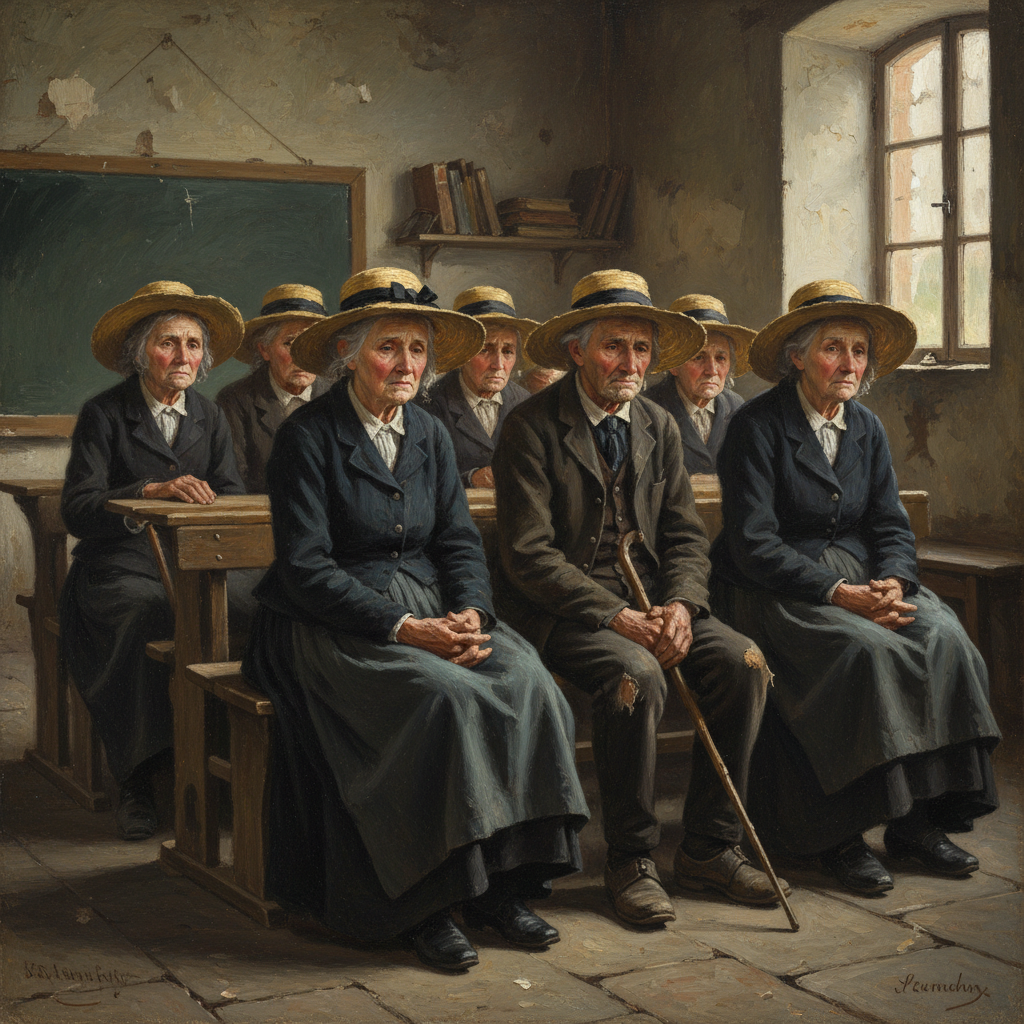
The back benches, usually empty, were occupied by the village people: Old Hauser with his three-cornered hat, the former Mayor, and the former Postmaster. They sat quietly, looking sad. They were there to thank the master for his 40 years of service.
When a people are enslaved, as long as they hold fast to their language it is as if they had the key to their prison.
M. Hamel
Important Themes in M. Hamel's Speech
French is the clearest, most logical, and beautiful language in the world.
Parents preferred children to work on farms for money rather than learn.
He admitted his own fault: sending students to water flowers instead of teaching.
The Writing Lesson
M. Hamel had new copies for everyone, written in a beautiful round hand: France, Alsace, France, Alsace. They looked like little flags floating everywhere in the school-room.
Will they make them sing in German, even the pigeons?
Franz thought this when he heard pigeons cooing. It highlights the absurdity of imposing a language on nature and the soul.
The History Lesson
Down at the back of the room, simple old Hauser had put on his spectacles and, holding his primer in both hands, spelled the letters with them. His voice trembled with emotion. It was so funny that everyone wanted to laugh and cry.
The Climax: 12 O'Clock
The church clock struck twelve. The Angelus sounded. At the same moment, the trumpets of the Prussians, returning from drill, sounded under the windows. M. Hamel stood up, very pale. 'My friends,' said he, 'I—I—' But something choked him.
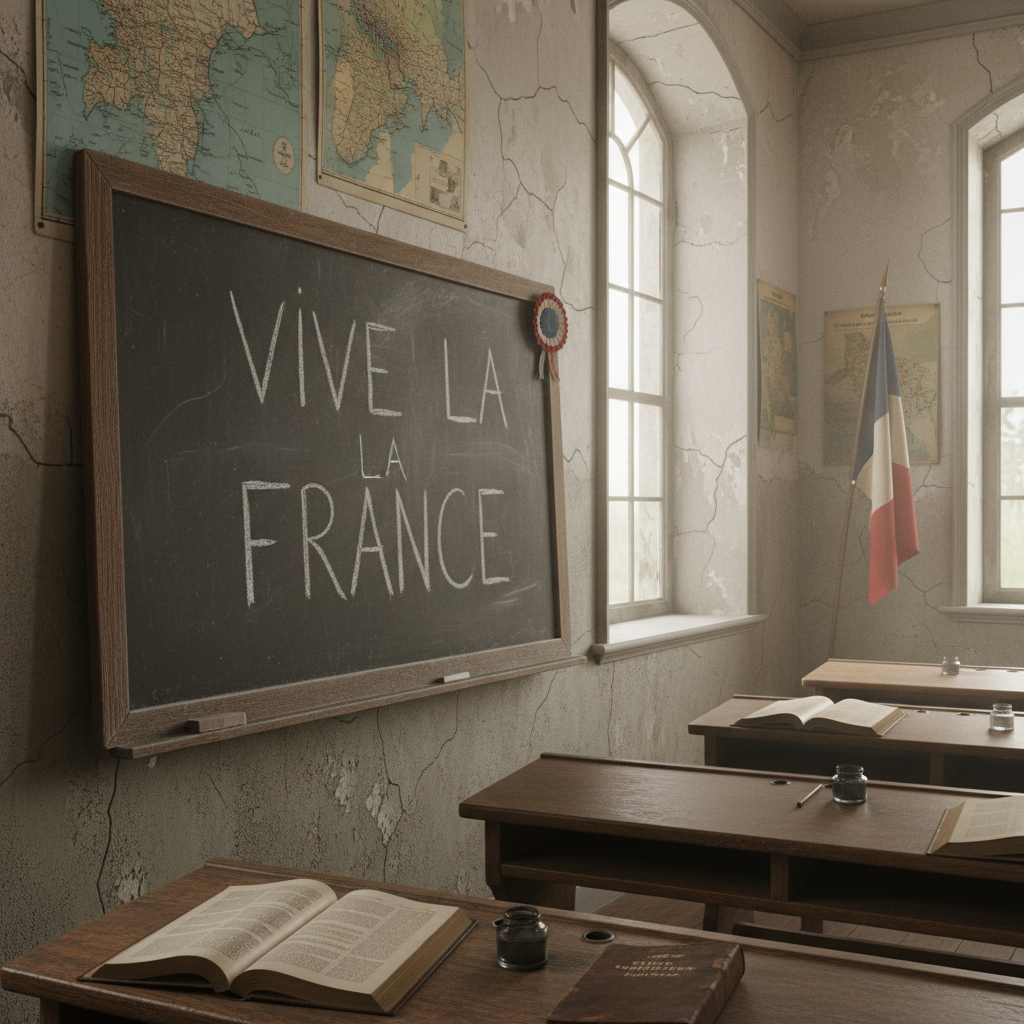
Vive La France
The Conclusion
Unable to speak further, M. Hamel leaned his head against the wall and made a gesture with his hand: 'School is dismissed — you may go.' This silent gesture signifies the utter helplessness and the overwhelming grief of the moment.
Key Takeaways for Students
Value your education and opportunities before they are taken away.
Language is a core part of cultural identity and freedom.
War affects everyone, especially civilians and children.
- the-last-lesson
- class-12-english
- alphonse-daudet
- literature-analysis
- cbse-english
- educational-summary