
Kyoto Travel Guide: The Eternal City & Most Iconic Sights
Explore Kyoto's top destinations including Fushimi Inari, the Bamboo Grove, and UNESCO sites. Learn about Geisha culture, Kaiseki cuisine, and best times to visit.
Kyoto: The Eternal City
Discovering the Most Interesting Place on Earth
Where Time Stands Still
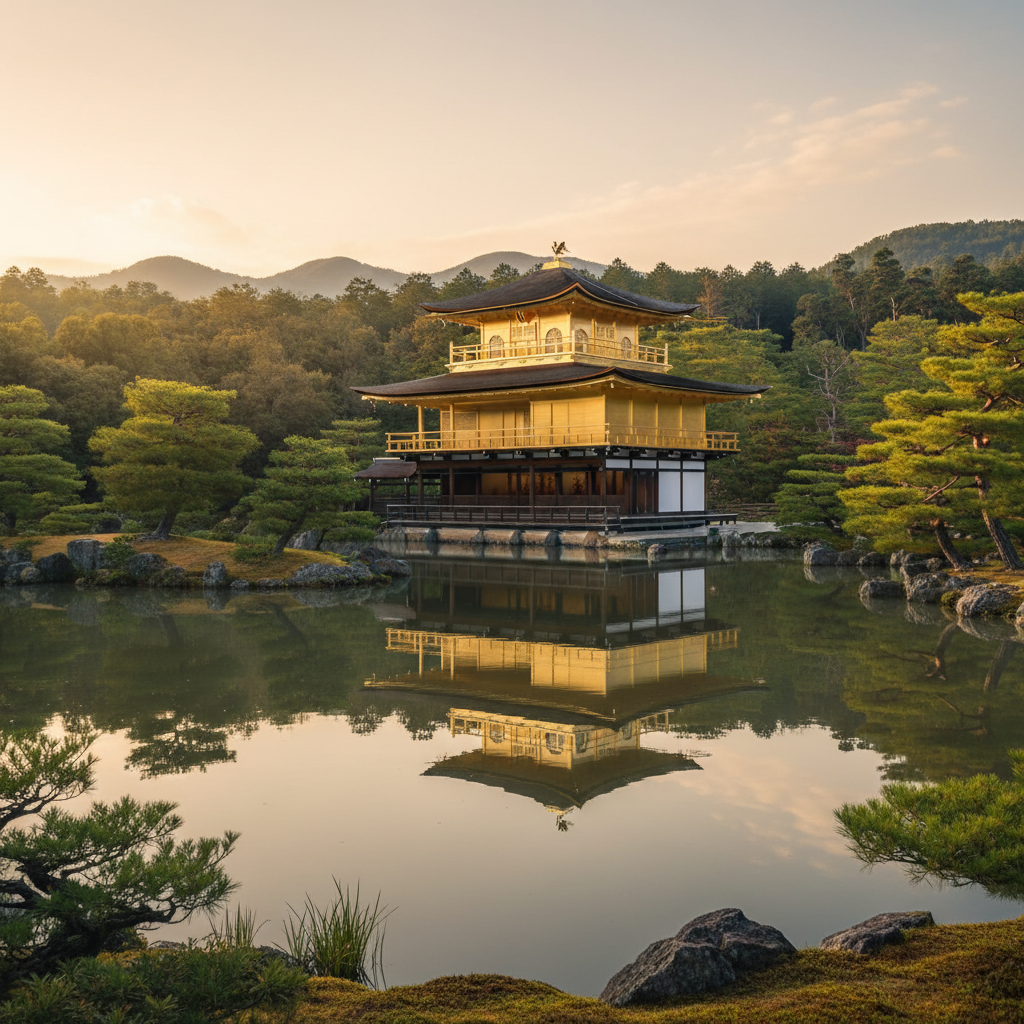
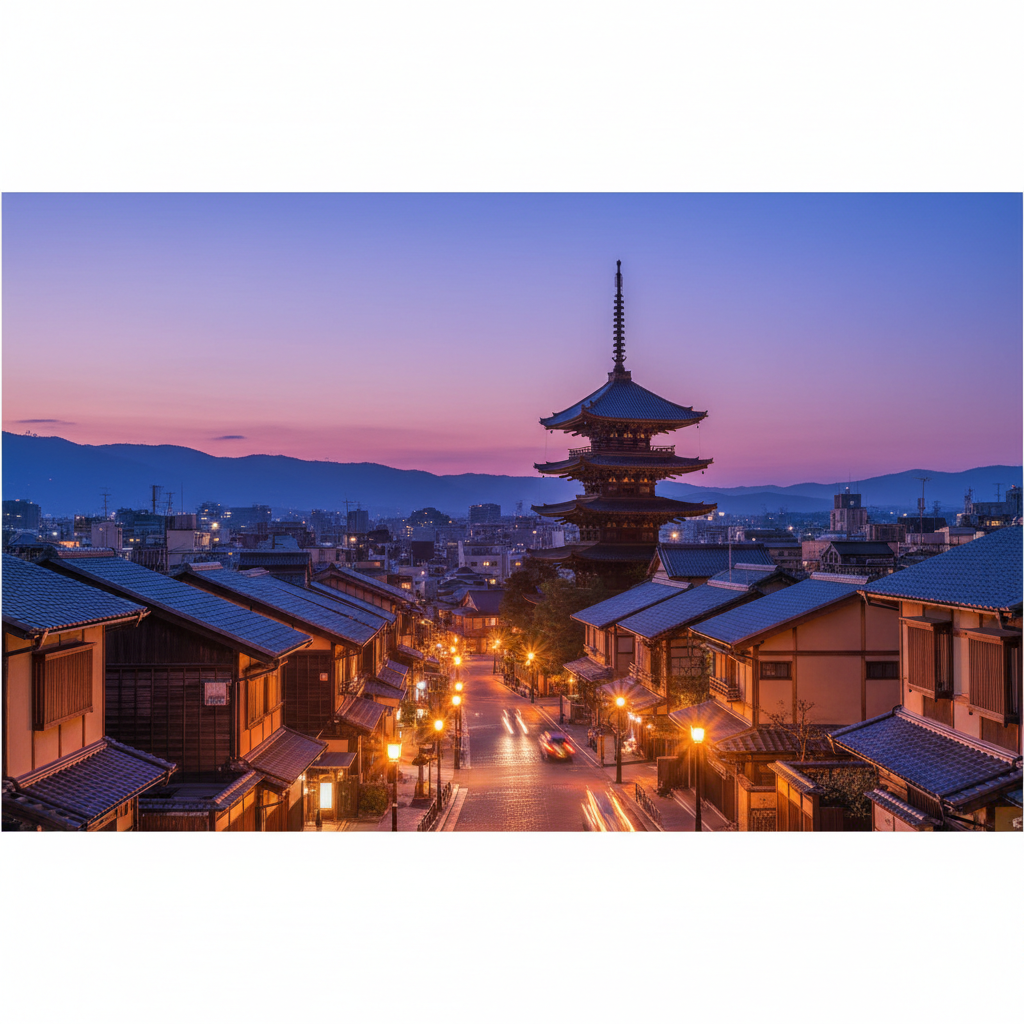
Kyoto is not merely a destination; it is the spiritual and cultural heart of Japan. As the imperial capital for over a millennium, it was spared from major destruction during WWII, preserving thousands of temples, shrines, and priceless historical artifacts. It offers a rare window into pre-modern Japan while embracing contemporary art and cuisine.
Fushimi Inari Taisha
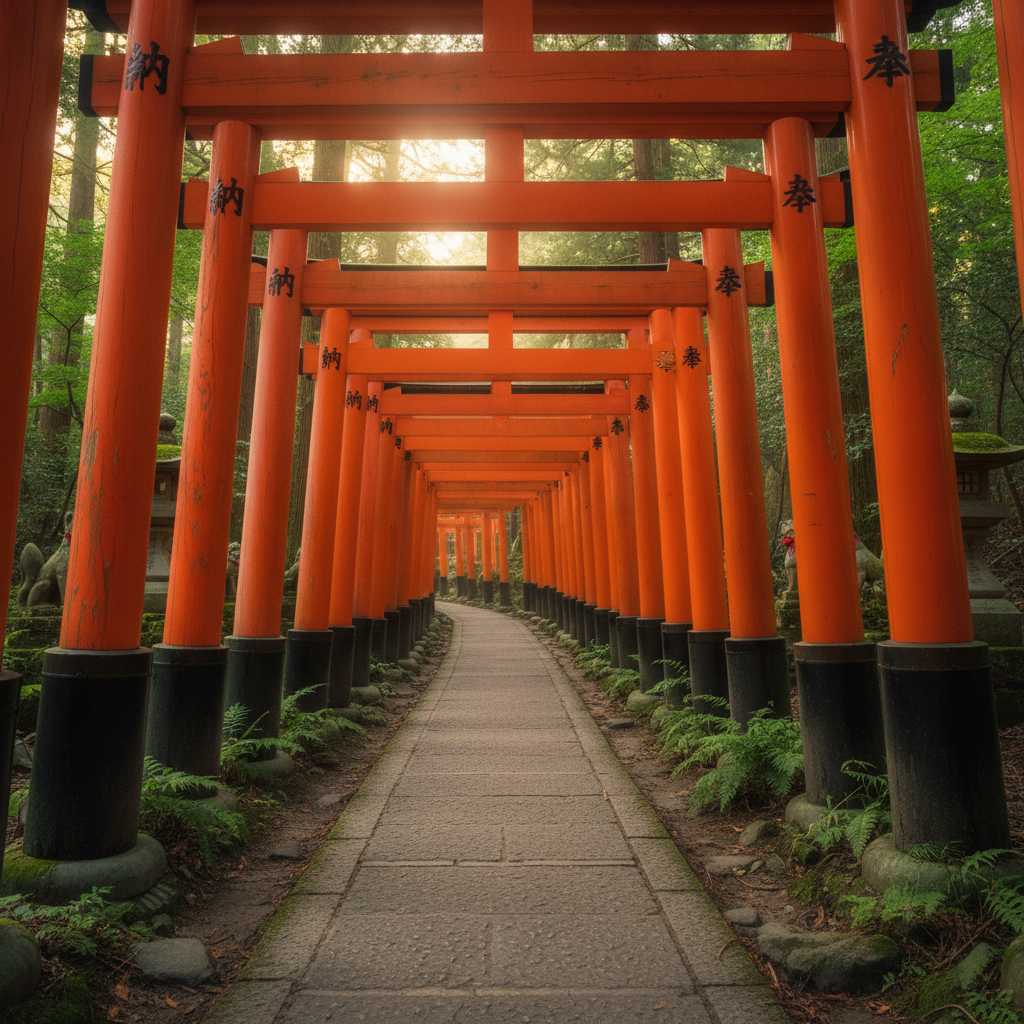
Perhaps the most iconic sight in Kyoto, the Fushimi Inari Shrine is famous for its Senbon Torii—thousands of vermilion gates straddling a network of trails behind its main buildings. The trails lead into the wooded forest of the sacred Mount Inari, offering a hike that is both physically invigorating and spiritually grounding.
The Arashiyama Bamboo Grove
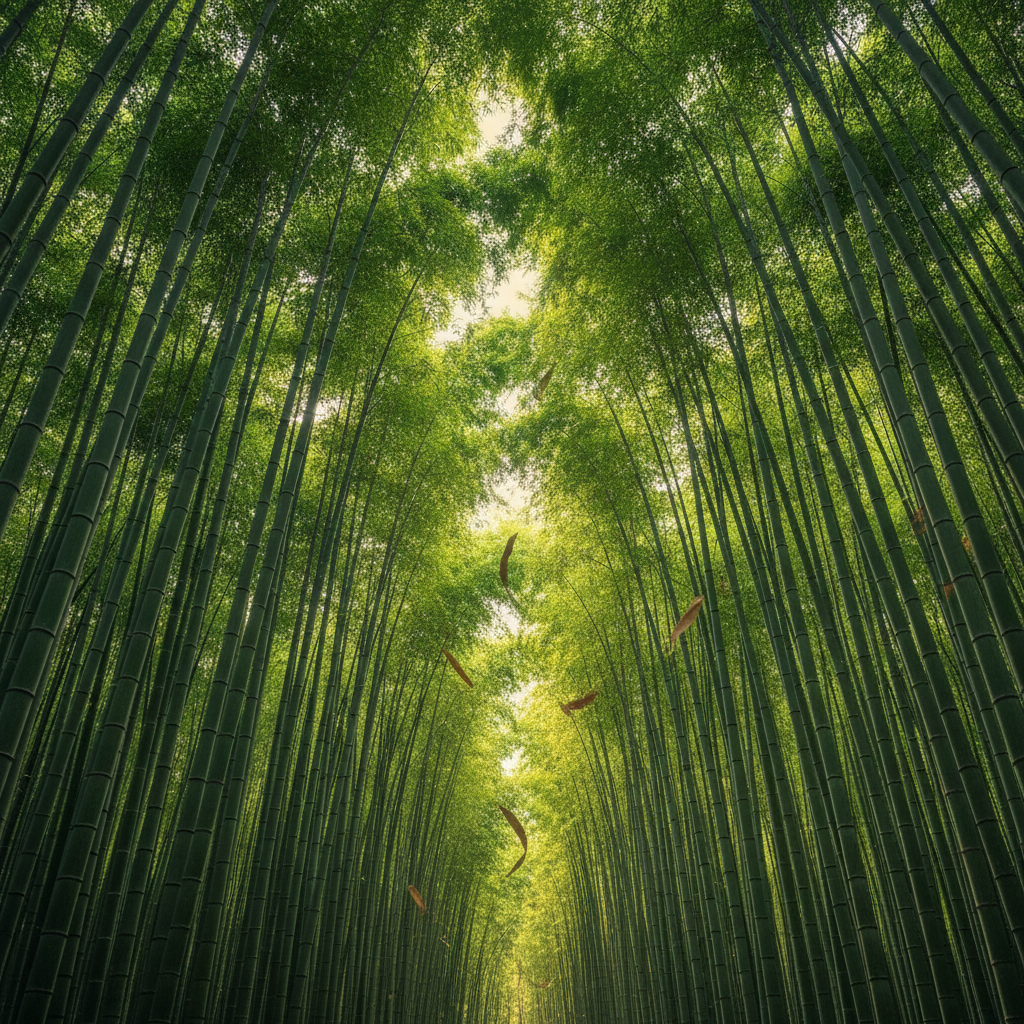
Walking into this soaring bamboo forest feels like entering another world. The thick green stalks seem to continue endlessly in every direction, and there's a strange quality to the light as the sun filters through the densely packed grove. The sound of the rustling bamboo is so distinct that it has been cited by the Ministry of Environment as one of the '100 Soundscapes of Japan'.
A City of 17 UNESCO Sites
Kiyomizu-dera: A wooden temple suspended on a hillside without a single nail.
Nijo Castle: The residence of the Tokugawa shoguns, famous for 'nightingale floors' that chirp when walked upon.
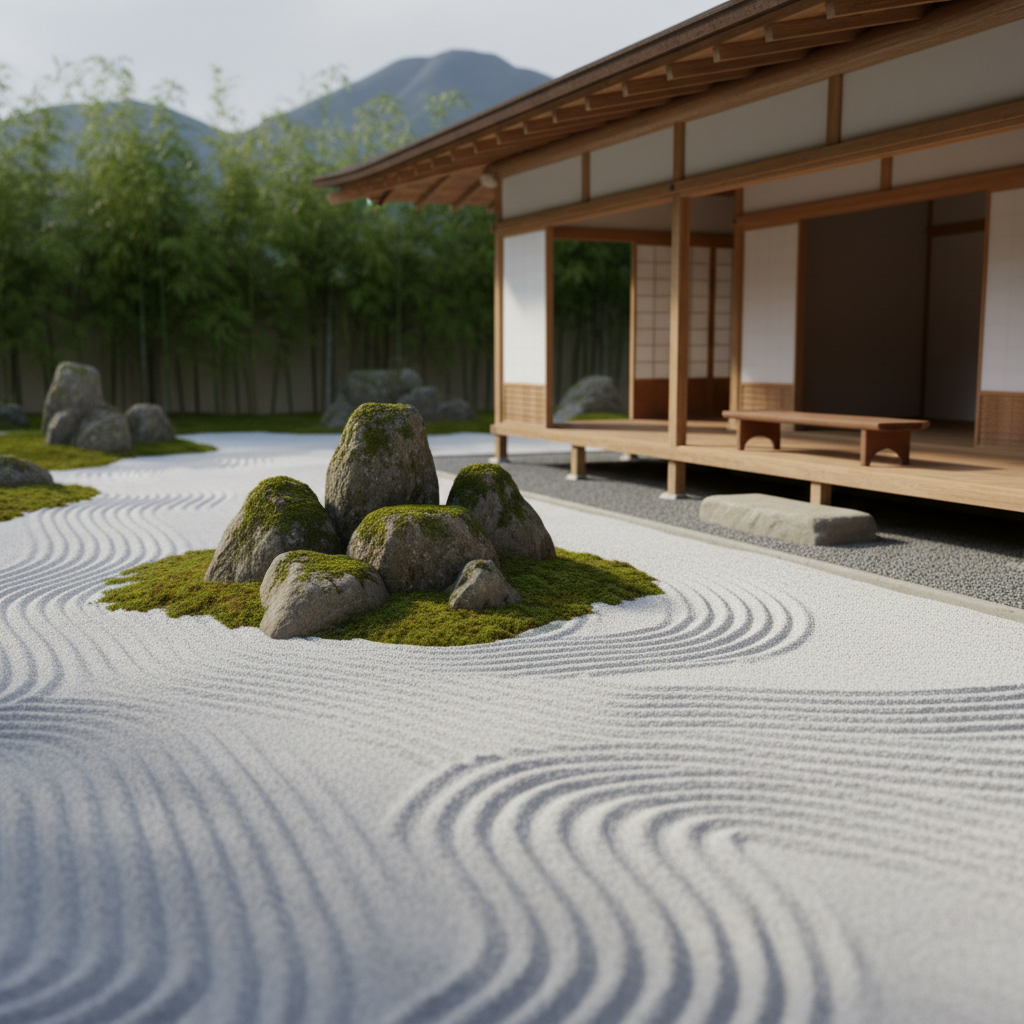
Ryoan-ji: The site of Japan's most famous rock garden, a masterpiece of Zen minimalism.
Gion & The Art of Geisha
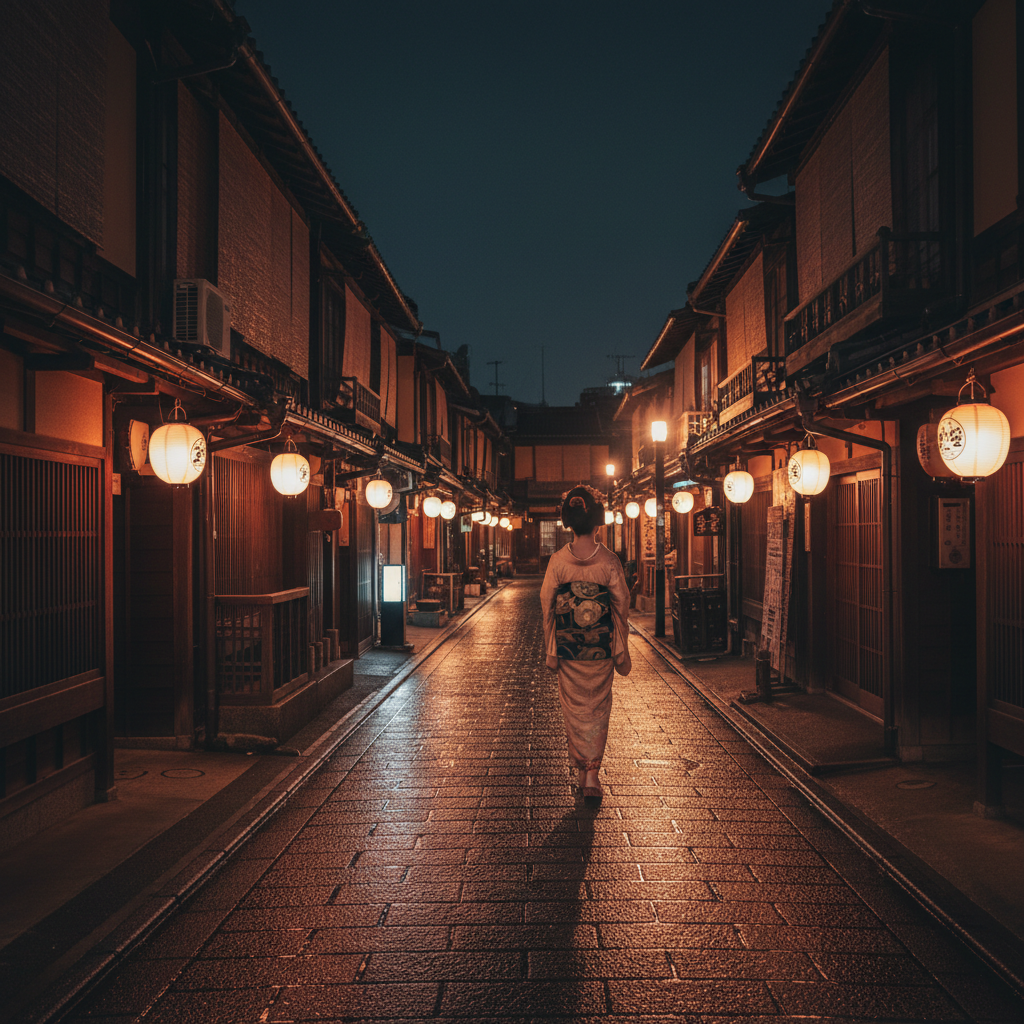
Gion is Kyoto's most famous geisha district. Filled with shops, restaurants, and ochaya (teahouses), it is where geiko (geisha) and maiko (geisha apprentices) entertain. Walking through the narrow streets of wooden machiya houses at dusk feels like time travel to the Edo period.
When to Visit
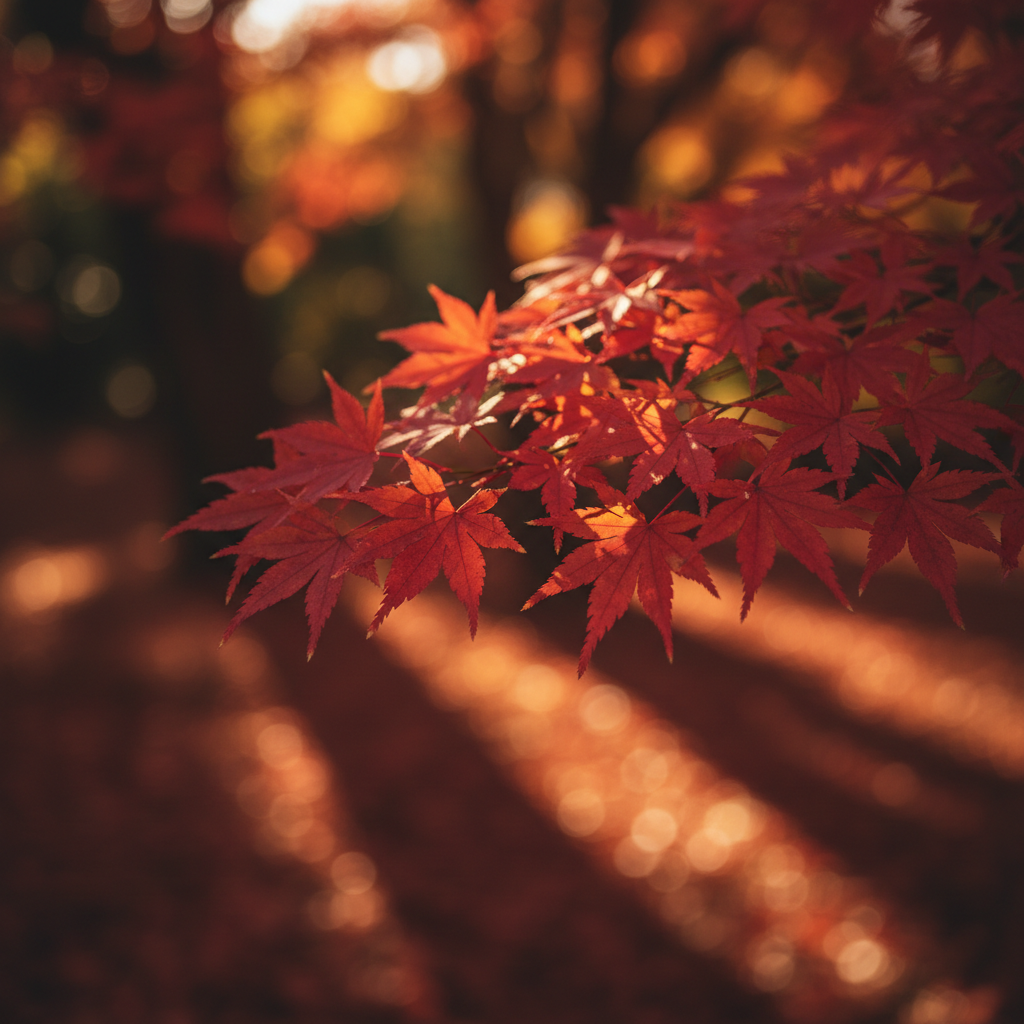
Kyoto has four distinct seasons. While spring (cherry blossoms) and autumn (maple leaves) are visually stunning, they are also the busiest. The summers can be hot and humid, while winters are crisp and relatively quiet. Plan your trip based on temperature preferences.
In Kyoto, one does not merely look at the past; one breathes it.
Modern Traveler Magazine
Kyoto's Culinary Soul
<strong>Kaiseki Ryori:</strong> The ultimate Japanese haute cuisine. A multi-course dinner featuring local, seasonal, and artistically arranged ingredients.
<strong>Shojin Ryori:</strong> Traditional Zen Buddhist vegetarian dining, developed in the city's many temples using tofu and seasonal vegetables.
<strong>Matcha Desserts:</strong> From overflowing parfaits to delicate cakes, the nearby Uji tea fields fuel a vibrant dessert culture.
Experience the harmony of old and new.
- kyoto
- japan-travel
- fushimi-inari
- arashiyama
- travel-guide
- cultural-heritage
- unesco-sites