
History and Culture of Ahmedpur East: Southern Punjab Guide
Explore the heritage of Ahmedpur East, from the Abbasi dynasty and Sadiq Garh Palace to its modern political landscape, culture, and agrarian economy.
Ahmedpur East
History, Politics, and Development in Southern Punjab
Geographic Significance
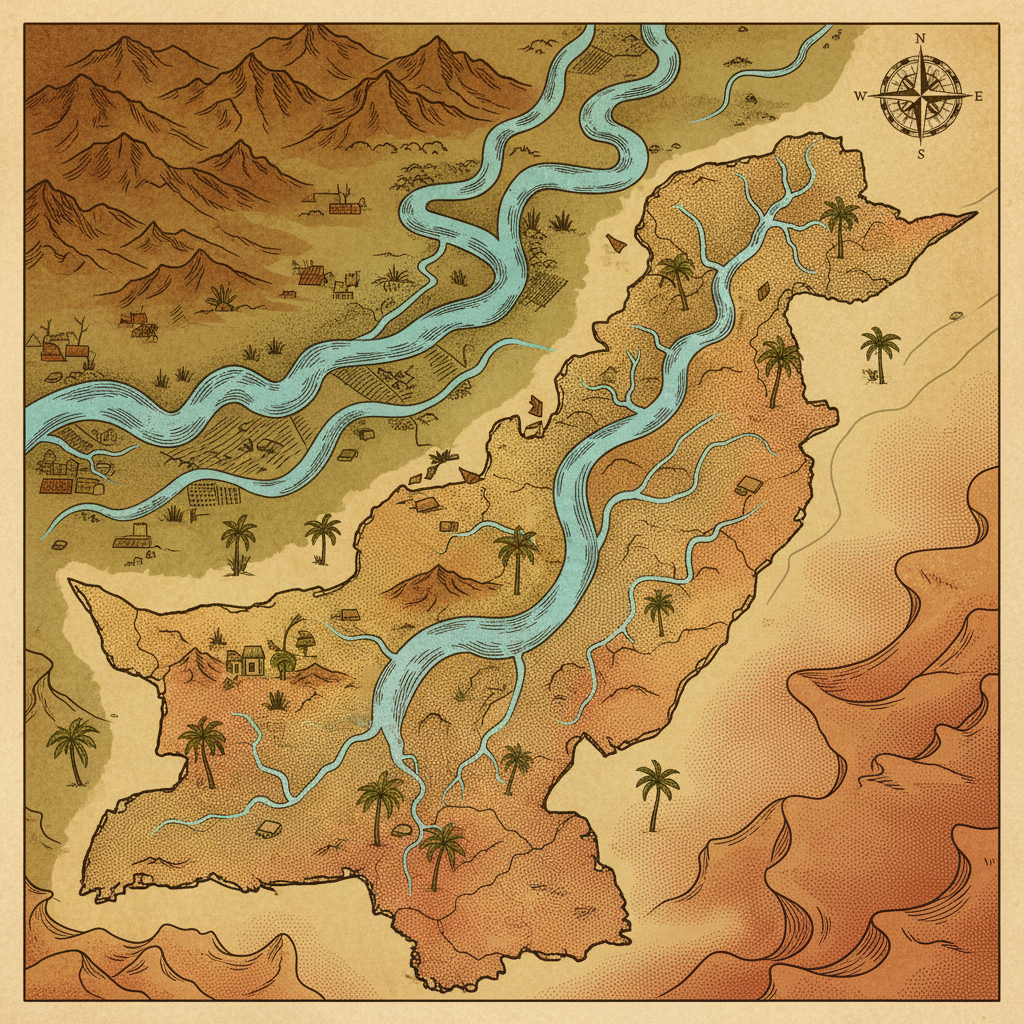
Ahmedpur East (Ahmadpur East) serves as a critical Tehsil within the Bahawalpur District of Punjab, Pakistan. Historically positioned as a regional power center, it acts as a bridge between the rich agricultural lands of the river belts and the Cholistan Desert. The city functions as a major urban hub, connecting trade routes and sustaining a population of over 150,000 residents.
Historical Foundation
Founded in 1748 by Ahmed Khan, son of Qadir Din Khan, establishing the city's initial footprint.
Served as a capital and seat of power for the Abbasi dynasty during the Nawab era.
Flourished as a center of culture, learning, and trade in the 18th and 19th centuries.
British influence later integrated it into the broader administrative framework of colonial Punjab.
The Abbasi Heritage
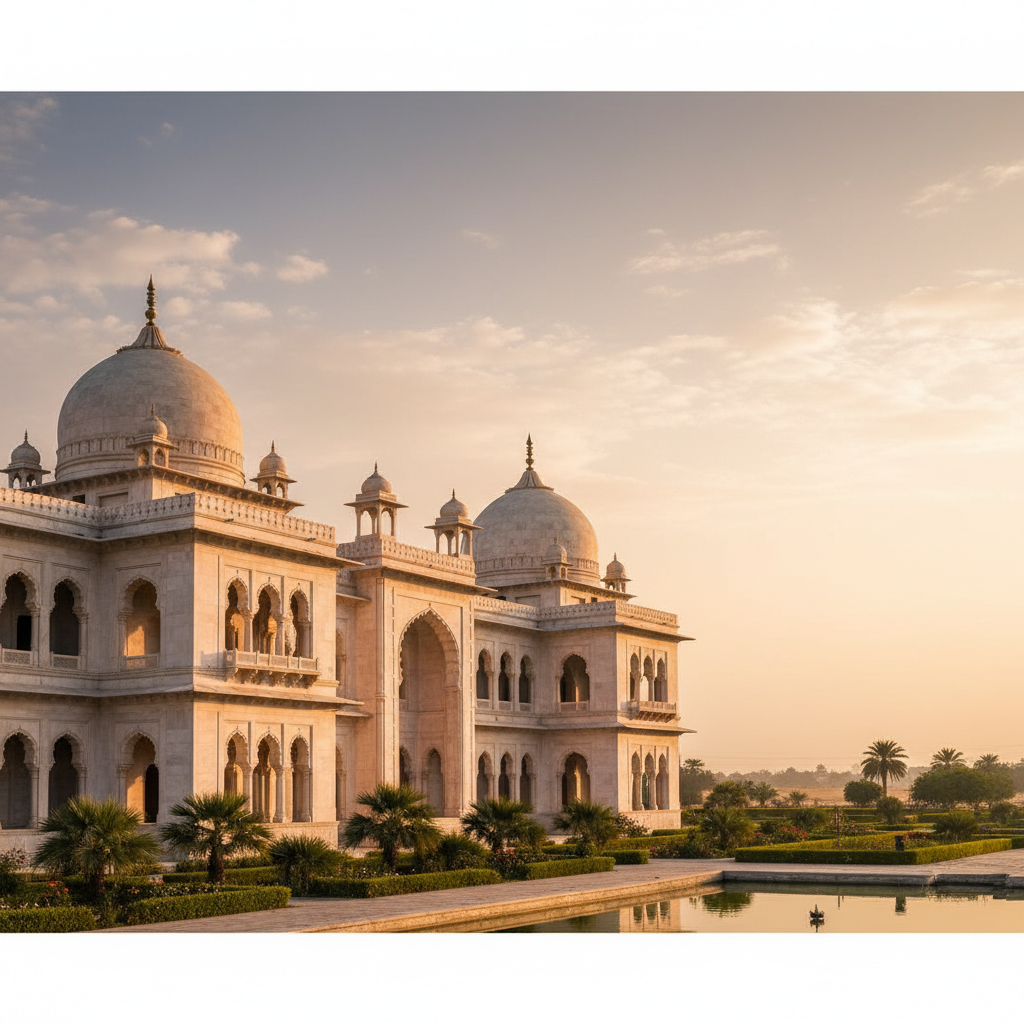
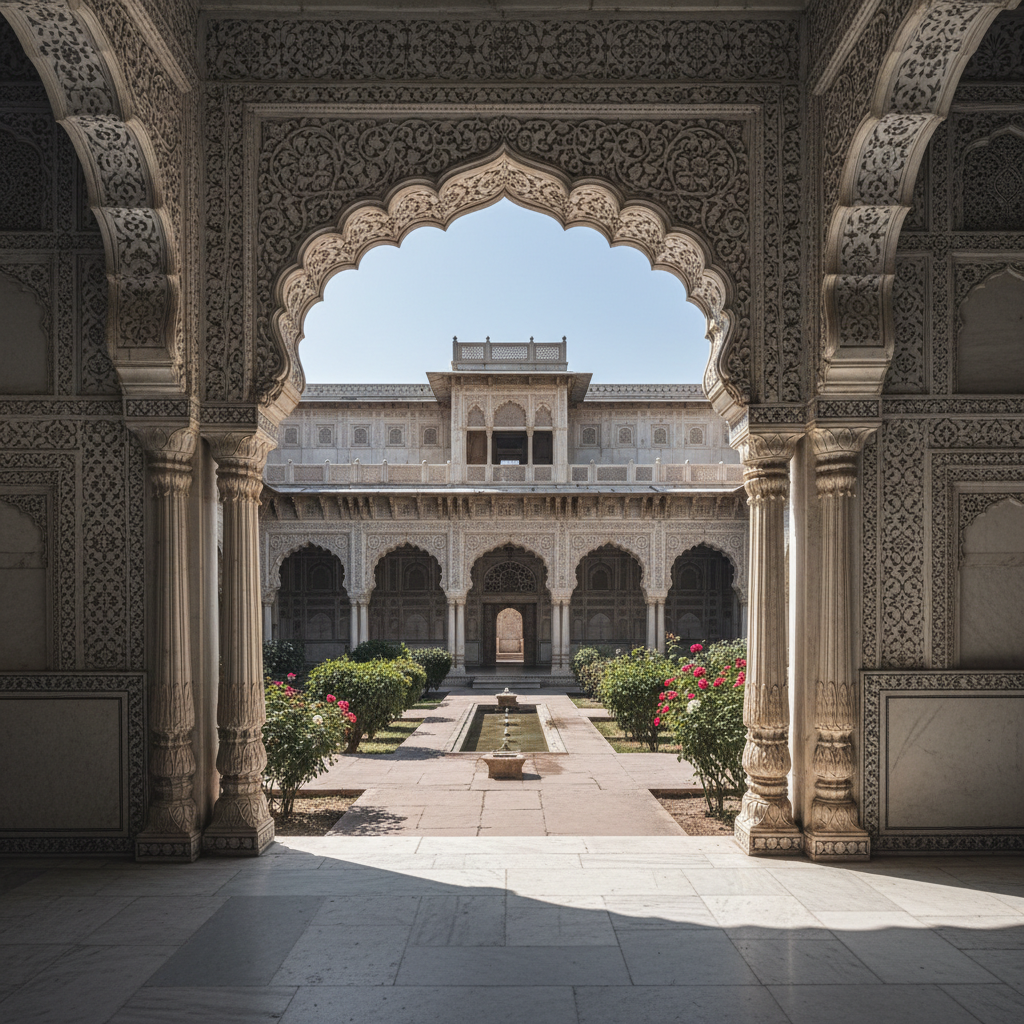
Ahmedpur East is renowned for its architectural legacy associated with the Nawabs of Bahawalpur. The Sadiq Garh Palace stands as a testament to this era, featuring elegant white domes, expansive courtyards, and a blend of European and Islamic design elements. It was the premier royal residence, symbolizing the political stability and wealth of the former Princeton State of Bahawalpur.
Political Context
Following the independence of Pakistan in 1947, Ahmedpur East transitioned from a princely state territory to a governed Tehsil within the Punjab province. The region's politics have historically been influenced by local landed families and the shifting dynamics between military and democratic rule in Pakistan. Today, it operates under the local government ordinances of Punjab, balancing traditional tribal influence with modern electoral processes.
Local Administrative Breakdown
Ahmedpur East is administratively divided to manage its extensive population and geography. The Tehsil comprises 31 Union Councils and 45 distinct Wards, reflecting a structured approach to local governance and civic management.
Culture & Demographics
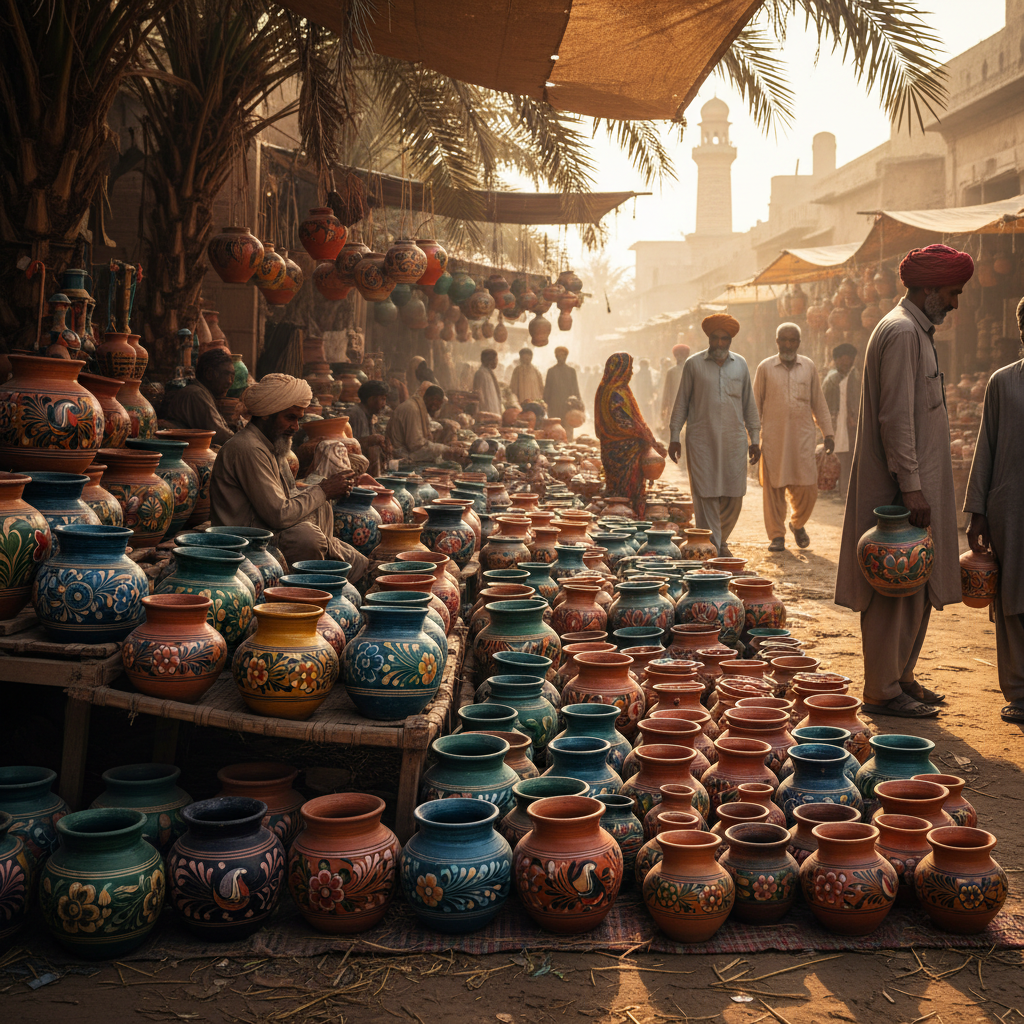
The culture of Ahmedpur East is deeply rooted in the Saraiki tradition, known for its distinct language, Sufi poetry, and hospitality. The region is also famous for its traditional pottery, characterized by intricate designs and specialized clay from the nearby riverbeds. The population is a diverse mix, historically growing from the Abbasi settlements to a modern urban citizenry.
Economic Landscape
Agriculture is the backbone of the local economy, with major crops including cotton, wheat, and sugarcane.
The city acts as a commercial trading hub for the surrounding rural areas of Bahawalpur District.
Recent developments include improvements in local infrastructure, such as gas and electricity networks.
Traditional crafts and cottage industries supplement the agrarian income of many households.
Challenges & Development
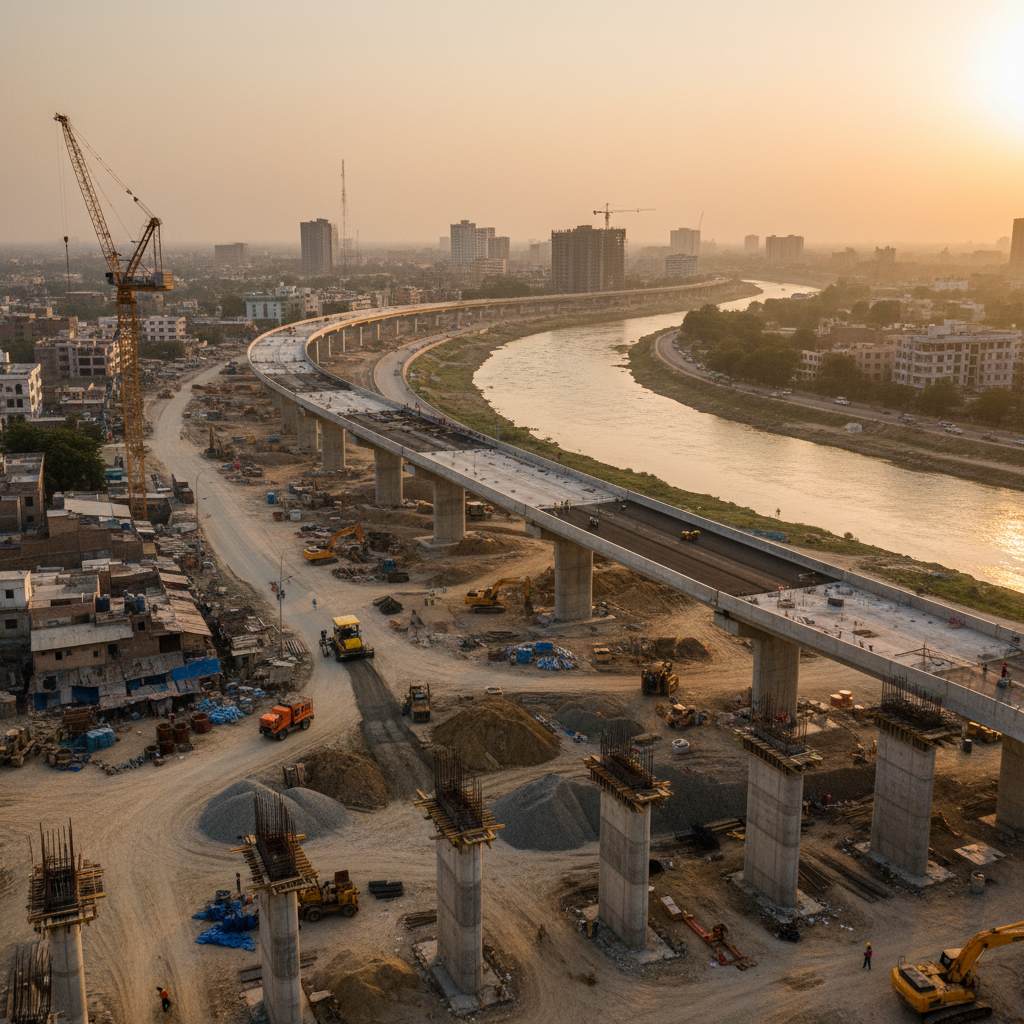
Like many historical cities in Pakistan, Ahmedpur East faces challenges of rapid urbanization and the need for modern infrastructure upgrades. Historically, the area has also been vulnerable to floods from the nearby Ghara River. Local administrations continue to focus on improving sewage, roads, and utilities, particularly in new settlements like Jinnah Colony, to meet the demands of a growing populace.
From the royal courts of the Abbasis to the democratic councils of today, Ahmedpur East remains a vital chapter in the history of Southern Punjab.
Concluding Summary
- ahmedpur-east
- punjab-history
- bahawalpur
- abbasi-dynasty
- saraiki-culture
- sadiq-garh-palace
- pakistan-politics