
Made byBobr AI

History and Culture of Ahmedpur East: The Abbasi Legacy

Explore the historical foundations, politics, agriculture, and cultural landmarks of Ahmedpur East, Punjab—the seat of the Abbasi Nawabs.

#ahmedpur-east#punjab-history#abbasi-dynasty#cholistan-desert#sadiq-garh-palace#derawar-fort#pakistan-heritage
Watch
Pitch

Ahmedpur East

History, Politics, and Cultural Heritage of the Abbasi Legacy

Made byBobr AI

Introduction to Ahmedpur East

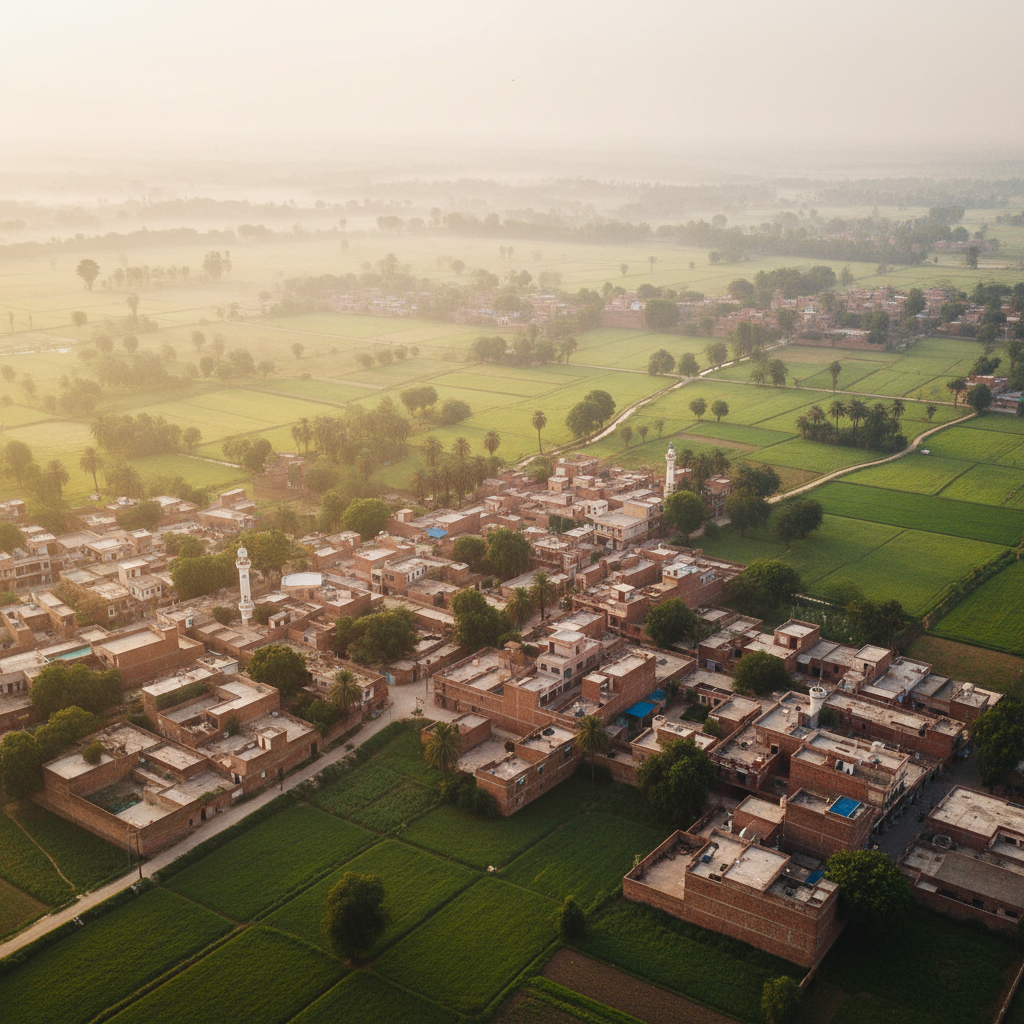
Ahmedpur East (Ahmadpur Sharqia) serves as a critical agricultural and cultural hub in the Bahawalpur District of Punjab. Ranking as the 69th largest city in Pakistan with a population exceeding 150,000, it stands as a bridge between the fertile Sutlej river plains and the historic Cholistan desert.

Made byBobr AI

Historical Foundations (1748)

  • Founded in 1748 by Ahmed Khan, son of Qadir Din Khan and grandson of Piruj Khan.
  • Originally located closer to the river, the city was relocated south after the Ghara River floods of 1758.
  • Flourished under Nawab Bahawal Khan Abbasi I, becoming a center for trade and culture in the region.
  • Served as a strategic location within the Princely State of Bahawalpur before the 1947 independence.
Made byBobr AI

Political & Administrative Status

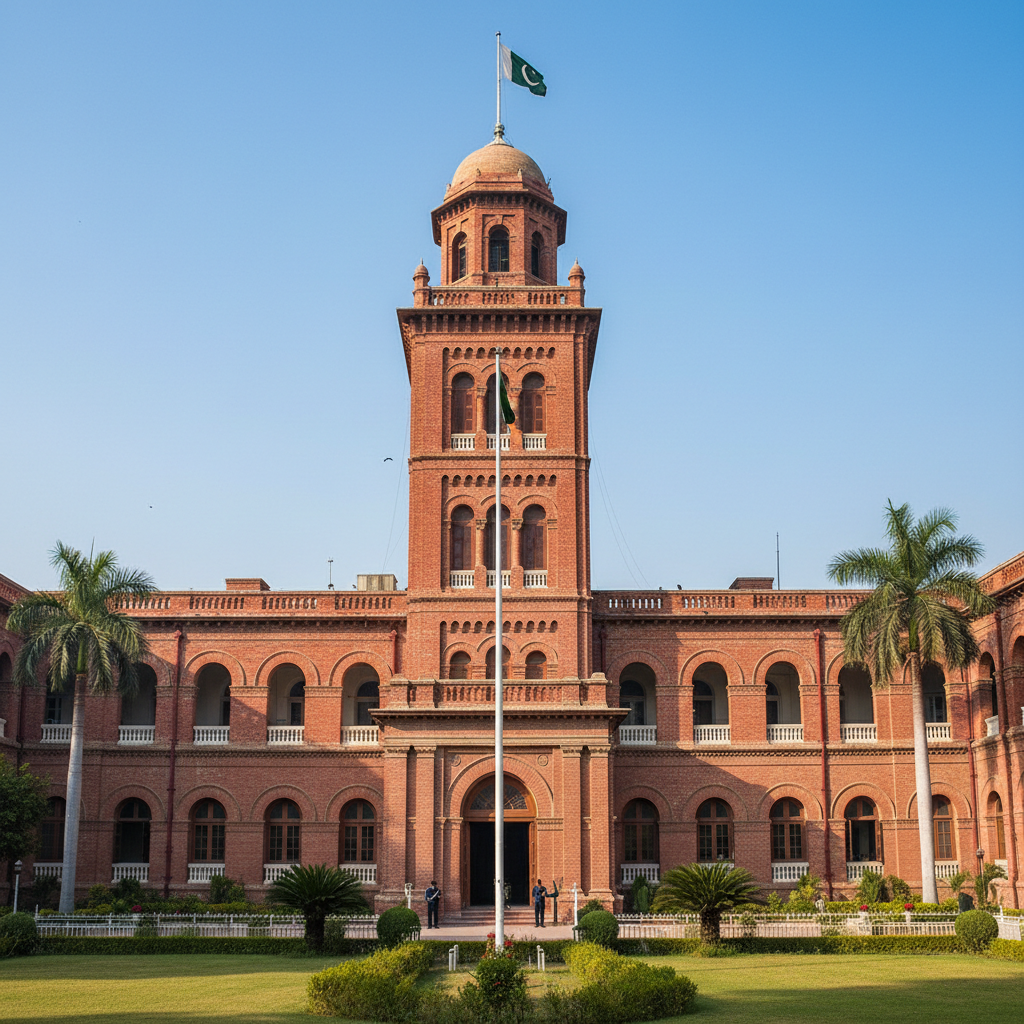
As the headquarters of the Tehsil (sub-district), Ahmedpur East holds significant administrative weight within Bahawalpur District. Historically the seat of the Abbasi Nawabs, its political landscape has transitioned from princely decrees to modern democratic local governance, acting as the nerve center for regional law, revenue, and development administration.

Made byBobr AI

The Sadiq Garh Palace

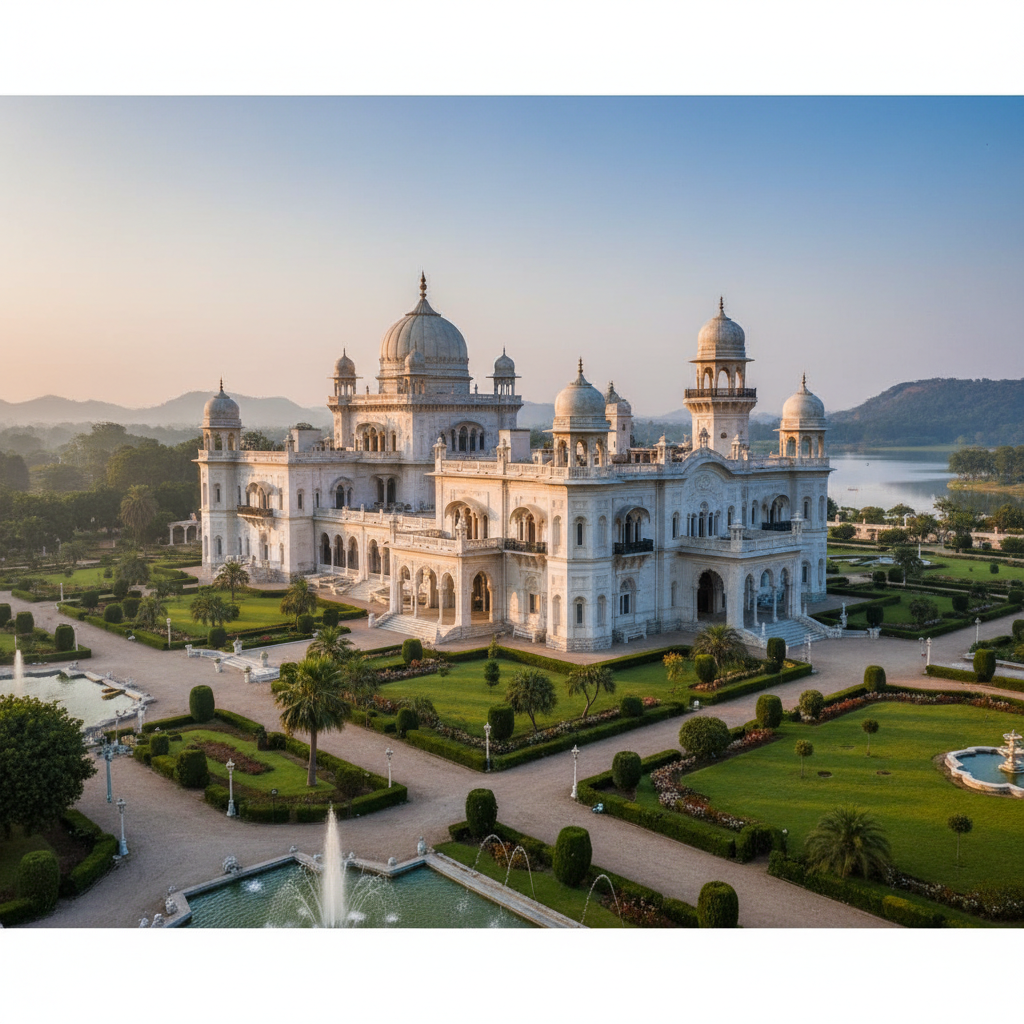
Built in 1882 by Nawab Sadiq Muhammad Khan IV, a symbol of royal heritage.

Made byBobr AI

Geography & Climate

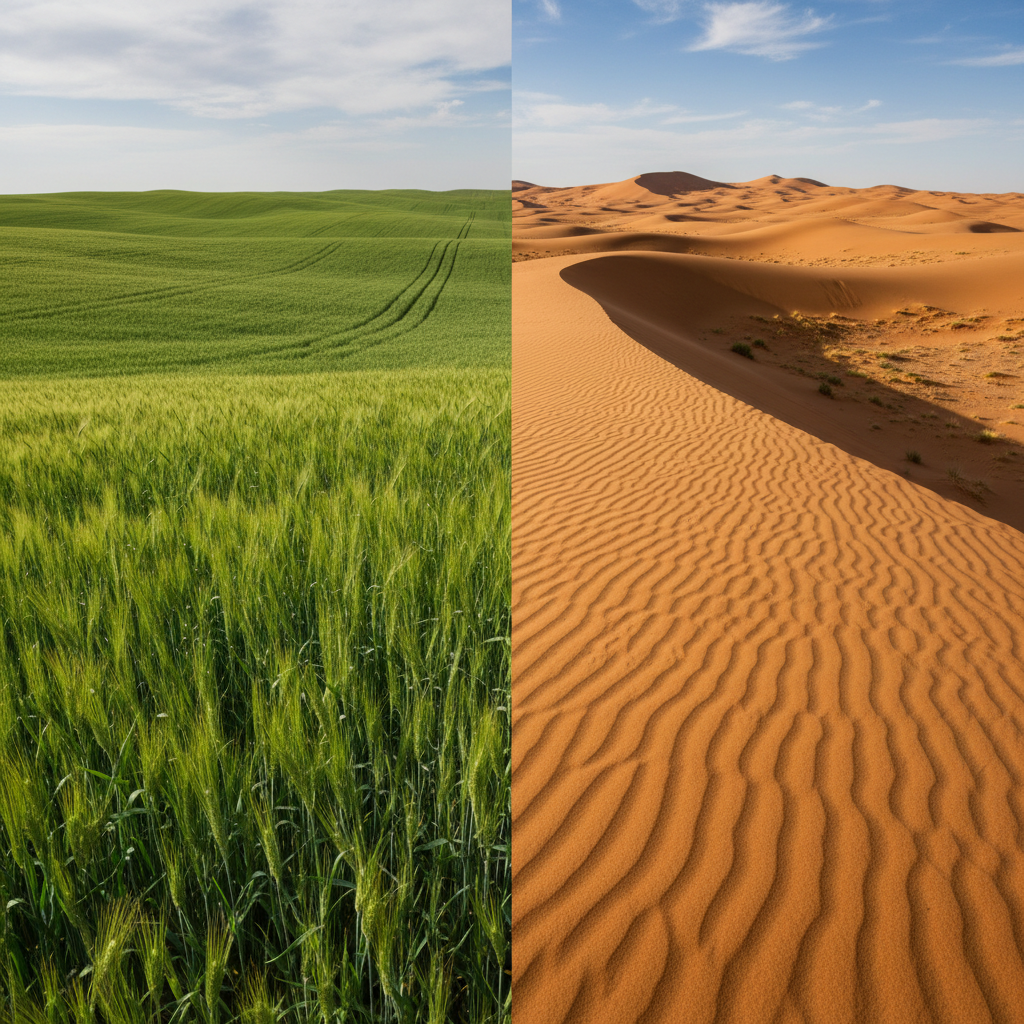
Located on the fertile alluvial plains of southeastern Punjab, the region relies heavily on canal irrigation from the Sutlej River. To the south lies the vast Cholistan Desert, creating a sharp geographical contrast that defines both the climate and the lifestyle of the inhabitants.

Made byBobr AI

Economic Drivers: Agriculture

Major Crops: Wheat, Cotton, Sugarcane, and Gram flourish in the irrigated plains.

Export Hub: Known globally for high-quality cotton, wool, and hides.

Fruit Production: A key market for mangoes, dates, and citrus fruits.

Livestock: Deep connection to sheep and cattle rearing, especially near the Cholistan belt.

Made byBobr AI

Industrial & Traditional Crafts

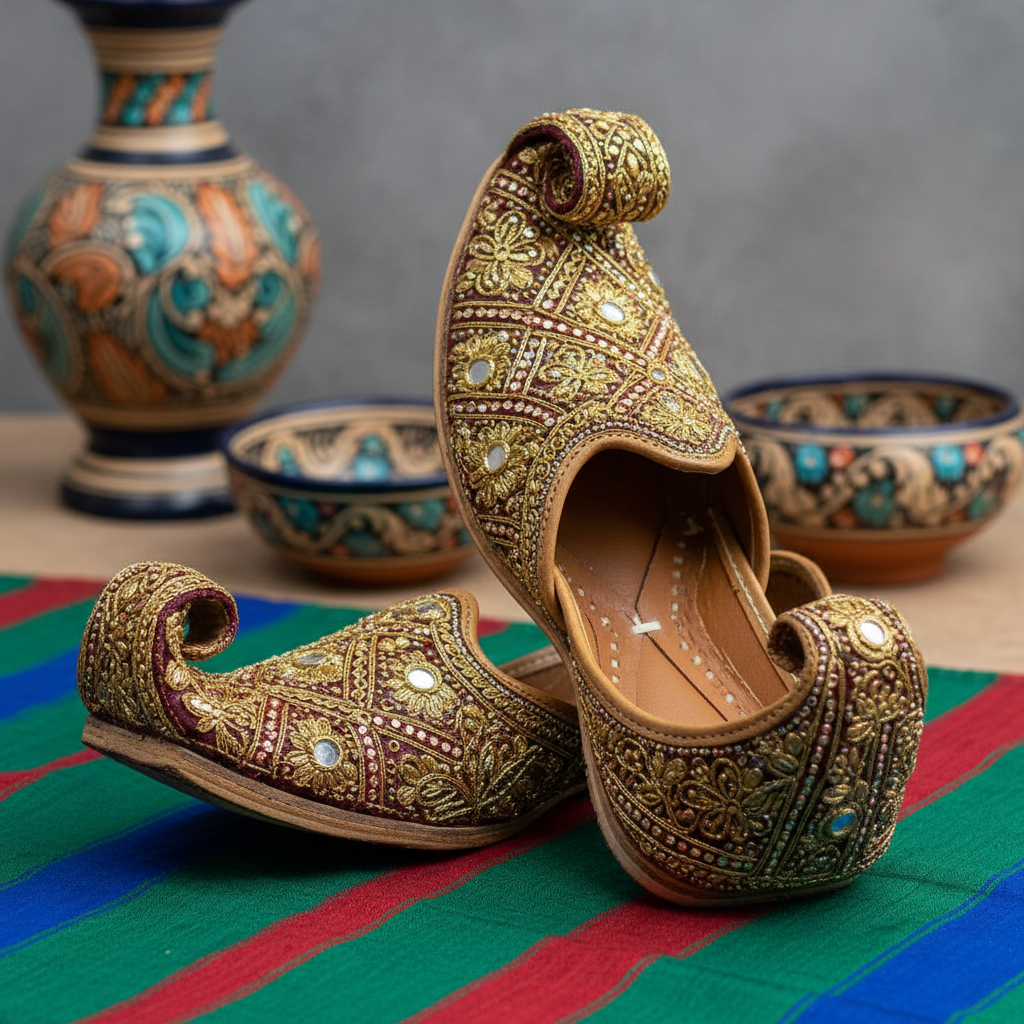
Beyond agriculture, Ahmedpur East is celebrated for its exquisite handicrafts. The city produces 'Khusa' (traditional embroidered shoes), delicate pottery, and hand-knotted carpets. Industrial activity includes cotton ginning factories, oil mills, and soap manufacturing, blending traditional artistry with industrial processing.

Made byBobr AI

Key Attractions & Landmarks

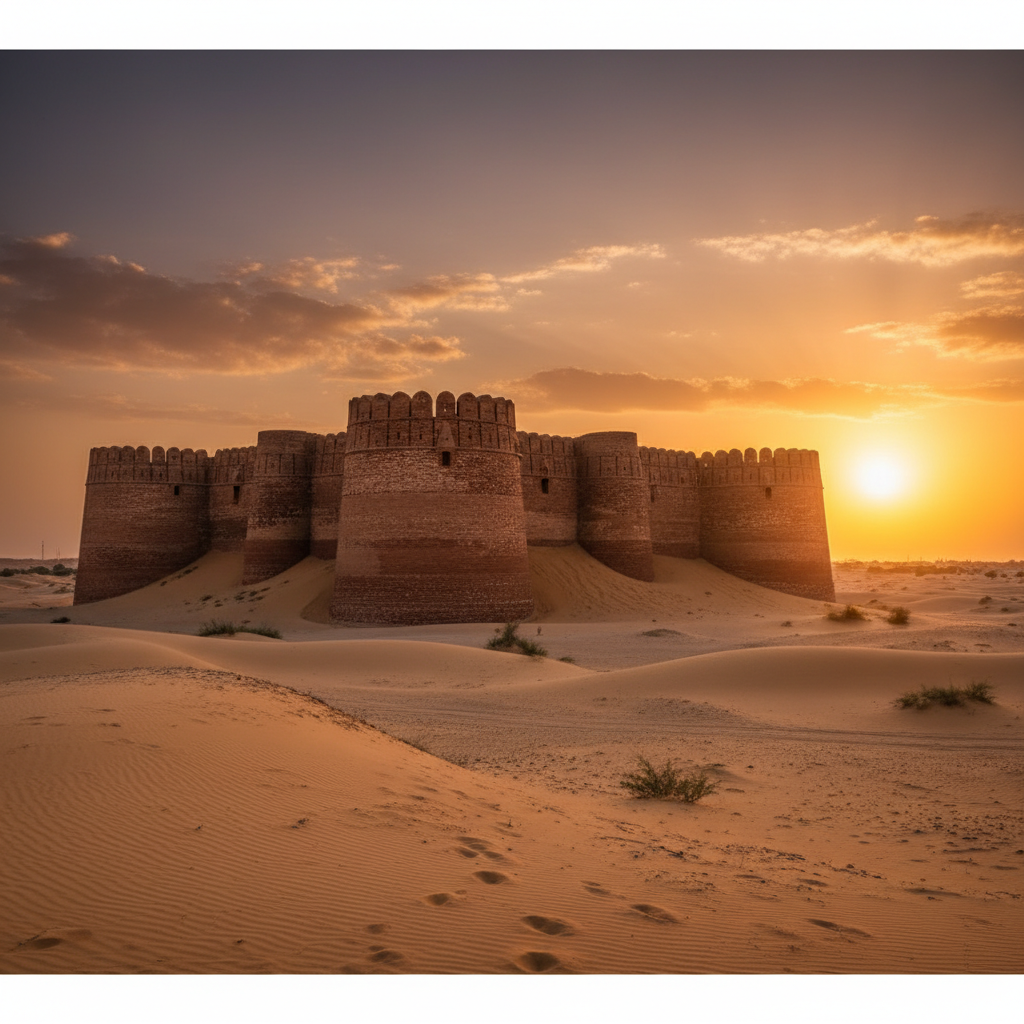
Derawar Fort: A massive square fortress visible for miles in the Cholistan Desert.
Jamia Masjid: Historic mosque architecture reflecting the spiritual depth of the region.
Darbar Mahal: Although in Bahawalpur proper, it is culturally linked to the Ahmedpur nobility.
Cholistan Desert: The venue for the famous Jeep Rally and a hub for archaeologists.
Made byBobr AI

Ahmedpur East stands as a living testament to the grandeur of the Abbasi dynasty, merging the resilience of the desert with the abundance of the river.

Cultural Summary

Made byBobr AI
Bobr AI

DESIGNER-MADE
PRESENTATION,
GENERATED FROM
YOUR PROMPT

Create your own professional slide deck with real images, data charts, and unique design in under a minute.

Generate For Free

History and Culture of Ahmedpur East: The Abbasi Legacy

Explore the historical foundations, politics, agriculture, and cultural landmarks of Ahmedpur East, Punjab—the seat of the Abbasi Nawabs.

Ahmedpur East

History, Politics, and Cultural Heritage of the Abbasi Legacy

Introduction to Ahmedpur East

Ahmedpur East (Ahmadpur Sharqia) serves as a critical agricultural and cultural hub in the Bahawalpur District of Punjab. Ranking as the 69th largest city in Pakistan with a population exceeding 150,000, it stands as a bridge between the fertile Sutlej river plains and the historic Cholistan desert.

Historical Foundations (1748)

Founded in 1748 by Ahmed Khan, son of Qadir Din Khan and grandson of Piruj Khan.

Originally located closer to the river, the city was relocated south after the Ghara River floods of 1758.

Flourished under Nawab Bahawal Khan Abbasi I, becoming a center for trade and culture in the region.

Served as a strategic location within the Princely State of Bahawalpur before the 1947 independence.

Political & Administrative Status

As the headquarters of the Tehsil (sub-district), Ahmedpur East holds significant administrative weight within Bahawalpur District. Historically the seat of the Abbasi Nawabs, its political landscape has transitioned from princely decrees to modern democratic local governance, acting as the nerve center for regional law, revenue, and development administration.

The Sadiq Garh Palace

Built in 1882 by Nawab Sadiq Muhammad Khan IV, a symbol of royal heritage.

Geography & Climate

Located on the fertile alluvial plains of southeastern Punjab, the region relies heavily on canal irrigation from the Sutlej River. To the south lies the vast Cholistan Desert, creating a sharp geographical contrast that defines both the climate and the lifestyle of the inhabitants.

Economic Drivers: Agriculture

Major Crops: Wheat, Cotton, Sugarcane, and Gram flourish in the irrigated plains.

Export Hub: Known globally for high-quality cotton, wool, and hides.

Fruit Production: A key market for mangoes, dates, and citrus fruits.

Livestock: Deep connection to sheep and cattle rearing, especially near the Cholistan belt.

Industrial & Traditional Crafts

Beyond agriculture, Ahmedpur East is celebrated for its exquisite handicrafts. The city produces 'Khusa' (traditional embroidered shoes), delicate pottery, and hand-knotted carpets. Industrial activity includes cotton ginning factories, oil mills, and soap manufacturing, blending traditional artistry with industrial processing.

Key Attractions & Landmarks

Derawar Fort: A massive square fortress visible for miles in the Cholistan Desert.

Jamia Masjid: Historic mosque architecture reflecting the spiritual depth of the region.

Darbar Mahal: Although in Bahawalpur proper, it is culturally linked to the Ahmedpur nobility.

Cholistan Desert: The venue for the famous Jeep Rally and a hub for archaeologists.

Ahmedpur East stands as a living testament to the grandeur of the Abbasi dynasty, merging the resilience of the desert with the abundance of the river.

Cultural Summary

  • ahmedpur-east
  • punjab-history
  • abbasi-dynasty
  • cholistan-desert
  • sadiq-garh-palace
  • derawar-fort
  • pakistan-heritage