

LQA Fine-Dining Service Audit Protocol & Benchmarks
Explore the Luxury Quality Assurance (LQA) audit protocol for fine-dining. Learn about luxury service benchmarks, timing intervals, and behavior standards.
LQA Restaurant Services Audit Protocol
Fine-Dining Experience Assessment Methodology
Audit Overview
The Luxury Quality Assurance (LQA) audit evaluates fine-dining establishments against global luxury service benchmarks. It moves beyond basic service to assess both tangible assets and the intangible emotional intelligence defining exceptional guest experiences.
1. Pre-Arrival & Host Interaction
Reservation Experience: Courtesy, efficiency, and pre-arrival personalization checklist.
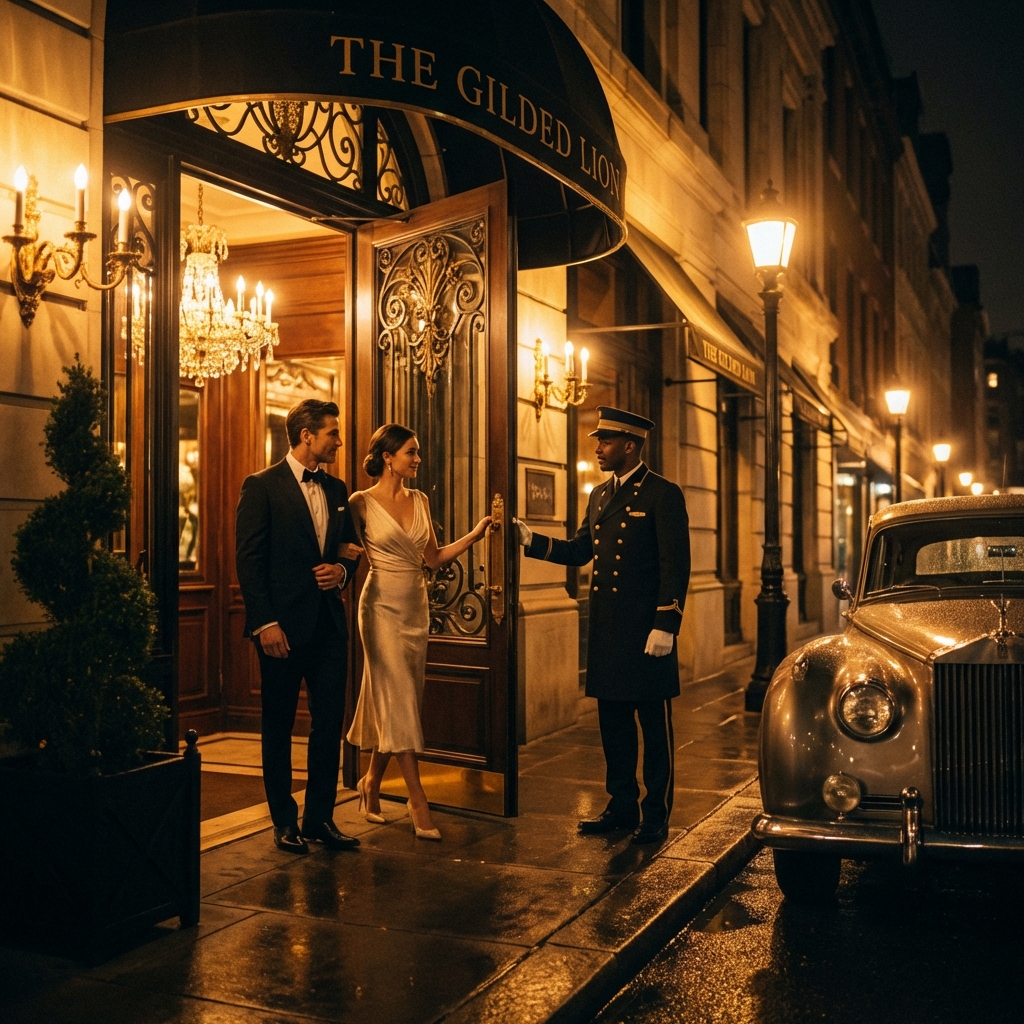
Arrival Sequence: Valet procedure, door staff atmosphere, and wait time management.
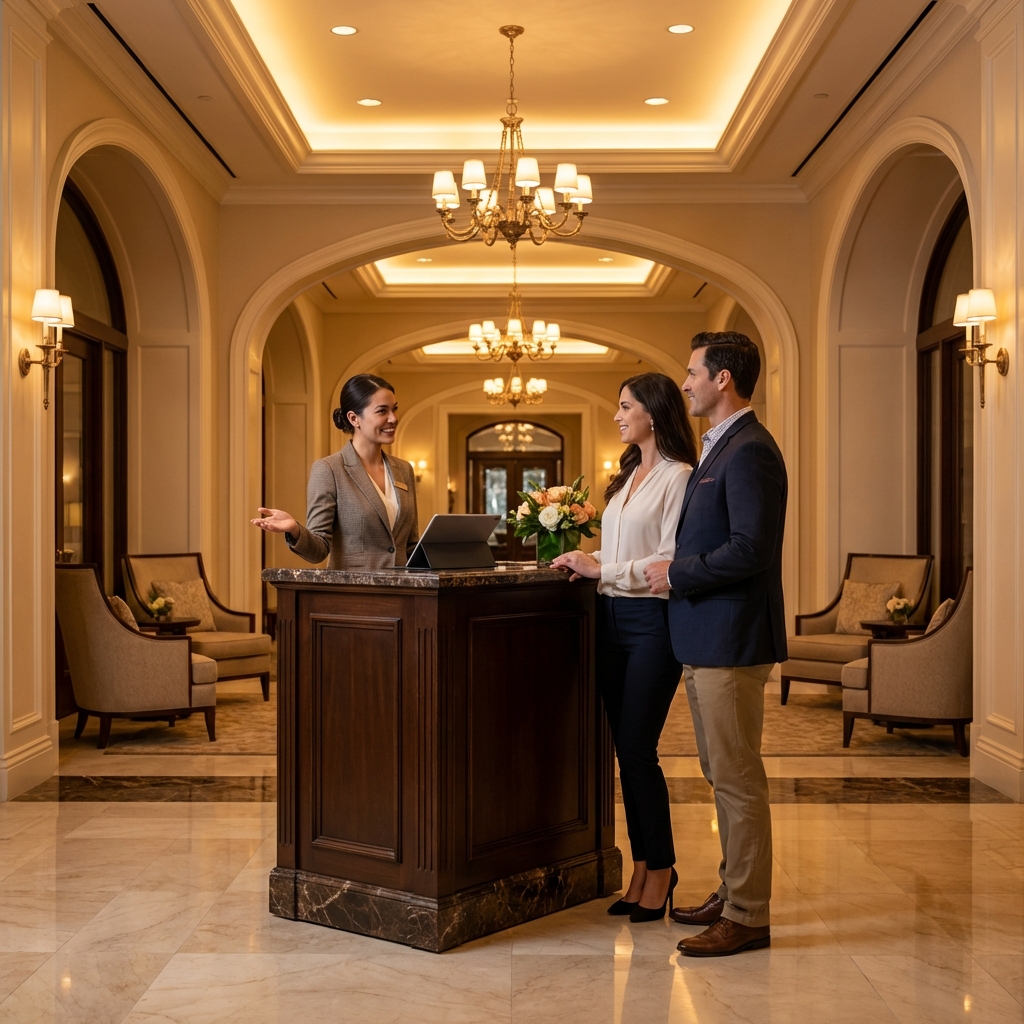
Critical Check: Is the guest's name used naturally within the first 60 seconds?
2. Seating & Ambience Assessment
Escort & Seating: Natural pacing and assistance with chairs/coats.
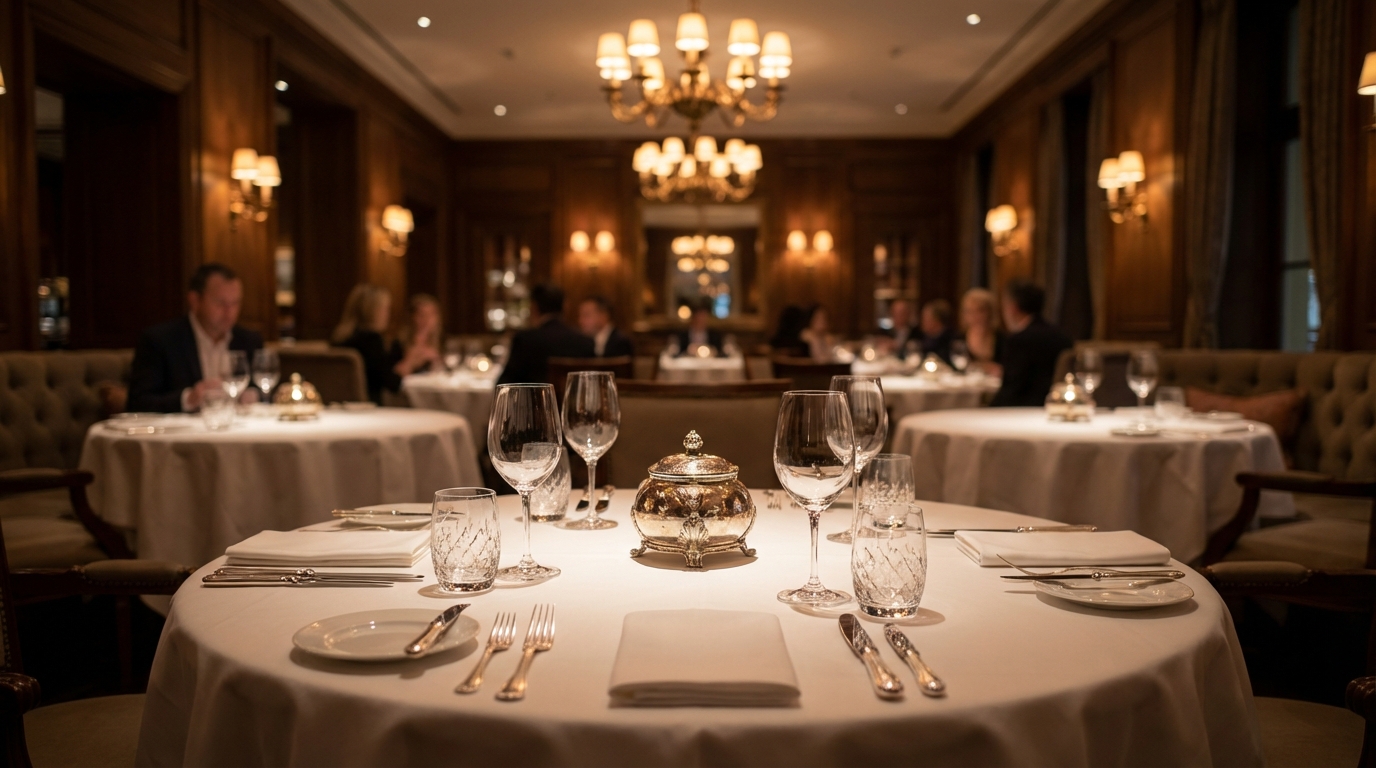
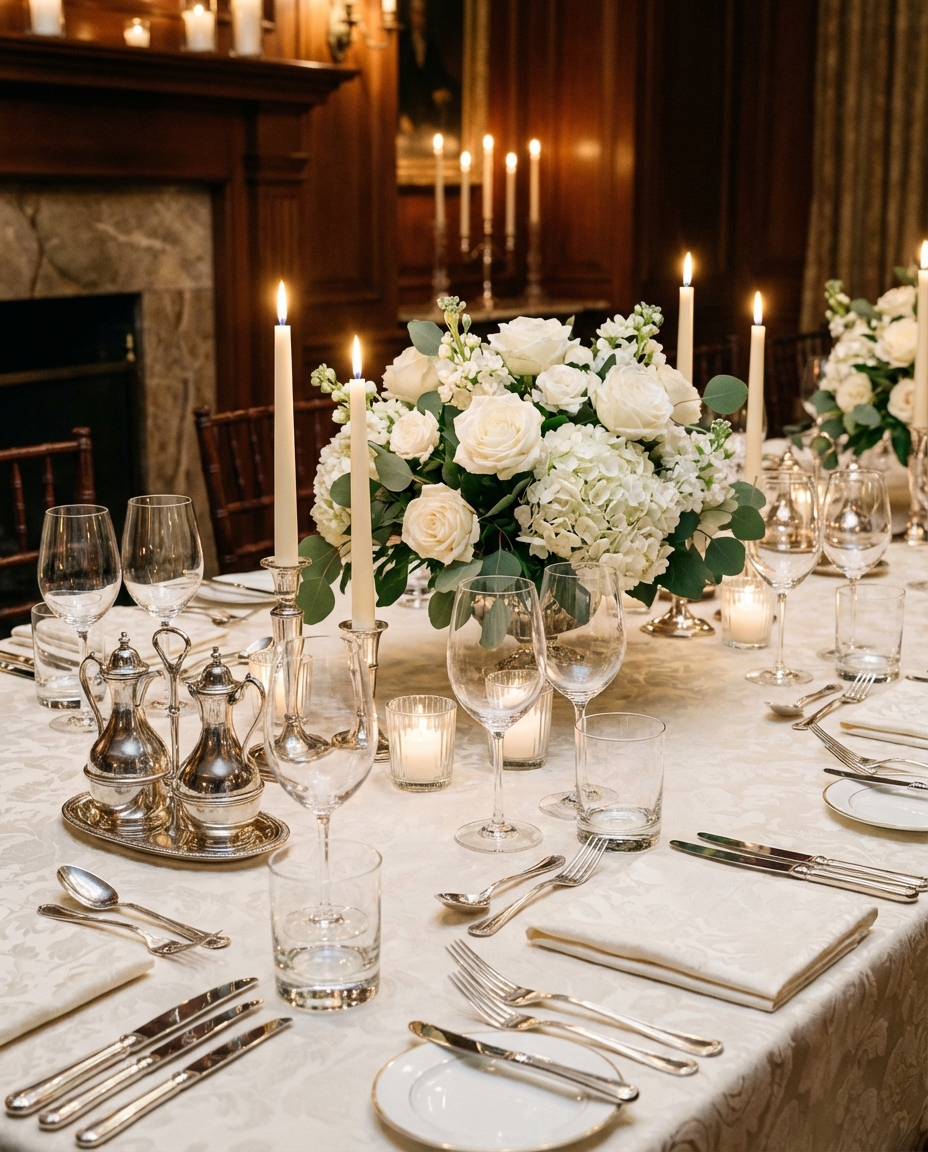
Table Inspection: The 'Light Test' for glassware, aligned cutlery, and pristine linens.
Ambience: Appropriate music volume, lighting levels, temperature, and fresh floral quality.
3. The Ordering Process
Menu Presentation: Specials explained with enthusiasm; clean, unmarked menus.
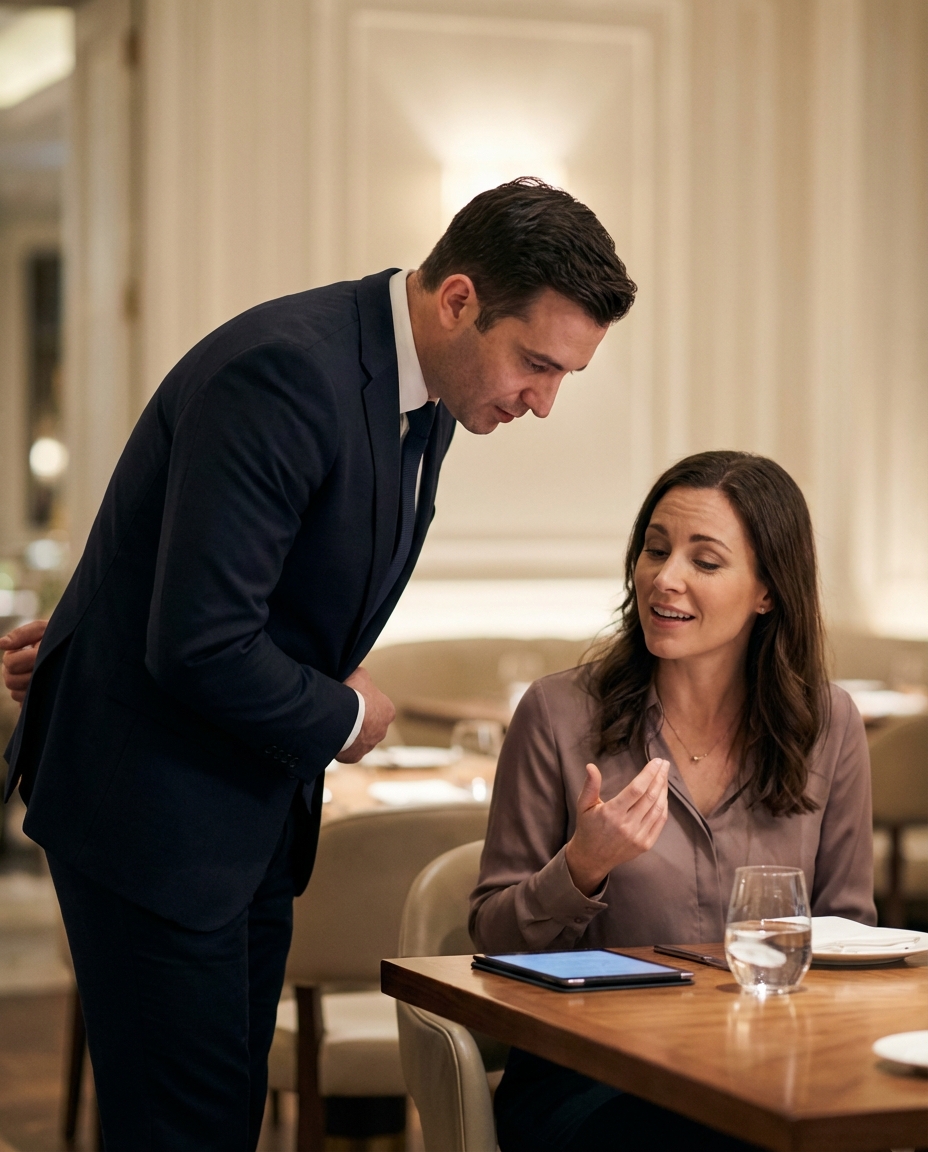
Server Competence: Deep product knowledge (provenance/prep) and confidence in pairing.
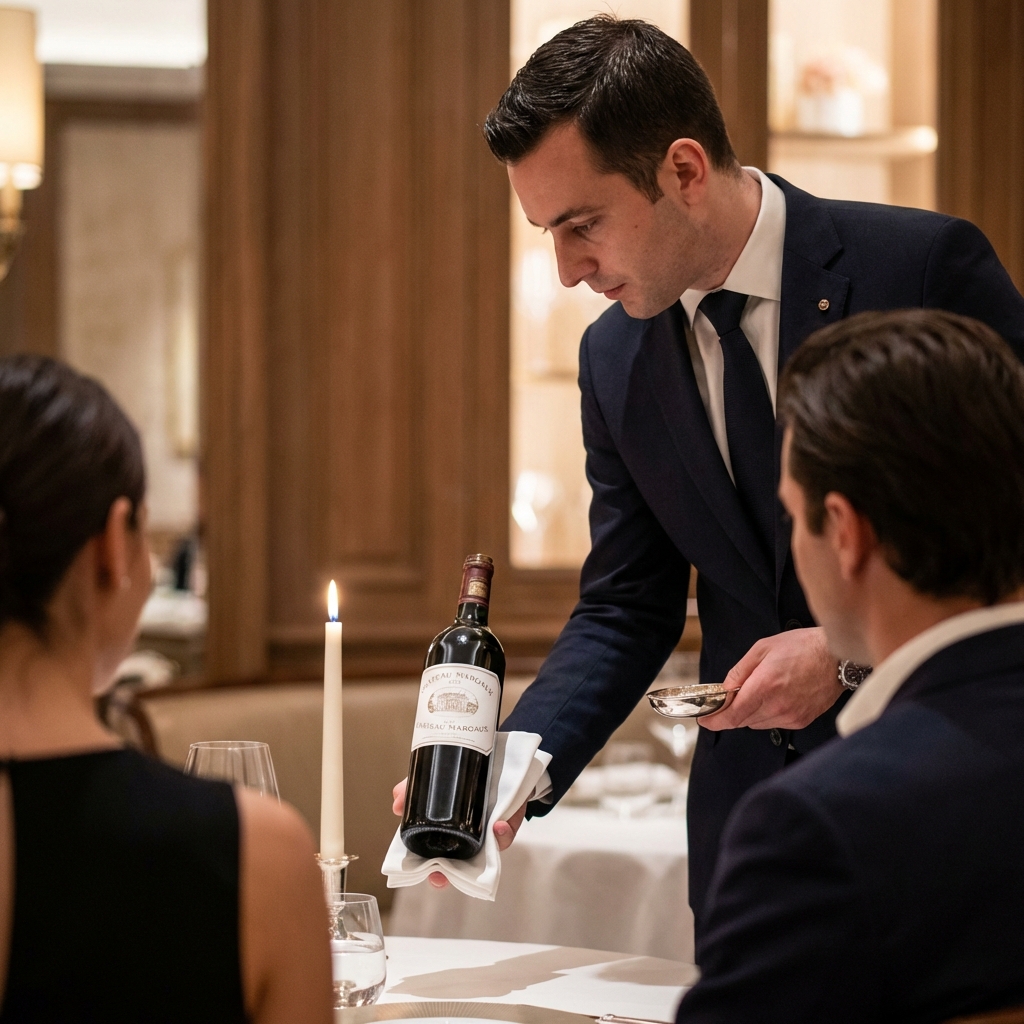
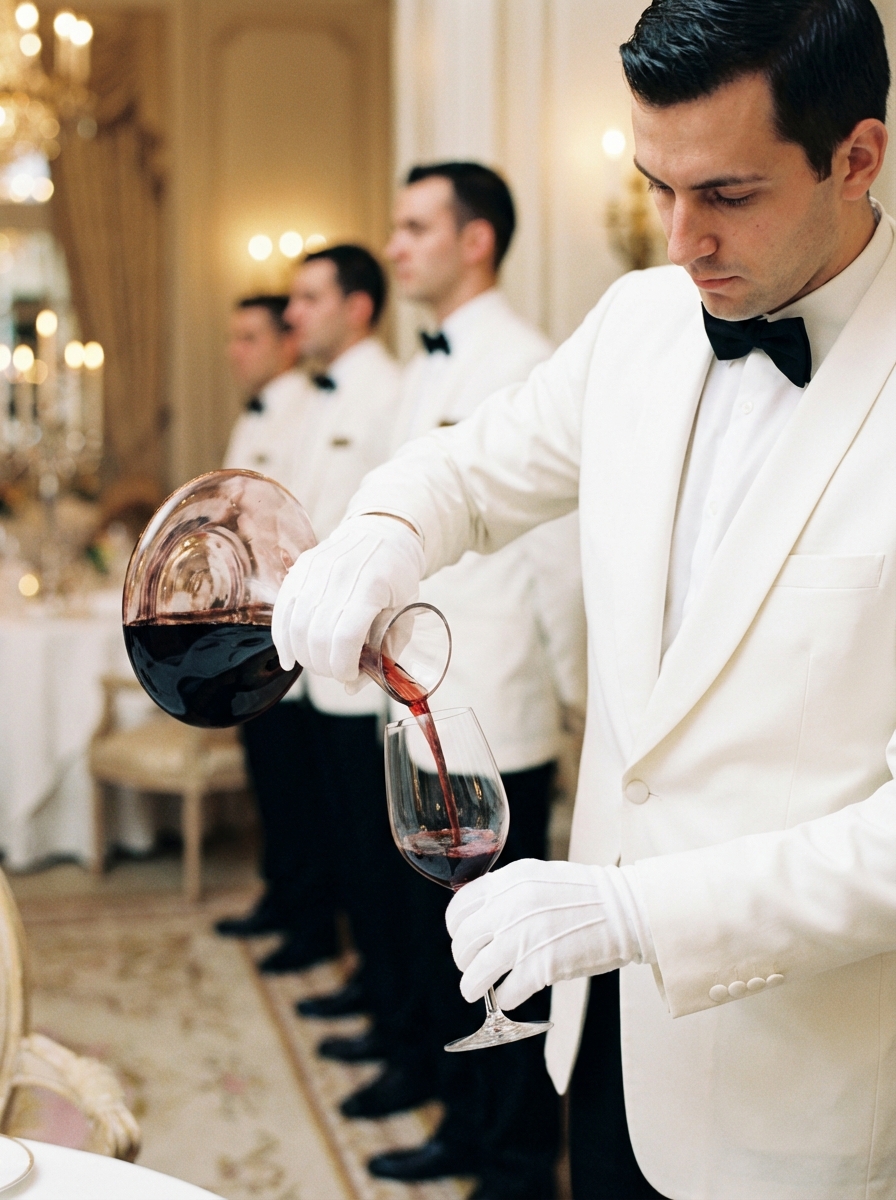
Beverage Service: Sommelier interaction, proper pouring etiquette, and tasting procedures.
Server Competence Evaluation Metrics
Comparing a Standard Service baseline against LQA Luxury Benchmarks.
4. Food & Beverage Delivery
Delivery Standards: Verification of order accuracy and correct service side protocol (Right for food/beverages).
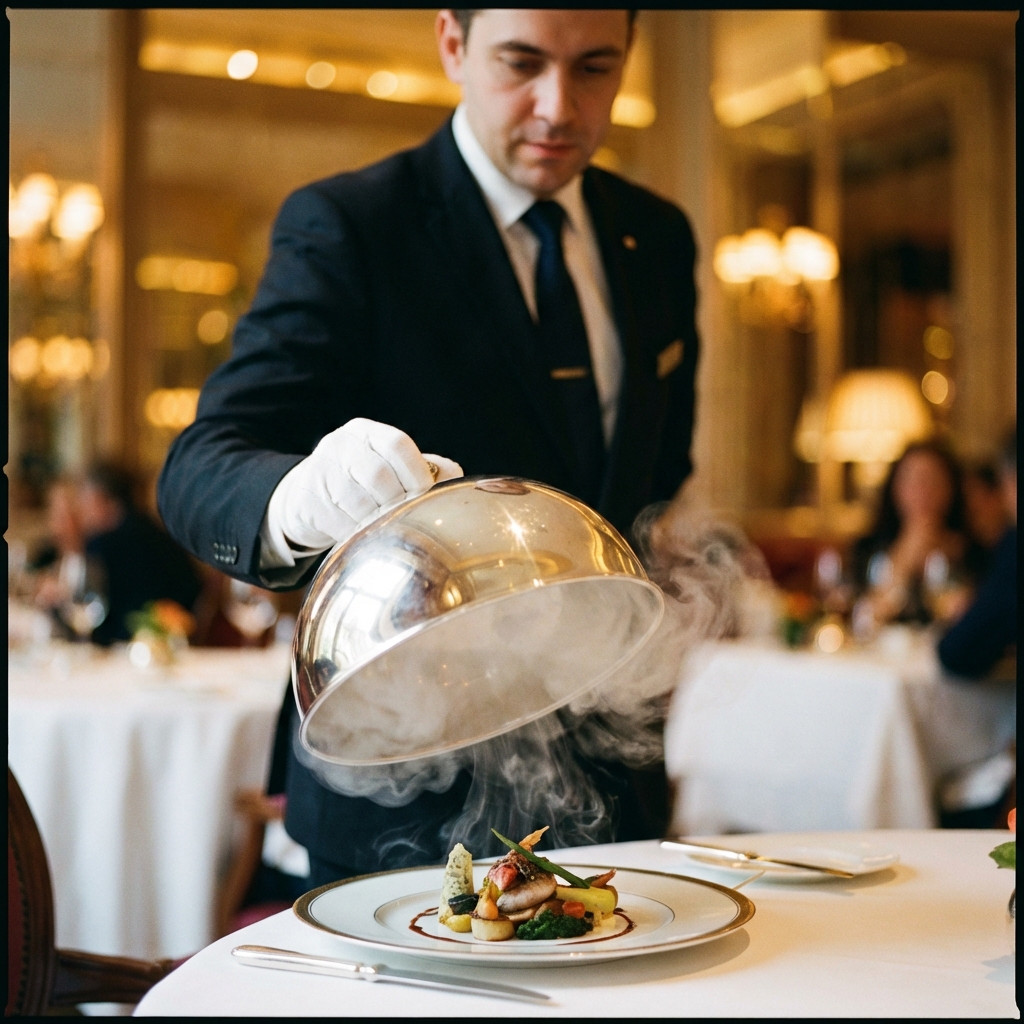
Temperature Check: Discreet touch test on plate edge to ensure heat retention.
Verbal Cues: Clear dish announcements without interrupting guest conversation.
LQA Ideal Service Intervals
Benchmarks for timing between courses and key service touches.
5. Staff Behavior & Appearance
Impeccable grooming standards, no visible wear on uniforms, appropriate accessories.
Service Choreography: Silent communication, effective anticipation of needs (refills, clearing), and appropriate spatial awareness.
Clearance Protocol: Discreet clearing only when all guests have finished the course.
6. Service Recovery & Special Handling
Auditors use specific scenarios to test staff empowerment and problem-solving skills.
Allergy Declaration: Does the staff note it, communicate it to the kitchen, and confirm safety upon delivery?
Minor Complaint: Observation of apology sincerity and resolution speed (e.g., temperature fix).
Empowerment Level: Can front-line staff resolve issues immediately without manager intervention?
7. Departure Experience
Bill Presentation: Discreet, accurate, and prompt processing.
Farewell Sequence: Genuine thanks using guest name, proactive coat/valet assistance, and escort to exit.
Post-Departure: Table reset must be swift and meet original setup standards.
Audit Phase Summary
1. Pre-Arrival & Host | 2. Seating & Ambience | 3. Ordering Process | 4. Delivery & Timing | 5. Behavior & Grooming | 6. Recovery & Handling | 7. Departure
- hospitality-management
- fine-dining-service
- lqa-audit
- luxury-service-standards
- restaurant-management
- service-recovery