
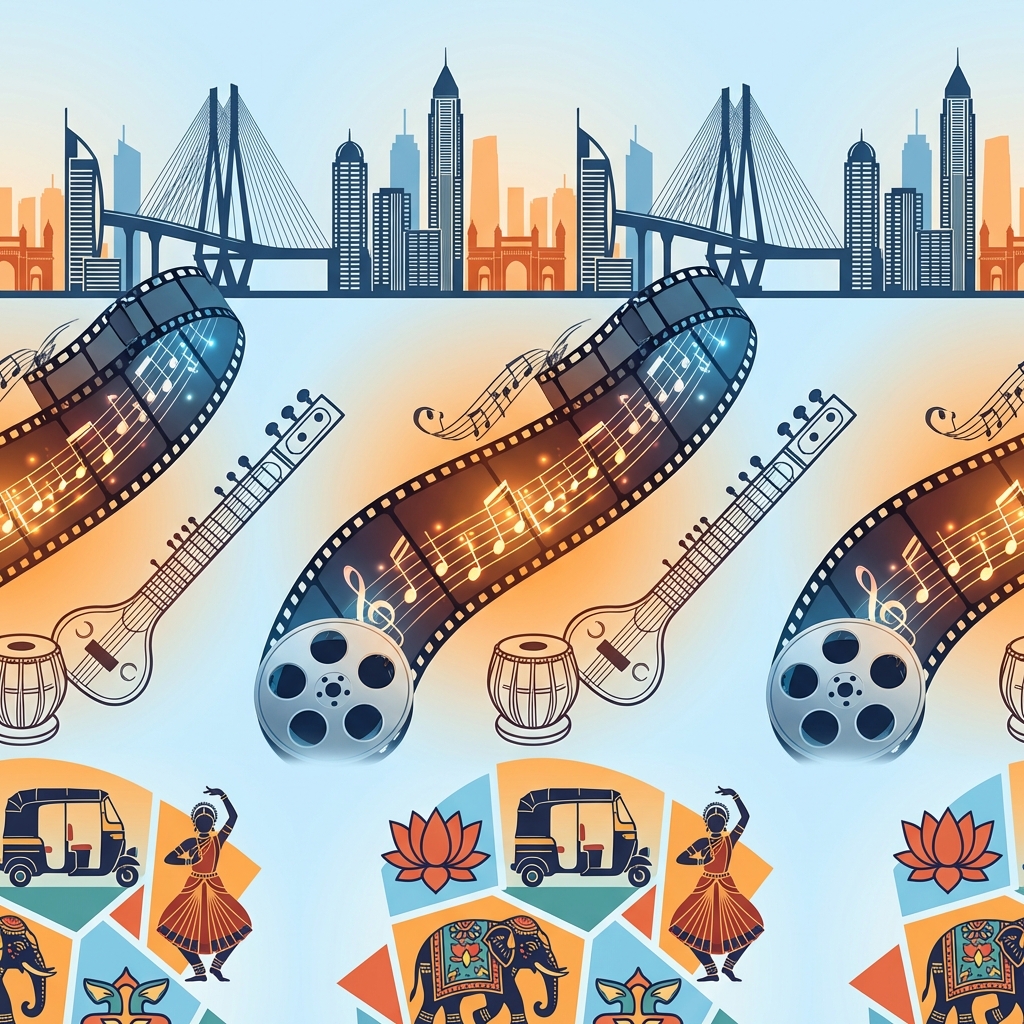
India's Cultural Spectrum: Bollywood & Pop Culture Dynamics
Explore the history of Bollywood, Indian music traditions, and modern pop culture trends, including the impact of icons like SRK and Virat Kohli.
Indian Pop Culture & Bollywood
Cinema, music, trends, and cultural change in modern India
Presented by [Presenter Name]
Introduction: Overview
<ul><li><strong>Bollywood:</strong> The history, styles, and global impact of Hindi cinema.</li><li><strong>Music:</strong> From classical roots to western fusion and modern pop.</li><li><strong>Pop-Culture:</strong> Trends, lifestyle, and modern icons.</li><li><strong>Tradition vs. Modernity:</strong> The evolving identity of modern India.</li><li><strong>Key question:</strong> How pop culture shapes youth identity and global perceptions of India.</li></ul>
Bollywood: General Information
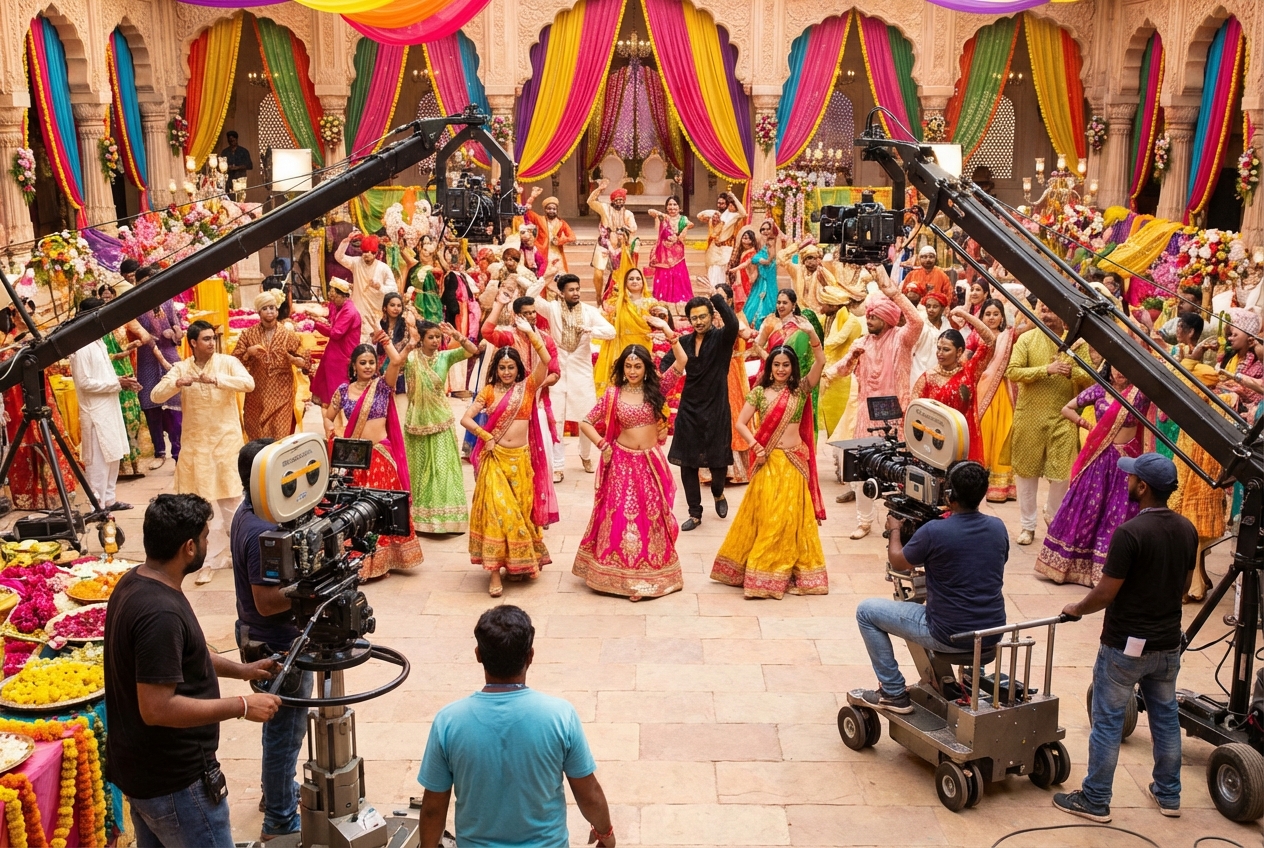
Bollywood is the informal term for the Hindi-language film industry based in Mumbai (formerly Bombay). It is one of the largest film production centers in the world and reaches diaspora audiences across the UK, Middle East, and North America. Major studios and star systems drive nationwide releases and international distribution.
Produces hundreds of movies annually and employs thousands in film, music, and dance.
Known for 'Masala' films mixing action, comedy, romance, and drama for mass audiences, with big-star marketing.
Music and elaborate dance sequences are central; songs often release first and shape a film’s popularity.
History of Bollywood
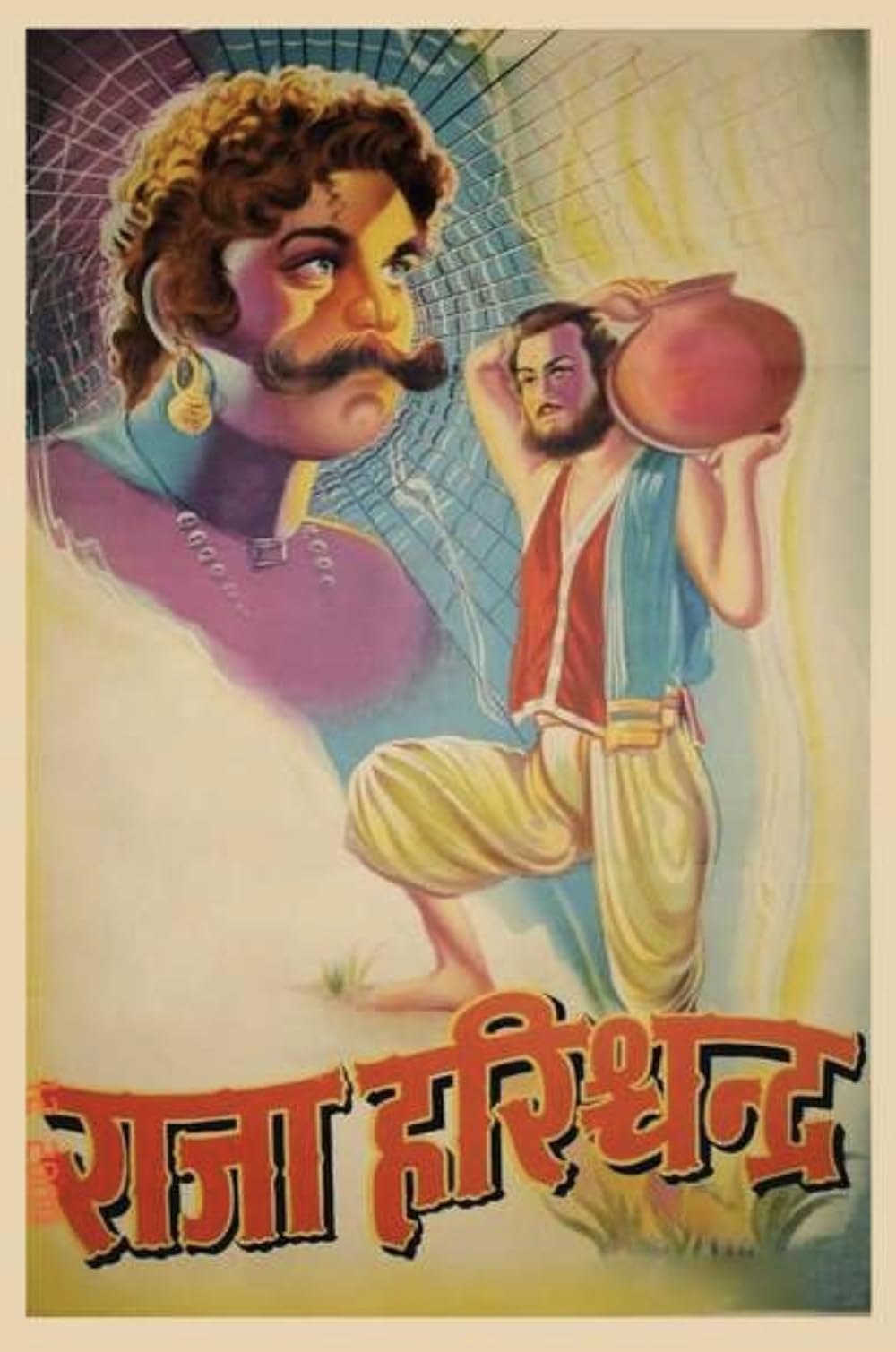
1913–1929: Dadasaheb Phalke’s 'Raja Harishchandra' (1913) launches Indian feature cinema. Silent-era studios grow in Bombay/Calcutta, adapting mythologicals and historicals with live musicians in theaters.
1931–1960s (Sound + Golden Age): 'Alam Ara' (1931) introduces talkies and songs; playback singing becomes standard. The 1940s–60s Golden Age brings socially aware films and classics like 'Mother India' (1957), 'Pyaasa' (1957), and epic spectacle 'Mughal-e-Azam' (1960).
1970s–1980s: The 'Angry Young Man' era (Amitabh Bachchan) and masala films dominate, blending action, romance, and social themes; parallel cinema also grows with more realistic storytelling.
1990s–Today: Economic liberalization fuels big-budget romances (SRK era) and global diaspora markets. 2000s–2010s multiplexes and corporatization diversify genres, and the 2010s–2020s streaming/OTT boom reshapes distribution and storytelling.
Popular Movies & Global Impact
Sholay (1975)
An iconic action-adventure film often dubbed the 'Star Wars' of Bollywood due to its cultural impact and memorable dialogues.
Lagaan (2001)
Nominated for an Oscar; villagers play cricket to evade British taxes, highlighting colonial history and community resilience.
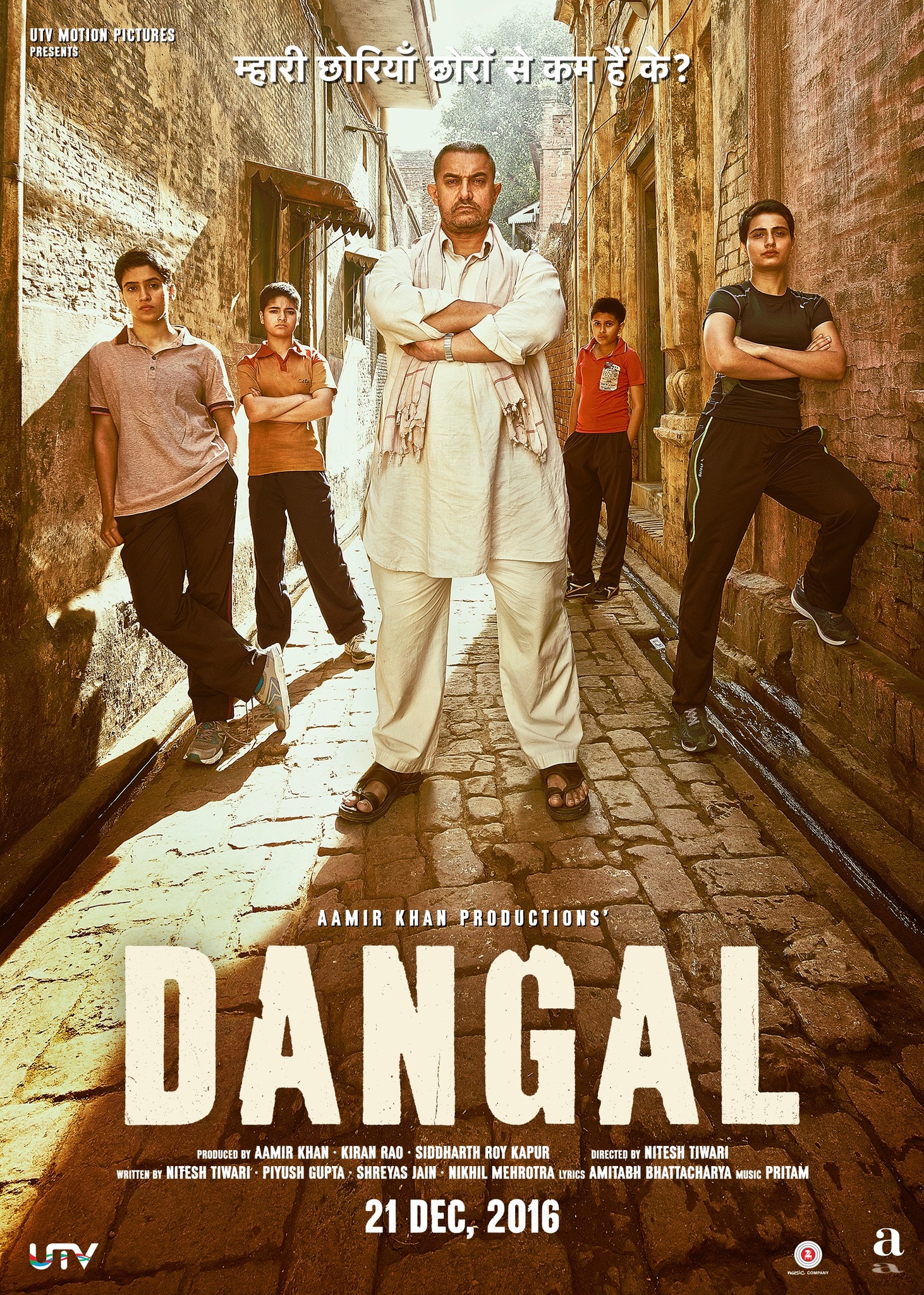
Dangal (2016)
The highest-grossing Indian film of all time, focusing on female wrestling, empowerment, and family ambition.
3 Idiots (2009)
A hugely popular comedy‑drama that critiques exam pressure and celebrates creative learning; one of Bollywood’s most internationally known films.
Indian Music: Definition & History
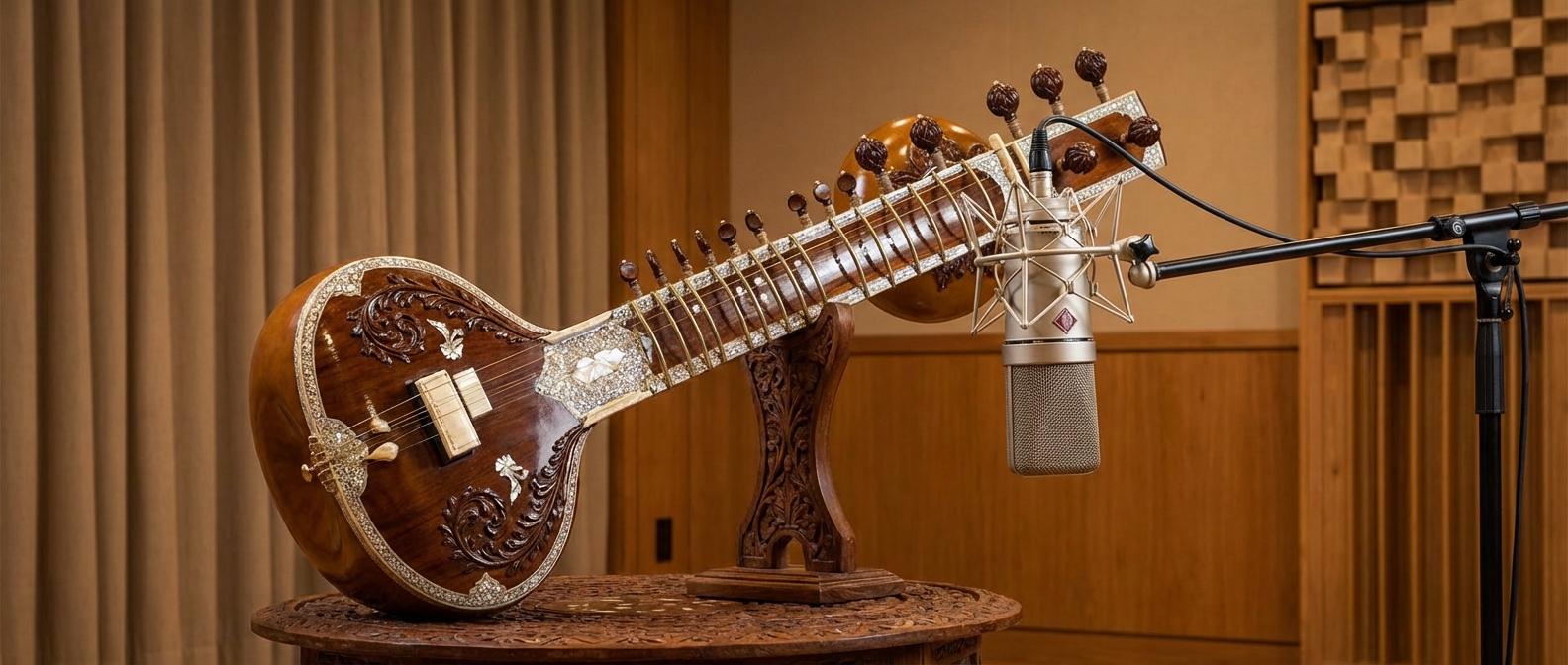
<h3>Classical Roots</h3><p>Indian music is historically divided into Hindustani (North) and Carnatic (South) traditions. It relies heavily on <em>Ragas</em> (melodic frameworks) and <em>Talas</em> (rhythmic cycles), with improvisation as a core skill.</p>
<h3>Filmi Music (Bollywood)</h3><p>The dominant form of pop music in India. Actors lip-sync to songs recorded by playback singers, and soundtracks often determine a film’s marketing, chart success, and cultural memory.</p>
Music: The Western Influence
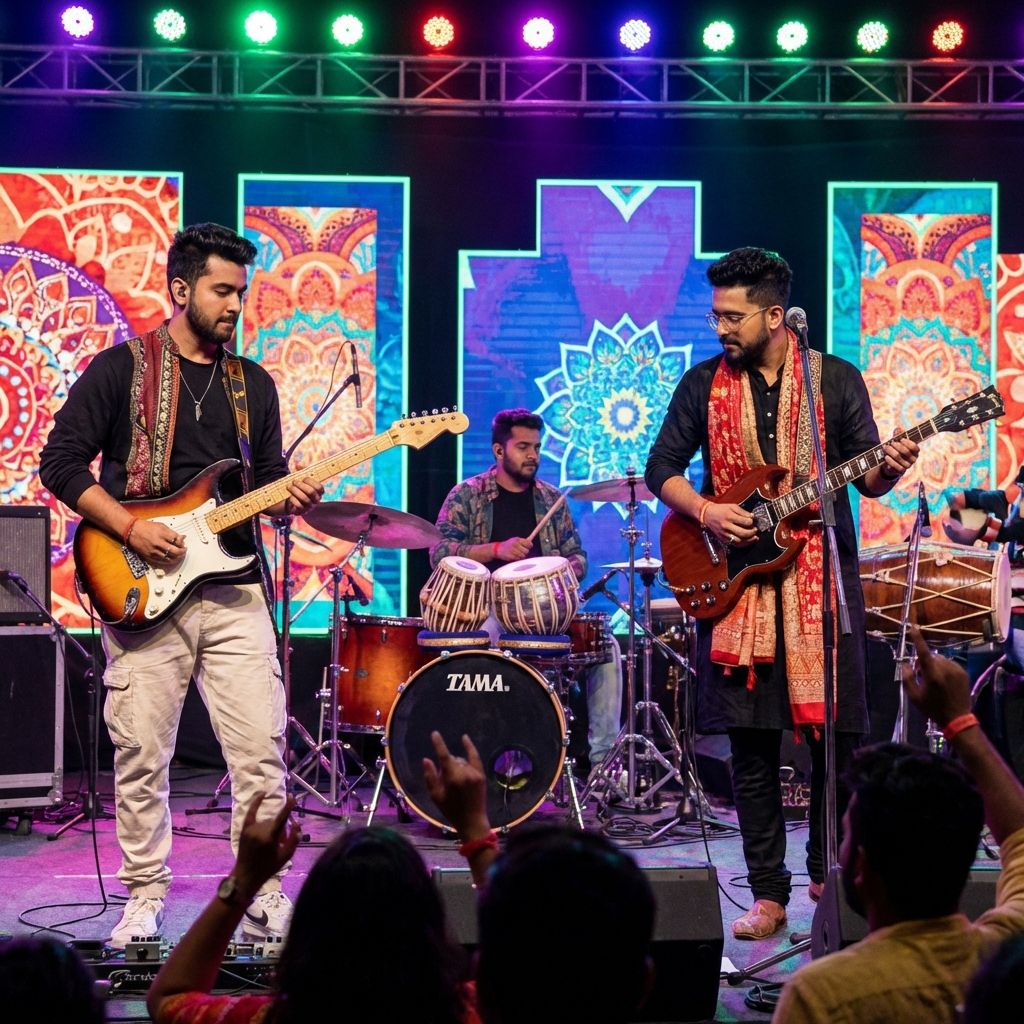
<ul><li><strong>Instrumentation:</strong> Introduction of synthesizers, guitars, and drum kits alongside Tabla and Sitar.</li><li><strong>Remix Culture:</strong> Classic Bollywood songs are often remixed with EDM and Hip-Hop beats for modern nightclubs.</li><li><strong>Global Fusion:</strong> Platforms like 'Coke Studio' blend traditional folk with Western rock and pop.</li><li><strong>International collaborations:</strong> Artists like A.R. Rahman work with global musicians, expanding India’s sound worldwide.</li></ul>
Pop-Culture: Trends & Uniqueness
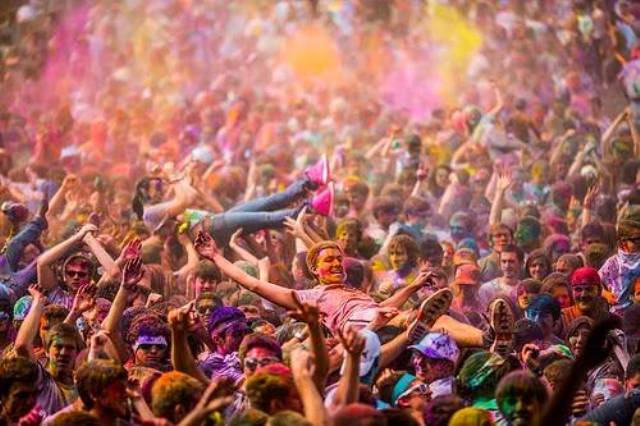
<strong>What sets it apart?</strong> Indian pop culture blends modernity with tradition—family-centered storytelling, religious festivals, and regional diversity shape trends more than pure individualism. Celebrity worship often overlaps with politics and philanthropy.
<strong>Cricket as Religion:</strong> The IPL turns players into global brands; film stars own teams, and matches drive fashion, slang, and sponsorship culture across youth audiences.
<strong>Everyday Life & Trends:</strong> Street food culture, OTT binge-watching, Instagram reels, and YouTube music drive viral dances. Wedding fashion, remix culture, and meme templates from films spread quickly across regions.
Modern Pop-Culture Figures
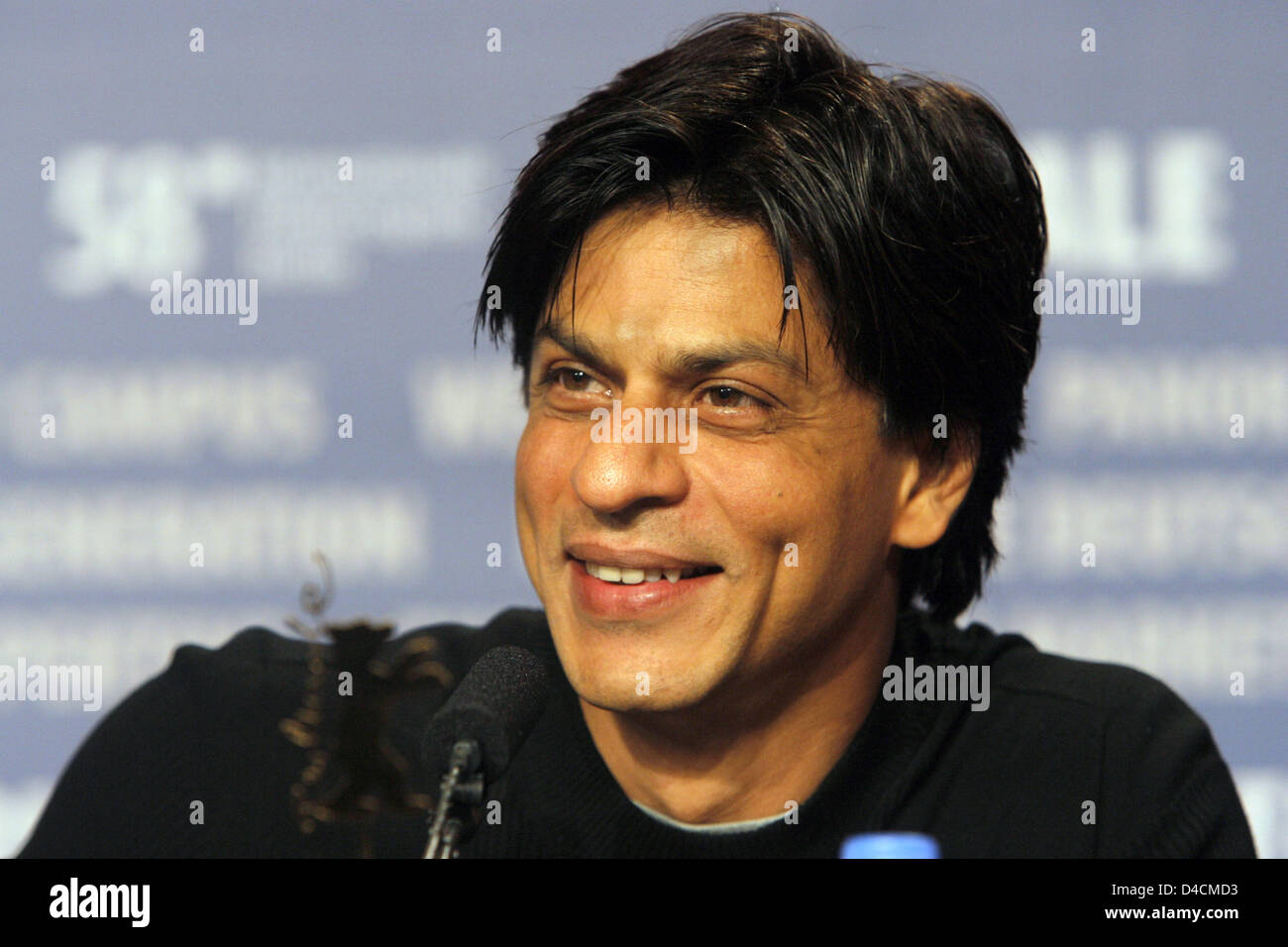
<strong>Shah Rukh Khan (SRK):</strong> Known as the 'King of Bollywood', he represents the global face of Indian cinema and diaspora fandom.
<strong>Priyanka Chopra:</strong> Bridged Bollywood and Hollywood; a global fashion and media figure with international influence.
<strong>Virat Kohli:</strong> A cricket icon whose reach spans fashion, fitness, brand endorsements, and social media trends.
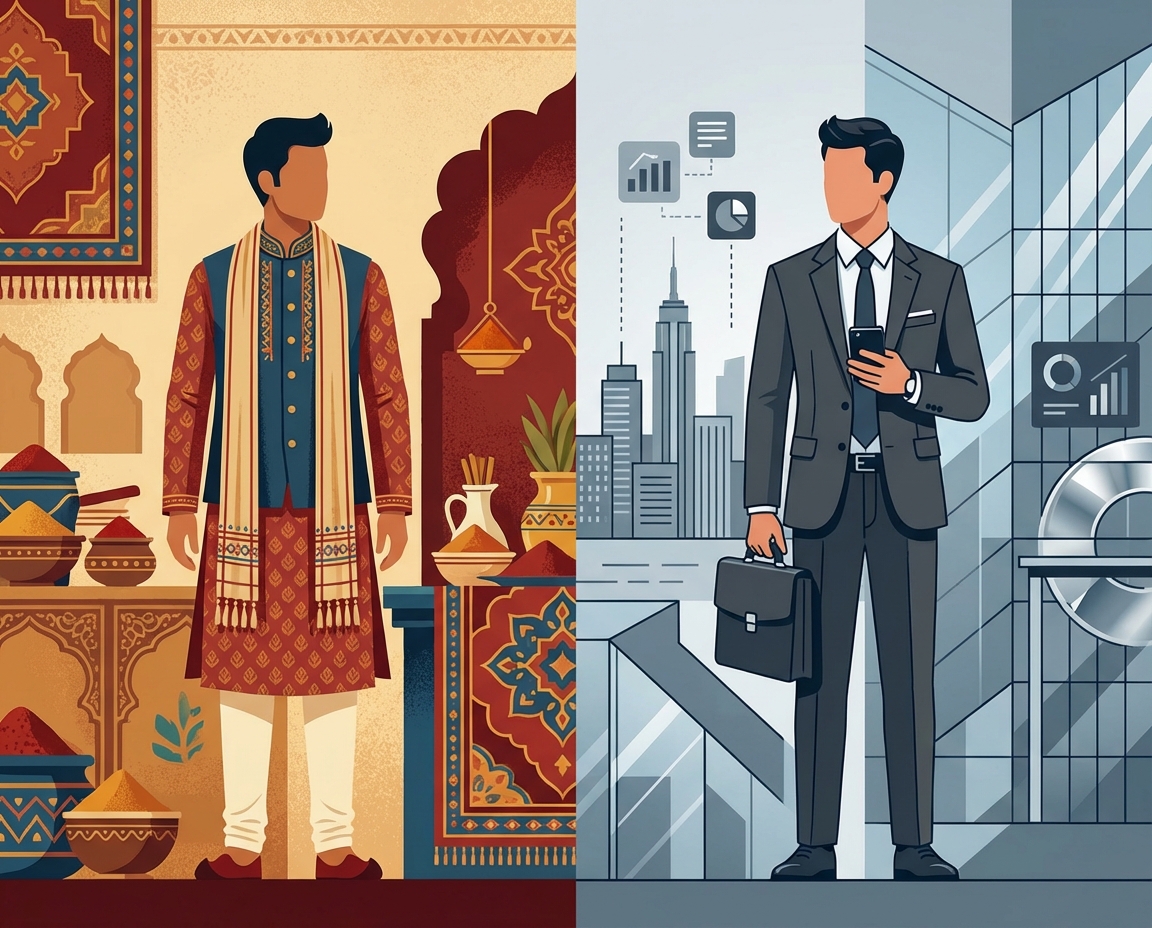
Tradition vs. Modernity
One of the most defining themes of current Indian pop culture is the tension between ancient values and Westernized lifestyles.
<ul><li><strong>Relationships:</strong> The shift from arranged marriages to dating apps, often causing generational friction.</li><li><strong>Fashion:</strong> Mixing traditional Saris/Kurtas with jeans and sneakers (Indo-Western fusion).</li><li><strong>Career vs. Duty:</strong> Films depict the struggle between pursuing individual dreams versus fulfilling family obligations.</li><li><strong>Media & Censorship:</strong> Debates around modern content, religion, and traditional values in films and music.</li></ul>
Sources & References
<ul><li><strong>Britannica:</strong> History of Indian Cinema and Bollywood.</li><li><strong>Box Office India:</strong> Statistics on highest-grossing films (Dangal, etc.).</li><li><strong>Wikipedia:</strong> General overviews of Indian pop culture and music traditions.</li><li><strong>Academic Journals:</strong> Studies on 'The Westernization of Indian Media'.</li><li><strong>National Film Archive of India:</strong> Context on early Indian cinema.</li></ul>
<ul><li><strong>Wikimedia Commons:</strong> Historical posters (Raja Harishchandra).</li><li><strong>Getty Images:</strong> Editorial photos of actors (SRK, Priyanka Chopra) and events.</li><li><strong>Unsplash/Pexels:</strong> Festival and crowd imagery (Holi, street life).</li><li><strong>AI Generation:</strong> Conceptual scenes created for this presentation.</li></ul>
- bollywood
- indian-culture
- hindi-cinema
- indian-music
- pop-culture
- indian-history
- cinema-trends