


Made byBobr AI

VR and Balance Training for Fall Prevention in Older Adults

Explore a clinical trial proposal on combining Virtual Reality with Perturbation-Based Balance Training (PBBT) to reduce fall risk in the elderly.

#physical-therapy#virtual-reality#fall-prevention#rehabilitation#geriatrics#clinical-trial#biomechanics
Watch
Pitch

Adding Virtual Reality to Perturbation-Based Balance Training

A Randomized Controlled Trial Proposal for Reducing Fall Risk in Older Adults

Ben-Gurion University | Dept of Physical Therapy | January 2026

Made byBobr AI

The Clinical Need: Fall Statistics

Falls are a critical issue for the aging population, with 28% of adults over 65 falling at least once a year. These incidents lead to decreased mobility, fear of falling, and significant healthcare costs ($50B/year in the USA). Most falls occur outside the home due to unexpected perturbations (tripping/slipping) or dual-task interference.
Chart
Made byBobr AI

The Formula for Safe Gait

Safe ambulation requires the integration of three distinct systems.

🧠

Cognitive

Cognitive Function: Attention, Executive Function, Decision Making, and Adaptation.

💪

Motor

Motor System: Obstacle negotiation, dual-tasking capabilities, and balance recovery.

👁️

Sensory

Sensory System: Visual and vestibular inputs required for dynamic stability.

Made byBobr AI

Does combined VR + Perturbation-Based Balance Training (PBBT) inclusive of cognitive-motor challenges reduce fall risk more effectively than PBBT alone?

Research Question | Target Population: Ages 65-90

Made byBobr AI

PICO Methodology

Population

Population: 60 older adults (30 per group), ages 65-90, living in the community.

Intervention

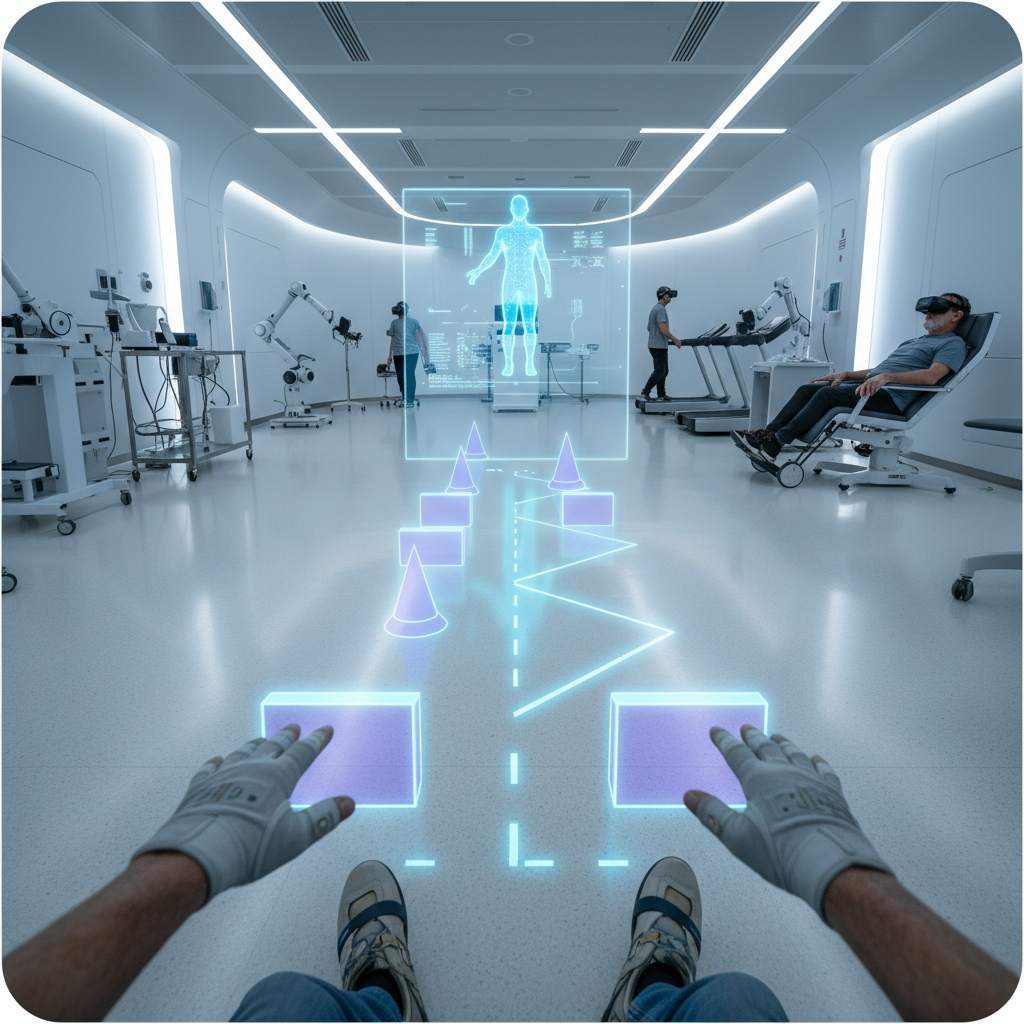
Intervention: PBBT + Virtual Reality (Cognitive-Motor challenges, obstacle avoidance, wayfinding). 30 mins, 3x/week, 6 weeks.

Comparison

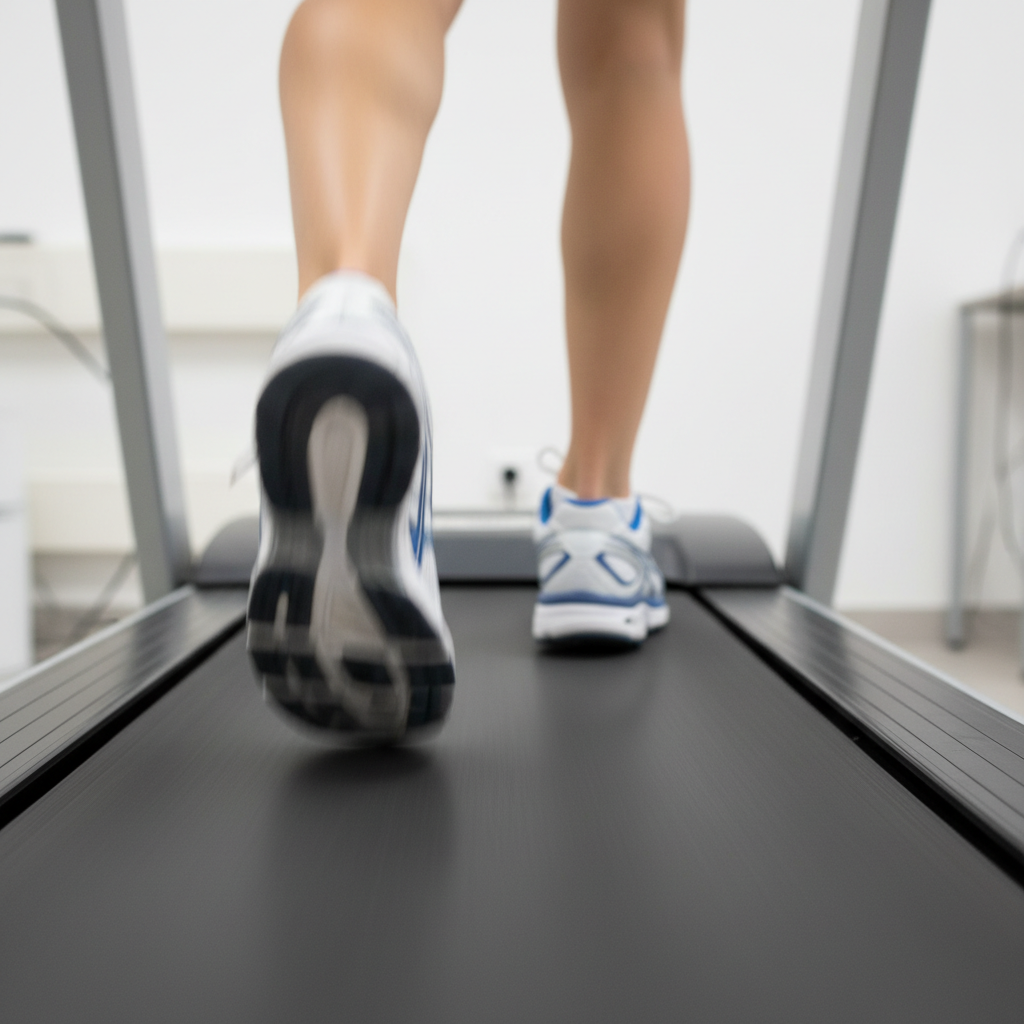
Comparison: PBBT Only (Treadmill with unexpected multi-directional perturbations) without VR.

Outcome

Outcome: Primary measure is the rate of falls in the 6 months post-training.

Made byBobr AI

Eligibility Criteria

INCLUSION CRITERIA: • Ages 65–90 years. • History of 2 or more falls in the last 6 months. • Ability to walk for 5 minutes without assistance. • MMSE score > 21 (Cognitive capability). EXCLUSION CRITERIA: • Psychiatric issues or neurological damage (e.g., Stroke). • Severe orthopedic issues or pain affecting gait. • Significant visual or hearing impairment.
Made byBobr AI

Protocol: Controlled Progression

Both groups use a safety harness system. The difficulty increases gradually over the 18 sessions (6 weeks). PBBT Progression: Increase in platform perturbation intensity (velocity 0.1–3.2 m/s, acceleration 0.5–16.0 m/s², displacement 1–18 cm). VR Progression: Increase in obstacle height and frequency, addition of distractors, and higher complexity in navigation tasks.

Made byBobr AI

Outcome Measures

Primary Outcome: Fall Rate documented via app for 6 months post-training.
01
BERG Balance Scale (ICC 0.99): Assess static and dynamic balance.
02
Timed Up and Go (TUG): Functional mobility assessment.
03
Four Square Step Test (FSST): Change of direction ability.
04
Falls Efficacy Scale-International (FES-I): Assessment of fear of falling.
Made byBobr AI

Research Significance

Developing a New Standard of Care: Combining these methods could create a highly effective standard protocol for fall prevention. Broad Applicability: Success could extend this treatment to Parkinson's, Stroke, and MCI patients. Rehabilitation Science: Provides insight into the synergistic mechanisms between motor and cognitive control systems.
Made byBobr AI

Limitations & Conclusion

⚠️ Sample Size: Relatively small cohort (N=60).
⚠️ Active Control: PBBT is already a proven effective treatment, making statistical superiority harder to prove than against a passive control.
⚠️ Recall Bias: Self-reporting of falls over 6 months carries risk of inaccuracy.
Conclusion: Justification for investment in advanced rehab technologies rests on demonstrating outcomes superior to current standards.
Made byBobr AI
Bobr AI

DESIGNER-MADE
PRESENTATION,
GENERATED FROM
YOUR PROMPT

Create your own professional slide deck with real images, data charts, and unique design in under a minute.

Generate For Free

VR and Balance Training for Fall Prevention in Older Adults

Explore a clinical trial proposal on combining Virtual Reality with Perturbation-Based Balance Training (PBBT) to reduce fall risk in the elderly.

Adding Virtual Reality to Perturbation-Based Balance Training

A Randomized Controlled Trial Proposal for Reducing Fall Risk in Older Adults

Ben-Gurion University | Dept of Physical Therapy | January 2026

The Clinical Need: Fall Statistics

Falls are a critical issue for the aging population, with 28% of adults over 65 falling at least once a year. These incidents lead to decreased mobility, fear of falling, and significant healthcare costs ($50B/year in the USA). Most falls occur outside the home due to unexpected perturbations (tripping/slipping) or dual-task interference.

The Formula for Safe Gait

Safe ambulation requires the integration of three distinct systems.

Cognitive Function: Attention, Executive Function, Decision Making, and Adaptation.

Motor System: Obstacle negotiation, dual-tasking capabilities, and balance recovery.

Sensory System: Visual and vestibular inputs required for dynamic stability.

Does combined VR + Perturbation-Based Balance Training (PBBT) inclusive of cognitive-motor challenges reduce fall risk more effectively than PBBT alone?

Research Question | Target Population: Ages 65-90

PICO Methodology

Population: 60 older adults (30 per group), ages 65-90, living in the community.

Intervention: PBBT + Virtual Reality (Cognitive-Motor challenges, obstacle avoidance, wayfinding). 30 mins, 3x/week, 6 weeks.

Comparison: PBBT Only (Treadmill with unexpected multi-directional perturbations) without VR.

Outcome: Primary measure is the rate of falls in the 6 months post-training.

Eligibility Criteria

INCLUSION CRITERIA: • Ages 65–90 years. • History of 2 or more falls in the last 6 months. • Ability to walk for 5 minutes without assistance. • MMSE score > 21 (Cognitive capability). EXCLUSION CRITERIA: • Psychiatric issues or neurological damage (e.g., Stroke). • Severe orthopedic issues or pain affecting gait. • Significant visual or hearing impairment.

Protocol: Controlled Progression

Both groups use a safety harness system. The difficulty increases gradually over the 18 sessions (6 weeks). PBBT Progression: Increase in platform perturbation intensity (velocity 0.1–3.2 m/s, acceleration 0.5–16.0 m/s², displacement 1–18 cm). VR Progression: Increase in obstacle height and frequency, addition of distractors, and higher complexity in navigation tasks.

Outcome Measures

Primary Outcome: Fall Rate documented via app for 6 months post-training.

BERG Balance Scale (ICC 0.99): Assess static and dynamic balance.

Timed Up and Go (TUG): Functional mobility assessment.

Four Square Step Test (FSST): Change of direction ability.

Falls Efficacy Scale-International (FES-I): Assessment of fear of falling.

Research Significance

Developing a New Standard of Care: Combining these methods could create a highly effective standard protocol for fall prevention. Broad Applicability: Success could extend this treatment to Parkinson's, Stroke, and MCI patients. Rehabilitation Science: Provides insight into the synergistic mechanisms between motor and cognitive control systems.

Limitations & Conclusion

Sample Size: Relatively small cohort (N=60).

Active Control: PBBT is already a proven effective treatment, making statistical superiority harder to prove than against a passive control.

Recall Bias: Self-reporting of falls over 6 months carries risk of inaccuracy.

Conclusion: Justification for investment in advanced rehab technologies rests on demonstrating outcomes superior to current standards.

  • physical-therapy
  • virtual-reality
  • fall-prevention
  • rehabilitation
  • geriatrics
  • clinical-trial
  • biomechanics