



Role of Technology in New Product Development (NPD)
Discover how technology acts as a strategic enabler in NPD, from AI-driven idea generation to CAD design, 3D printing prototyping, and smart manufacturing.
Role of Technology in New Product Development
Strategic Enablers for Innovation, Speed, and Quality
Course Name | Your Name | Institute | 2026
What is New Product Development (NPD)?
NPD is the complete process of bringing a new product from idea to market. It encompasses idea generation, design, development, testing, and commercialization. Technology plays a critical role in enhancing speed, accuracy, cost reduction, and fostering innovation throughout this lifecycle.
Why Technology is Important in NPD
Reduces time-to-market significantly.
Improves product quality and reliability.
Enables customer-centric design via data insights.
Supports data-driven decision making.
Helps firms stay competitive in dynamic markets.
Technology Across NPD Stages
Technology integrates into every step of the roadmap: <br><br>1. Idea Generation<br>2. Concept Development<br>3. Product Design<br>4. Prototyping & Testing<br>5. Manufacturing<br>6. Launch & Post-Launch Feedback
Idea Generation Technologies
Companies use Big Data Analytics to identify trends and AI/Machine Learning to predict demand. Social media platforms crowdsource ideas, while CRM systems capture customer suggestions. <br><br><strong>Example:</strong> Amazon analyzes millions of customer reviews to discover gaps and generate new product ideas.
Design: CAD & Digital Twins
Computer-Aided Design (CAD) allows for accurate modeling, while Computer-Aided Engineering (CAE) handles stress and thermal analysis. Digital Twins simulate real-world behavior, enabling rapid design iterations at a significantly lower cost.
Prototyping & Testing
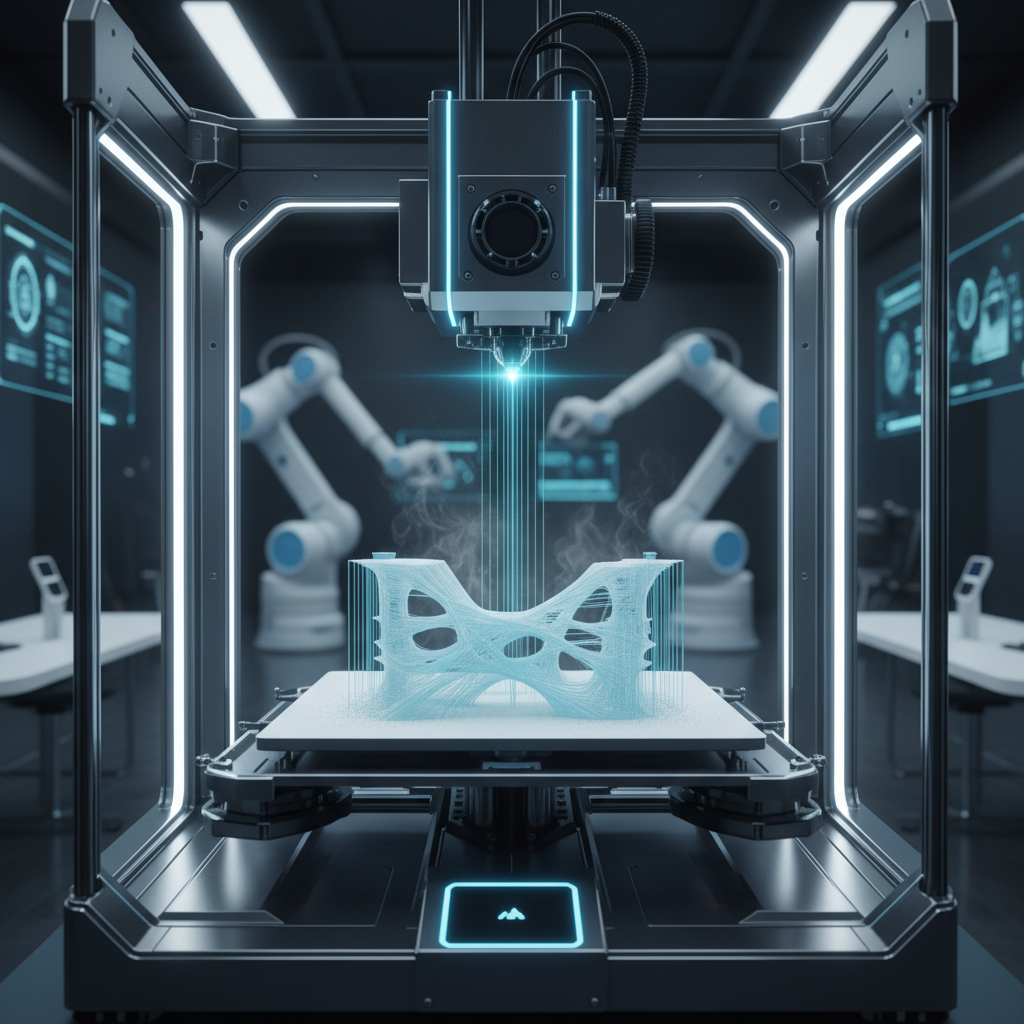
Rapid prototyping is achieved via 3D Printing (Additive Manufacturing). Virtual Prototyping and simulation software reduce the need for physical tests, lowering costs and accelerating validation before mass production. This reduces development risk and rework.
Technology in Manufacturing
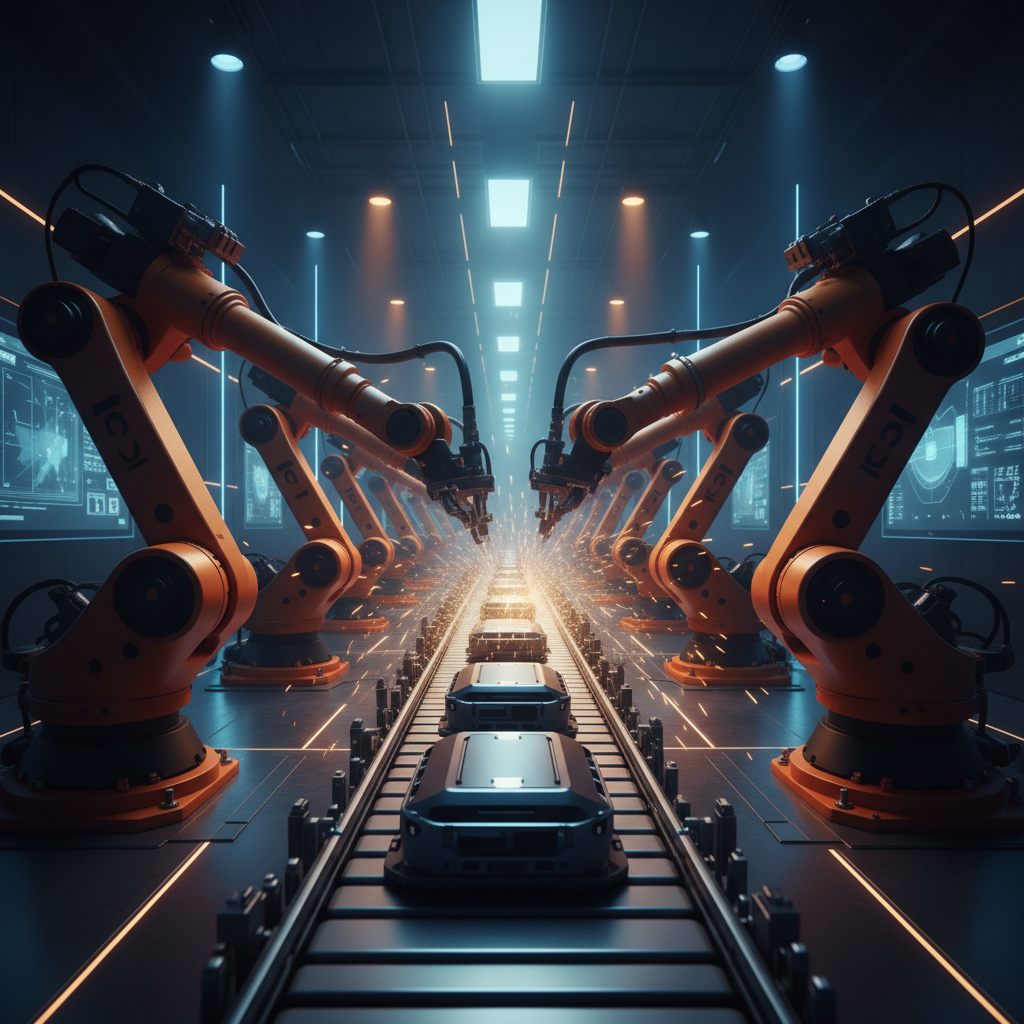
Automation & Robotics ensure precision and consistency. IoT-enabled smart factories allow for real-time monitoring of production lines. ERP systems integrate design, production, and supply chain for seamless operations.
Launch, Marketing & Feedback
Digital Marketing Platforms enable targeted promotion.
AR/VR tools offer immersive product demos.
IoT sensors collect post-launch usage data.
Predictive analytics drive continuous product improvement.
Case Study: Tesla Model 3
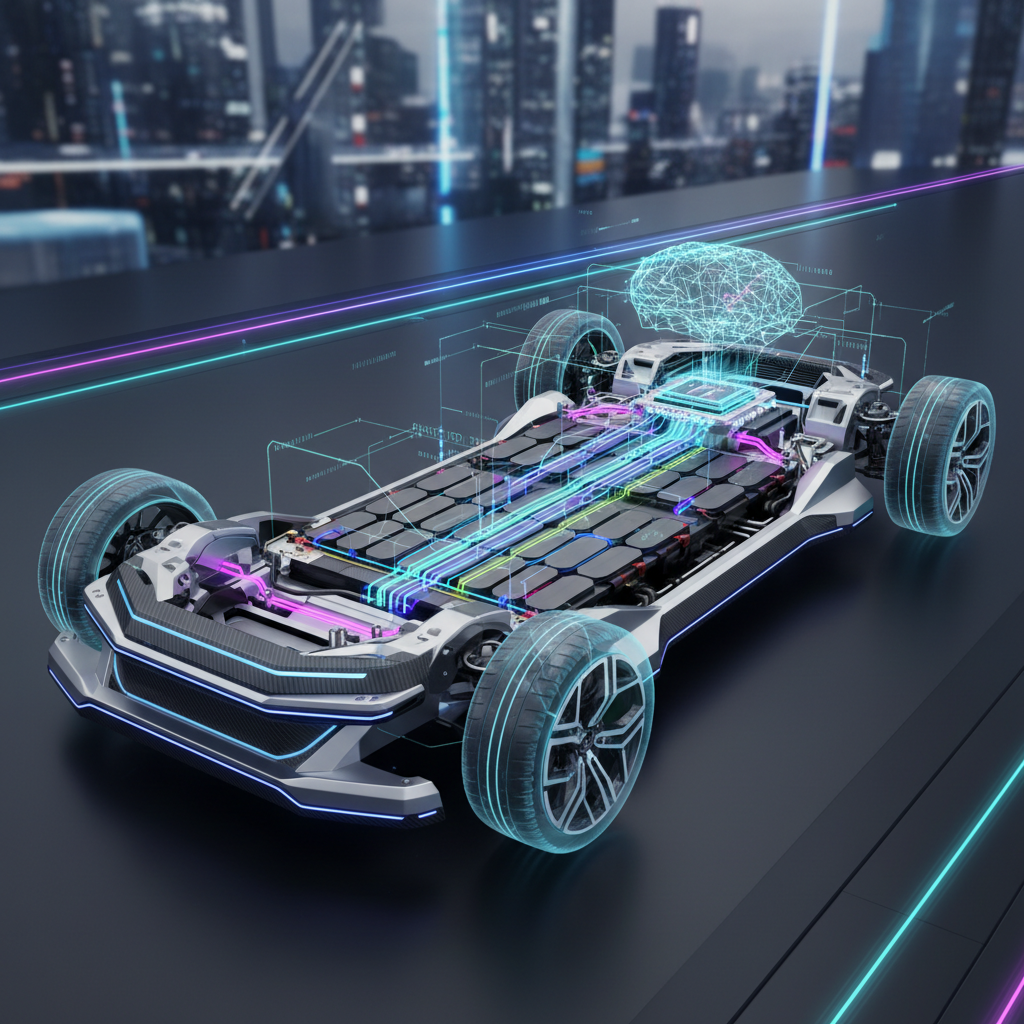
Tesla leveraged Big Data for specs and CAD/Digital Twins for design. Virtual simulations replaced many physical crash tests, saving time. Post-launch, Over-the-Air (OTA) software updates continuously improve vehicle performance, creating a strong competitive advantage.
Technology acts as a strategic enabler in New Product Development by reducing risk, improving quality, and enabling continuous product improvement.
Conclusion & Key Learning
- new-product-development
- npd-process
- innovation-strategy
- cad-digital-twin
- 3d-printing
- smart-manufacturing
- product-lifecycle