



Implementing Wet First Piece AOI for SMT Quality Control
Learn how Wet First Piece AOI inspection eliminates SMT production defects, reduces rework costs, and improves PCB assembly quality through early detection.
Wet First Piece AOI Inspection
Eliminating SMT Production Defects & Enhancing Quality Control
Introduction to SMT Production Challenges
Current operations face significant downtime due to late-stage defect discovery.
Defect reduction is critical for maintaining margins and meeting delivery timelines.
Wet First Piece AOI inspects paste and placement before reflow integration.
Strategy aims to shift from reactive fixes to proactive prevention.
The 5 Major SMT Defects
To eliminate rework, we must address the core five defects: Polarity Errors (incorrect rotation), Position Misalignment (skewed placement), Placement Inaccuracies (wrong location), Population Discrepancies (wrong part), and Open/Missing Components. Early detection prevents these from becoming permanent solder issues.
Defining Wet First Piece AOI
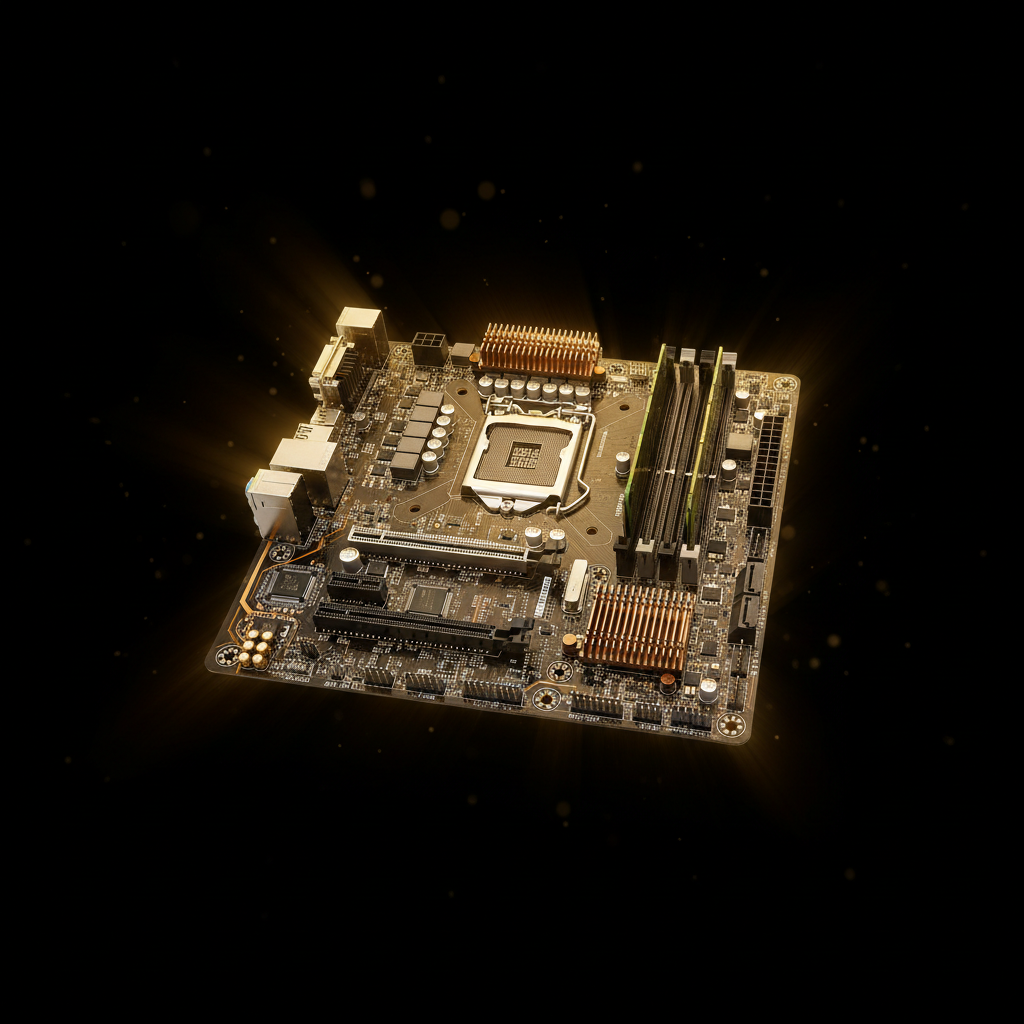
Wet First Piece Inspection occurs immediately after component placement but before the reflow oven. The solder paste is still 'wet,' allowing for non-destructive correction. This integrates seamlessly into the line, acting as a gatekeeper that ensures only perfect boards proceed to thermal processing.
Financial Impact & Amortization
Implementing Wet AOI provides compounding returns. By reducing the amortization of future defects (rework costs, scrap, warranties), we project significant annual savings.
Empowering Operators
Lexington's suggestion leverages automation to cover 'blind areas' and eliminate human error. This empowers operators by reducing manual inspection fatigue, optimizing timing, and boosting confidence in line output quality.
Transforming QC Roles
Automated inspection shifts QC focus from tedious 'defect catching' to high-value auditing.
Enables Human Resources to focus on inline process management rather than manual checks.
Automation handles the repetition; humans handle the strategy and improvements.
Real-time overhead insights bridge the gap between Engineering and Management, creating a unified approach to defect resolution.
Addressing Communication Gaps
Implementation Strategy
Deployment requires a phased approach: 1) Hardware integration, 2) 'Golden Board' calibration, 3) Operator training, and 4) Live run with audit loops. Benchmarking pre-and post-implementation metrics is vital for validation.
Measuring Success
Key Performance Indicators (KPIs) demonstrate the superiority of Automated inspection over manual processes. We target a 99% detection rate versus the industry average of 85% for manual checks.
Maximum Results, Zero Cost
This solution requires zero time, energy, and budget to implement. The most minute tweak to our processes will bring maximum results.
- smt-production
- aoi-inspection
- quality-control
- pcb-assembly
- manufacturing-automation
- electronics-manufacturing
- defect-prevention