




Wet First Piece AOI: Eliminating SMT Production Defects
Learn how Wet First Piece AOI inspection optimizes SMT quality, reduces defect escape rates by 98%, and empowers operators in electronic manufacturing.
Implementing Wet First Piece AOI Inspection
Strategies to Eliminate SMT Production Defects & Optimize Efficiency
SMT Production Challenges
• High operational costs arising from late-stage defect detection.<br>• Reworking reflowed boards is labor-intensive and risks component damage.<br>• Manual verification is slow, subjective, and prone to fatigue.<br>• Inefficient communication cycles between Quality Control and line operators.
The Five Major SMT Defects
Polarity Errors: Components placed with incorrect rotation (e.g., diodes, capacitors).
Position Misalignments: Components shifted on X or Y axis off pads.
Placement Inaccuracies: Incorrect component value or MPN reels loaded.
Population Discrepancies: Missing components or extra parts dropped on board.
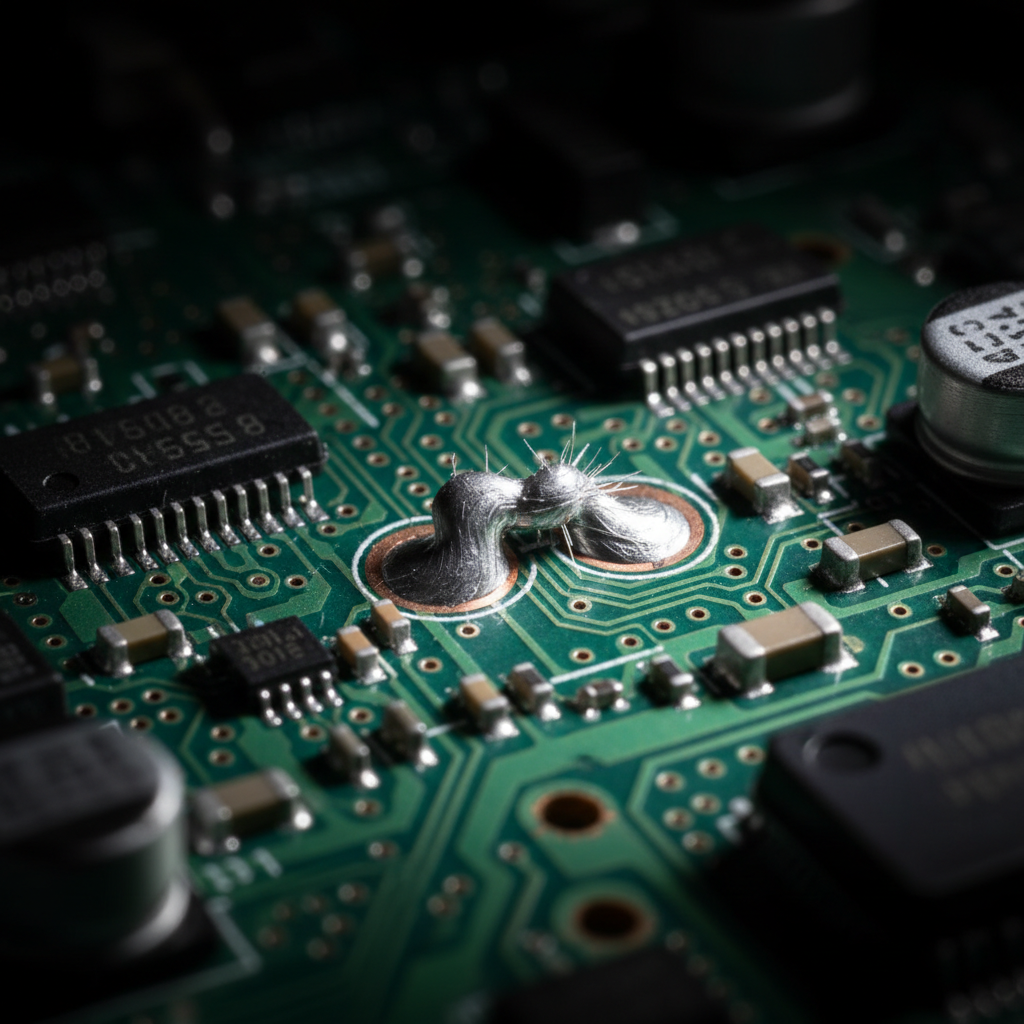
Open Circuit Issues: Tombstoning or insufficient contact area (Lifted leads).
What is Wet First Piece AOI?
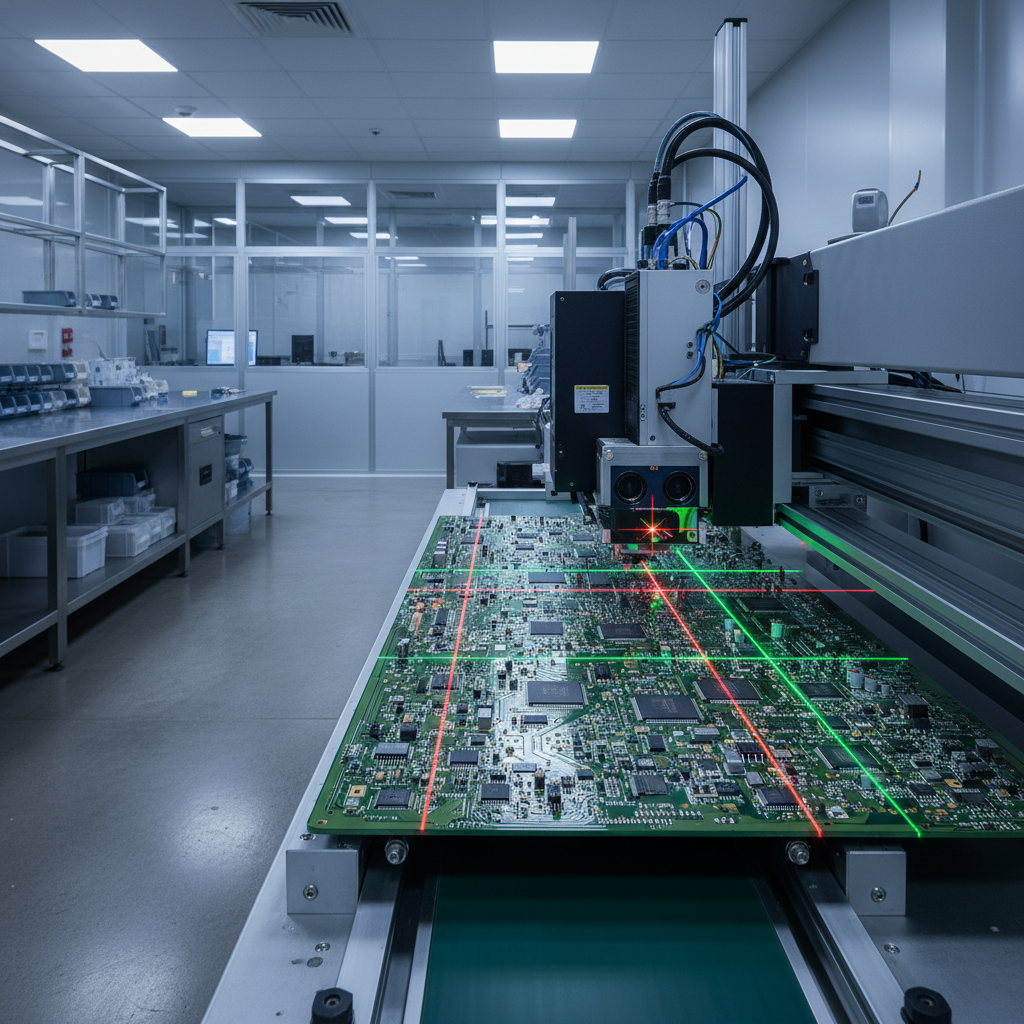
Wet First Piece AOI (Automated Optical Inspection) analyzes the first board of a production run immediately after component placement but before reflow soldering.<br><br><b>Key Function:</b> Verifies the machine setup is correct while the solder paste is still 'wet'. This allows for immediate corrective action—such as fixing feeder assignments or nozzle calibration—before volume production begins.
Eliminating Defects: Statistical Impact
Implementing Wet First Piece AOI dramatically reduces the Defect Escape Rate. By catching setup errors (incorrect setups) at the very start, we prevent bulk defects. Manual inspection misses approx. 1,500 PPM, whereas Wet AOI brings this down 98% to near-zero levels.
Empowering Machine Operators
Operators often fear running a new batch due to the risk of costly mistakes. Wet AOI acts as an automated safety net.<br><br><b>Operational Benefits:</b><br>• <b>Confidence:</b> Green-light verification validates their setup instantly.<br>• <b>Efficiency:</b> Eliminates manual peer-checks, saving 10-15 minutes per changeover.<br>• <b>Ownership:</b> Enables operators to self-correct before QC intervention.
Transforming QC Roles
Shift focus from reactive 'defect catching' to proactive system auditing.
Automate routine 'First Article Inspections' (FAI) to reduce bottlenecks.
Allow QC staff to focus on root cause analysis rather than repetitive visual checks.
Enhance overall production velocity by removing human inspection wait times.
Addressing Communication Gaps
Production conflicts often arise when defects are discovered too late. Wet AOI provides a single source of truth accessible by Engineering, QC, and Management.<br><br><b>Transparency:</b> Real-time digital logs of every 'First Piece' create an indisputable audit trail. This fosters a collaborative culture where teams work together to optimize parameters rather than assigning blame for missed defects.
Implementation Strategy
01. Hardware Integration: Install AOI unit post-placement, pre-reflow.
02. Library Setup: Configure component libraries for polarity and value recognition.
03. Operator Training: Hands-on workshops for alarm interpretation and false-fail handling.
04. Pilot Phase: Run on high-mix, low-volume lines first to refine sensitivity.
Conclusion: The Path to Zero Defects
Wet First Piece AOI is more than an inspection tool; it is a foundational pillar for modern SMT manufacturing. By detecting errors before they become permanent, we save costs, empower our workforce, and deliver superior quality to our customers. Immediate implementation is recommended to remain competitive.
- smt-manufacturing
- aoi-inspection
- quality-control
- first-piece-inspection
- electronics-production
- defect-prevention