



Made byBobr AI

Introduction to Food Tourism: Heritage and Gastronomy

Explore the world of food tourism, from culinary identity and historical context to tourist segments, food taboos, and the economic benefits of gastronomy.

#food-tourism#culinary-tourism#gastronomy#sustainable-travel#cultural-heritage#tourism-marketing
Watch
Pitch
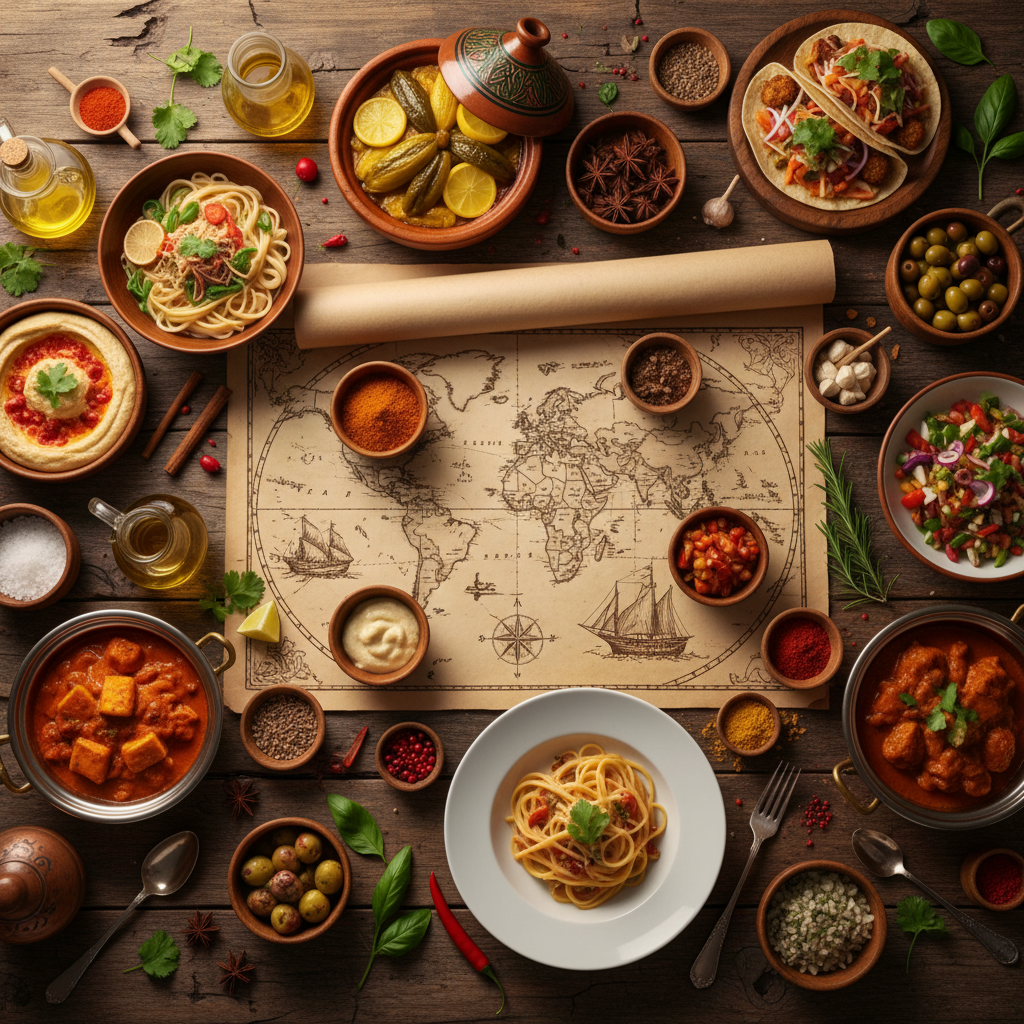
Top-down view of a rustic wooden table filled with diverse international dishes, spices, and a map, warm lighting, high quality food photography

INTRODUCTION TO FOOD TOURISM

Culinary Heritage, Gastronomy, and the Tourist Experience

Made byBobr AI

Historical Context

Thousands of years ago, merchants navigated the seven seas in search of foodstuffs like spices, wine, and olive oil—the currencies of yore. Today, while the spirit of exploration remains, modern travelers seek these flavors in restaurants, wineries, and local markets. Food is not just sustenance; it is a cultural embodiment of traditions, rituals, and ways of life.

An artistic composition showing ancient spice sacks and ceramic jars on one side fading into modern wine glasses and gourmet plating on the other, representing history vs modernity
Made byBobr AI

Key Definitions

  • Culinary Tourism: Any experience where a person learns about, appreciates, or consumes food and drink reflecting local heritage.
  • Food Tourism: The specific desire to experience a particular type of food or regional produce; covers vast gastronomic opportunities.
  • Gastronomy: The detailed study of food and culture, often with a particular focus on gourmet cuisine.
Made byBobr AI

Elements of Culinary Identity

A region's culinary identity is formed by a complex web of factors. It is not just about ingredients, but how geography, history, and ethnic diversity intersect. Culinary etiquette, prevailing flavors, traditional recipes, presentation styles, and cooking techniques all combine to create a unique destination brand.

A conceptual flat lay photography showing different elements of cooking: a map, vintage cutlery, raw spices, a recipe book, and fresh vegetables arranged in a circle
Made byBobr AI

Types of Food Tourism

Facilities & Land Uses: Processing facilities, wineries, breweries, farmers markets, orchards, and urban restaurant districts.

Events: Food & drink shows, cooking competitions, product launches, harvest festivals, and wine festivals.

Activities: Dining at restaurants, picnics with local products, wine tasting, cooking schools, and touring food routes.

Organizations: Classification systems (e.g., Michelin), organic certifications, and associations like Slow Food.

Made byBobr AI

Why Culinary Tourism Matters

Chart

Nearly 100% of tourists dine out when traveling, making it a universal touchpoint. Dining is consistently ranked as a top 3 activity. Furthermore, local cuisine is often cited as the number one motivating factor for choosing a destination, as it is the only art form that speaks to all five senses.

Made byBobr AI

Tourist Segments in Dining

Value Seekers: Prioritize affordability and portion size.

Service Seekers: Focus on the quality of hospitality and staff interaction.

Adventurous Seekers: Look for exotic, novel, or challenging food experiences.

Atmosphere Seekers: Driven by the ambiance, view, and setting of the meal.

Healthy Food Seekers: Conscious of nutritional value and dietary requirements.

Made byBobr AI

Food Taboos & Cultural Prohibitions

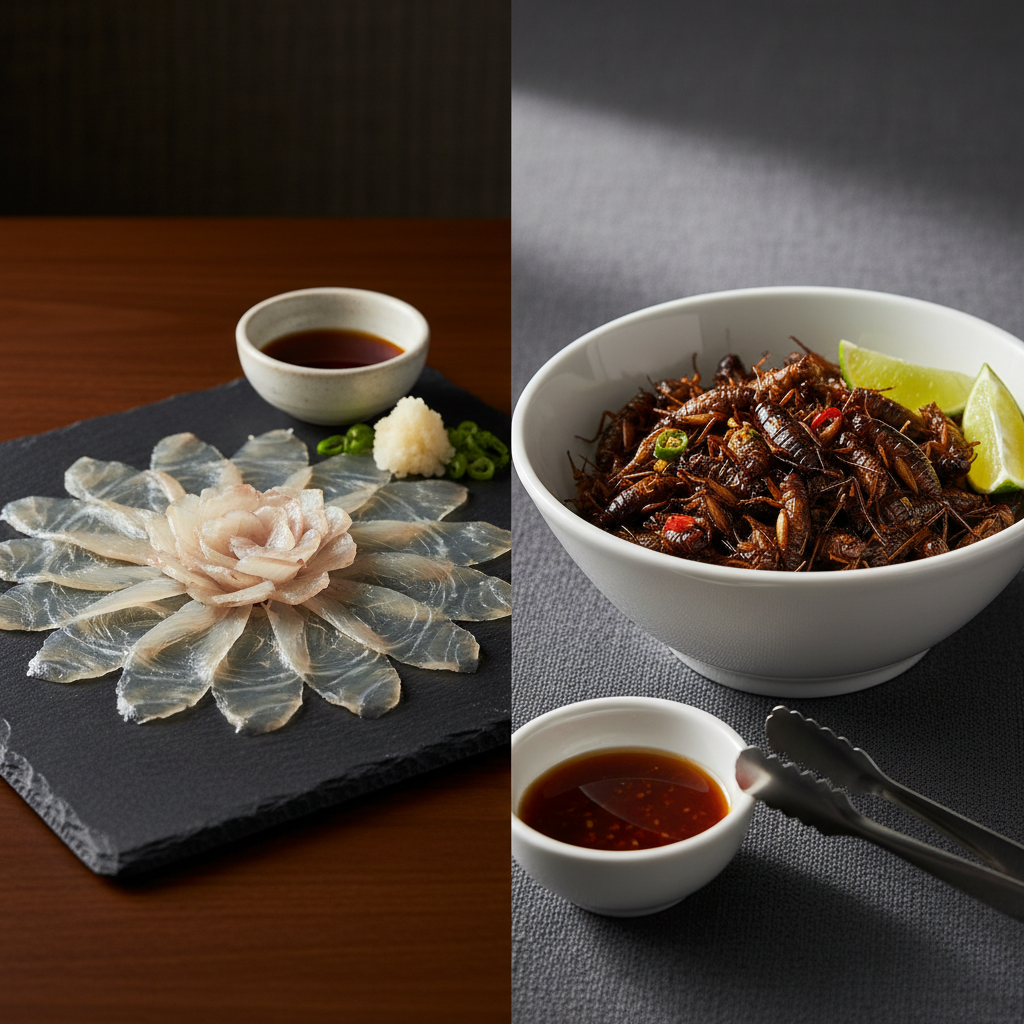
A food taboo is a deliberate prohibition of a food item for cultural or religious reasons, distinct from simple dislike. What is considered a delicacy in one culture may be forbidden in another. Examples include Fugu fish (Japan), insects (Asia/Africa/Latin America), or religious prohibitions like pork for Jews and Muslims, or beef for Hindus.

A visual contrast showing a Fugu fish dish next to a bowl of crickets, presented elegantly, symbolizing cultural differences in food
Made byBobr AI
A stunning view of a dining pod suspended high in a tropical rainforest tree overlooking the ocean, golden hour lighting

Unique Dining Experiences

From Treepod Dining in Thailand to the Wine Train in Napa Valley, the setting is as important as the meal.

Made byBobr AI

Benefits of Food Tourism

Economic Impact: Distributes income along different stages of the value chain to local communities.
Cultural Preservation: Values biodiversity and helps preserve intangible cultural heritage and traditions.
Inclusion: Provides opportunities for minority groups and fosters local entrepreneurship.
Sustainability: Reduces negative impacts of mass tourism by balancing distribution across regions and seasons.
Made byBobr AI
Bobr AI

DESIGNER-MADE
PRESENTATION,
GENERATED FROM
YOUR PROMPT

Create your own professional slide deck with real images, data charts, and unique design in under a minute.

Generate For Free

Introduction to Food Tourism: Heritage and Gastronomy

Explore the world of food tourism, from culinary identity and historical context to tourist segments, food taboos, and the economic benefits of gastronomy.

INTRODUCTION TO FOOD TOURISM

Culinary Heritage, Gastronomy, and the Tourist Experience

Historical Context

Thousands of years ago, merchants navigated the seven seas in search of foodstuffs like spices, wine, and olive oil—the currencies of yore. Today, while the spirit of exploration remains, modern travelers seek these flavors in restaurants, wineries, and local markets. Food is not just sustenance; it is a cultural embodiment of traditions, rituals, and ways of life.

Key Definitions

<b>Culinary Tourism:</b> Any experience where a person learns about, appreciates, or consumes food and drink reflecting local heritage.

<b>Food Tourism:</b> The specific desire to experience a particular type of food or regional produce; covers vast gastronomic opportunities.

<b>Gastronomy:</b> The detailed study of food and culture, often with a particular focus on gourmet cuisine.

Elements of Culinary Identity

A region's culinary identity is formed by a complex web of factors. It is not just about ingredients, but how geography, history, and ethnic diversity intersect. Culinary etiquette, prevailing flavors, traditional recipes, presentation styles, and cooking techniques all combine to create a unique destination brand.

Types of Food Tourism

<b>Facilities & Land Uses:</b> Processing facilities, wineries, breweries, farmers markets, orchards, and urban restaurant districts.

<b>Events:</b> Food & drink shows, cooking competitions, product launches, harvest festivals, and wine festivals.

<b>Activities:</b> Dining at restaurants, picnics with local products, wine tasting, cooking schools, and touring food routes.

<b>Organizations:</b> Classification systems (e.g., Michelin), organic certifications, and associations like Slow Food.

Why Culinary Tourism Matters

Nearly 100% of tourists dine out when traveling, making it a universal touchpoint. Dining is consistently ranked as a top 3 activity. Furthermore, local cuisine is often cited as the number one motivating factor for choosing a destination, as it is the only art form that speaks to all five senses.

Tourist Segments in Dining

<b>Value Seekers:</b> Prioritize affordability and portion size.

<b>Service Seekers:</b> Focus on the quality of hospitality and staff interaction.

<b>Adventurous Seekers:</b> Look for exotic, novel, or challenging food experiences.

<b>Atmosphere Seekers:</b> Driven by the ambiance, view, and setting of the meal.

<b>Healthy Food Seekers:</b> Conscious of nutritional value and dietary requirements.

Food Taboos & Cultural Prohibitions

A food taboo is a deliberate prohibition of a food item for cultural or religious reasons, distinct from simple dislike. What is considered a delicacy in one culture may be forbidden in another. Examples include Fugu fish (Japan), insects (Asia/Africa/Latin America), or religious prohibitions like pork for Jews and Muslims, or beef for Hindus.

Unique Dining Experiences

From Treepod Dining in Thailand to the Wine Train in Napa Valley, the setting is as important as the meal.

Benefits of Food Tourism

<b>Economic Impact:</b> Distributes income along different stages of the value chain to local communities.

<b>Cultural Preservation:</b> Values biodiversity and helps preserve intangible cultural heritage and traditions.

<b>Inclusion:</b> Provides opportunities for minority groups and fosters local entrepreneurship.

<b>Sustainability:</b> Reduces negative impacts of mass tourism by balancing distribution across regions and seasons.

  • food-tourism
  • culinary-tourism
  • gastronomy
  • sustainable-travel
  • cultural-heritage
  • tourism-marketing