

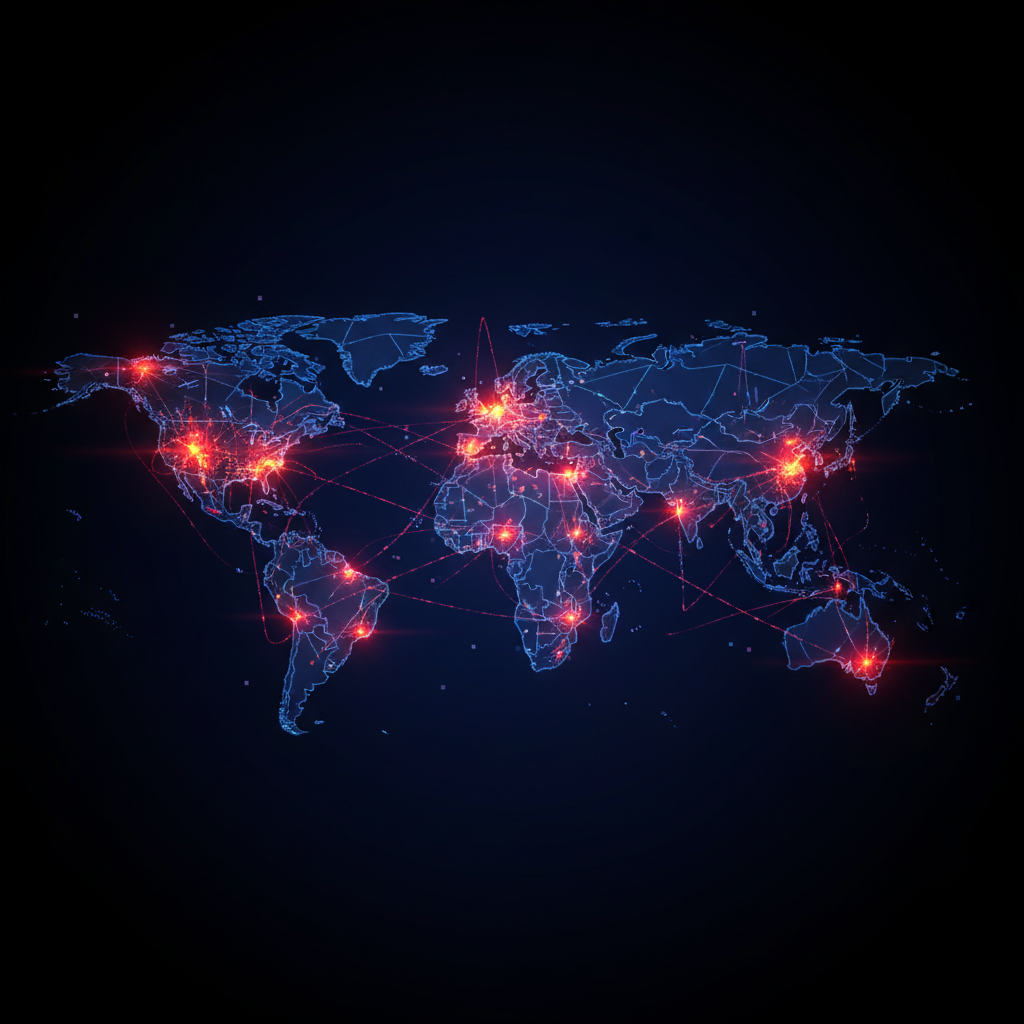







Digital Frauds & Security: Protecting Assets and Data
Learn about modern cyber threats like phishing and ransomware, and discover essential security measures like MFA and Zero Trust architecture.
Digital Frauds & Security Measures
Protecting Assets in an Evolving Cyber Threat Landscape
The Modern Threat Landscape
As digital transformation accelerates, the attack surface for cybercriminals expands. Modern fraud is no longer just about stolen credit cards; it involves sophisticated social engineering, automated bot attacks, and state-sponsored cyber espionage targeting both individuals and critical infrastructure.
Common Types of Digital Fraud
Sim Swapping: Attackers transfer a victim's phone number to a new SIM to intercept 2FA codes.
Synthetic Identity Fraud: Combining real (SSN) and fake information to create a new digital identity.
Account Takeover (ATO): Gaining unauthorized access to user accounts through credential stuffing.
Global Cost of Cybercrime
The cost of cybercrime is growing exponentially. By 2025, damages are projected to reach $10.5 trillion annually, exceeding the damage inflicted by natural disasters in a year.
Phishing: The Entry Point
Over 90% of all successful cyberattacks begin with a phishing email. Attackers impersonate trusted authorities (CEOs, banks, IT support) to trick users into clicking malicious links or downloading infected attachments.
Ransomware Attacks
Ransomware encrypts valuable data and holds it hostage until a payment is made, usually in cryptocurrency. Double Extortion tactics now involve threatening to leak sensitive data if the ransom isn't paid, increasing leverage over victims.
Core Security Measures
Multi-Factor Authentication (MFA): The single most effective control. Requiring 2+ forms of ID prevents 99.9% of automated attacks.
Zero Trust Architecture: 'Never trust, always verify.' Every access request is fully authenticated and authorized before granting access.
Data Encryption: Encrypting data at rest and in transit ensures that even if stolen, the data remains unreadable.
Biometrics & AI: The Future of Auth
Security is not a product, but a process.
Bruce Schneier
Conclusion: Building Digital Resilience
Combating digital fraud requires a combination of robust technology, employee education, and proactive threat intelligence. Security is a shared responsibility that evolves every day.
- cybersecurity
- digital-fraud
- information-security
- zero-trust
- mfa
- ransomware-prevention
- data-protection
- phishing