


Made byBobr AI

Project Fund Nigeria: World Bank Startup Initiative Plan

Explore the comprehensive project management plan for a $2 billion initiative to empower 500,000 Nigerian startups with World Bank funding.

#project-management#startup-funding#nigeria-economy#world-bank#business-plan#economic-development#entrepreneurship
Watch
Pitch
World Bank Nigeria Coat of Arms
PROJECT FUND NIGERIA
Project Management Plan
$2 Billion | 500,000 Startups | Nationwide Impact
Submitted by: [Student Name]
Role: Project Manager
Funded by: The World Bank
Submission Date: May 31, 2026
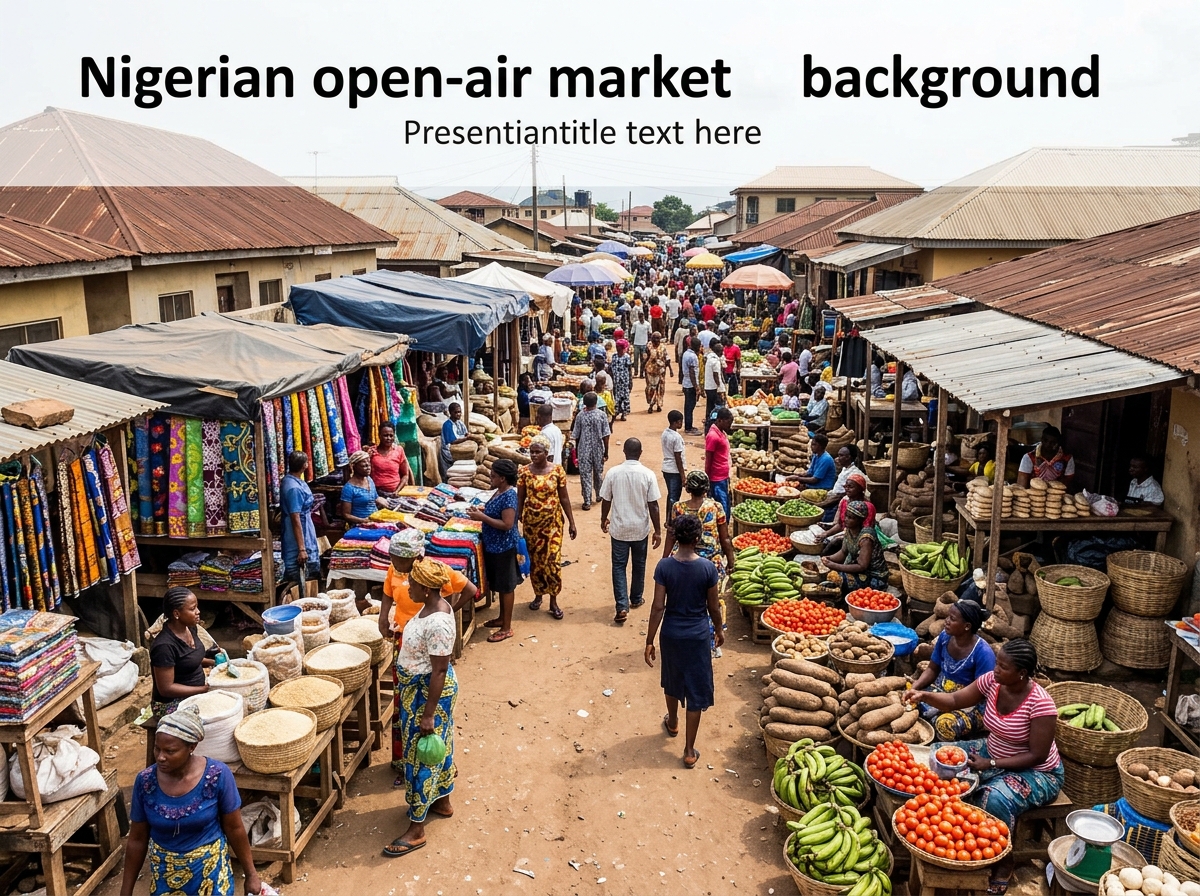
Vibrant Nigerian city market
Unity • Faith • Peace • Progress — Building Nigeria's Future, One Startup at a Time
Made byBobr AI
TABLE OF CONTENTS
Nigeria Coat of Arms
Table of Contents
01
Executive Summary
02
Project Scope & Objectives
03
Stakeholder Management
04
Stakeholder Engagement Plan
05
Project Planning & Phases
06
Gantt Chart & Timeline
07
Critical Path Analysis
08
Risk Management
09
Risk Register
10
Change Management
11
Change Control Process
12
Project Monitoring & Control
13
Performance Dashboard
14
Sustainability Strategy
15
Post-Project Evaluation Framework
16
Impact Metrics & KPIs
17
Budget Allocation
18
Governance Structure
19
Conclusion & Recommendations
20
References
Project Fund Nigeria | World Bank Funded | 2026
Made byBobr AI
Executive Summary
03
Project Fund Nigeria (PFN) is a World Bank-funded initiative designed to disburse $2 billion to 500,000 startups across Nigeria's 36 states and FCT Abuja. As Project Manager, the mandate is to coordinate fund disbursement with transparency, equity, and efficiency.
The project targets key economic sectors including Agriculture, Technology, Manufacturing, Creative Industries, and Health. It aims to alleviate poverty, reduce unemployment, and accelerate regional economic growth over a 36-month implementation period.
This Project Management Plan (PMP) outlines the full framework for scope, stakeholder engagement, planning, risk management, change control, monitoring, and post-project sustainability.
$2 Billion
Total Fund
500,000
Target Startups
36 States + FCT
Nationwide Coverage
36 Months
Implementation Period
Project Fund Nigeria | World Bank Funded | 2026
Made byBobr AI
Project Scope & Objectives
04
Project Scope
Startup Registration & Eligibility
Fund Disbursement ($2B)
Sector-Based Allocation
36 States + FCT Coverage
Monitoring & Reporting
The project encompasses end-to-end management of fund disbursement from eligibility screening, application processing, fund release, to impact monitoring across all Nigerian states.
Key Objectives
Disburse $4,000 average grant per startup equitably across all regions
Empower 500,000 entrepreneurs — 40% women, 30% youth (18–35)
Drive GDP contribution by 3.5% through SME sector growth
Success Criteria
95% Fund Disbursement Rate
Zero Fraud / Leakage
90% Startup Survival Rate (Yr 1)
Stakeholder Satisfaction >85%
Project Fund Nigeria | World Bank Funded | 2026
Made byBobr AI
Stakeholder Identification
05
PROJECT FUND NIGERIA
$2B Fund
🏛 Federal Government
  • Ministry of Finance
  • SMEDAN
  • CBN
🌍 World Bank
  • Funding Body
  • Oversight & Audit
  • Reporting Authority
🏦 Commercial Banks
  • Fund Disbursement Partners
  • 22 Accredited Banks
  • Microfinance Institutions
🏘 State Governments
  • 36 State Focal Points
  • Local Govt Liaisons
  • Community Leaders
👥 Startup Beneficiaries
  • 500,000 Entrepreneurs
  • Women & Youth Groups
  • Sector Associations
🔍 Regulatory Bodies
  • EFCC / ICPC (Anti-fraud)
  • CAC (Registration)
  • NBS (Data/Statistics)
High Influence-High Interest
High Influence-Low Interest
Low Influence-High Interest
Project Fund Nigeria | World Bank Funded | 2026
Made byBobr AI
Stakeholder Engagement Plan
06
Engagement Strategy by Stakeholder Group
Stakeholder Interest Level Influence Level Engagement Strategy Frequency
Federal Government High High Monthly steering committee meetings, policy briefings Monthly
World Bank High High Quarterly progress reports, financial audits, field visits Quarterly
State Governments High High Regional coordination meetings, state progress dashboards Bi-monthly
Commercial Banks Medium High Disbursement protocols, MOU agreements, performance reviews Monthly
Startup Beneficiaries High Low Community town halls, SMS/digital updates, help desk Weekly
Regulatory Bodies (EFCC/ICPC) Medium High Compliance reports, fraud alerts, joint investigations As needed
Local Communities Medium Low Public awareness campaigns, radio/TV announcements Monthly
Communication Tools: Email, SMS, Town Halls, Dashboard Portal, Radio/TV
Key Principle: Transparency, Inclusion & Accountability at every level
Project Fund Nigeria | World Bank Funded | 2026
Made byBobr AI
PROJECT PLANNING & PHASES
07
Phase 1: Initiation & Setup (Month 1-3)
  • Stakeholder mobilization
  • Legal/regulatory framework
  • Team recruitment (500 staff)
  • MOU with banks & states
Phase 2: App. & Screening (Month 4-9)
  • Online application portal launch
  • Eligibility check (BVN, CAC, Tax)
  • Community screening panels
  • Shortlisting 500k startups
Phase 3: Fund Disbursement (Month 10-18)
  • Batch disbursements via banks
  • SMS/email confirmations
  • Anti-fraud monitoring
  • State-by-state rollout
Phase 4: Monitoring & Support (Month 19-30)
  • Business development support
  • Progress tracking dashboards
  • Mid-term evaluation
  • Corrective actions
Phase 5: Closure & Evaluation (Month 31-36)
  • Final disbursement audit
  • Impact assessment
  • World Bank final report
  • Post-project sustainability
Human Resources
500 Field Officers | 36 State Coordinators | 10 Senior PMs
Technology
Digital Portal | BVN Verification API | Real-time Dashboard
Budget Admin
3% (~$60M) for Project Management Costs
Unity • Faith • Peace • Progress — Building Nigeria's Future, One Startup at a Time
Made byBobr AI
Gantt Chart & Project Timeline
08
Tasks
Q1 (M1-3)
Q2 (M4-6)
Q3 (M7-9)
Q4 (M10-12)
Q5-Q8 (M13-24)
Q9-Q12 (M25-36)
1. Project Initiation & Setup (M1–M3)
2. Stakeholder Mobilization (M1–M4)
3. Legal & Regulatory Framework (M2–M5)
4. Team Recruitment & Training (M3–M6)
5. Application Portal Launch (M5–M9)
6. Eligibility Screening (M6–M9)
7. Fund Disbursement Batch 1 – North (M10–M14)
8. Fund Disbursement Batch 2 – South (M13–M18)
9. Fund Disbursement Batch 3 – Central (M16–M22)
10. Business Support Programs (M19–M30)
11. Mid-Term Evaluation (M18)
12. Monitoring & Reporting (M10–M36)
13. Final Audit & Project Closure (M31–M36)
MILESTONES
Initiation/Closure
Disbursement
Support & Monitoring
Project Fund Nigeria | World Bank Funded | 2026
Made byBobr AI
Critical Path Analysis
SLIDE 09
3M 2M 4M 3M 6M 4M 4M 4M 2M 2M
Project
Initiation
(3 Months)
Regulatory
Approval
(2 Months)
Portal
Development
(4 Months)
Eligibility
Screening
(3 Months)
Bank MOU
Signing
(6 Months)
Batch 1
Disbursement
(4 Months)
Batch 2
Disbursement
(4 Months)
Batch 3
Disbursement
(4 Months)
Final
Audit
(6 Months)
Team
Recruitment
(2 Months)
Staff
Training
(2 Months)
Community
Awareness
(2 Months)
State
Coordination
(1 Month)

Critical Path Tasks & Float

Task Duration Float
Project Initiation 3M 0
Regulatory Approval 2M 0
Portal Development 4M 0
Eligibility Screening 3M 0
Fund Disbursement 12M 0
Final Audit 6M 0
Total Project Duration 36 Months
Critical Path Duration 36 Months
Float on Non-Critical Tasks 2-4 Months
Project Fund Nigeria • Optimal Fund Distribution Schedule
Made byBobr AI
Risk Management Plan
World Bank Logo Nigeria Logo
10
Risk Register
Risk Probability Impact Risk Level Mitigation Strategy
1. Fraud & Fund Diversion High Critical CRITICAL EFCC monitoring, BVN verification, real-time alerts
2. Political Interference High High HIGH Independent oversight board, World Bank governance
3. Tight Deadlines Medium High HIGH Phased rollout, 500 field officers, digital processes
4. Manpower Shortage Medium Medium MEDIUM Pre-recruitment, outsourcing, volunteer corps
5. Eligibility Disputes High Medium MEDIUM Clear criteria, appeals process, CAC verification
6. Banking System Failures Low High HIGH Multiple bank partners, backup mobile money
7. Policy/Reg. Changes Low High HIGH Legal framework locked early, govt MOU
8. Geopolitical Instability Low Critical MEDIUM Security assessment, flexible regional planning
Risk Likelihood vs. Impact Matrix
Impact (Negligible → Critical)
Critical
8
1
High
6
7
3
2
Medium
4
5
Minor
Negligible
Rare Low Medium High Almost
Certain
Probability (Rare → Almost Certain)
Low Risk
Medium Risk
High Risk
Critical Risk
Unity • Faith • Peace • Progress — Building Nigeria's Future, One Startup at a Time
Made byBobr AI
Risk Mitigation & Contingency Plans
11
🛡️ Anti-Fraud Controls
• BVN & NIN verification for all applicants • EFCC/ICPC joint monitoring unit • Real-time transaction alerts • Whistleblower hotline (0800-PFUND)
Contingency: Immediate fund freeze + forensic audit
Timeline Slippage
• Phased disbursement approach • Pre-approved fast-track process • 500 field officers deployed nationwide • Digital application reduces bottlenecks
Contingency: 6-month buffer period built into plan
👥 Manpower Challenges
• Early recruitment (Month 1) • Partner with NYSC corps members • State-level volunteer coordinators • Digital tools reduce manual workload
Contingency: Outsource to accredited NGOs
🏦 Banking System Risk
• 22 accredited disbursement banks • Mobile money backup (Opay, Palmpay) • NIBSS real-time payment rails • Escrow account structure
Contingency: CBN emergency payment directive
⚖️ Regulatory Changes
• Legal framework locked in MOUs • Parliamentary approval of framework • World Bank governance oversight • Change notification period: 30 days
Contingency: Legal review committee activated
📍 Geopolitical/Security Risk
• Security assessment per state • Remote/digital disbursement option • Collaboration with security agencies • Conflict-sensitive programming
Contingency: Defer to stable period + military escort
Made byBobr AI
Change Management & Adaptability
12
Potential Change Drivers
📋
Policy Shifts
New CBN regulations or federal budget reallocations
💰
Fund Delays
Delays in disbursement from World Bank or FGN
📝
Eligibility Updates
Changes to SME qualifications for grants
🏛
Govt Priorities
Shift in current administration's economic focus
🌍
World Bank Directives
Adjusted environmental or social safeguards
Change Control Process
Step 1
Change Request Submitted
By any stakeholder via formal CR form
Step 2
Impact Assessment
PM evaluates cost, time, scope impact
Step 3
Change Review Board
PMO + World Bank + FGN rep review
Step 6
Documentation & Monitoring
Update project baseline, track outcomes
Step 5
Implementation & Communication
Update all stakeholders via dashboard
Step 4
Approval / Rejection
Decision within 5 working days
Change Control Principles
No scope creep without approval
All changes documented in PMIS
Stakeholders notified within 48 hours
World Bank informed of all major changes
Made byBobr AI
Project Control & Monitoring
13
85%
Disbursement Target
480K
Applications Processed
of 500,000 target
$1.7B
Funds Released
94%
Beneficiary Satisfaction
★★★★★
Monthly Disbursement by Region (₦ Billions)
Chart
Monitoring Mechanisms
Weekly PM status meetings
Real-time PMIS dashboard
Monthly World Bank reports
Quarterly field inspections
Independent audit (bi-annual)
Beneficiary feedback surveys
Anti-fraud monitoring alerts
Cost Control
Earned Value Management (EVM) tracks budget vs. actuals in real time
Schedule Control
Critical path monitored weekly; delays escalated within 24 hours
Quality Control
ISO 9001-aligned QA process; spot checks on 10% of disbursements
Unity • Faith • Peace • Progress — Building Nigeria's Future, One Startup at a Time
Made byBobr AI
Budget Allocation & Financial Plan
14
TOTAL
$2 Billion
93% Startup Grants (Direct)
3% Project Management
1.5% Technology & Systems
1% Monitoring & Evaluation
1.5% Contingency Reserve
Budget Breakdown Table
Category
Amount (USD)
% of Total
Direct Startup Grants
$1,860,000,000
93%
Project Management
$60,000,000
3%
Tech & Digital Systems
$30,000,000
1.5%
Monitoring & Evaluation
$20,000,000
1%
Contingency Reserve
$30,000,000
1.5%
TOTAL
$2,000,000,000
100%
Average Grant per Startup
$3,720 (≈ ₦5.8M)
Financial Controls
World Bank fiduciary standards, dual-signatory accounts, quarterly audits
💡
Fund disbursed in tranches: 50% upfront + 30% at 6-month review + 20% at 12-month milestone
Made byBobr AI
Project Governance Structure
15
PROJECT STEERING COMMITTEE
Members: World Bank Representative • Minister of Finance • CBN Governor • PM Lead
Project Management Office (PMO)
Project Manager • Deputy PM • Legal Advisor • Financial Controller
Independent Oversight Board
Anti-Corruption (EFCC/ICPC) • External Auditors • Civil Society Rep
National Coordination Unit
Sector leads: Agri • Tech • Health • Manufacturing
36 State Project Offices
State Coordinators • Field Officers (500)
Bank Consortium
22 Disbursement Banks • Microfinance Institutions
Local Government Liaisons
774 LGA Focal Points
Community Implementation Units
Women Groups • Youth Associations
Governance Principles:
Separation of duties
Dual-authorization payments
Quarterly steering meetings
Open data reporting portal
World Bank fiduciary compliance
Governance Framework • Transparency • Accountability • World Bank Fiduciary Compliant
Made byBobr AI
Eligibility Criteria & Application Process
16
Eligibility Criteria
1
Nigerian Citizen / Resident
Valid NIN + BVN required
2
Registered Business
CAC registration or intent-to-register
3
Sector Alignment
Agri, Tech, Health, Manufacturing, Creatives
4
Not Previous Beneficiary
Cross-checked national database
5
Viable Business Plan
Min. 1-page business summary required
6
Age 18–60 Years
Priority: Women 40%, Youth 30%
Application Process
1
Online/Offline Registration
Portal at pfn.gov.ng or state offices
2
Document Submission
BVN, NIN, CAC cert, business plan
3
Automated Eligibility Check
System verifies all data
4
Community Screening Panel
LGA-level review committee
5
Shortlisting & Notification
SMS/email to approved applicants
6
Bank Account Verification
BVN-linked bank account confirmed
7
Fund Disbursement
Direct transfer to startup account
Expected Applicants
1.2 Million
Target
500,000
Selection Rate
~42%
Avg. Processing Time
14 Days
Project Fund Nigeria — Ensuring Accessibility and Transparency • Slide 16
Made byBobr AI
Sector Allocation & Regional Distribution
17
Fund Allocation by Sector
Agriculture & Agribusiness 30% — $600M
Technology & Digital 25% — $500M
Manufacturing & Processing 20% — $400M
Health & Pharmaceuticals 15% — $300M
Creative Industries & Fashion 10% — $200M
Note: Sector allocation reflects Nigeria's economic development priorities (NDP 2021-2025)
Startup Distribution by Region
North-West
90,000 startups
North-East
70,000 startups
North-Central
80,000 startups
South-West
100,000 startups
South-East
75,000 startups
South-South
85,000 startups
Total: 500,000 startups
Distribution based on population density and poverty index data (NBS 2024)
Women-Led Startups
200,000 (40%)
Youth-Led (18-35)
150,000 (30%)
Rural Startups
175,000 (35%)
Made byBobr AI
Technology & Digital Infrastructure
18
Application Portal
Online/offline registration
Multi-language (English, Hausa, Igbo, Yoruba)
24/7 availability
BVN/NIN Verification API
NIBSS integration
Identity verification
Duplicate detection
Payment Gateway
NIBSS Instant Payment
22 bank integrations
Mobile money backup
Anti-Fraud Monitoring
AI-based transaction monitoring
Real-time alerts
EFCC data sharing
Reporting Dashboard
Live disbursement tracking
World Bank reporting
Public transparency portal
Beneficiary Support System
Help desk (call/chat)
SMS updates
Complaint resolution
PFN Digital Platform
pfn.gov.ng Real-time Dashboard
Mobile App (iOS & Android)
Uptime Target: 99.5%
App Downloads Expected: 2M+
Real-time Reports: Updated every 15 minutes
Platform developed under ISO 27001 cybersecurity standards; NDPC compliant data protection
Made byBobr AI
Sustainability Strategy for Funded Startups
19
STRATEGY PATH
Tier 4 / Apex
Long-Term Financial Inclusion
  • Graduated loans from partner microfinance banks
  • Startup credit scoring system
  • Stock exchange listing pathway for top performers
Tier 3 / Scale
Mentorship & Business Development
  • 1,000 volunteer mentors deployed
  • Industry-specific startup clusters (tech hubs, agri-parks)
  • University-startup collaboration programs
Tier 2 / Growth
Access to Markets & Networks
  • Trade fair participation for funded startups
  • E-commerce platform integration (Jumia, Konga)
  • Export promotion through NEPC
Tier 1 / Foundation
Financial Literacy & Business Training
  • Mandatory 3-day business training before disbursement
  • Partnership with SMEDAN, LSETF, Tony Elumelu Foundation
  • Online learning modules (pfn.gov.ng/learn)
🎯
Training Target
500,000 entrepreneurs trained
👥
Mentors Deployed
1,000 business mentors
🌍
Market Linkages
50+ national/regional markets
💳
Post-Grant Loans
Available from Month 18
Project Fund Nigeria — Sustainability Framework
Made byBobr AI
Post-Project Evaluation Framework
20
Impact Measurement Framework (PMEF)
Inputs
$2B Funds
500 Staff
Technology
Government Support
Activities
Disbursement
Training
Monitoring
Audit
Outputs
500,000 Funded Startups
2M Jobs Created
36 State Coverage
Outcomes
Poverty Reduction
GDP Growth +3.5%
Women Empowerment
Food Security
Key Performance Indicators (KPIs)
Economic
Jobs Created
Target 2,000,000 direct & indirect jobs
GDP Contribution
+3.5% SME sector contribution by Year 3
Business Survival Rate
90% of funded startups operational at 12 months
Social
Poverty Reduction
500,000 households lifted above poverty line
Women Empowerment
200,000 women-led businesses funded
Youth Employment
150,000 youth entrepreneurs supported
Financial
Fund Utilization
95% disbursement rate achieved
ROI on Investment
$5 GDP return per $1 disbursed
Fraud Rate
<0.5% of total fund value
Process
Stakeholder Satisfaction
>85% positive rating
Reporting Compliance
100% quarterly reports submitted
Evaluation Timeline
6-month, 12-month, 36-month reviews
Project Management • Post-Project Evaluation & Assessment
Made byBobr AI
Transparency & Accountability Framework
21
Accountability Core
Zero Tolerance for Corruption
1
Open Data Portal
All disbursements published publicly at pfn.gov.ng/data
2
EFCC Partnership
Real-time fraud monitoring & prosecution
3
World Bank Oversight
Quarterly fiduciary reviews & field visits
4
Independent Auditors
Bi-annual external audit by Big 4 firms
5
Citizens Feedback
SMS survey, hotline, complaint portal
6
Parliamentary Oversight
Senate/House committee quarterly briefings
7
Media Transparency
Press briefings every 2 months
8
Whistleblower Policy
Anonymous reporting, legal protection, rewards
Every naira disbursed is tracked in real-time on public dashboard
Any fraud reported within 24 hours to EFCC and World Bank
Annual accountability report published and submitted to National Assembly
"Transparency is not optional — it is the foundation of Project Fund Nigeria."
Unity • Faith • Peace • Progress — Building Nigeria's Future, One Startup at a Time
Made byBobr AI
Human Resource & Staffing Plan
22
Project Staffing Structure
Role Number Location
National Project Manager 1 Abuja
Deputy Project Managers 3 Abuja
State Project Coordinators 37 All States + FCT
Field Officers 500 Nationwide
IT / Systems Engineers 25 Abuja / Lagos
Financial Controllers 15 Abuja
Legal & Compliance Officers 10 Abuja
Communication Officers 20 All Zones
M&E Specialists 15 Nationwide
NYSC Volunteers 1,000 LGA Level
TOTAL STAFF ~1,626 Nationwide
Key Recruitment Principles
Merit-Based Selection
Competitive recruitment, transparent process
Gender Balance
40% female staff target across all levels
Local Hiring
Priority to indigenes per state for field roles
Capacity Building
Mandatory PM training (PRINCE2/PMP) for leads
Performance Incentives
KPI-linked bonuses for field officers
Total Payroll Budget: $12M/year      |      Staff Deployment: Month 1-2      |      All staff security vetted
Made byBobr AI
Project Communication Plan
23
Communication Channels
📱
SMS Alerts
All beneficiaries updated on application status
💻
Digital Dashboard
Real-time data for stakeholders & public
📺
TV & Radio
NTA, Channels TV, FRCN national broadcasts
📧
Email Reports
Monthly to World Bank & Federal Government
🏘
Town Hall Meetings
Quarterly in all 36 states + FCT
📰
Press Releases
Bi-monthly media briefings
Communication Matrix Table
Audience Message Channel Frequency Owner
World Bank Financial & progress reports Email + Dashboard Quarterly PMO
Federal Government Policy updates, KPIs Steering meetings Monthly PM
State Governments Regional progress Dashboard + meetings Bi-monthly State Coord.
Startup Beneficiaries Application status, funds SMS + App Real-time IT Team
General Public Project updates TV/Radio/Social Monthly Comms Officer
Banks Disbursement instructions Email + Portal Weekly Finance Team
Social Media Strategy
@ProjectFundNGR on Twitter, Facebook, Instagram
Weekly updates | Hashtag: #PFNigeria2026
Multilingual Communication
English, Hausa, Yoruba, Igbo, Pidgin English
Crisis Communication
24-hour response protocol;
PMO spokesperson designated
Unity • Faith • Peace • Progress — Building Nigeria's Future, One Startup at a Time
Made byBobr AI
Conclusion
Project Fund Nigeria represents one of the most ambitious economic empowerment initiatives in Nigeria's history. With $2 billion targeting 500,000 startups, this project has the potential to transform Nigeria's economic landscape, reduce unemployment, alleviate poverty, and position Nigeria as Africa's startup hub.
The success of this project hinges on rigorous planning, stakeholder alignment, digital transparency, and adaptive management. This Project Management Plan provides a robust framework to ensure every naira reaches the right hands, at the right time.
Key Recommendations
1.
Strengthen anti-corruption mechanisms from Day 1 — EFCC embedded in PMO
2.
Adopt a phased, region-by-region rollout to manage complexity
3.
Invest heavily in digital infrastructure for transparency and efficiency
4.
Prioritize women and youth in eligibility criteria enforcement
5.
Build long-term mentorship programs as part of disbursement conditions
6.
Establish a dedicated post-project fund for continued startup support
7.
Conduct mid-term review at Month 18 and adjust strategy based on data
500,000 STARTUPS
= 500,000 Families Transformed
$2 BILLION
= Nigeria's Future Invested
"A nation that invests in its entrepreneurs invests in its future."
— Project Fund Nigeria, 2026
Project Fund Nigeria | World Bank Funded | 2026
Made byBobr AI
Reference List
25
1. Project Management Institute (PMI). (2021). A Guide to the Project Management Body of Knowledge (PMBOK Guide) – 7th Edition. PMI Publications.
2. World Bank. (2024). Nigeria Economic Update: Fiscal Year 2024. World Bank Group. Retrieved from www.worldbank.org/nigeria
3. SMEDAN. (2023). National MSME Survey Report 2023. Small and Medium Enterprises Development Agency of Nigeria. Abuja.
4. National Bureau of Statistics (NBS). (2024). Nigeria Poverty and Inequality Report 2024. NBS. Abuja.
5. Central Bank of Nigeria (CBN). (2024). Financial Inclusion Strategy 2024–2028. CBN Publications. Abuja.
6. EFCC. (2023). Annual Report on Financial Crimes in Nigeria 2023. Economic and Financial Crimes Commission.
7. Kerzner, H. (2022). Project Management: A Systems Approach to Planning, Scheduling, and Controlling (13th ed.). John Wiley & Sons.
8. Turner, J. R. (2020). The Handbook of Project-Based Management (4th ed.). McGraw-Hill.
9. Tony Elumelu Foundation. (2023). TEF Entrepreneurship Programme Impact Report 2023. TEF.
10. Nigerian Investment Promotion Commission (NIPC). (2024). Nigeria Investment Report 2024. NIPC.
11. Lockwood, N. R. (2020). Change Management: A Practitioner's Framework for Successful Implementation. SHRM Foundation.
12. United Nations Development Programme (UNDP). (2023). Nigeria Human Development Report 2023. UNDP Nigeria.
Note: All data and projections are based on publicly available government and international organization reports as of 2024–2026. This is an academic project management plan prepared for educational purposes.
Project Fund Nigeria | Project Management Plan | Submitted: May 31, 2026
Made byBobr AI
Bobr AI

DESIGNER-MADE
PRESENTATION,
GENERATED FROM
YOUR PROMPT

Create your own professional slide deck with real images, data charts, and unique design in under a minute.

Generate For Free

Project Fund Nigeria: World Bank Startup Initiative Plan

Explore the comprehensive project management plan for a $2 billion initiative to empower 500,000 Nigerian startups with World Bank funding.

PROJECT FUND NIGERIA

Project Management Plan

$2 Billion | 500,000 Startups | Nationwide Impact

Submitted by: [Student Name]

Role: Project Manager

Funded by: The World Bank

Submission Date: May 31, 2026

Unity • Faith • Peace • Progress — Building Nigeria's Future, One Startup at a Time

TABLE OF CONTENTS

Table of Contents

Project Fund Nigeria | World Bank Funded | 2026

Executive Summary

Project Scope & Objectives

Stakeholder Management

Stakeholder Engagement Plan

Project Planning & Phases

Gantt Chart & Timeline

Critical Path Analysis

Risk Management

Risk Register

Change Management

Change Control Process

Project Monitoring & Control

Performance Dashboard

Sustainability Strategy

Post-Project Evaluation Framework

Impact Metrics & KPIs

Budget Allocation

Governance Structure

Conclusion & Recommendations

References

Executive Summary

03

Project Fund Nigeria (PFN) is a World Bank-funded initiative designed to disburse $2 billion to 500,000 startups across Nigeria's 36 states and FCT Abuja. As Project Manager, the mandate is to coordinate fund disbursement with transparency, equity, and efficiency.

The project targets key economic sectors including Agriculture, Technology, Manufacturing, Creative Industries, and Health. It aims to alleviate poverty, reduce unemployment, and accelerate regional economic growth over a 36-month implementation period.

This Project Management Plan (PMP) outlines the full framework for scope, stakeholder engagement, planning, risk management, change control, monitoring, and post-project sustainability.

$2 Billion

Total Fund

500,000

Target Startups

36 States + FCT

Nationwide Coverage

36 Months

Implementation Period

Project Fund Nigeria | World Bank Funded | 2026

Project Scope & Objectives

04

Project Scope

Startup Registration & Eligibility

Fund Disbursement ($2B)

Sector-Based Allocation

36 States + FCT Coverage

Monitoring & Reporting

The project encompasses end-to-end management of fund disbursement from eligibility screening, application processing, fund release, to impact monitoring across all Nigerian states.

Key Objectives

Disburse $4,000 average grant per startup equitably across all regions

Empower 500,000 entrepreneurs — 40% women, 30% youth (18–35)

Drive GDP contribution by 3.5% through SME sector growth

Success Criteria

95% Fund Disbursement Rate

Zero Fraud / Leakage

90% Startup Survival Rate (Yr 1)

Stakeholder Satisfaction >85%

Project Fund Nigeria | World Bank Funded | 2026

Stakeholder Identification

05

PROJECT FUND NIGERIA

$2B Fund

🏛 Federal Government

Ministry of Finance

SMEDAN

CBN

🌍 World Bank

Funding Body

Oversight & Audit

Reporting Authority

🏦 Commercial Banks

Fund Disbursement Partners

22 Accredited Banks

Microfinance Institutions

🏘 State Governments

36 State Focal Points

Local Govt Liaisons

Community Leaders

👥 Startup Beneficiaries

500,000 Entrepreneurs

Women & Youth Groups

Sector Associations

🔍 Regulatory Bodies

EFCC / ICPC (Anti-fraud)

CAC (Registration)

NBS (Data/Statistics)

High Influence-High Interest

High Influence-Low Interest

Low Influence-High Interest

Project Fund Nigeria | World Bank Funded | 2026

Stakeholder Engagement Plan

06

Engagement Strategy by Stakeholder Group

Email, SMS, Town Halls, Dashboard Portal, Radio/TV

Transparency, Inclusion & Accountability at every level

Project Fund Nigeria | World Bank Funded | 2026

PROJECT PLANNING & PHASES

07

Phase 1: Initiation & Setup

(Month 1-3)

Stakeholder mobilization

Legal/regulatory framework

Team recruitment (500 staff)

MOU with banks & states

Phase 2: App. & Screening

(Month 4-9)

Online application portal launch

Eligibility check (BVN, CAC, Tax)

Community screening panels

Shortlisting 500k startups

Phase 3: Fund Disbursement

(Month 10-18)

Batch disbursements via banks

SMS/email confirmations

Anti-fraud monitoring

State-by-state rollout

Phase 4: Monitoring & Support

(Month 19-30)

Business development support

Progress tracking dashboards

Mid-term evaluation

Corrective actions

Phase 5: Closure & Evaluation

(Month 31-36)

Final disbursement audit

Impact assessment

World Bank final report

Post-project sustainability

Human Resources

500 Field Officers | 36 State Coordinators | 10 Senior PMs

Technology

Digital Portal | BVN Verification API | Real-time Dashboard

Budget Admin

3% (~$60M) for Project Management Costs

Unity • Faith • Peace • Progress — Building Nigeria's Future, One Startup at a Time

Gantt Chart & Project Timeline

08

Project Fund Nigeria | World Bank Funded | 2026

1. Project Initiation & Setup (M1–M3)

2. Stakeholder Mobilization (M1–M4)

3. Legal & Regulatory Framework (M2–M5)

4. Team Recruitment & Training (M3–M6)

5. Application Portal Launch (M5–M9)

6. Eligibility Screening (M6–M9)

7. Fund Disbursement Batch 1 – North (M10–M14)

8. Fund Disbursement Batch 2 – South (M13–M18)

9. Fund Disbursement Batch 3 – Central (M16–M22)

10. Business Support Programs (M19–M30)

11. Mid-Term Evaluation (M18)

12. Monitoring & Reporting (M10–M36)

13. Final Audit & Project Closure (M31–M36)

MILESTONES

Initiation/Closure

Disbursement

Support & Monitoring

Q1 (M1-3)

Q2 (M4-6)

Q3 (M7-9)

Q4 (M10-12)

Q5-Q8 (M13-24)

Q9-Q12 (M25-36)

Critical Path Analysis

09

Critical Path Tasks & Float

Total Project Duration

36 Months

Critical Path Duration

36 Months

Float on Non-Critical Tasks

2-4 Months

Project Fund Nigeria • Optimal Fund Distribution Schedule

Risk Management Plan

10

Risk Register

Risk Likelihood vs. Impact Matrix

Risk

Probability

Impact

Risk Level

Mitigation Strategy

1. Fraud & Fund Diversion

High

Critical

CRITICAL

EFCC monitoring, BVN verification, real-time alerts

2. Political Interference

High

High

HIGH

Independent oversight board, World Bank governance

3. Tight Deadlines

Medium

High

HIGH

Phased rollout, 500 field officers, digital processes

4. Manpower Shortage

Medium

Medium

MEDIUM

Pre-recruitment, outsourcing, volunteer corps

5. Eligibility Disputes

High

Medium

MEDIUM

Clear criteria, appeals process, CAC verification

6. Banking System Failures

Low

High

HIGH

Multiple bank partners, backup mobile money

7. Policy/Reg. Changes

Low

High

HIGH

Legal framework locked early, govt MOU

8. Geopolitical Instability

Low

Critical

MEDIUM

Security assessment, flexible regional planning

Unity • Faith • Peace • Progress — Building Nigeria's Future, One Startup at a Time

Risk Mitigation & Contingency Plans

11

🛡️

Anti-Fraud Controls

• BVN & NIN verification for all applicants • EFCC/ICPC joint monitoring unit • Real-time transaction alerts • Whistleblower hotline (0800-PFUND)

Immediate fund freeze + forensic audit

Timeline Slippage

• Phased disbursement approach • Pre-approved fast-track process • 500 field officers deployed nationwide • Digital application reduces bottlenecks

6-month buffer period built into plan

👥

Manpower Challenges

• Early recruitment (Month 1) • Partner with NYSC corps members • State-level volunteer coordinators • Digital tools reduce manual workload

Outsource to accredited NGOs

🏦

Banking System Risk

• 22 accredited disbursement banks • Mobile money backup (Opay, Palmpay) • NIBSS real-time payment rails • Escrow account structure

CBN emergency payment directive

⚖️

Regulatory Changes

• Legal framework locked in MOUs • Parliamentary approval of framework • World Bank governance oversight • Change notification period: 30 days

Legal review committee activated

📍

Geopolitical/Security Risk

• Security assessment per state • Remote/digital disbursement option • Collaboration with security agencies • Conflict-sensitive programming

Defer to stable period + military escort

Change Management & Adaptability

12

Potential Change Drivers

Policy Shifts

New CBN regulations or federal budget reallocations

Fund Delays

Delays in disbursement from World Bank or FGN

Eligibility Updates

Changes to SME qualifications for grants

Govt Priorities

Shift in current administration's economic focus

World Bank Directives

Adjusted environmental or social safeguards

Change Control Process

Change Request Submitted

By any stakeholder via formal CR form

Impact Assessment

PM evaluates cost, time, scope impact

Change Review Board

PMO + World Bank + FGN rep review

Approval / Rejection

Decision within 5 working days

Implementation & Communication

Update all stakeholders via dashboard

Documentation & Monitoring

Update project baseline, track outcomes

Change Control Principles

No scope creep without approval

All changes documented in PMIS

Stakeholders notified within 48 hours

World Bank informed of all major changes

Unity • Faith • Peace • Progress — Building Nigeria's Future, One Startup at a Time

Budget Allocation & Financial Plan

TOTAL

$2 Billion

Startup Grants (Direct)

Project Management

Technology & Systems

Monitoring & Evaluation

Contingency Reserve

Budget Breakdown Table

Category

Amount (USD)

% of Total

Direct Startup Grants

$1,860,000,000

93%

Project Management

$60,000,000

3%

Tech & Digital Systems

$30,000,000

1.5%

Monitoring & Evaluation

$20,000,000

1%

Contingency Reserve

$30,000,000

1.5%

TOTAL

$2,000,000,000

100%

Average Grant per Startup

$3,720

(≈ ₦5.8M)

Financial Controls

World Bank fiduciary standards, dual-signatory accounts, quarterly audits

Fund disbursed in tranches

50% upfront + 30% at 6-month review + 20% at 12-month milestone

Project Governance Structure

15

PROJECT STEERING COMMITTEE

Members: World Bank Representative • Minister of Finance • CBN Governor • PM Lead

Project Management Office (PMO)

Project Manager • Deputy PM • Legal Advisor • Financial Controller

Independent Oversight Board

Anti-Corruption (EFCC/ICPC) • External Auditors • Civil Society Rep

National Coordination Unit

Sector leads: Agri • Tech • Health • Manufacturing

36 State Project Offices

State Coordinators • Field Officers (500)

Bank Consortium

22 Disbursement Banks • Microfinance Institutions

Local Government Liaisons

774 LGA Focal Points

Community Implementation Units

Women Groups • Youth Associations

Governance Principles:

Separation of duties

Dual-authorization payments

Quarterly steering meetings

Open data reporting portal

World Bank fiduciary compliance

Governance Framework • Transparency • Accountability • World Bank Fiduciary Compliant

Eligibility Criteria & Application Process

16

Eligibility Criteria

Nigerian Citizen / Resident

Valid NIN + BVN required

Registered Business

CAC registration or intent-to-register

Sector Alignment

Agri, Tech, Health, Manufacturing, Creatives

Not Previous Beneficiary

Cross-checked national database

Viable Business Plan

Min. 1-page business summary required

Age 18–60 Years

Priority: Women 40%, Youth 30%

Application Process

Online/Offline Registration

Portal at pfn.gov.ng or state offices

Document Submission

BVN, NIN, CAC cert, business plan

Automated Eligibility Check

System verifies all data

Community Screening Panel

LGA-level review committee

Shortlisting & Notification

SMS/email to approved applicants

Bank Account Verification

BVN-linked bank account confirmed

Fund Disbursement

Direct transfer to startup account

Expected Applicants

1.2 Million

Target

500,000

Selection Rate

~42%

Avg. Processing Time

14 Days

Project Fund Nigeria — Ensuring Accessibility and Transparency • Slide 16

Sector Allocation & Regional Distribution

17

Fund Allocation by Sector

Agriculture & Agribusiness

30% — $600M

Technology & Digital

25% — $500M

Manufacturing & Processing

20% — $400M

Health & Pharmaceuticals

15% — $300M

Creative Industries & Fashion

10% — $200M

Note: Sector allocation reflects Nigeria's economic development priorities (NDP 2021-2025)

Startup Distribution by Region

North-West

90,000 startups

North-East

70,000 startups

North-Central

80,000 startups

South-West

100,000 startups

South-East

75,000 startups

South-South

85,000 startups

Total: 500,000 startups

Distribution based on population density and poverty index data (NBS 2024)

Women-Led Startups

200,000

(40%)

Youth-Led (18-35)

150,000

(30%)

Rural Startups

175,000

(35%)

Technology & Digital Infrastructure

18

PFN Digital Platform

pfn.gov.ng

Real-time Dashboard

Mobile App (iOS & Android)

Application Portal

Online/offline registration

Multi-language (English, Hausa, Igbo, Yoruba)

24/7 availability

BVN/NIN Verification API

NIBSS integration

Identity verification

Duplicate detection

Payment Gateway

NIBSS Instant Payment

22 bank integrations

Mobile money backup

Anti-Fraud Monitoring

AI-based transaction monitoring

Real-time alerts

EFCC data sharing

Reporting Dashboard

Live disbursement tracking

World Bank reporting

Public transparency portal

Beneficiary Support System

Help desk (call/chat)

SMS updates

Complaint resolution

Uptime Target: 99.5%

App Downloads Expected: 2M+

Real-time Reports: Updated every 15 minutes

Platform developed under ISO 27001 cybersecurity standards; NDPC compliant data protection

Sustainability Strategy for Funded Startups

19

Long-Term Financial Inclusion

<ul style='margin:0; padding-left:25px;'><li style='margin-bottom:8px;'>Graduated loans from partner microfinance banks</li><li style='margin-bottom:8px;'>Startup credit scoring system</li><li style='margin-bottom:0;'>Stock exchange listing pathway for top performers</li></ul>

Mentorship & Business Development

<ul style='margin:0; padding-left:25px;'><li style='margin-bottom:8px;'>1,000 volunteer mentors deployed</li><li style='margin-bottom:8px;'>Industry-specific startup clusters (tech hubs, agri-parks)</li><li style='margin-bottom:0;'>University-startup collaboration programs</li></ul>

Access to Markets & Networks

<ul style='margin:0; padding-left:25px;'><li style='margin-bottom:8px;'>Trade fair participation for funded startups</li><li style='margin-bottom:8px;'>E-commerce platform integration (Jumia, Konga)</li><li style='margin-bottom:0;'>Export promotion through NEPC</li></ul>

Financial Literacy & Business Training

<ul style='margin:0; padding-left:25px;'><li style='margin-bottom:8px;'>Mandatory 3-day business training before disbursement</li><li style='margin-bottom:8px;'>Partnership with SMEDAN, LSETF, Tony Elumelu Foundation</li><li style='margin-bottom:0;'>Online learning modules (pfn.gov.ng/learn)</li></ul>

500,000 entrepreneurs trained

1,000 business mentors

50+ national/regional markets

Available from Month 18

Project Fund Nigeria — Sustainability Framework

Post-Project Evaluation Framework

20

Impact Measurement Framework (PMEF)

Key Performance Indicators (KPIs)

$2B Funds

500 Staff

Technology

Government Support

Disbursement

Training

Monitoring

Audit

500,000 Funded Startups

2M Jobs Created

36 State Coverage

Poverty Reduction

GDP Growth +3.5%

Women Empowerment

Food Security

Jobs Created

Target 2,000,000 direct & indirect jobs

GDP Contribution

+3.5% SME sector contribution by Year 3

Business Survival Rate

90% of funded startups operational at 12 months

Poverty Reduction

500,000 households lifted above poverty line

Women Empowerment

200,000 women-led businesses funded

Youth Employment

150,000 youth entrepreneurs supported

Fund Utilization

95% disbursement rate achieved

ROI on Investment

$5 GDP return per $1 disbursed

Fraud Rate

<0.5% of total fund value

Stakeholder Satisfaction

>85% positive rating

Reporting Compliance

100% quarterly reports submitted

Evaluation Timeline

6-month, 12-month, 36-month reviews

Project Management • Post-Project Evaluation & Assessment

Transparency & Accountability Framework

21

Accountability Core

Zero Tolerance for Corruption

Open Data Portal

All disbursements published publicly at pfn.gov.ng/data

EFCC Partnership

Real-time fraud monitoring & prosecution

World Bank Oversight

Quarterly fiduciary reviews & field visits

Independent Auditors

Bi-annual external audit by Big 4 firms

Citizens Feedback

SMS survey, hotline, complaint portal

Parliamentary Oversight

Senate/House committee quarterly briefings

Media Transparency

Press briefings every 2 months

Whistleblower Policy

Anonymous reporting, legal protection, rewards

Every naira disbursed is tracked in real-time on public dashboard

Any fraud reported within 24 hours to EFCC and World Bank

Annual accountability report published and submitted to National Assembly

Transparency is not optional — it is the foundation of Project Fund Nigeria.

Unity • Faith • Peace • Progress — Building Nigeria's Future, One Startup at a Time

Human Resource & Staffing Plan

22

Project Staffing Structure

Key Recruitment Principles

Total Payroll Budget: $12M/year

Staff Deployment: Month 1-2

All staff security vetted

Project Communication Plan

23

Communication Channels

Communication Matrix Table

📱

SMS Alerts

All beneficiaries updated on application status

💻

Digital Dashboard

Real-time data for stakeholders & public

📺

TV & Radio

NTA, Channels TV, FRCN national broadcasts

📧

Email Reports

Monthly to World Bank & Federal Government

🏘

Town Hall Meetings

Quarterly in all 36 states + FCT

📰

Press Releases

Bi-monthly media briefings

Audience

Message

Channel

Frequency

Owner

World Bank

Financial & progress reports

Email + Dashboard

Quarterly

PMO

Federal Government

Policy updates, KPIs

Steering meetings

Monthly

PM

State Governments

Regional progress

Dashboard + meetings

Bi-monthly

State Coord.

Startup Beneficiaries

Application status, funds

SMS + App

Real-time

IT Team

General Public

Project updates

TV/Radio/Social

Monthly

Comms Officer

Banks

Disbursement instructions

Email + Portal

Weekly

Finance Team

Social Media Strategy

@ProjectFundNGR on Twitter, Facebook, Instagram

Weekly updates | Hashtag: #PFNigeria2026

Multilingual Communication

English, Hausa, Yoruba, Igbo, Pidgin English

Crisis Communication

24-hour response protocol;

PMO spokesperson designated

Unity • Faith • Peace • Progress — Building Nigeria's Future, One Startup at a Time

Conclusion

Project Fund Nigeria represents one of the most ambitious economic empowerment initiatives in Nigeria's history. With $2 billion targeting 500,000 startups, this project has the potential to transform Nigeria's economic landscape, reduce unemployment, alleviate poverty, and position Nigeria as Africa's startup hub.

The success of this project hinges on rigorous planning, stakeholder alignment, digital transparency, and adaptive management. This Project Management Plan provides a robust framework to ensure every naira reaches the right hands, at the right time.

Key Recommendations

Strengthen anti-corruption mechanisms from Day 1 — EFCC embedded in PMO

Adopt a phased, region-by-region rollout to manage complexity

Invest heavily in digital infrastructure for transparency and efficiency

Prioritize women and youth in eligibility criteria enforcement

Build long-term mentorship programs as part of disbursement conditions

Establish a dedicated post-project fund for continued startup support

Conduct mid-term review at Month 18 and adjust strategy based on data

500,000 STARTUPS

= 500,000 Families Transformed

$2 BILLION

= Nigeria's Future Invested

A nation that invests in its entrepreneurs invests in its future.

— Project Fund Nigeria, 2026

Project Fund Nigeria | World Bank Funded | 2026

Reference List

25

Project Management Institute (PMI). (2021). A Guide to the Project Management Body of Knowledge (PMBOK Guide) – 7th Edition. PMI Publications.

World Bank. (2024). Nigeria Economic Update: Fiscal Year 2024. World Bank Group. Retrieved from www.worldbank.org/nigeria

SMEDAN. (2023). National MSME Survey Report 2023. Small and Medium Enterprises Development Agency of Nigeria. Abuja.

National Bureau of Statistics (NBS). (2024). Nigeria Poverty and Inequality Report 2024. NBS. Abuja.

Central Bank of Nigeria (CBN). (2024). Financial Inclusion Strategy 2024–2028. CBN Publications. Abuja.

EFCC. (2023). Annual Report on Financial Crimes in Nigeria 2023. Economic and Financial Crimes Commission.

Kerzner, H. (2022). Project Management: A Systems Approach to Planning, Scheduling, and Controlling (13th ed.). John Wiley & Sons.

Turner, J. R. (2020). The Handbook of Project-Based Management (4th ed.). McGraw-Hill.

Tony Elumelu Foundation. (2023). TEF Entrepreneurship Programme Impact Report 2023. TEF.

Nigerian Investment Promotion Commission (NIPC). (2024). Nigeria Investment Report 2024. NIPC.

Lockwood, N. R. (2020). Change Management: A Practitioner's Framework for Successful Implementation. SHRM Foundation.

United Nations Development Programme (UNDP). (2023). Nigeria Human Development Report 2023. UNDP Nigeria.

Note: All data and projections are based on publicly available government and international organization reports as of 2024–2026. This is an academic project management plan prepared for educational purposes.

Project Fund Nigeria | Project Management Plan | Submitted: May 31, 2026