



Artificial Intelligence and Graph Theory (GT&O) Overview
Explore core AI concepts like search algorithms, reinforcement learning, and neural networks, and their mathematical connections to graph theory.
Artificial Intelligence & GT&O
Course: CSC305A | Date: 29/12/2025 Name: [Student Name] | Roll No: [Roll No]
Course Overview
Objective: To understand core AI mechanisms and their mathematical foundations.
Duration: 11-20 Hours of intensive study.
Main Topics: Search Algorithms, Reinforcement Learning, Neural Networks.
Key AI Concept: Search Algorithms
We explored systematic exploration methods like BFS (Breadth-First Search) and DFS (Depth-First Search). These algorithms are fundamental for navigating state spaces to find goal states, such as solving puzzles or pathfinding.
Key AI Concept: Reinforcement Learning
Reinforcement Learning (RL) involves an agent learning to make decisions by performing actions in an environment and receiving feedback. The primary goal is to maximize the cumulative reward over time.
Key AI Concept: Neural Networks
Neural Network training simulates biological learning. Through processes like forward propagation and backpropagation, the network adjusts its internal weights to minimize error and improve prediction accuracy.
GT&O Connection: AI Search
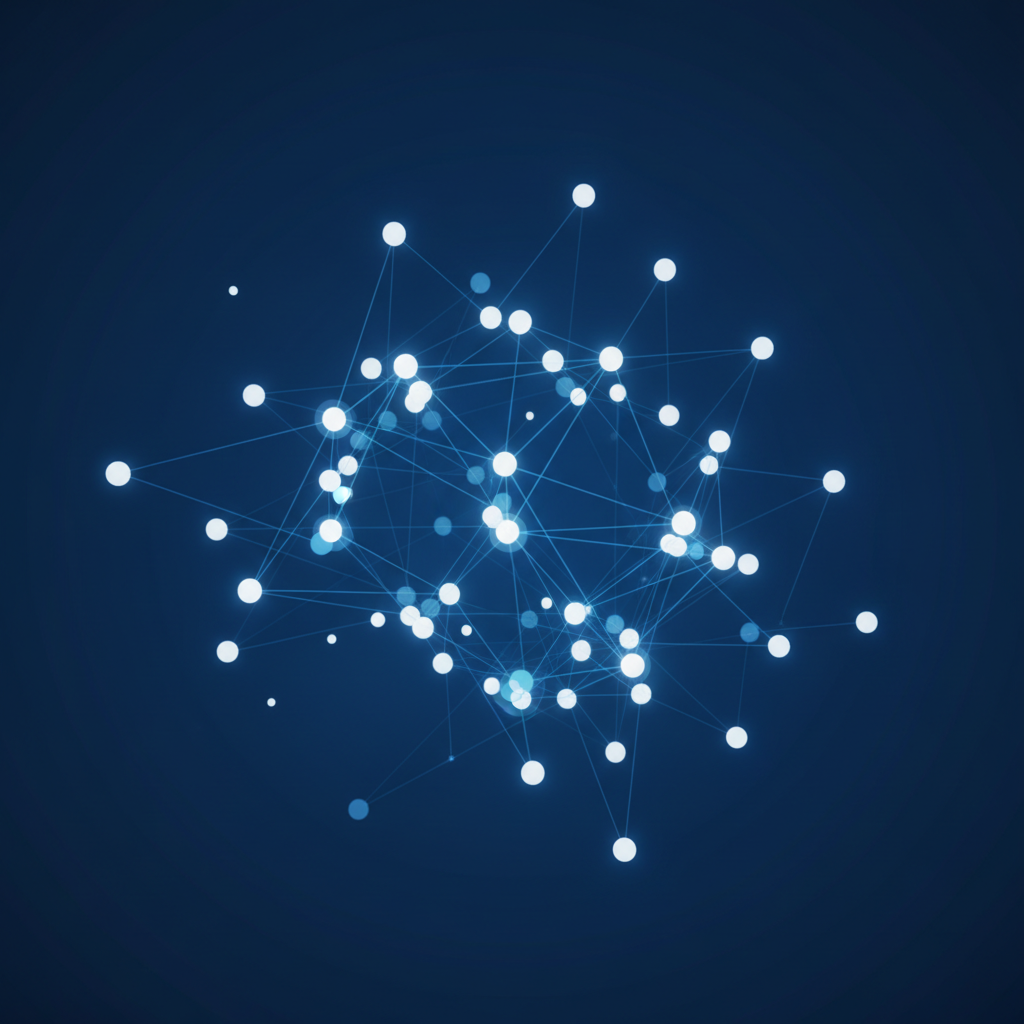
AI Search → Graph Shortest Paths The exploration of states in AI (BFS/DFS) is mathematically identical to finding shortest paths in Graph Theory. The 'state space' effectively forms a graph where nodes are states and edges are actions.
GT&O Connection: Reinforcement Learning
Reinforcement Learning → Network Optimization RL problems can be modeled as optimization tasks over a network. Finding the optimal policy is akin to optimizing flow or routing through a complex graph to maximize efficiency (reward).
GT&O Connection: Neural Training
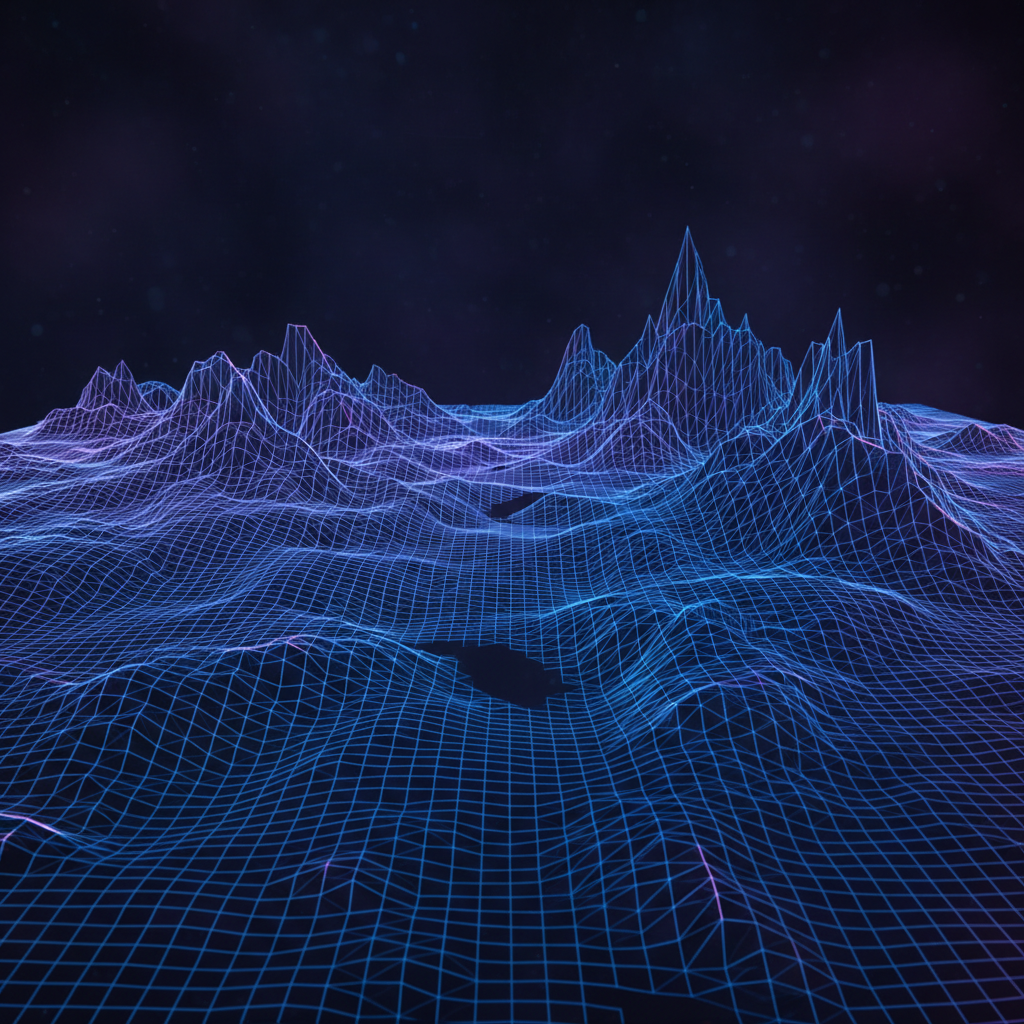
Neural Training → Local Search Heuristics Gradient descent in neural networks is a form of local search optimization. It navigates the 'loss landscape' somewhat like a hill-climbing heuristic in operations research to find a local (or global) optimum.
The most interesting takeaway was seeing how classical graph theory directly underpins modern AI optimization techniques.
Personal Reflection
Thank You
Questions? [Student Name] [Roll No]
- artificial-intelligence
- graph-theory
- reinforcement-learning
- neural-networks
- search-algorithms
- ai-optimization
- data-science