


Water Conservation: Global Strategies and Home Solutions
Learn about the importance of water conservation, global scarcity drivers, agricultural and industrial solutions, and practical ways to save water at home.
Water Conservation
Protecting Our Most Vital Resource for Future Generations
Why Water Matters
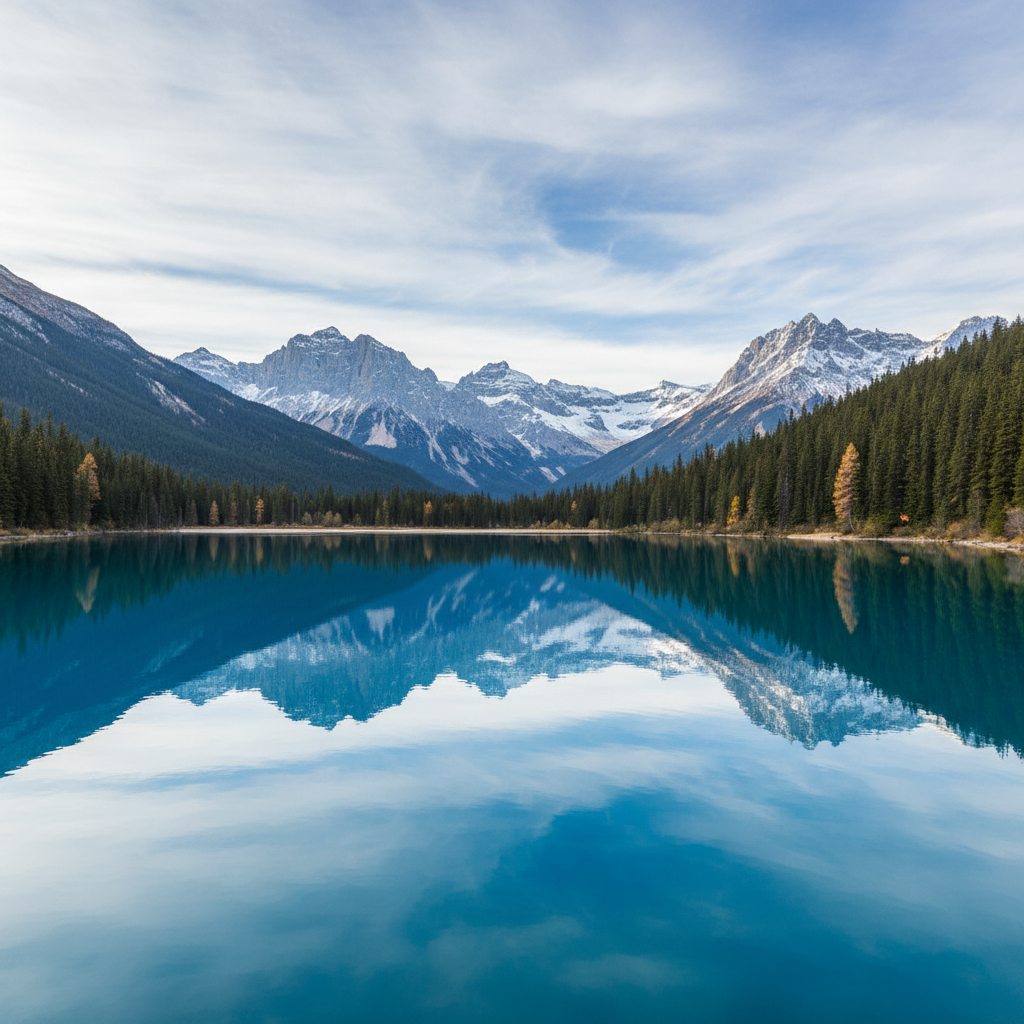
Water is the foundation of life, yet it is a finite resource. While the Earth is covered in water, only a tiny fraction is accessible freshwater. As the global population grows and climate change alters weather patterns, the stress on our water systems is intensifying, making conservation not just an option, but a necessity.
Earth's Water Distribution
Often called the Blue Planet, Earth is abundant in water, yet 97.5% of it is saline ocean water. Only 2.5% is freshwater, and of that, nearly 69% is locked in glaciers and ice caps, leaving less than 1% readily available for human use.
Major Drivers of Water Scarcity
Population Growth: Increasing demand significantly outpacing supply.
Climate Change: Altering precipitation patterns and causing severe droughts.
Pollution: Contaminating freshwater sources, rendering them unusable.
Inefficient Infrastructure: Leaky pipes and outdated irrigation systems waste billions of gallons daily.
Global Water Consumption by Sector
Agriculture is by far the largest consumer of freshwater globally, accounting for approximately 70% of withdrawals. Industrial use follows, with domestic household use comprising the smallest share, highlighting where the biggest impact can be made.
Agricultural Solutions
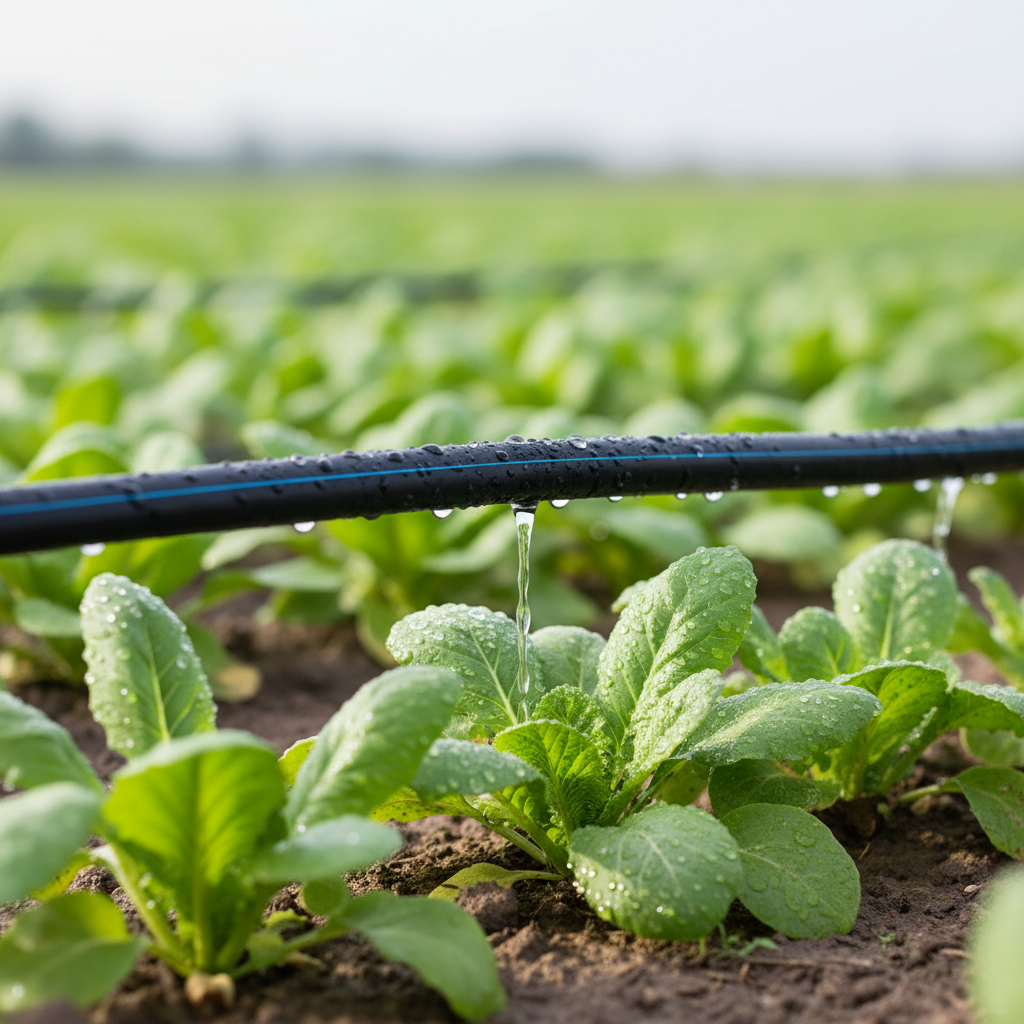
Modernizing agriculture is key to conservation. Techniques like drip irrigation deliver water directly to plant roots, reducing evaporation by up to 50% compared to traditional flood irrigation. Additionally, planting drought-resistant crops helps maintain food security with less fluid input.
When the well's dry, we know the worth of water.
Benjamin Franklin
Industrial Responsibility
Industries can drastically reduce their water footprint by implementing closed-loop water systems, which treat and recycle wastewater for repeated use within the factory. This minimizes the need to draw fresh water from local ecosystems.
Conservation at Home: Simple Swaps
Fix Leaks: A single dripping faucet can waste over 3,000 gallons per year.
Shorten Showers: reducing time by 2 minutes saves up to 5 gallons per use.
Run Full Loads: Only run dishwashers and washing machines when full.
Turn Off Tap: Don't let water run while brushing teeth or shaving.
Indoor Household Water Use
Understanding where water goes is the first step to saving it. Toilets are generally the largest indoor water consumers, followed closely by showers and faucets. Upgrading to high-efficiency fixtures can significantly reduce this profile.
Outdoor Improvements
Xeriscaping is a landscaping method designed for dry climates that utilizes drought-tolerant plants, reducing the need for supplemental watering. Combined with rainwater harvesting barrels, homeowners can maintain beautiful gardens without straining municipal supplies.
Technological Innovations
Smart Water Meters: Provide real-time data to consumers to track bursts or leaks instantly.
Desalination: Advanced filtration now makes converting seawater to freshwater more energy-efficient.
Atmospheric Water Generators: Devices that extract potable water directly from humid air.
Success Story: Singapore
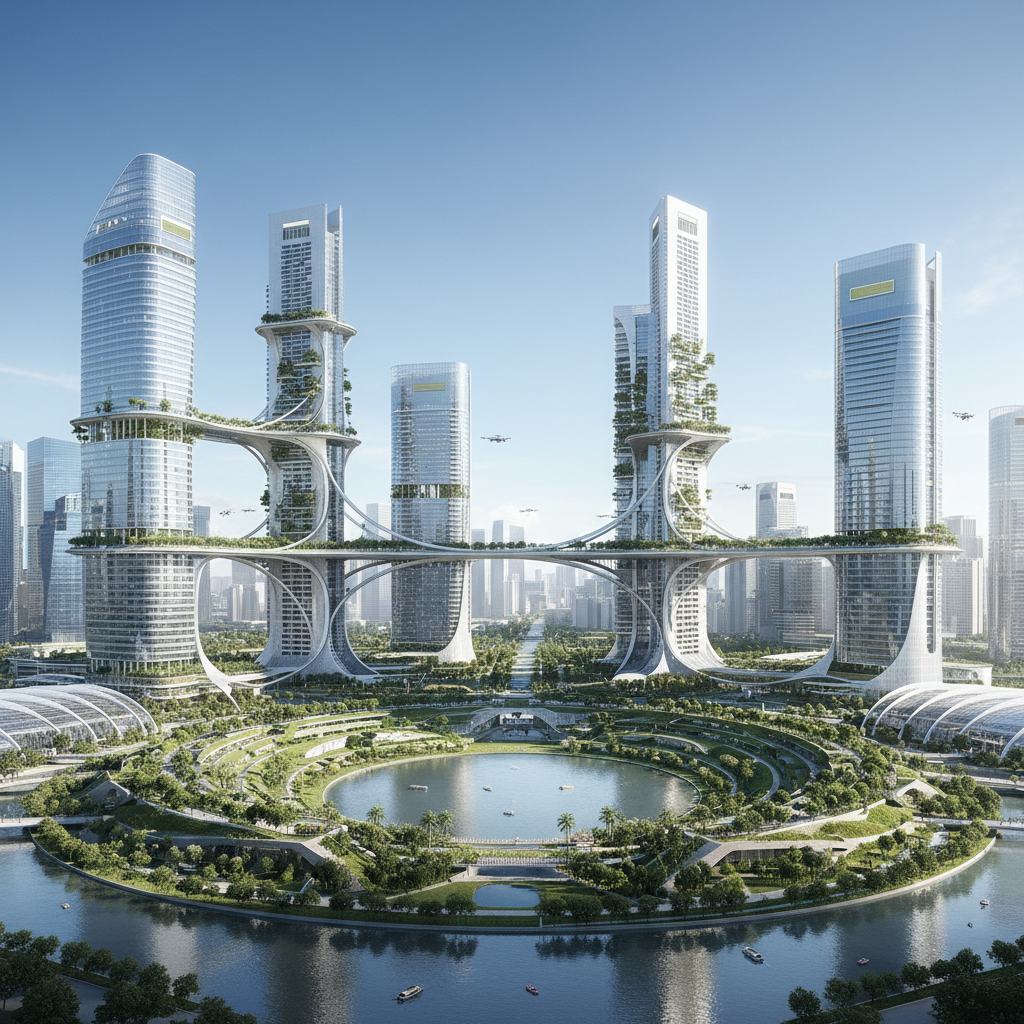
Singapore has become a global leader in water management through its 'Four Taps' strategy: imported water, local catchment, desalinated water, and NEWater (high-grade reclaimed water). This diversified approach ensures water security despite lacking natural resources.
Policy & Community Action
Government Incentives: Rebates for installing low-flow toilets and removing turf.
Education: School programs teaching the water cycle and conservation habits.
Regulations: Strict laws protecting aquifers and limiting pollution discharge.
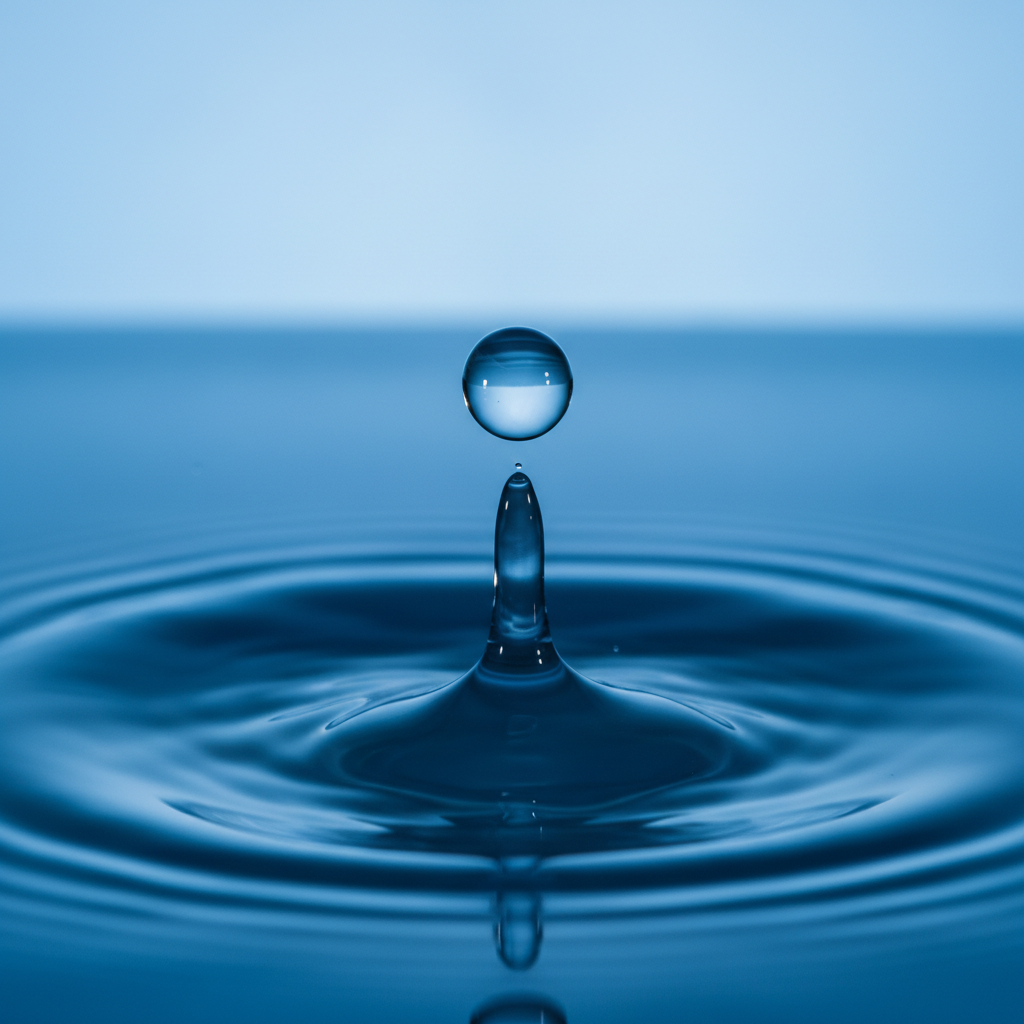
Every Drop Counts
- water-conservation
- sustainability
- environment
- freshwater-scarcity
- eco-friendly
- drip-irrigation
- xeriscaping