




PIA Flight 8303 Crash Analysis: Causes and Safety Lessons
Explore the investigation of PIA Flight 8303, including human factors, unstable approach analysis, engine failure details, and aviation safety reforms.
PIA Flight 8303 Investigation
Analysis of the May 22, 2020 Crash in Karachi: Causes, Findings, and Remedies
Casualty Overview
On May 22, 2020, PIA Flight PK8303 crashed into a residential area near Jinnah International Airport. Out of 99 souls on board, there were 97 fatalities and only 2 survivors. The aircraft was an Airbus A320-214.
Flight & Crew Profile
Route: Departed Lahore (LHE) at ~13:00 for a 90-minute flight to Karachi (KHI).
Aircraft: Airbus A320-214 (Registration AP-BLD).
Captain: Experienced Pilot Flying (PF) with 13,450 flight hours.
First Officer: Acted as Pilot Monitoring (PM) during the approach.
The Unstable First Approach
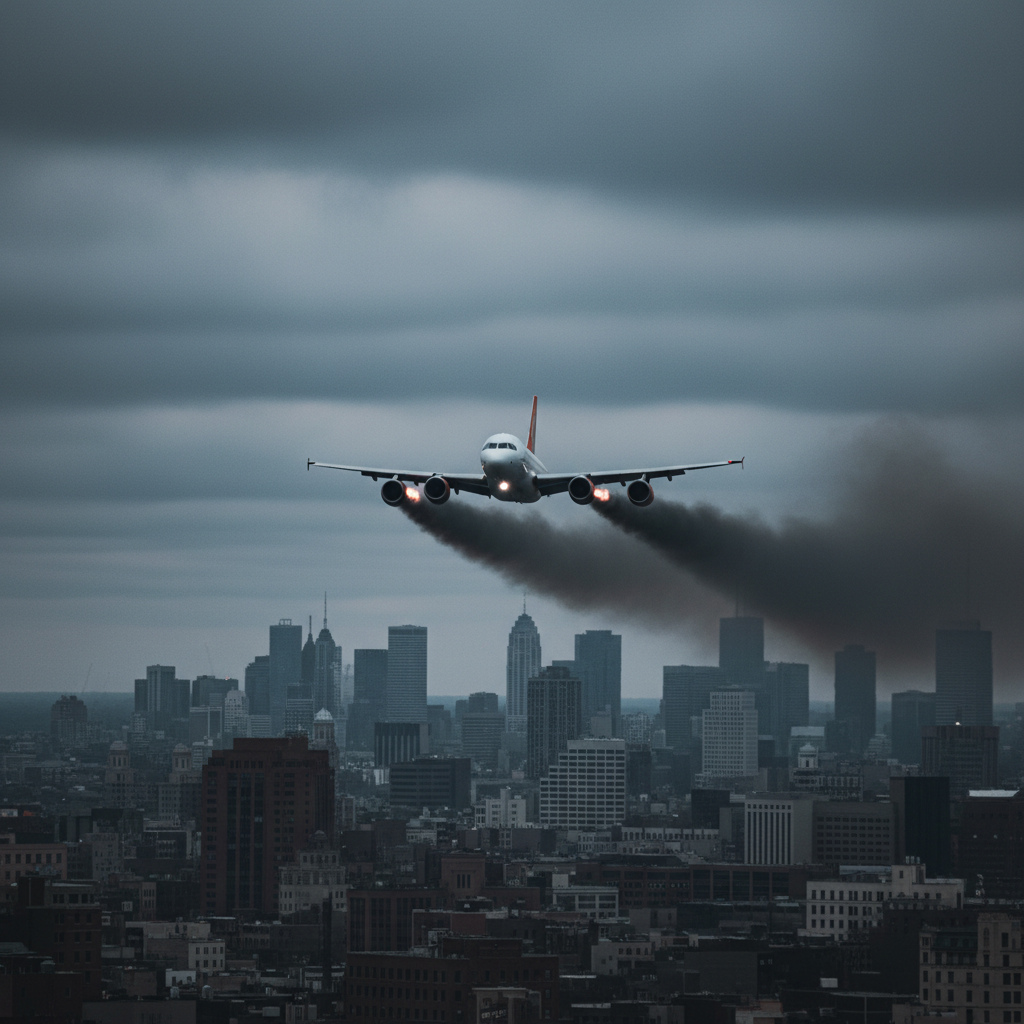
The aircraft arrived at Karachi high and fast, exceeding the target speed of 245 knots. The crew disregarded multiple cockpit warnings, including 'Overspeed' and 'Ground Proximity' alerts. Despite the unstable profile, the decision was made to continue the landing attempt rather than go around.
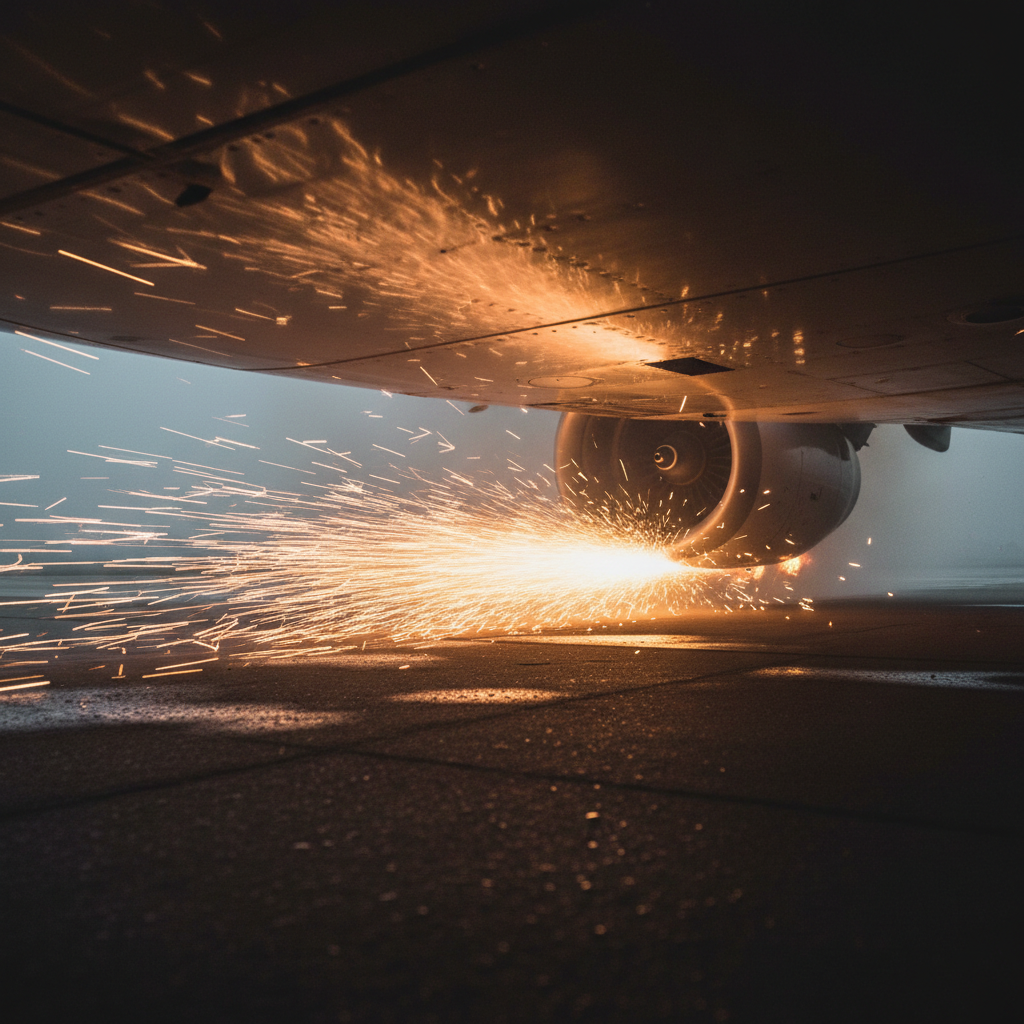
IMPACT: GEAR UP
The aircraft briefly touched down on its engines with landing gear retracted. Friction marks on the runway confirmed the engines scraped the tarmac.
Go-Around & Engine Failure
Following the belly impact, the pilots initiated a go-around. However, both engines sustained critical damage from the runway scrape. At approximately 2,000 ft on the downwind leg, the crew declared a 'both engines failed' emergency. The Ram Air Turbine (RAT) was deployed to provide emergency power.
Human Factors & CRM Analysis
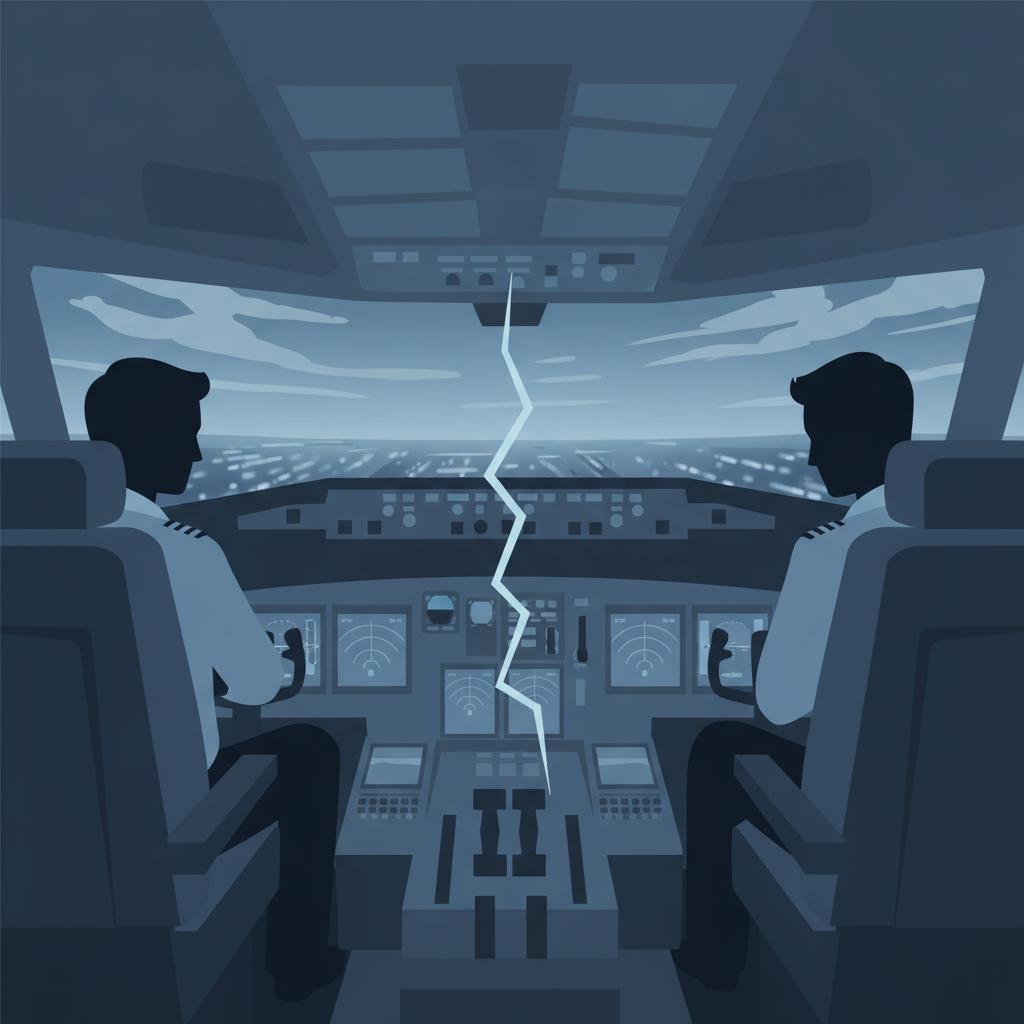
Crew Resource Management (CRM): Severe lack of coordination and cross-checks between Captain and First Officer.
Distraction: CVR revealed non-operational conversations about the COVID-19 pandemic during critical phases.
Cognitive Tunneling: Fixation on landing despite unstable parameters (high/fast).
Authority Gradient: The Captain dominated the decision-making; the First Officer failed to intervene effectively.
Key Investigation Findings
The Pakistan AAIB and international partners (BEA) confirmed no pre-existing mechanical faults. The landing gear was functional but not deployed by the crew during the first attempt. The engines failed solely due to damage sustained during the initial belly landing scrape. The Rat Air Turbine (RAT) deployed as designed before the crash.
Remedies: Training & Licensing
Enhanced Crew Training: Mandatory focus on Crew Resource Management (CRM) and assertiveness for junior pilots.
Simulator Scenarios: Rigorous testing on 'go-around' procedures from various altitudes and engine-out handling.
License Verification: Stricter scrutiny of pilot licenses and flying hours following the 'fake license' scandal exposed by the inquiry.
Procedural & Oversight Reforms
Following the crash, emphasis shifted to enforcing stabilized approach criteria. Pilots must initiate a go-around if parameters (speed, descent rate) are not met by 1,000 ft. Regulatory bodies (CAA) also increased operational audits.
- aviation-safety
- crash-investigation
- pia-flight-8303
- crew-resource-management
- flight-analysis
- air-safety-report