



Technical Guide to the Lexus LC500 2UR-GSE V8 Engine
Explore the engineering behind the Lexus LC500's 5.0L V8. Includes specs for performance, engine block design, Yamaha cylinder heads, and D-4S injection.
Lexus LC500 Engine Overview
Engineering the 2UR-GSE Naturally Aspirated V8
Overview & Heritage
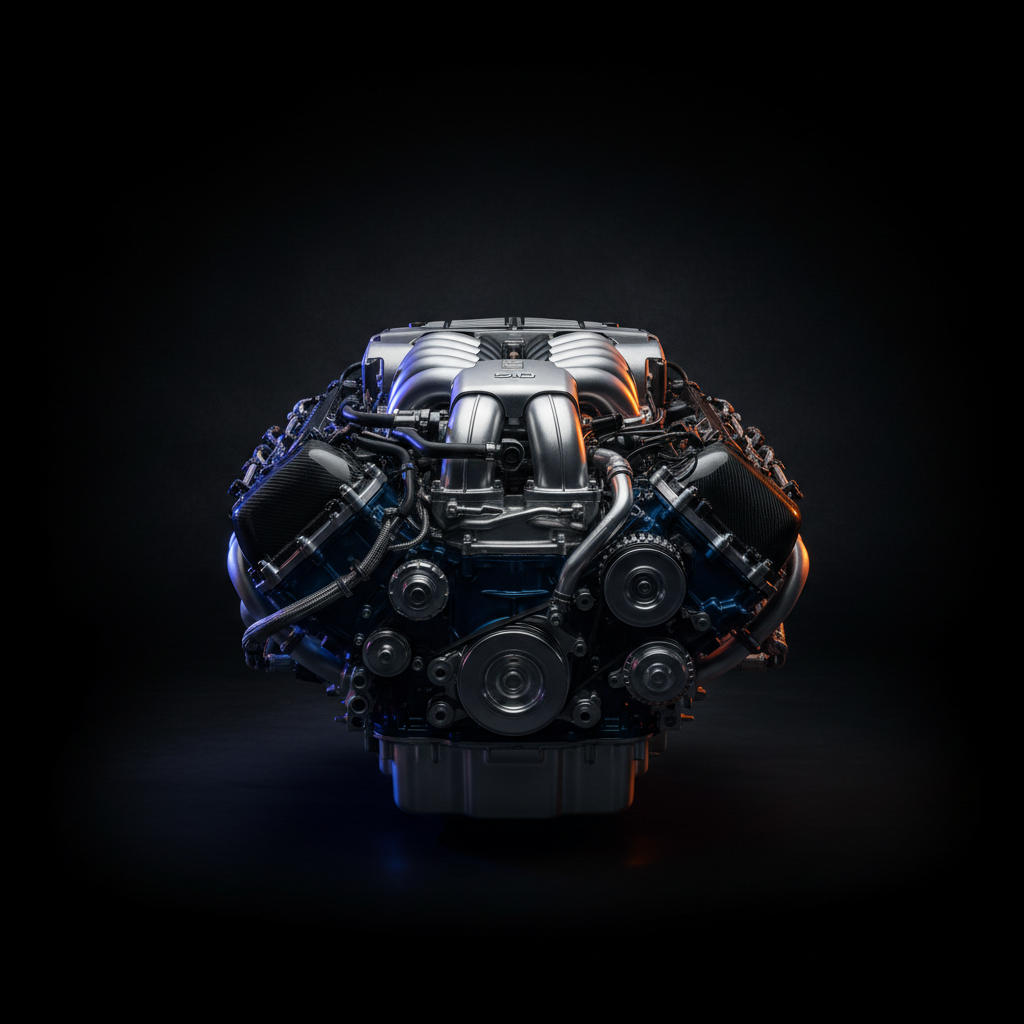
The heart of the Lexus LC500 is the 2UR-GSE, a 5.0-liter naturally aspirated V8 engine. It represents the pinnacle of the UR engine family, originally developed in partnership with Yamaha Motor Co.<br><br>While many competitors have moved to forced induction (turbocharging), Lexus retained this high-revving atmospheric engine to prioritize linear throttle response, emotional sound character, and long-term reliability.
Full Technical Specifications
<strong>Engine Code:</strong> 2UR-GSE
<strong>Displacement:</strong> 4,969 cc (5.0 Liters)
<strong>Layout:</strong> 90° V8, Aluminum Block & Heads
<strong>Power Output:</strong> 471 hp @ 7,100 RPM
<strong>Torque:</strong> 398 lb-ft @ 4,800 RPM
<strong>Compression Ratio:</strong> 12.3:1
<strong>Redline:</strong> 7,300 RPM
Performance Characteristics
This chart illustrates the high-revving nature of the 2UR-GSE. Peak torque arrives at 4,800 RPM, providing a strong mid-range, while horsepower continues to climb linearly until the 7,100 RPM peak. This linear delivery is a hallmark of natural aspiration.
Engine Block Design
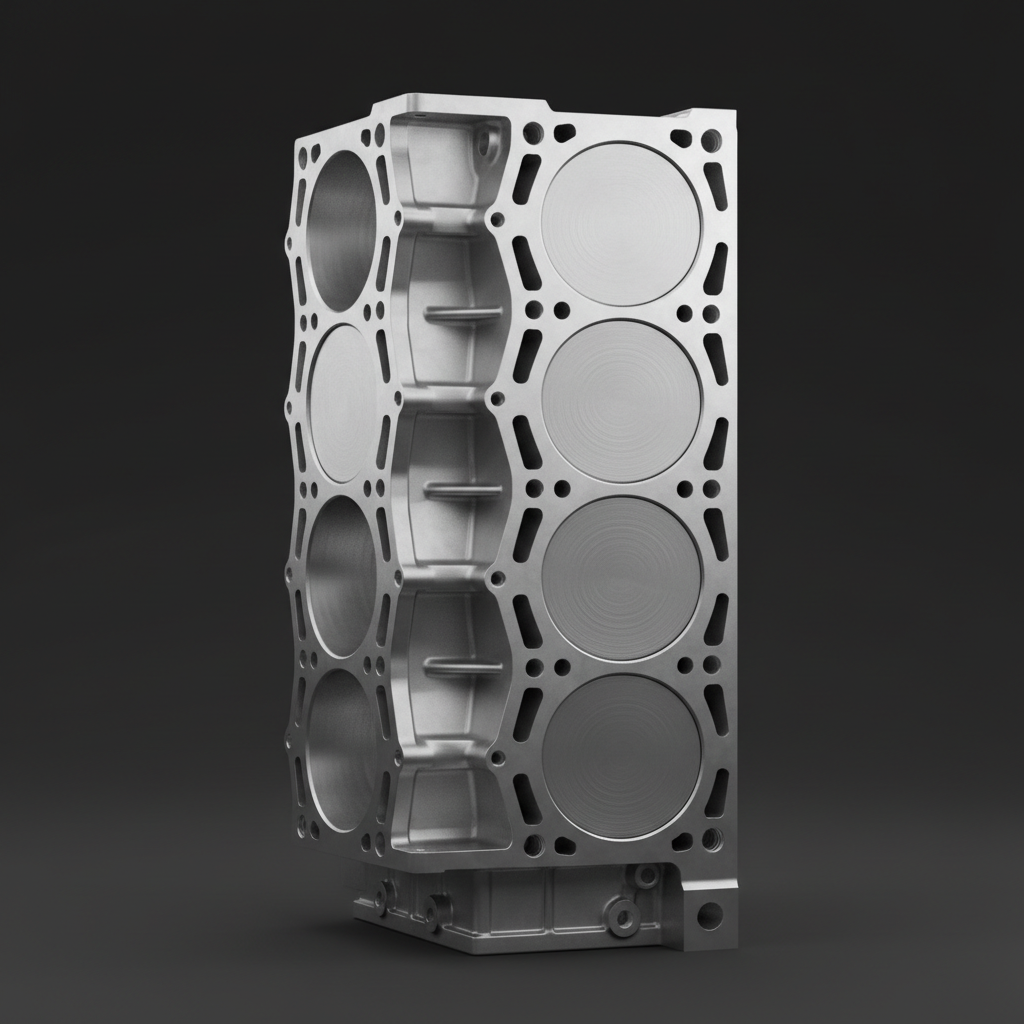
The 2UR-GSE utilizes a lightweight, die-cast aluminum alloy cylinder block in a 90-degree V8 configuration. <br><br>The block features cast-in iron cylinder liners for durability and structural rigidity. The crankcase is designed with extensive breathing passages to reduce pumping losses at high RPM, a critical feature for engine efficiency and response.
Yamaha-Enhanced Cylinder Heads
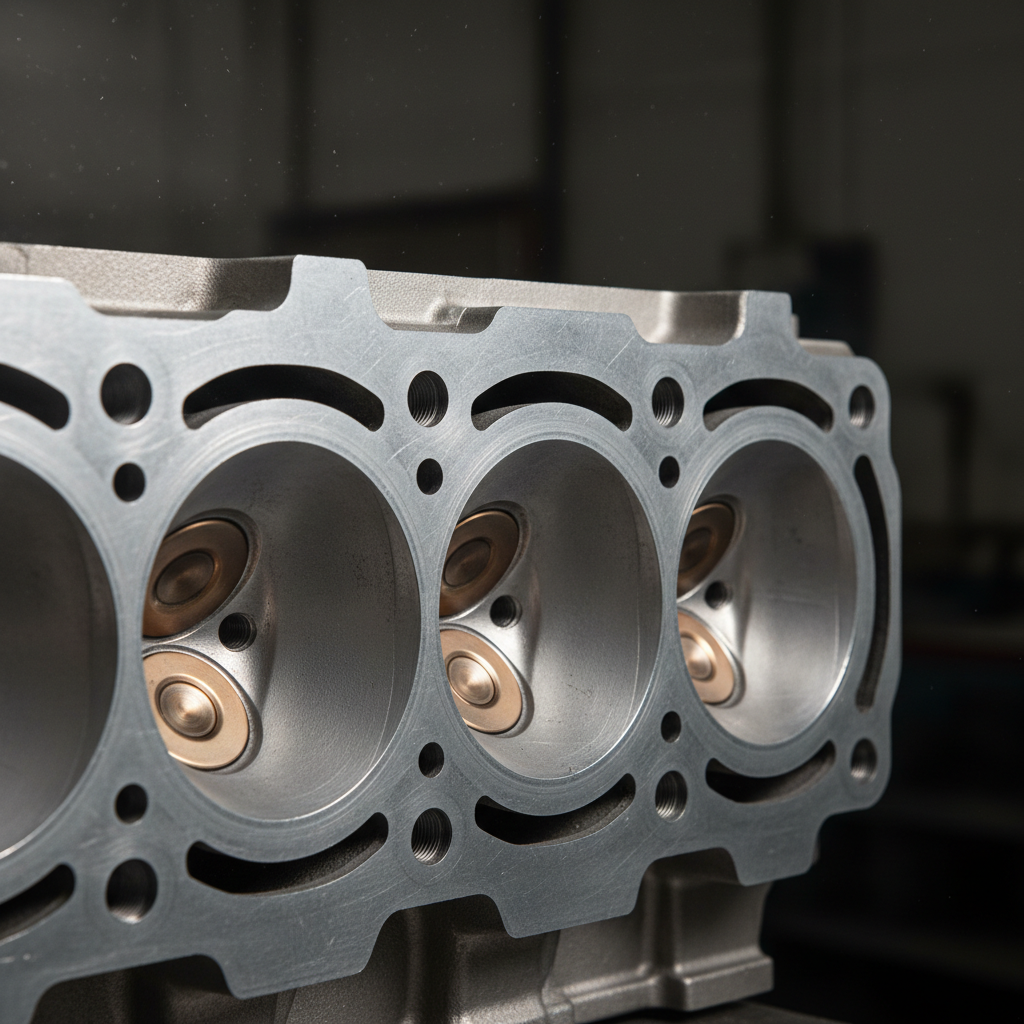
Developed in collaboration with Yamaha's motorsport division, the cylinder heads are crucial to the engine's performance.<br><br>They feature high-flow intake and exhaust ports designed to maximize volumetric efficiency. The geometry of the ports promotes a tumbling motion of the air-fuel mixture, enhancing combustion stability even at the rapid pace of 7,000+ RPM.
Pistons & Connecting Rods
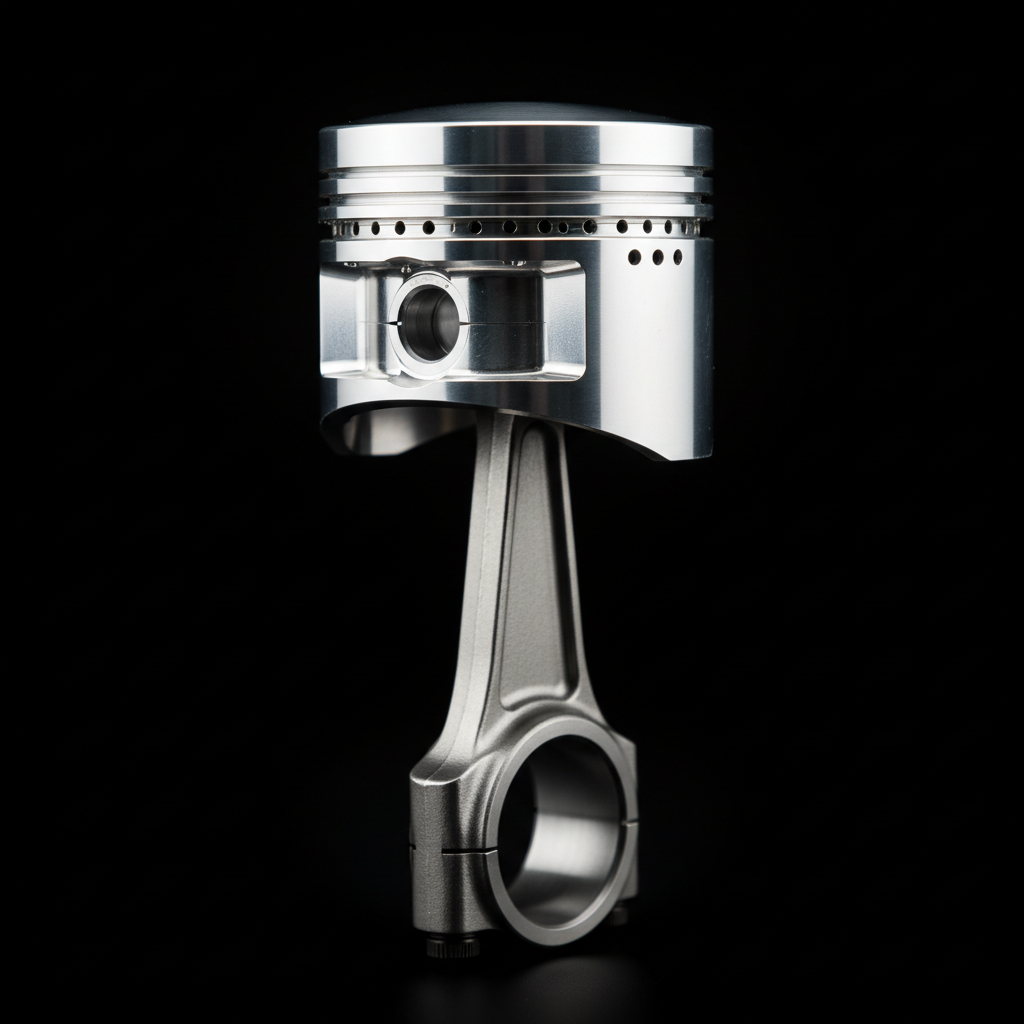
To handle the stress of high RPMs, the LC500 engine employs specialized internals:<br><br>1. <strong>Forged Sintered Connecting Rods:</strong> Provide exceptionally high strength-to-weight ratios.<br>2. <strong>Lightweight Pistons:</strong> Reduced mass is critical for engine response. The piston skirts are coated with a specialized resin to reduce friction against the cylinder cylinder walls.
Advanced Valvetrain
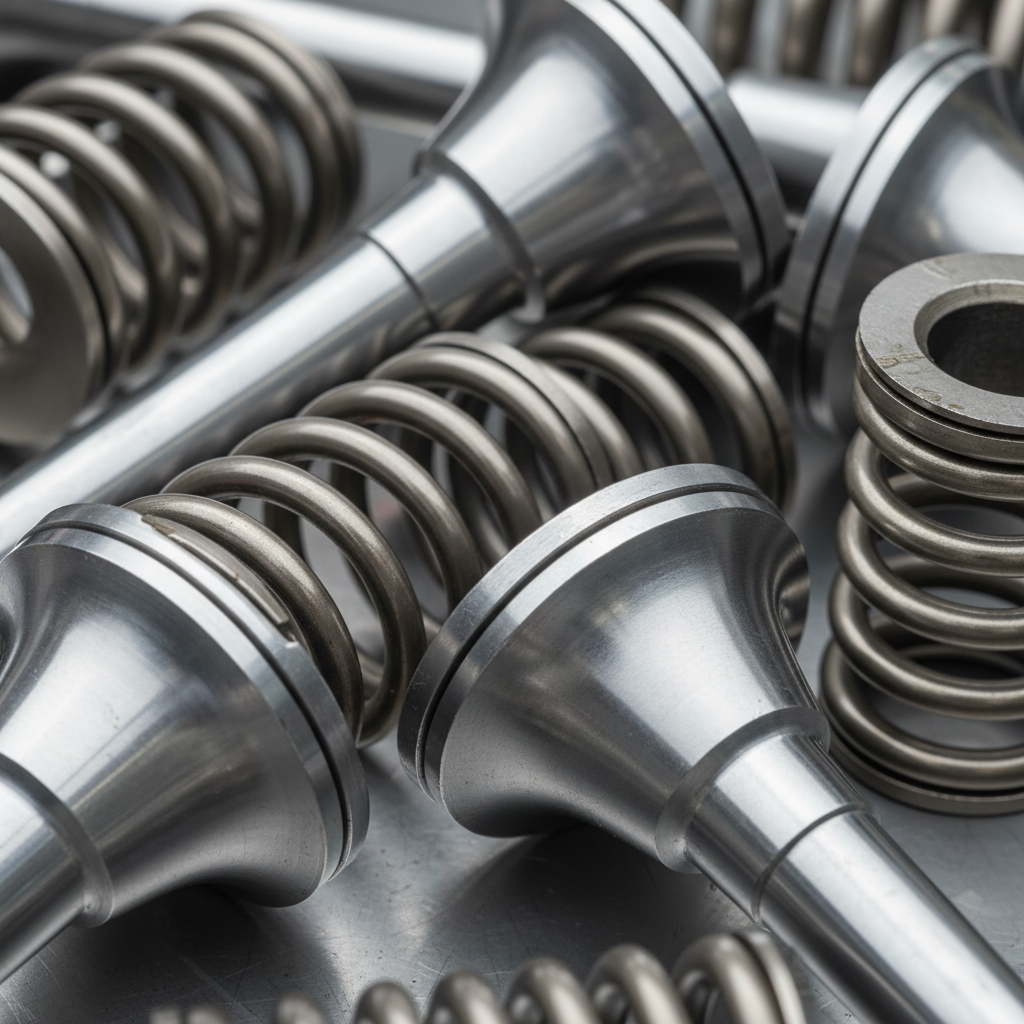
The valvetrain materials are race-inspired to reduce reciprocating mass:<br><br>• <strong>Titanium Intake Valves:</strong> Extremely lightweight, allowing the valve springs to control movement precisely at high RPM without valve float.<br>• <strong>Hollow Exhaust Valves:</strong> Reduces weight while maintaining thermal resistance.<br>• <strong>Roller Rocker Arms:</strong> Used to minimize friction loss in the cam mechanism.
VVT-iE Technology
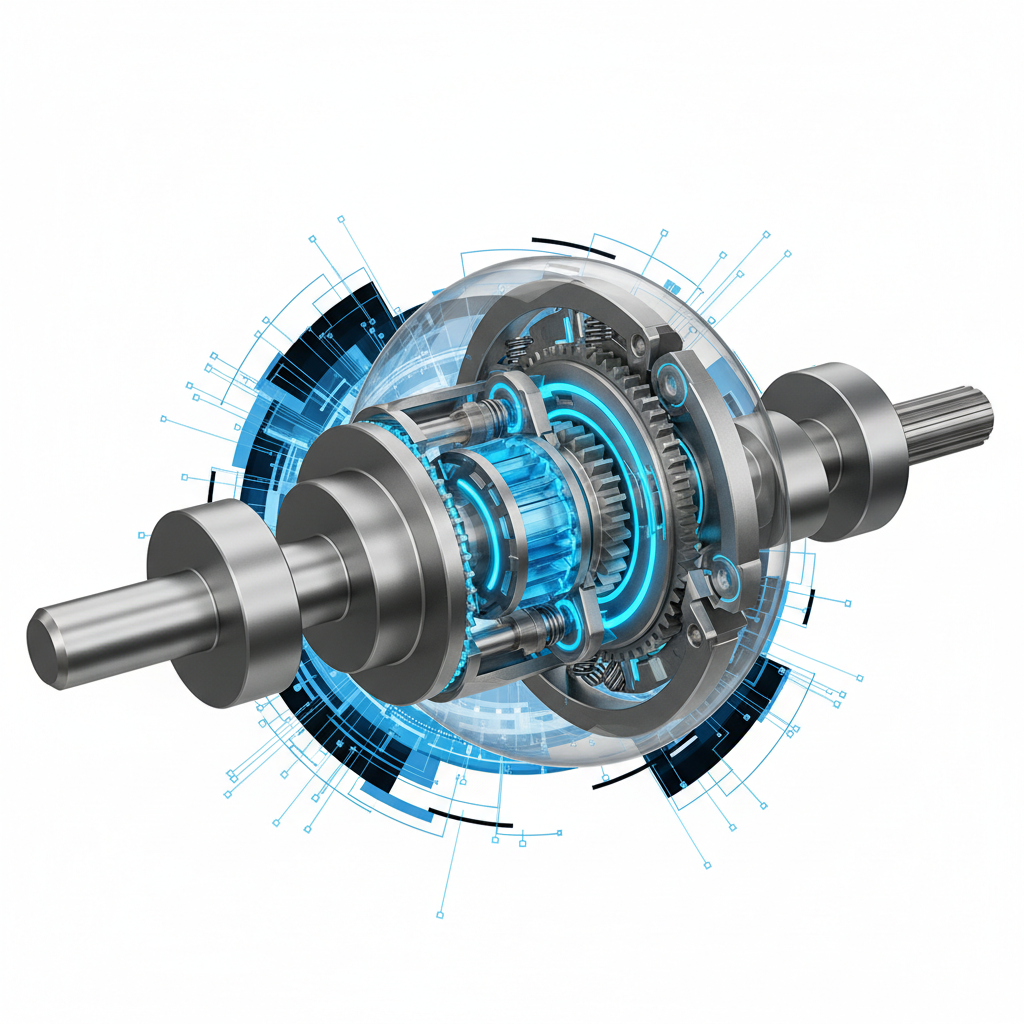
The 2UR-GSE uses <strong>VVT-iE</strong> (Variable Valve Timing-intelligent by Electric motor) on the intake camshafts. <br><br>Unlike traditional hydraulic systems that rely on oil pressure (which can be low at idle or cold starts), the electric motor provides instant and precise camshaft phasing at all engine speeds and temperatures. The exhaust cam uses standard hydraulic VVT-i.
Intake Manifold & Acoustics
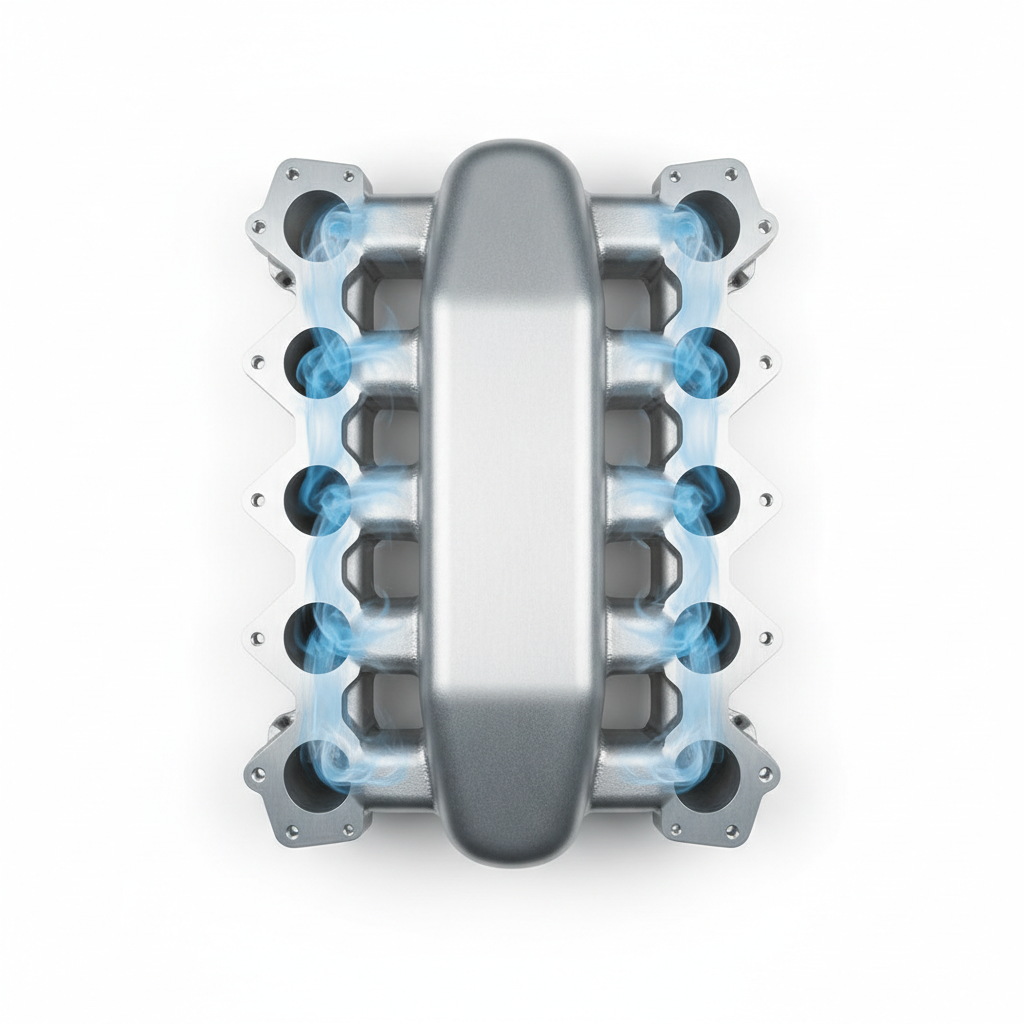
The intake system acts as a musical instrument. It features an acoustic sound generator that channels specific intake frequencies into the cabin for a thrilling auditory experience.<br><br>Physically, the system uses a dual-intake design with a surge tank optimized to ensure each cylinder receives an equal volume of air, maximizing power balance.
D-4S Fuel Injection System
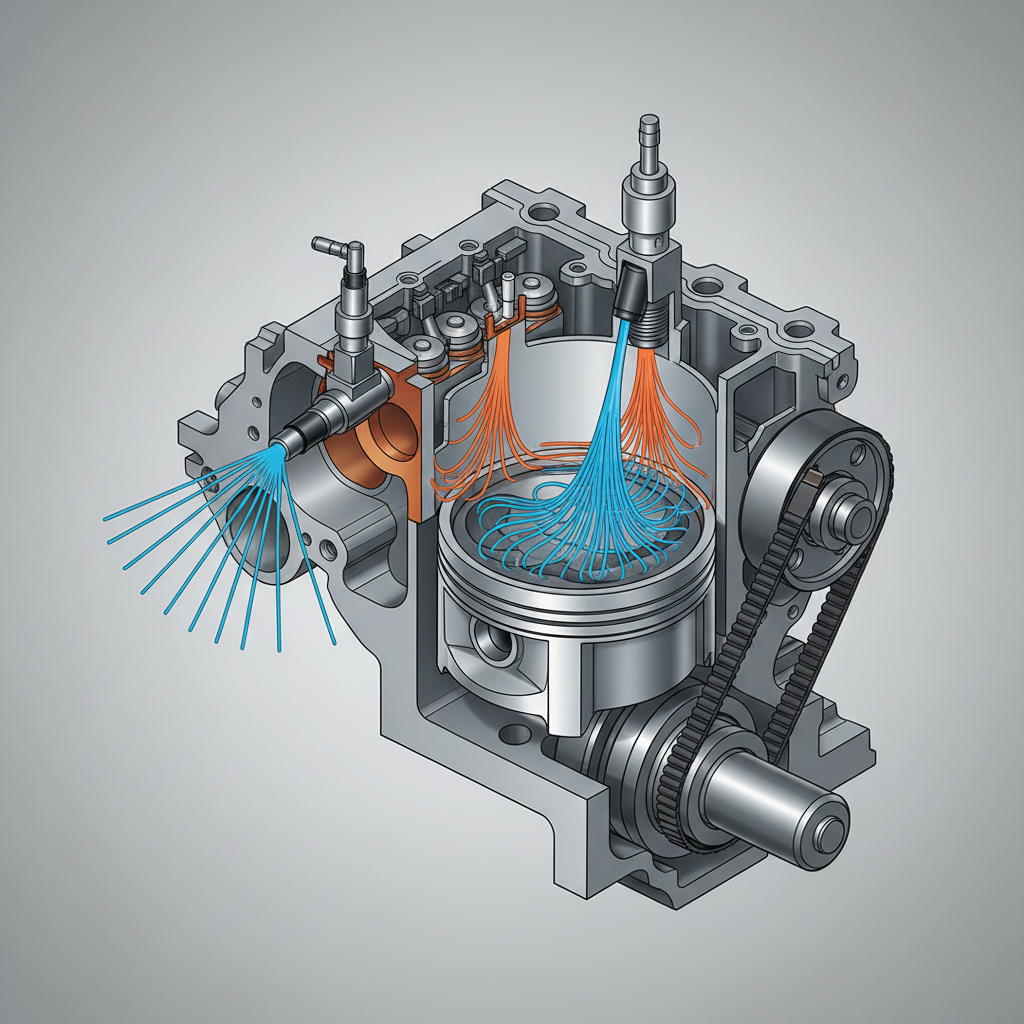
The LC500 engine uses Toyota's advanced <strong>D-4S</strong> (Direct-injection 4-stroke gasoline engine Superior version) system.<br><br>This system combines two injectors per cylinder:<br>1. <strong>Direct Injector:</strong> Sprays fuel directly into the combustion chamber for cooling and high-load efficiency.<br>2. <strong>Port Injector:</strong> Sprays into the intake track for better air-fuel mixing at low loads and cleaning the intake valves.
Lubrication & Cooling Systems
<strong>Oil Jet Cooling:</strong> Dedicated oil jets spray under the pistons to manage thermal loads during aggressive driving.
<strong>Scavenging Pump:</strong> A sub-tank and scavenge pump system ensures consistent oil supply even under high G-force cornering.
<strong>Water Jacket Spacers:</strong> Inserted in the cylinder water jackets to optimize coolant flow near the top of the cylinder, ensuring uniform temperature distribution.
<strong>Air-to-Oil Cooler:</strong> A large capacity external oil cooler maintains optimal viscosity during track use.
Exhaust Manifold Innovations
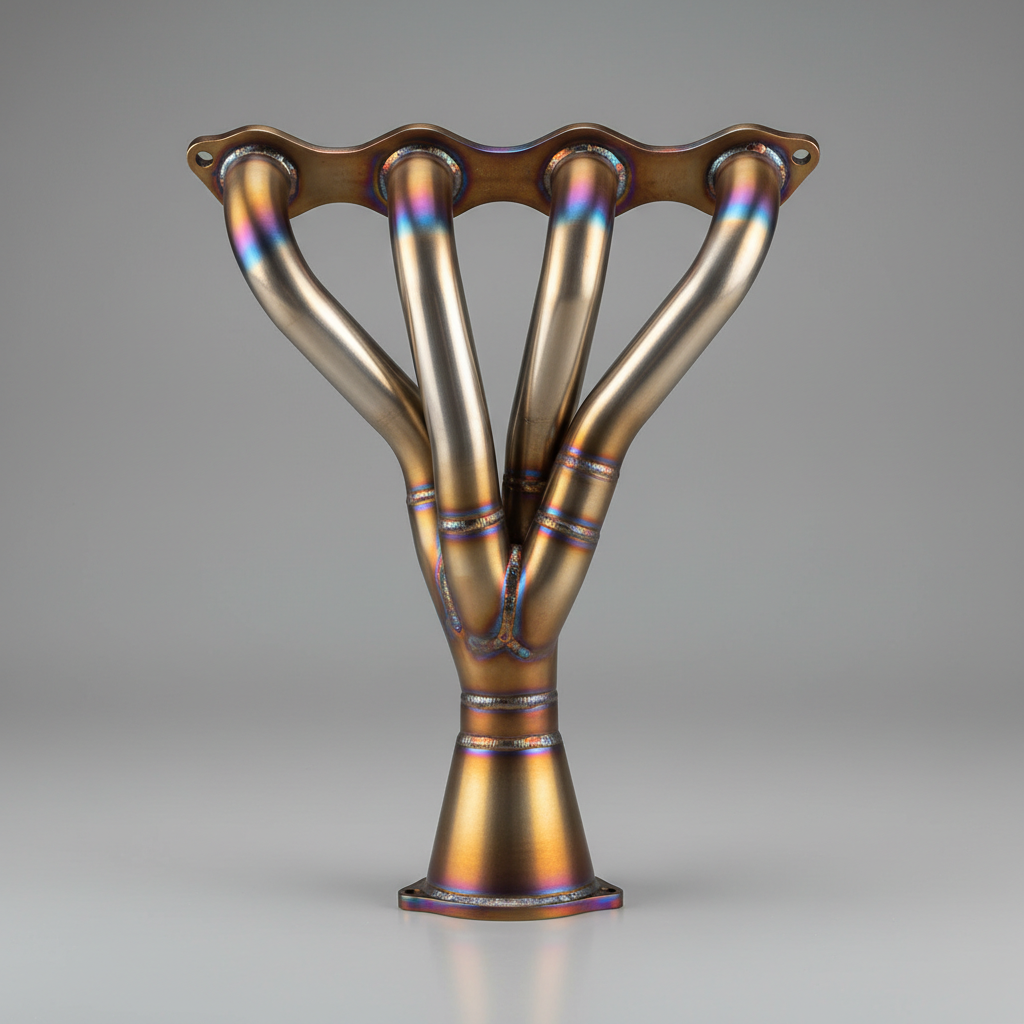
The exhaust manifolds use a stainless steel design optimized for flow and sound. <br><br>While not a flat-plane crank, the manifold routing is carefully tuned to reduce backpressure. This connects to an active exhaust system with valves that open at higher RPMs, unleashing the V8's raw unrestricted roar while keeping it civilized at cruising speeds.
Sensors and Electronics
Modern performance requires precise control. The ECU continually monitors:<br><br>• <strong>Knock Sensors:</strong> Allowing the engine to safely run a high 12.3:1 compression ratio on premium fuel.<br>• <strong>Mass Air Flow:</strong> Adjusting fuel trim instantly.<br>• <strong>G-Sensors:</strong> Communicating with the oil pump to ensure pressure during cornering.
Conclusion: A Masterpiece of N/A Engineering
References
Lexus Global Newsroom - LC500 Technical Press Kit
Toyota Motor Corporation - 2UR-GSE Engine Development Papers
Yamaha Motor Co. - Automotive Engines History
SAE International - High Performance Natural Aspirated Engines
- lexus-lc500
- v8-engine
- 2ur-gse
- automotive-engineering
- lexus-performance
- naturally-aspirated
- yamaha-marine
- car-specs