

Made byBobr AI

Smart Waste Management: Strategies for a Circular Economy

Discover sustainable waste management strategies, the waste hierarchy, global waste projections for 2050, and innovative solutions like WtE and EPR.

#waste-management#sustainability#circular-economy#recycling#e-waste#environmental-science#urban-mining
Watch
Pitch

Waste Management

Strategies for a Sustainable Future and Circular Economy

2026 Presentation
Made byBobr AI

What is Waste Management?

Waste management refers to the various schemes to manage and dispose of wastes. It can be by discarding, destroying, processing, recycling, reusing, or controlling wastes. The prime objective is to reduce the dangerous effects of such waste on the environment and human health.

Made byBobr AI

The Waste Hierarchy

PREVENT: The most preferred option; redesigning products to minimize waste generation.
REUSE: Extending the life of products by using them again for the same purpose.
RECYCLE: Reprocessing waste materials to produce new products.
RECOVER: Detailed biological or thermal treatment to recover energy from waste.
DISPOSE: Landfill or incineration without energy recovery (least preferred).
Made byBobr AI

Regional Waste Generation (2050 Projection)

Without urgent action, global waste will grow by 70% by 2050. Sub-Saharan Africa is expected to triple its waste generation based on current urbanization trends.

Chart
Made byBobr AI

Global Waste Composition

Nearly half of the world's solid waste is organic (food and greens), representing a massive opportunity for composting and methane reduction.

Chart
Made byBobr AI

The Landfill Challenge

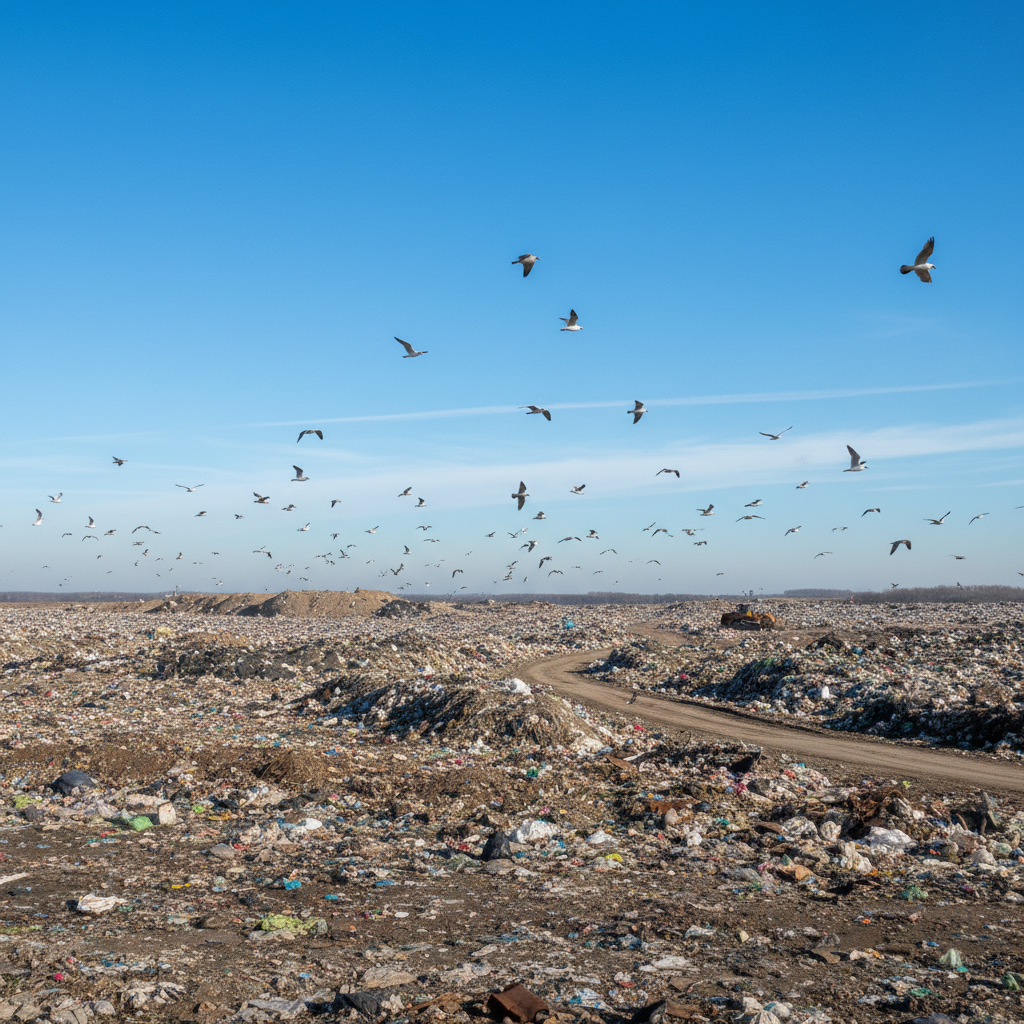
Landfills are the primary disposal method globally, but they pose significant risks. Decomposing organic waste releases methane, a potent greenhouse gas. Furthermore, toxic leachate can contaminate groundwater if sites are not properly lined and managed. Space for new landfills is rapidly diminishing in urban areas.

Made byBobr AI

E-Waste: A Growing Concern

  • ➤ Fastest growing waste stream globally (approx. 50M+ tonnes/year).
  • ➤ Contains valuable materials (gold, copper) alongside hazardous ones (lead, mercury).
  • ➤ Improper recycling leads to severe health risks for workers in developing nations.
  • ➤ Urban Mining: The concept of reclaiming raw materials from spent electronics.
Made byBobr AI

Innovative Solutions

Waste-to-Energy (WtE) plants convert non-recyclable waste into electricity and heat. Additionally, 'Extended Producer Responsibility' (EPR) policies are forcing manufacturers to take financial responsibility for the end-of-life disposal of their products, encouraging better design.

Made byBobr AI

“Use it up, wear it out, make it do, or do without.”

— Proverb on Sustainability

Made byBobr AI

Conclusion & Action

Effective waste management requires a shift from linear consumption to a circular economy. Governments must provide infrastructure, industries must design for recycling, and individuals must separate waste at the source. Together, we can turn waste into a resource.

Made byBobr AI
Bobr AI

DESIGNER-MADE
PRESENTATION,
GENERATED FROM
YOUR PROMPT

Create your own professional slide deck with real images, data charts, and unique design in under a minute.

Generate For Free

Smart Waste Management: Strategies for a Circular Economy

Discover sustainable waste management strategies, the waste hierarchy, global waste projections for 2050, and innovative solutions like WtE and EPR.

Waste Management

Strategies for a Sustainable Future and Circular Economy

What is Waste Management?

Waste management refers to the various schemes to manage and dispose of wastes. It can be by discarding, destroying, processing, recycling, reusing, or controlling wastes. The prime objective is to reduce the dangerous effects of such waste on the environment and human health.

The Waste Hierarchy

PREVENT: The most preferred option; redesigning products to minimize waste generation.

REUSE: Extending the life of products by using them again for the same purpose.

RECYCLE: Reprocessing waste materials to produce new products.

RECOVER: Detailed biological or thermal treatment to recover energy from waste.

DISPOSE: Landfill or incineration without energy recovery (least preferred).

Regional Waste Generation (2050 Projection)

Without urgent action, global waste will grow by 70% by 2050. Sub-Saharan Africa is expected to triple its waste generation based on current urbanization trends.

Global Waste Composition

Nearly half of the world's solid waste is organic (food and greens), representing a massive opportunity for composting and methane reduction.

The Landfill Challenge

Landfills are the primary disposal method globally, but they pose significant risks. Decomposing organic waste releases methane, a potent greenhouse gas. Furthermore, toxic leachate can contaminate groundwater if sites are not properly lined and managed. Space for new landfills is rapidly diminishing in urban areas.

E-Waste: A Growing Concern

Fastest growing waste stream globally (approx. 50M+ tonnes/year).

Contains valuable materials (gold, copper) alongside hazardous ones (lead, mercury).

Improper recycling leads to severe health risks for workers in developing nations.

Urban Mining: The concept of reclaiming raw materials from spent electronics.

Innovative Solutions

Waste-to-Energy (WtE) plants convert non-recyclable waste into electricity and heat. Additionally, 'Extended Producer Responsibility' (EPR) policies are forcing manufacturers to take financial responsibility for the end-of-life disposal of their products, encouraging better design.

Use it up, wear it out, make it do, or do without.

Proverb on Sustainability

Conclusion & Action

Effective waste management requires a shift from linear consumption to a circular economy. Governments must provide infrastructure, industries must design for recycling, and individuals must separate waste at the source. Together, we can turn waste into a resource.

  • waste-management
  • sustainability
  • circular-economy
  • recycling
  • e-waste
  • environmental-science
  • urban-mining