
Made byBobr AI

Innovative Waste Management Strategies for Sustainability

Explore sustainable waste management strategies, including the waste hierarchy, recycling data, and the latest innovations like AI-sorting and waste-to-energy.

#waste-management#sustainability#recycling#green-technology#circular-economy#environmental-science#zero-waste
Watch
Pitch

Sustainable Waste Management

Strategies for a Cleaner, Greener Future

Made byBobr AI

What is Waste Management?

Waste management refers to the complete cycle of collecting, treating, and disposing of solid wastes. It encompasses the regulations, transport, processing, recycling, and disposal of waste materials. The primary goal is to minimize adverse effects on human health and the environment while recovering valuable resources.

Made byBobr AI

The Global Waste Challenge

  • Rapid Urbanization: Cities generate over 2 billion tons of solid waste annually.
  • Plastic Pollution: Millions of tons of plastic enter the oceans every year, harming marine life.
  • Greenhouse Gases: Decomposing waste in landfills releases methane, a potent climate warmer.
  • Resource Scarcity: Burying recoverable materials accelerates the depletion of natural resources.
Made byBobr AI

Global Waste Composition

The breakdown of global waste types highlights that nearly half of all waste is organic (food and green), followed by paper and plastic. Effective management requires addressing these specific categories.

Chart
Made byBobr AI

The Waste Hierarchy

The waste hierarchy ranks waste management options according to what is best for the environment. The top priority is preventing waste in the first place. 1. Prevention (Most Preferred) 2. Preparing for Reuse 3. Recycling 4. Recovery (e.g., Waste-to-Energy) 5. Disposal (Least Preferred)
Made byBobr AI

Landfills: A Hidden Danger


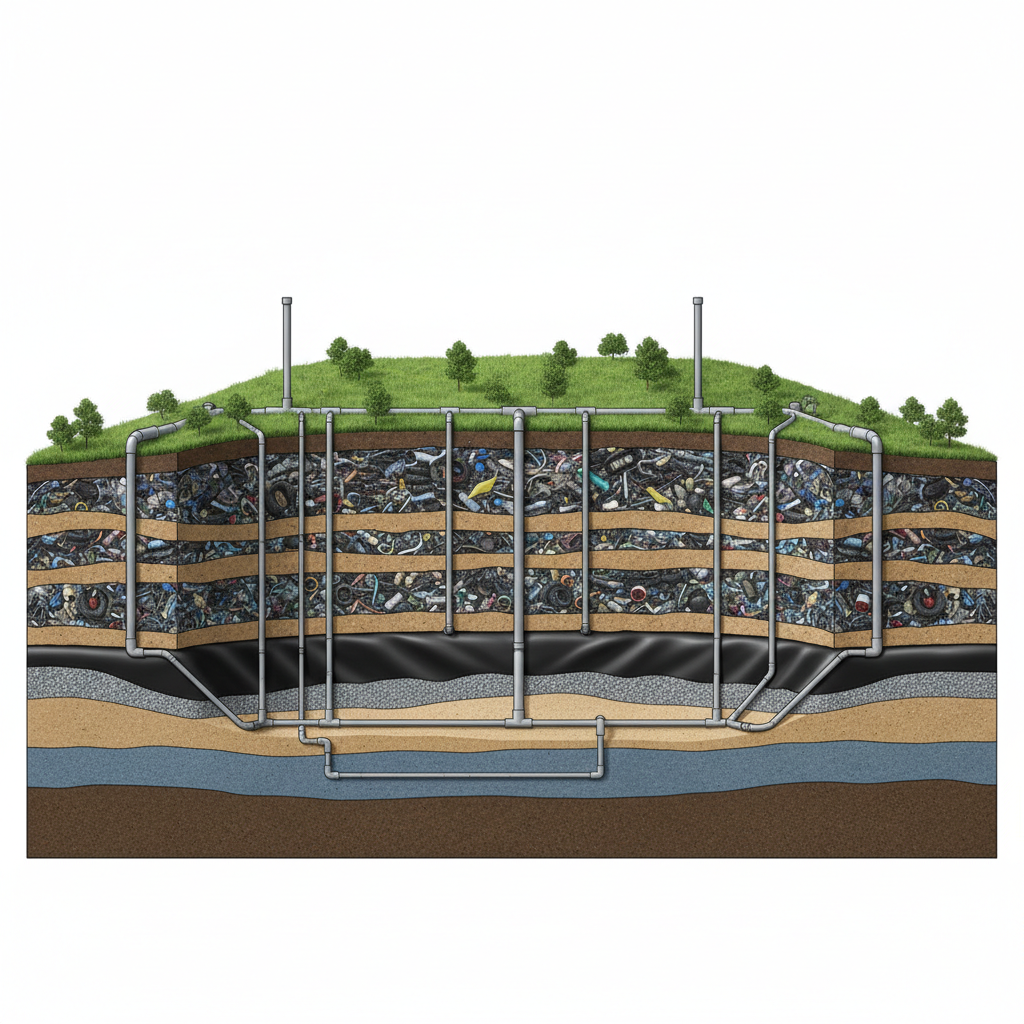
While landfills are the most common disposal method, they pose significant risks. Leachate (toxic liquid runoff) can contaminate groundwater supplies, while anaerobic decomposition releases large amounts of methane, a gas 28 times more potent than CO2 at trapping heat.

Made byBobr AI

Types of Waste

Municipal Solid Waste (MSW): Everyday trash from homes and small businesses.
Industrial Waste: Byproducts from manufacturing, mining, and agriculture.
Hazardous Waste: Materials that are toxic, flammable, corrosive, or reactive.
E-Waste: Discarded electronics like phones, computers, and batteries (fastest growing category).
Made byBobr AI

There is no such thing as "away". When we throw anything away, it must go somewhere.

— Annie Leonard

Made byBobr AI

Data: Time to Decompose

Understanding how long items persist in the environment emphasizes the need for recycling and reduction. Plastic bottles can last up to 450 years, while glass bottles may persist for millennia if not recycled.

Chart
Made byBobr AI

Innovative Solutions

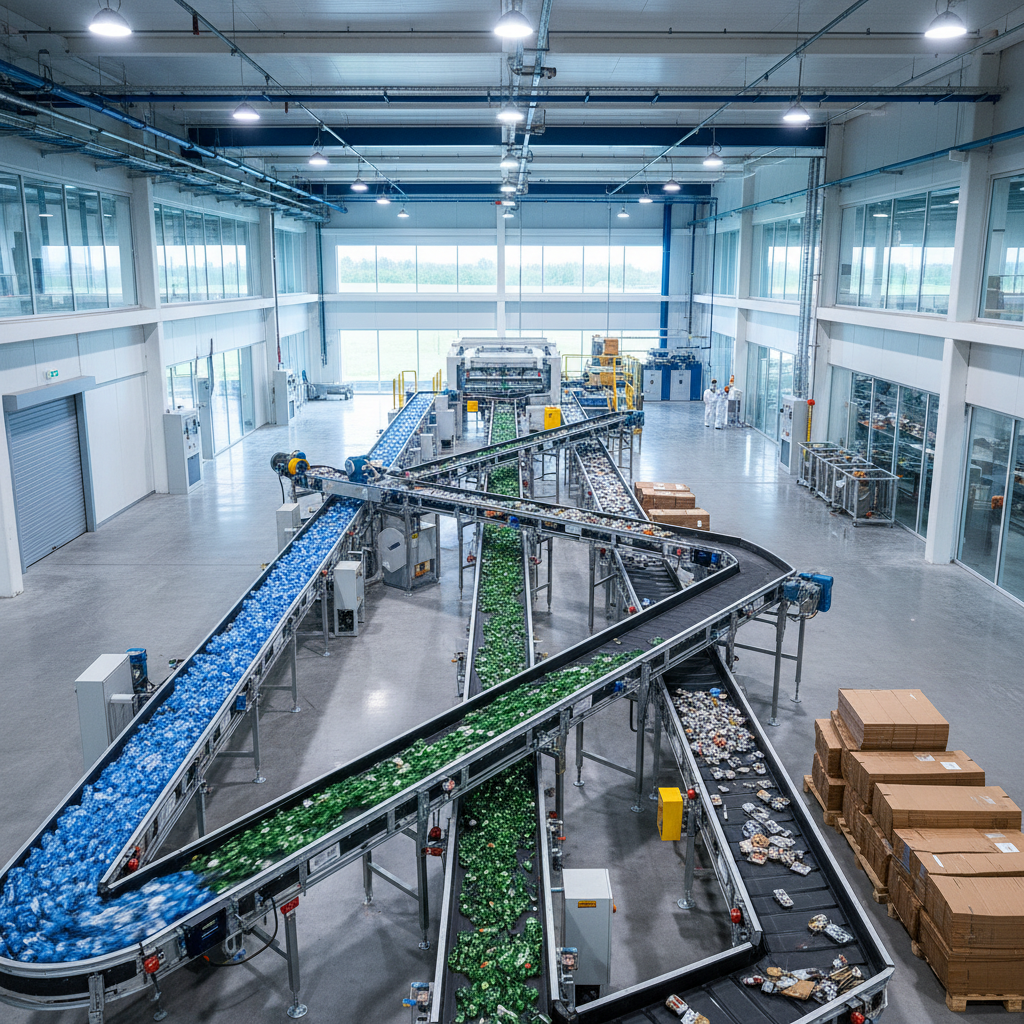
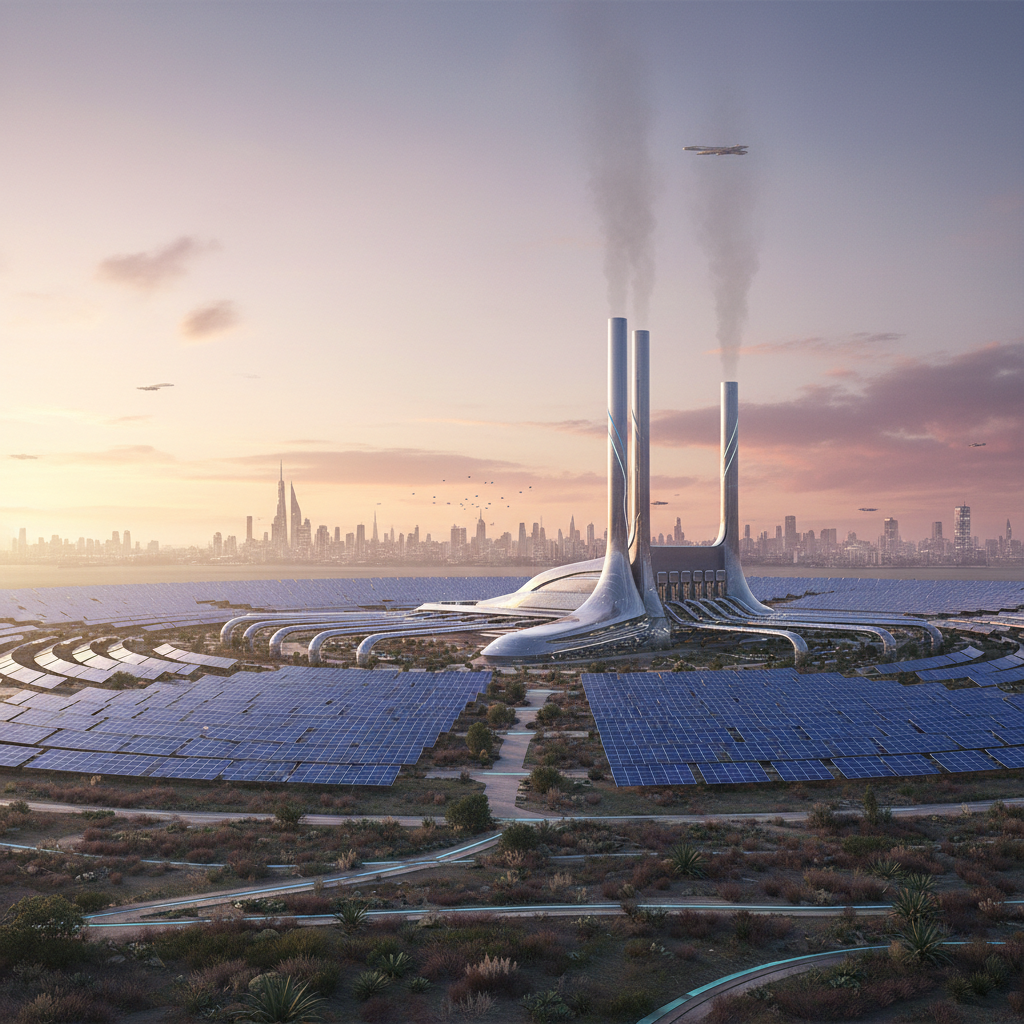
Technology is transforming waste management. 'Waste-to-Energy' plants convert non-recyclable trash into electricity or heat. AI-powered robots are revolutionizing sorting facilities by separating plastics with high precision. Furthermore, composting technologies are scaling up to handle organic waste efficiently.

Made byBobr AI

Call to Action

  • Reduce: Consciously purchase less packaging.
  • Reuse: Opt for reusable bags and bottles.
  • Recycle: Follow local sorting guidelines strictly.

Small changes in habit lead to massive global impact.

Made byBobr AI
Bobr AI

DESIGNER-MADE
PRESENTATION,
GENERATED FROM
YOUR PROMPT

Create your own professional slide deck with real images, data charts, and unique design in under a minute.

Generate For Free

Innovative Waste Management Strategies for Sustainability

Explore sustainable waste management strategies, including the waste hierarchy, recycling data, and the latest innovations like AI-sorting and waste-to-energy.

Sustainable Waste Management

Strategies for a Cleaner, Greener Future

What is Waste Management?

Waste management refers to the complete cycle of collecting, treating, and disposing of solid wastes. It encompasses the regulations, transport, processing, recycling, and disposal of waste materials. The primary goal is to minimize adverse effects on human health and the environment while recovering valuable resources.

The Global Waste Challenge

Rapid Urbanization: Cities generate over 2 billion tons of solid waste annually.

Plastic Pollution: Millions of tons of plastic enter the oceans every year, harming marine life.

Greenhouse Gases: Decomposing waste in landfills releases methane, a potent climate warmer.

Resource Scarcity: Burying recoverable materials accelerates the depletion of natural resources.

Global Waste Composition

The breakdown of global waste types highlights that nearly half of all waste is organic (food and green), followed by paper and plastic. Effective management requires addressing these specific categories.

The Waste Hierarchy

The waste hierarchy ranks waste management options according to what is best for the environment. The top priority is preventing waste in the first place. 1. Prevention (Most Preferred) 2. Preparing for Reuse 3. Recycling 4. Recovery (e.g., Waste-to-Energy) 5. Disposal (Least Preferred)

Landfills: A Hidden Danger

While landfills are the most common disposal method, they pose significant risks. Leachate (toxic liquid runoff) can contaminate groundwater supplies, while anaerobic decomposition releases large amounts of methane, a gas 28 times more potent than CO2 at trapping heat.

Types of Waste

Municipal Solid Waste (MSW): Everyday trash from homes and small businesses.

Industrial Waste: Byproducts from manufacturing, mining, and agriculture.

Hazardous Waste: Materials that are toxic, flammable, corrosive, or reactive.

E-Waste: Discarded electronics like phones, computers, and batteries (fastest growing category).

There is no such thing as "away". When we throw anything away, it must go somewhere.

Annie Leonard

Data: Time to Decompose

Understanding how long items persist in the environment emphasizes the need for recycling and reduction. Plastic bottles can last up to 450 years, while glass bottles may persist for millennia if not recycled.

Innovative Solutions

Technology is transforming waste management. 'Waste-to-Energy' plants convert non-recyclable trash into electricity or heat. AI-powered robots are revolutionizing sorting facilities by separating plastics with high precision. Furthermore, composting technologies are scaling up to handle organic waste efficiently.

Call to Action

Reduce: Consciously purchase less packaging and avoid single-use plastics.

Reuse: Opt for reusable bags, bottles, and containers to extend product life.

Recycle: Follow local guidelines strictly to ensure collected materials are actually processed.

Small changes in habit lead to massive global impact.

  • waste-management
  • sustainability
  • recycling
  • green-technology
  • circular-economy
  • environmental-science
  • zero-waste