







Made byBobr AI

CNC Machine Safety & SOP Guide for Shop Floors

Essential protocols for CNC machining, including setup, tool maintenance, program verification, and first article inspection (FAI) for quality control.

#cnc-machining#machine-shop-safety#sop#quality-inspection#manufacturing#5s-housekeeping#first-article-inspection
Watch
Pitch

Machine Shop SOPs

Essential Protocols for CNC Machining

Made byBobr AI

1. Before Starting the Machine

  • Clean machine thoroughly & remove all chips
  • Check oil, air, and coolant levels before power on
  • Run mandatory machine warm-up cycle
  • Wear appropriate PPE (Safety glasses, Safety shoes)
Made byBobr AI

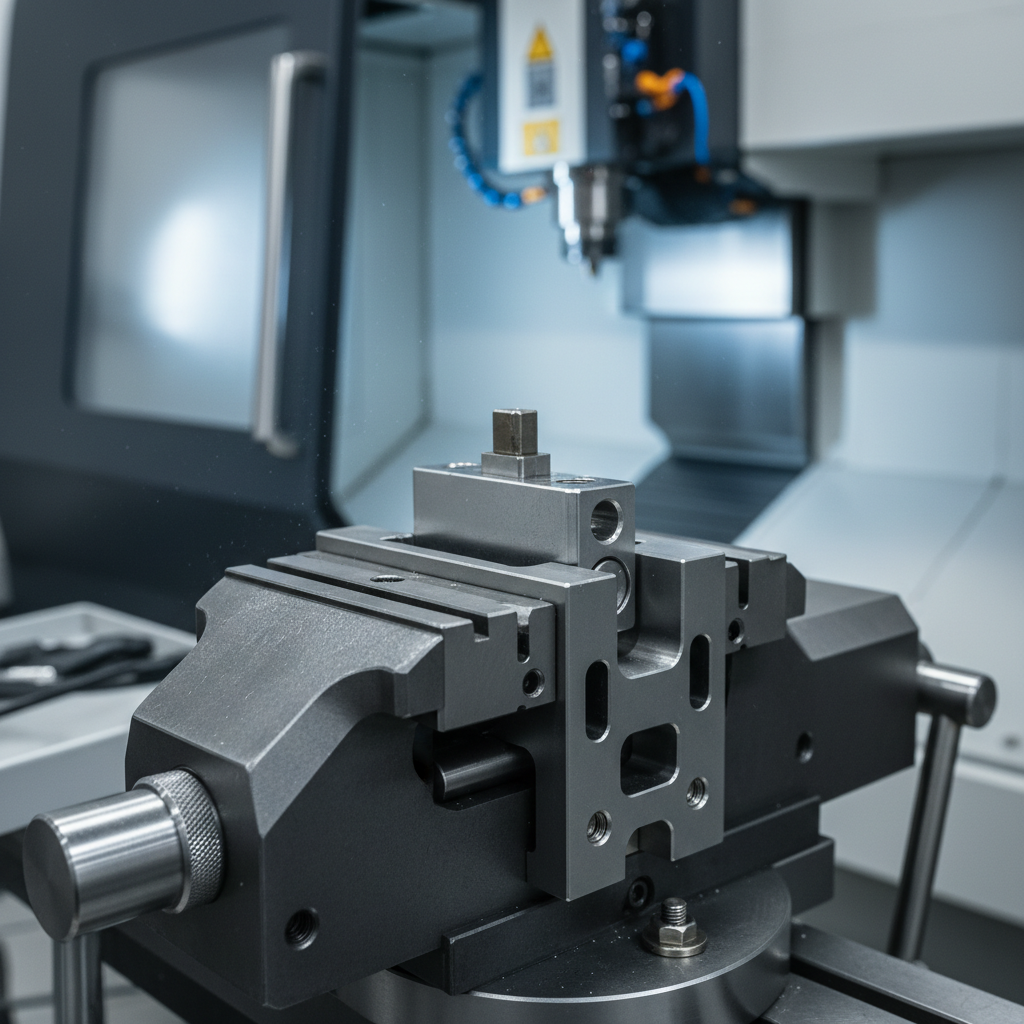
2. Setup & Clamping

Proper setup is the foundation of precision. Begin by cleaning the fixture and job surface to remove debris that could affect accuracy. Clamp the job tightly to secure it, but ensure it is not over-tightened to cause deformation. Always verify the job is seated properly against stops and set the correct work zero.

Made byBobr AI

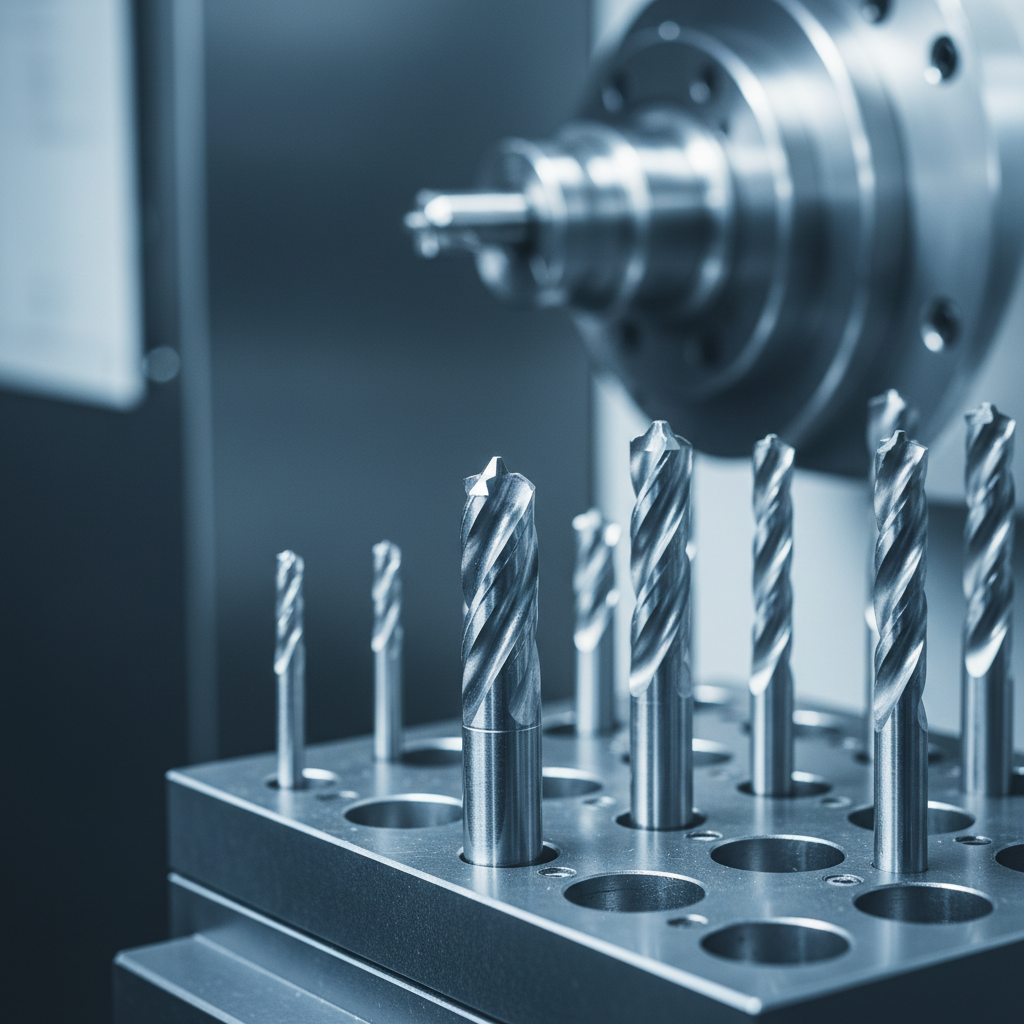
3. Tool Check & Maintenance

  • Verify the tool number matches the program
  • Inspect tools: must be sharp & undamaged
  • Confirm tool length offset is correct
  • ! Replace worn inserts or end mills immediately
Made byBobr AI

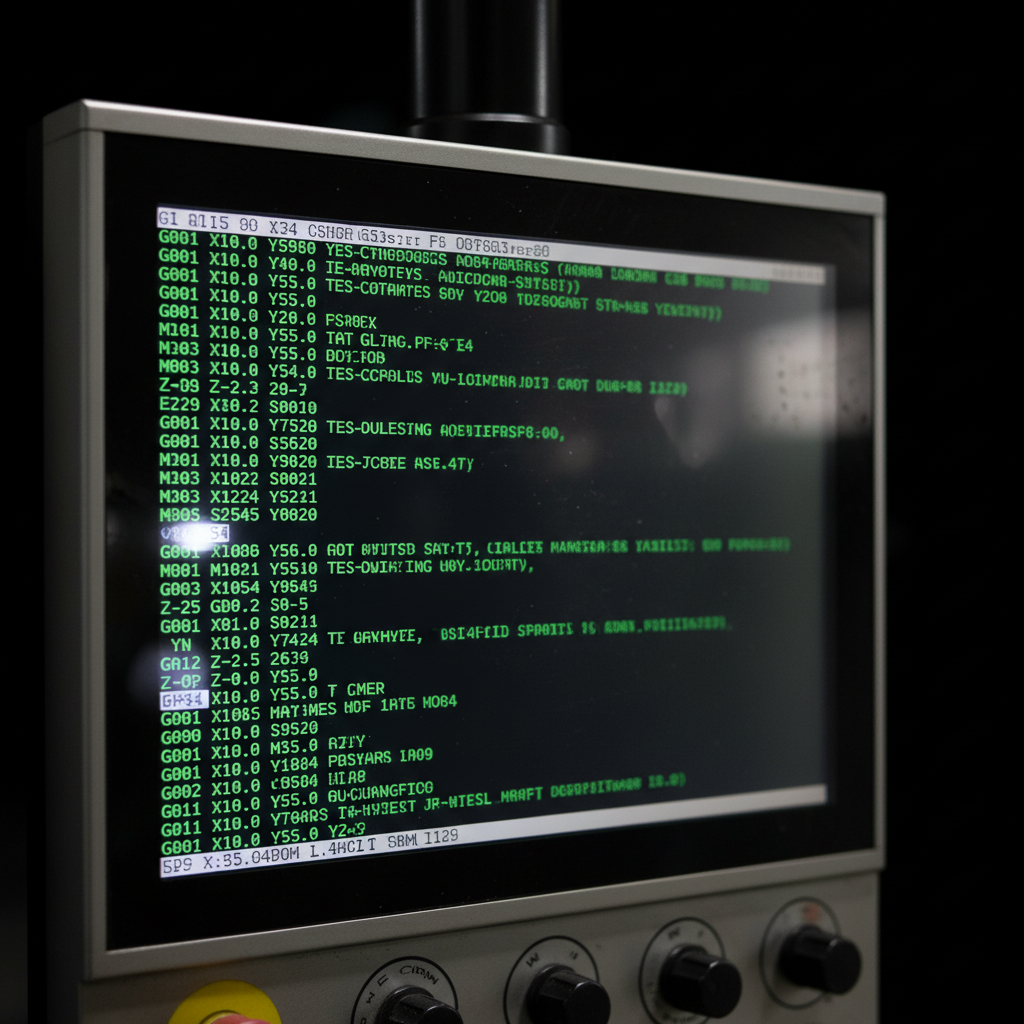
4. Program Verification

Before executing, ensure the correct program number and revision are loaded. Utilize 'Single Block' or 'Dry Run' modes for the initial pass to verify pathing safety. CRITICAL: Do NOT edit the program without explicit approval from a supervisor/engineer.

❌ NO UNAUTHORIZED EDITS

Made byBobr AI

Machine the first part carefully, send for inspection, and only start production after approval.

5. The First Part Rule

Made byBobr AI

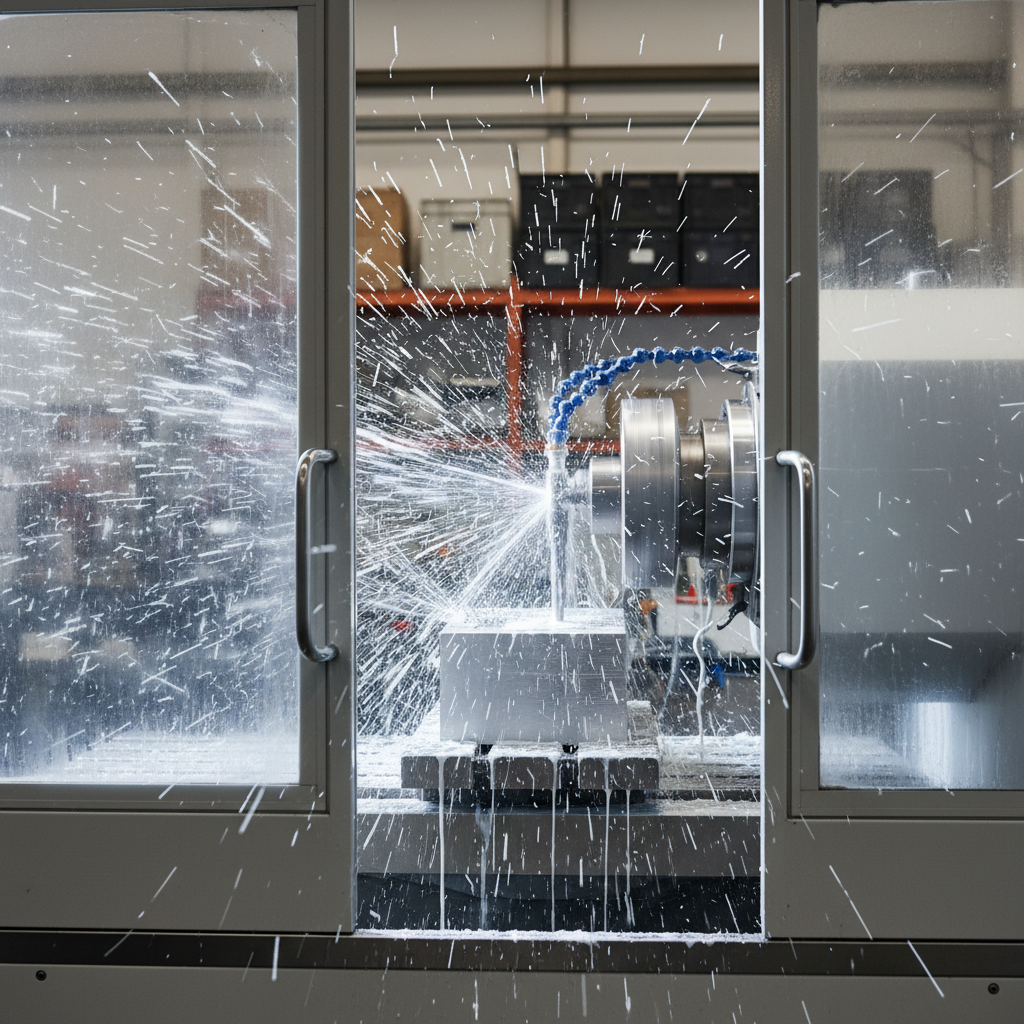
6. During Production

  • Check critical dimensions on a regular interval
  • Watch for abnormal sounds or excessive vibration
  • Inspect surface finish & check for burrs
  • STOP the machine immediately if a problem is found
Made byBobr AI

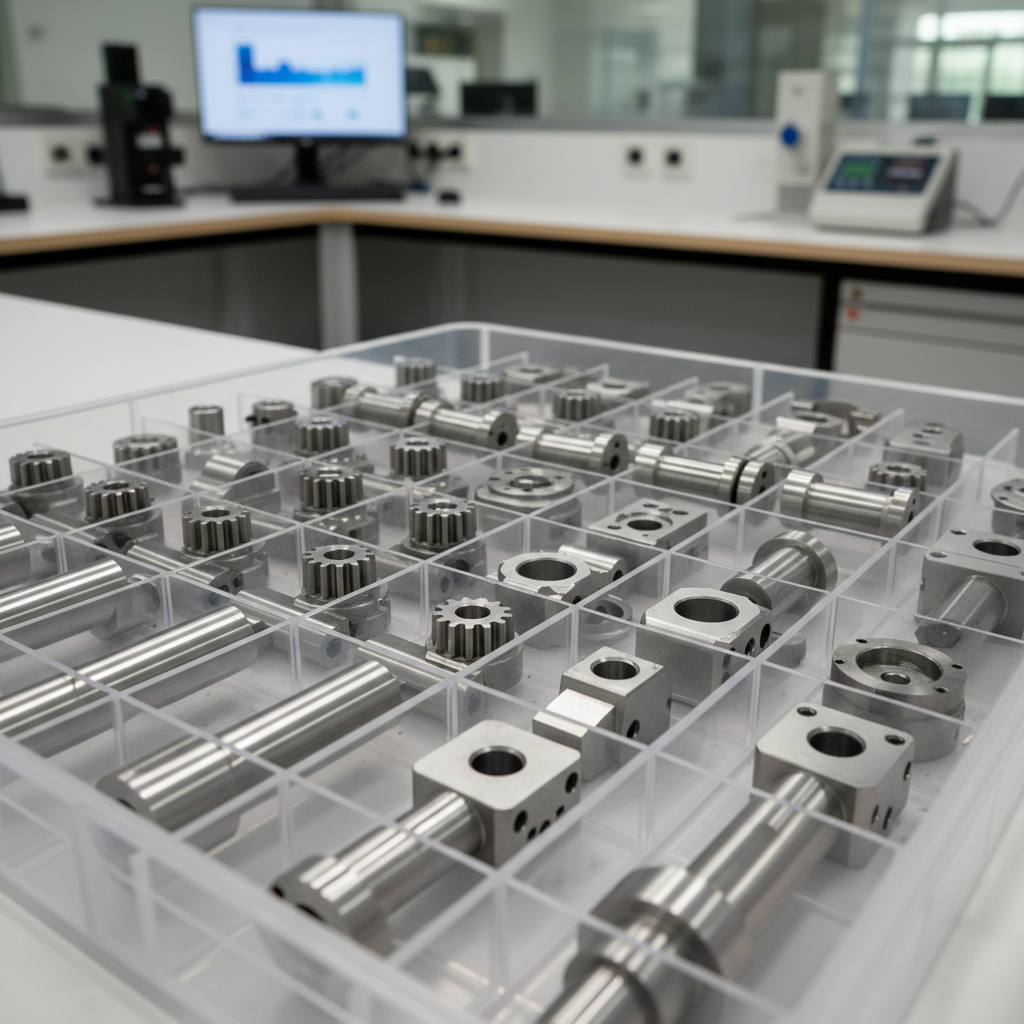
7 & 8. Finish & Handling

Remove all burrs and clean parts of chips and coolant. Handle every piece carefully using trays or separators to avoid damage to finished surfaces. Strictly segregate parts into OK, Rework, and Reject categories.

Made byBobr AI

9. Safety First

  • NEVER touch a rotating spindle
  • NEVER remove chips by hand - use proper tools
  • Stop machine completely before reaching inside
  • Stay alert and maintain safe distance
Made byBobr AI

10. Housekeeping (5S)

A clean shop is a safe shop. Keep the area around the machine clean. Store tools in their proper places immediately after use. Clean up spills instantly to prevent slips, and maintain clear walkways at all times.

Made byBobr AI

Inspector Guide: Purpose & FAI

1️⃣ PURPOSE

To ensure correct, consistent, and reliable inspection of CNC machined parts on the shop floor.

2️⃣ BEFORE INSPECTION

✔ Verify correct drawing & revision ✔ Check part number, batch & operation stage ✔ Ensure measuring instruments are calibrated ✔ Clean part and gauges before inspection ❌ Do not inspect dirty or damaged parts

3️⃣ FIRST ARTICLE INSPECTION (FAI)

✔ Inspect all dimensions on first part ✔ Check: Critical dimensions, Tolerances, Surface finish, Chamfers ✔ Record all results clearly ✔ Approve production only after conformity

Made byBobr AI

Inspector Guide: Process & Measurement

4️⃣ IN-PROCESS INSPECTION

✔ Inspect at defined frequency ✔ Focus on: Critical & safety dimensions, Tool wear effects, Dimensional drift ✔ Increase checking if variation is seen ❌ Never skip inspections to save time

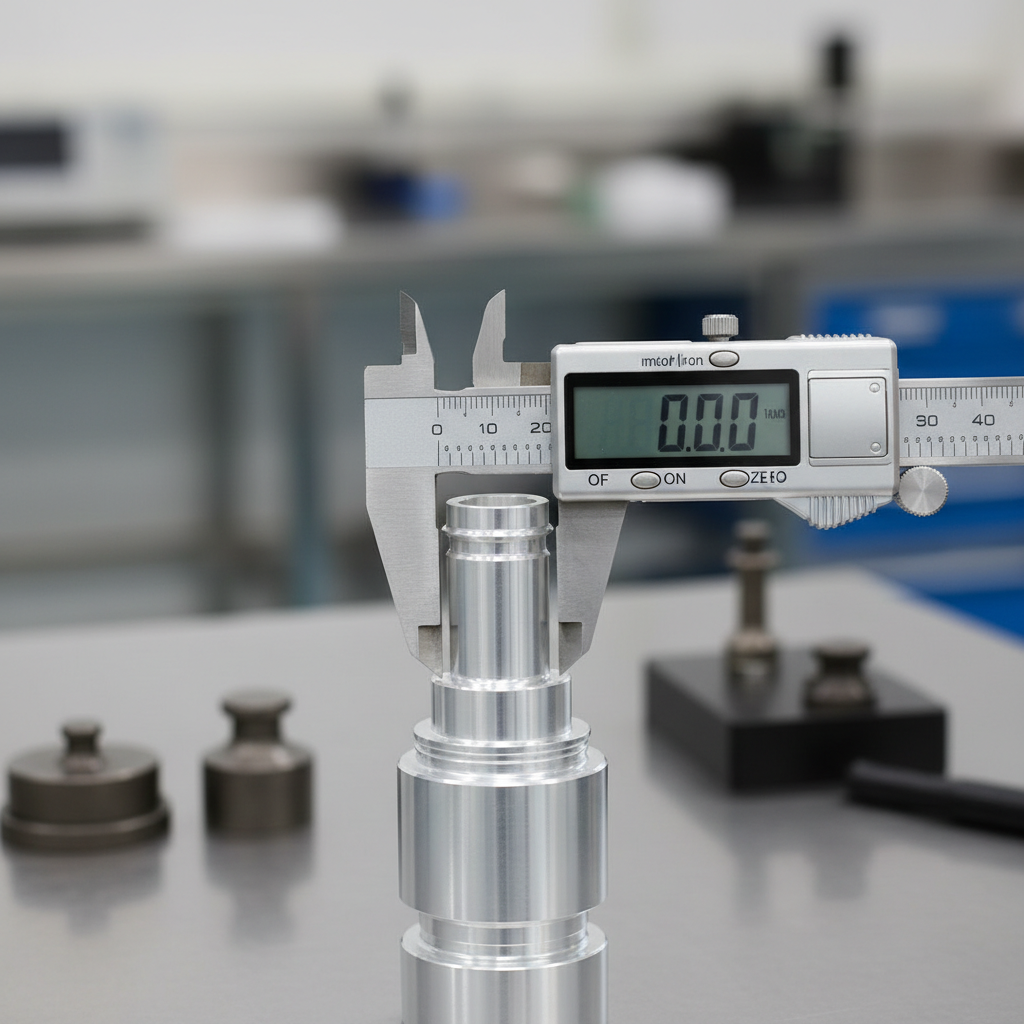
5️⃣ MEASUREMENT BEST PRACTICES

✔ Use correct gauge for each dimension ✔ Zero gauge before use ✔ Measure gently (no force) ✔ Take repeat measurements for accuracy ✔ Measure at room temperature where possible ❌ Do not use damaged or uncalibrated gauges

Made byBobr AI

Inspector Guide: Visual & Control

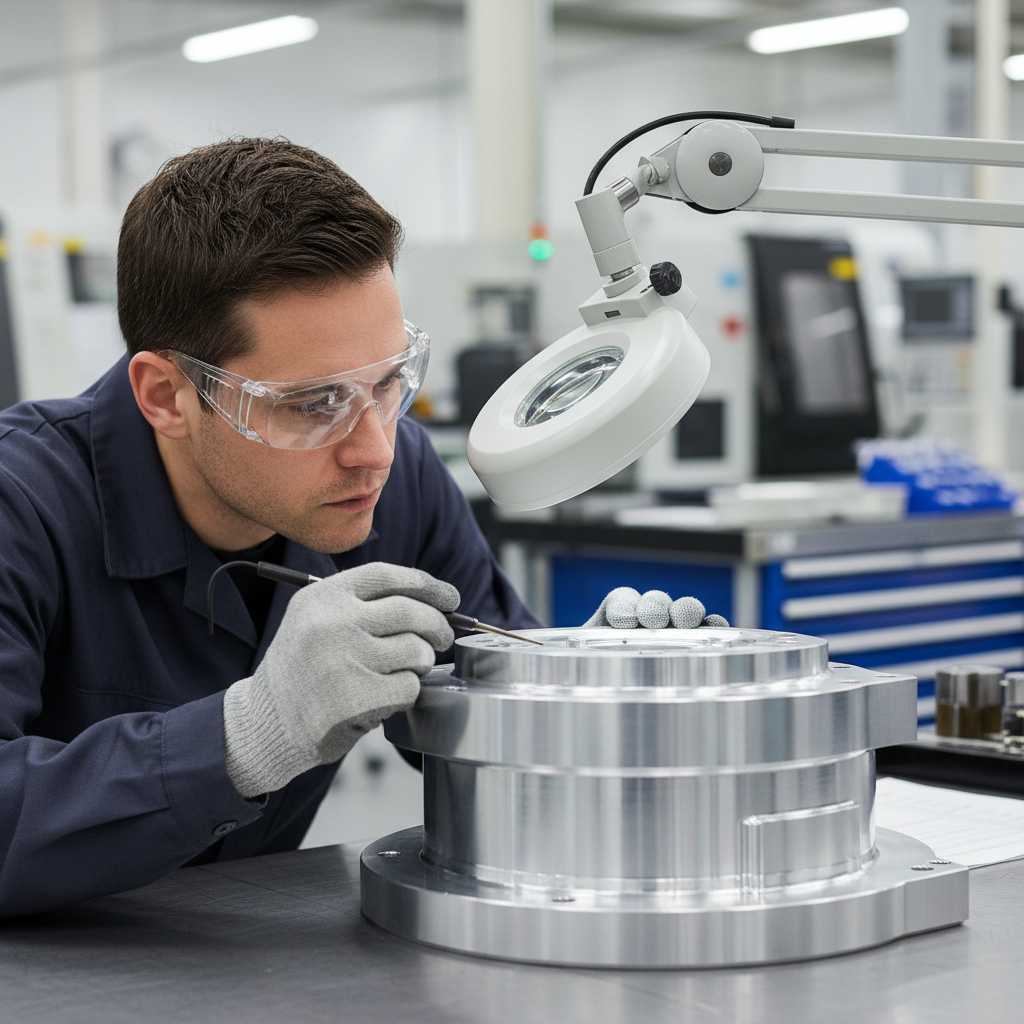
6️⃣ VISUAL & SURFACE CHECK

✔ Check for: Scratches, Dents, Tool marks, Burn marks ✔ Ensure uniform chamfers ✔ Confirm burr-free edges

7️⃣ GAUGE HANDLING & CARE

✔ Handle gauges carefully & store in proper location ✔ Do not drop or misuse instruments ✔ Clean and return gauges after use

8️⃣ NON-CONFORMING PART CONTROL

✔ Clearly identify rejected parts ✔ Segregate OK, Rework & Reject parts ✔ Inform supervisor immediately & record defect details ❌ Do not mix rejected parts with OK parts

Made byBobr AI

Inspector Guide: Admin & Ethics

9️⃣ DOCUMENTATION & RECORDS

✔ Fill inspection reports clearly with actual values ✔ Sign & date inspection records ✔ Maintain traceability by batch / shift

🔟 COMMUNICATION & TEAMWORK

✔ Communicate issues to Operator, Supervisor, or Quality Head ✔ Support root cause identification ✔ Participate in corrective actions

⚠️ QUALITY ETHICS

✔ Be impartial and honest ✔ Never approve doubtful parts ✔ Quality is not negotiable

Made byBobr AI

GOOD SETUP = GOOD QUALITY

Stop & Report if you encounter any issue.

Made byBobr AI
Bobr AI

DESIGNER-MADE
PRESENTATION,
GENERATED FROM
YOUR PROMPT

Create your own professional slide deck with real images, data charts, and unique design in under a minute.

Generate For Free

CNC Machine Safety & SOP Guide for Shop Floors

Essential protocols for CNC machining, including setup, tool maintenance, program verification, and first article inspection (FAI) for quality control.

Machine Shop SOPs

Essential Protocols for CNC Machining

1. Before Starting the Machine

Clean machine thoroughly & remove all chips

Check oil, air, and coolant levels before power on

Run mandatory machine warm-up cycle

Wear appropriate PPE (Safety glasses, Safety shoes)

2. Setup & Clamping

Proper setup is the foundation of precision. Begin by cleaning the fixture and job surface to remove debris that could affect accuracy. Clamp the job tightly to secure it, but ensure it is not over-tightened to cause deformation. Always verify the job is seated properly against stops and set the correct work zero.

3. Tool Check & Maintenance

Verify the tool number matches the program

Inspect tools: must be sharp & undamaged

Confirm tool length offset is correct

Replace worn inserts or end mills immediately

4. Program Verification

Before executing, ensure the correct program number and revision are loaded. Utilize 'Single Block' or 'Dry Run' modes for the initial pass to verify pathing safety. CRITICAL: Do NOT edit the program without explicit approval from a supervisor/engineer.

Machine the first part carefully, send for inspection, and only start production after approval.

5. The First Part Rule

6. During Production

Check critical dimensions on a regular interval

Watch for abnormal sounds or excessive vibration

Inspect surface finish & check for burrs

STOP the machine immediately if a problem is found

7 & 8. Finish & Handling

Remove all burrs and clean parts of chips and coolant. Handle every piece carefully using trays or separators to avoid damage to finished surfaces. Strictly segregate parts into OK, Rework, and Reject categories.

9. Safety First

NEVER touch a rotating spindle

NEVER remove chips by hand - use proper tools

Stop machine completely before reaching inside

Stay alert and maintain safe distance

10. Housekeeping (5S)

A clean shop is a safe shop. Keep the area around the machine clean. Store tools in their proper places immediately after use. Clean up spills instantly to prevent slips, and maintain clear walkways at all times.

Inspector Guide: Purpose & FAI

1️⃣ PURPOSE

To ensure correct, consistent, and reliable inspection of CNC machined parts on the shop floor.

2️⃣ BEFORE INSPECTION

✔ Verify correct drawing & revision ✔ Check part number, batch & operation stage ✔ Ensure measuring instruments are calibrated ✔ Clean part and gauges before inspection ❌ Do not inspect dirty or damaged parts

3️⃣ FIRST ARTICLE INSPECTION (FAI)

✔ Inspect all dimensions on first part ✔ Check: Critical dimensions, Tolerances, Surface finish, Chamfers ✔ Record all results clearly ✔ Approve production only after conformity

Inspector Guide: Process & Measurement

4️⃣ IN-PROCESS INSPECTION

✔ Inspect at defined frequency ✔ Focus on: Critical & safety dimensions, Tool wear effects, Dimensional drift ✔ Increase checking if variation is seen ❌ Never skip inspections to save time

5️⃣ MEASUREMENT BEST PRACTICES

✔ Use correct gauge for each dimension ✔ Zero gauge before use ✔ Measure gently (no force) ✔ Take repeat measurements for accuracy ✔ Measure at room temperature where possible ❌ Do not use damaged or uncalibrated gauges

Inspector Guide: Visual & Control

6️⃣ VISUAL & SURFACE CHECK

✔ Check for: Scratches, Dents, Tool marks, Burn marks ✔ Ensure uniform chamfers ✔ Confirm burr-free edges

7️⃣ GAUGE HANDLING & CARE

✔ Handle gauges carefully & store in proper location ✔ Do not drop or misuse instruments ✔ Clean and return gauges after use

8️⃣ NON-CONFORMING PART CONTROL

✔ Clearly identify rejected parts ✔ Segregate OK, Rework & Reject parts ✔ Inform supervisor immediately & record defect details ❌ Do not mix rejected parts with OK parts

Inspector Guide: Admin & Ethics

9️⃣ DOCUMENTATION & RECORDS

✔ Fill inspection reports clearly with actual values ✔ Sign & date inspection records ✔ Maintain traceability by batch / shift

🔟 COMMUNICATION & TEAMWORK

✔ Communicate issues to Operator, Supervisor, or Quality Head ✔ Support root cause identification ✔ Participate in corrective actions

⚠️ QUALITY ETHICS

✔ Be impartial and honest ✔ Never approve doubtful parts ✔ Quality is not negotiable

GOOD SETUP = GOOD QUALITY

Stop & Report if you encounter any issue.

  • cnc-machining
  • machine-shop-safety
  • sop
  • quality-inspection
  • manufacturing
  • 5s-housekeeping
  • first-article-inspection