
Made byBobr AI

Artistic Legacy of Satish Gujral: Painter & Architect

Explore the life and work of Satish Gujral, from his Partition-inspired paintings to the Belgian Embassy's architecture and his master murals.

#satish gujral#indian art history#modern indian artists#muralism#belgian embassy delhi#architecture#contemporary sculpture
Watch
Pitch

Satish Gujral

Painter, Sculptor, Muralist, Architect (1925–2020)

Made byBobr AI

Early Life & Silence

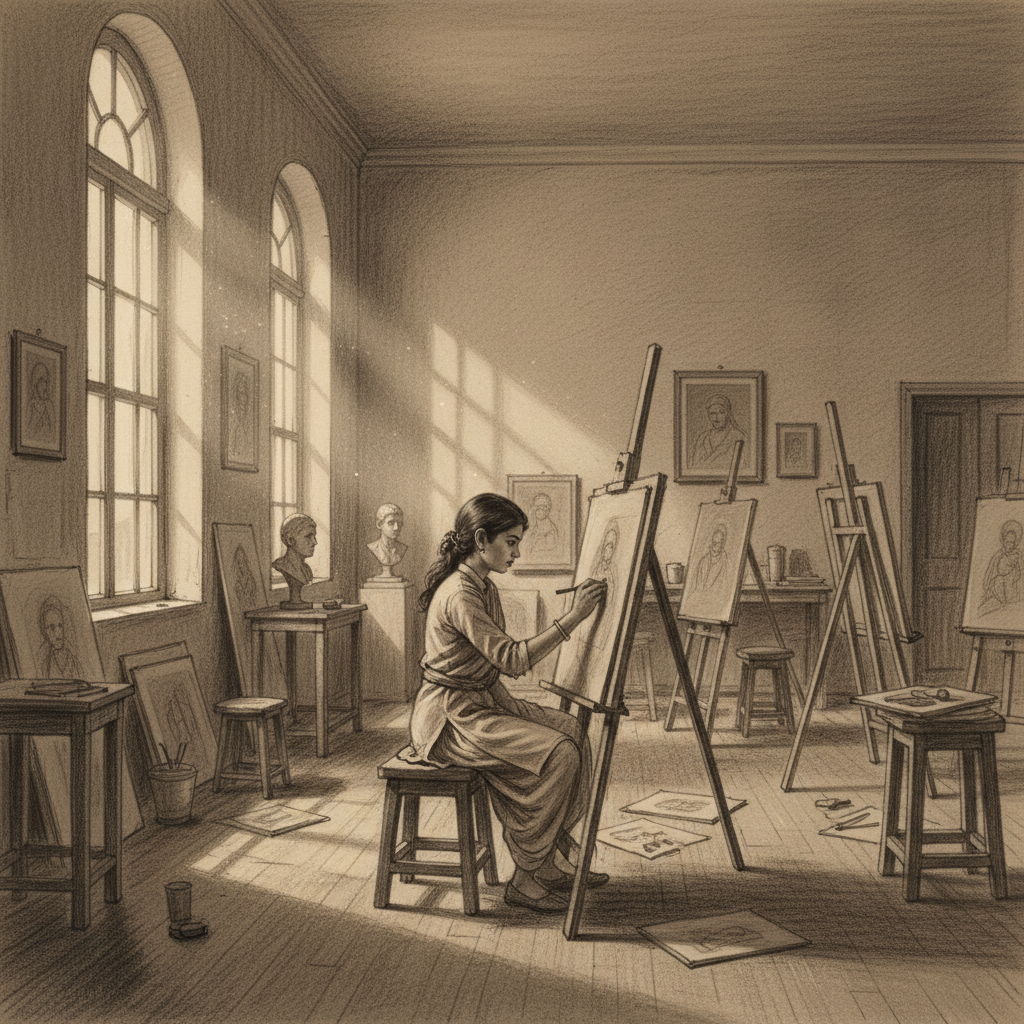
Born in 1925 in Jhelum (pre-Partition Punjab), Satish Gujral faced a life-altering accident at age eight that resulted in the loss of his hearing and impaired speech. Despite these challenges, his parents encouraged his artistic expression. He enrolled at the Mayo School of Art in Lahore (1939) and later the Sir J.J. School of Art in Bombay, laying the technical foundation for his multidisciplinary career.

Made byBobr AI
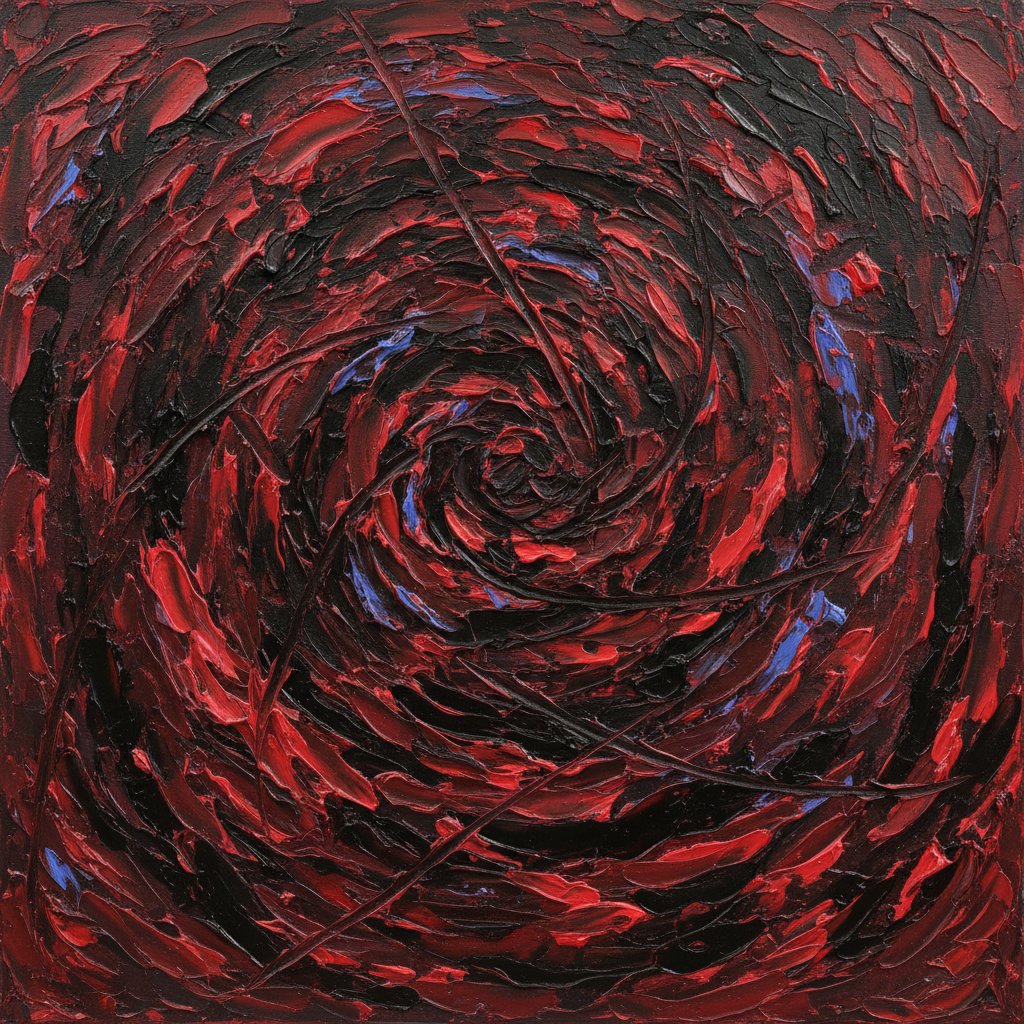
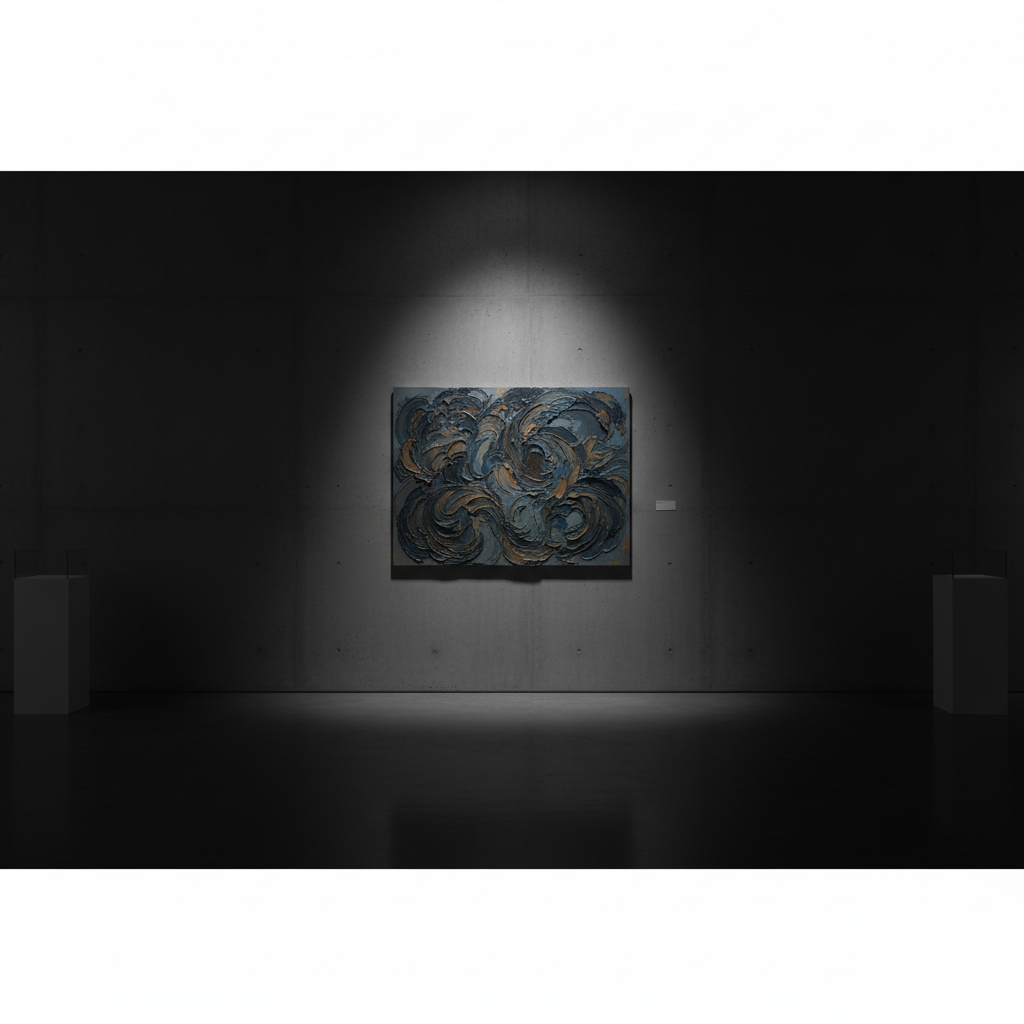
“I painted man’s cruelty to man.”
— Satish Gujral (On the Partition of India)
Made byBobr AI

The Mexican Influence (1952)

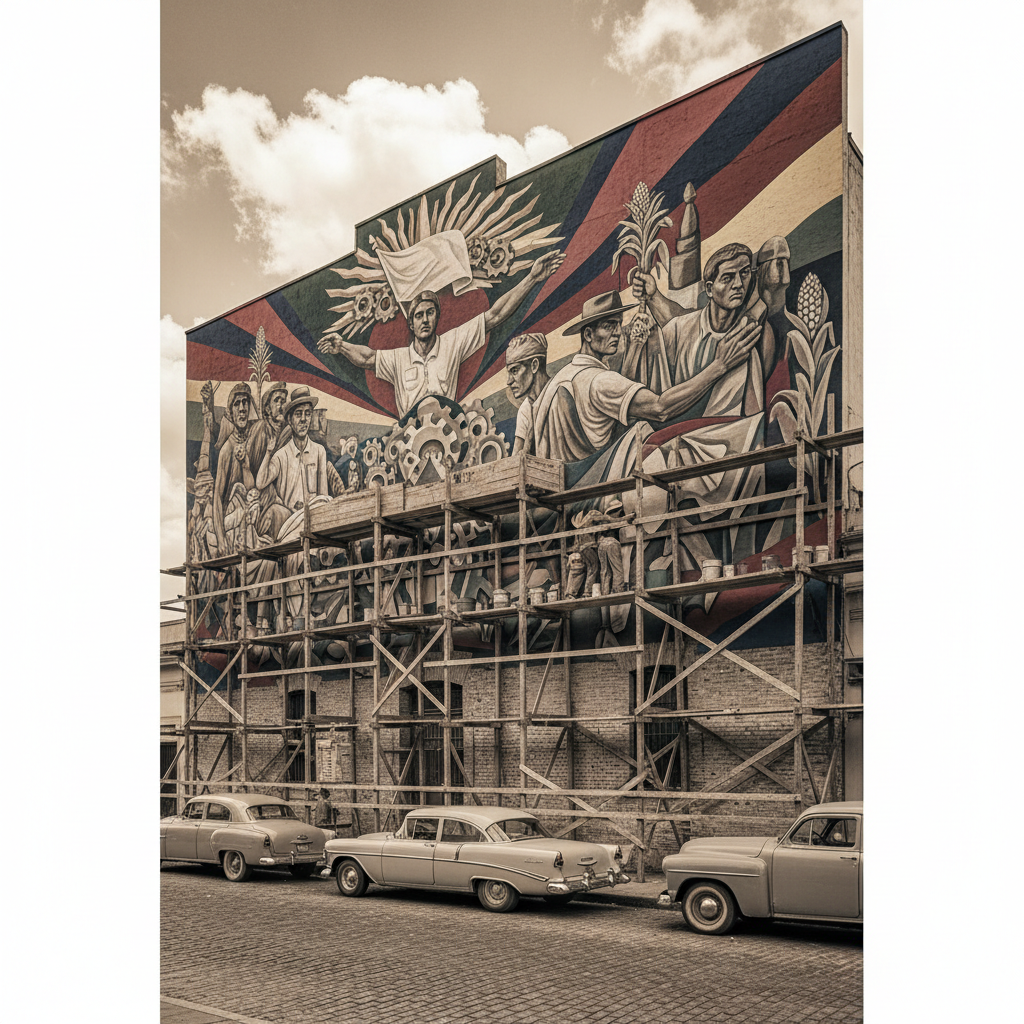
In 1952, a scholarship took Gujral to Mexico, a pivotal turning point in his artistic journey. He apprenticed under legendary muralists Diego Rivera and David Alfaro Siqueiros. This period shifted his focus from easel painting to large-scale public art, believing art should serve as a vehicle for social change and historical documentation.

Made byBobr AI

Master of Murals

  • Apprenticed under Diego Rivera, he introduced muralism to the Indian art scene.
  • First major mural created at Gandhi Bhawan, Chandigarh (1958).
  • Renowned works include the World Trade Fair (New York, 1963) and Delhi High Court (1975).
  • Innovative use of diverse materials: ceramic tiles, machined steel, and terracotta.
Made byBobr AI

Approximate Duration of Artistic Phases

Satish Gujral constantly evolved his medium. While he began with painting fueled by Partition trauma, his career spanned decades of experimentation, dedicating significant periods to muralism and later, architecture and sculpture.

Chart
Made byBobr AI

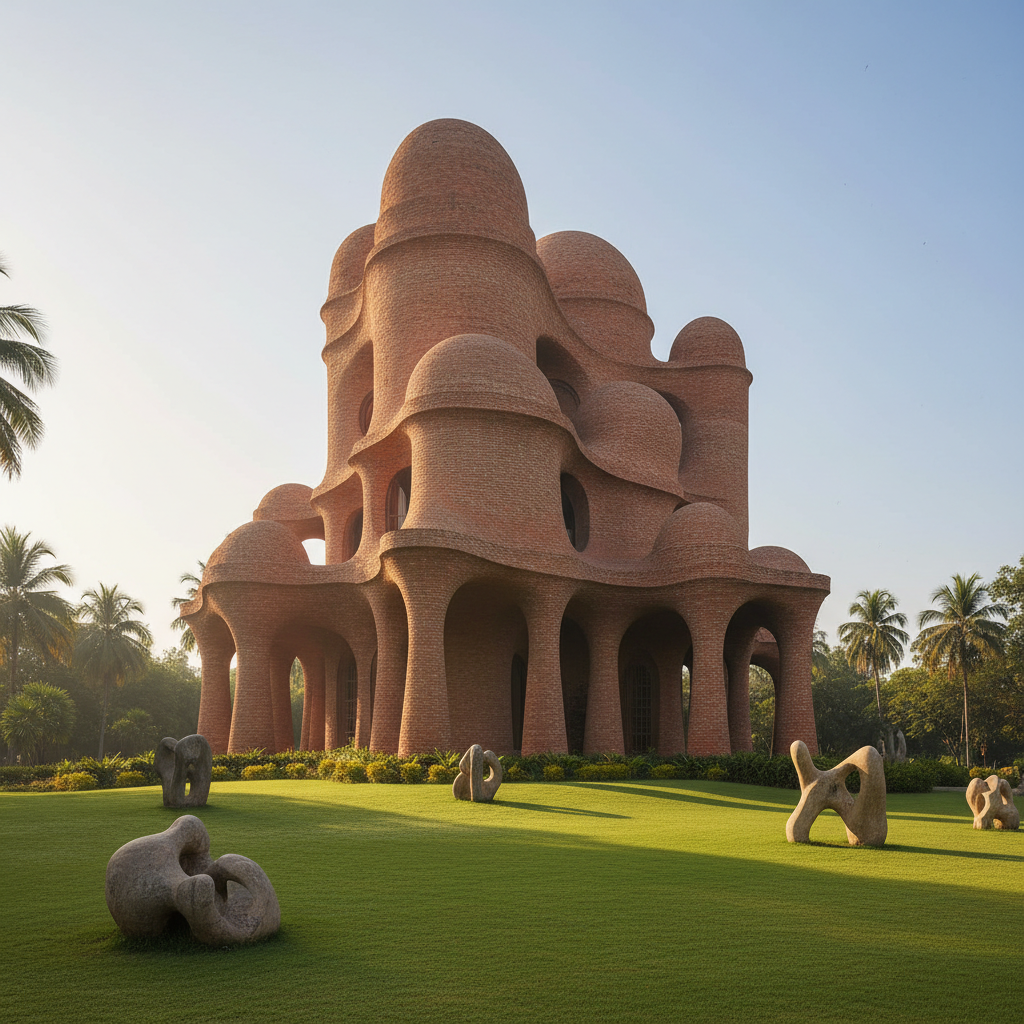
Architectural Marvel: The Belgian Embassy

In the 1980s, Gujral designed the Belgian Embassy in New Delhi, hailed as a 20th-century masterpiece. Despite having no formal training in architecture, his sculptural approach created a unique structure featuring exposed brick, domes, and seamless integration with the landscape. This achievement earned him global acclaim and an architecture license.

Made byBobr AI

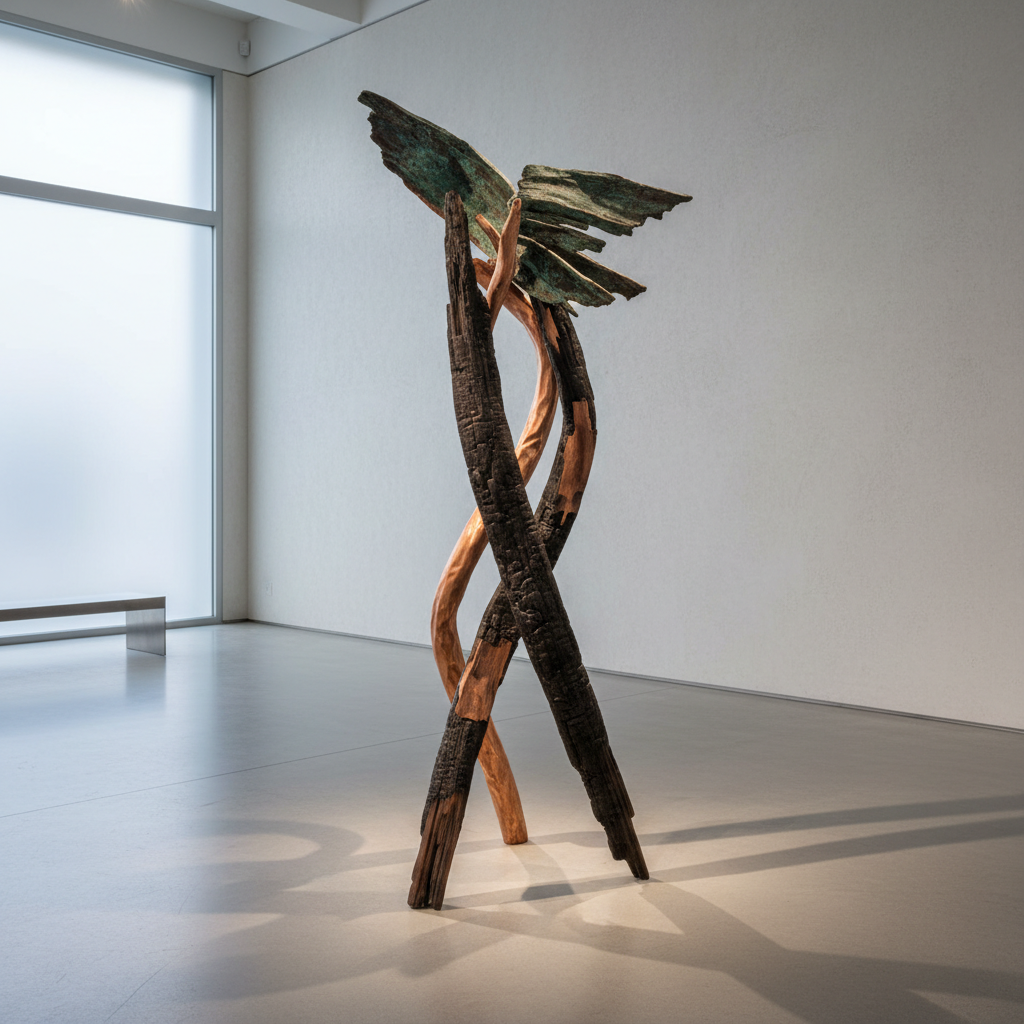
Sculptural Experiments

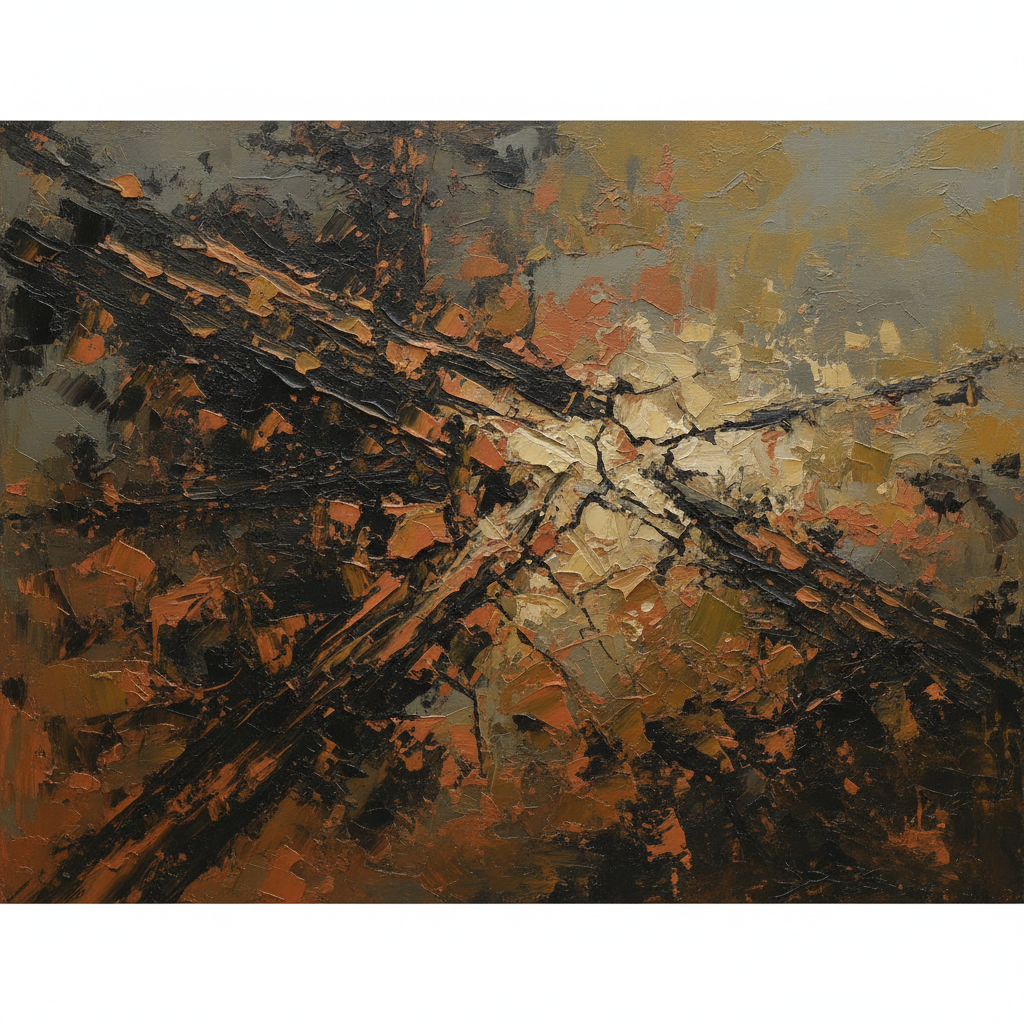
Gujral's sculptural work was defined by his bold use of unconventional materials. He worked with burnt wood, charred to create texture and depth, as well as machined steel, copper, and fiberglass. His sculptures often echoed the melancholy and violence of his earlier paintings but expressed through industrial and organic three-dimensional forms.

Made byBobr AI

Later Life & Recognition

Regained hearing through surgery in 1998, altering his perception and artistic career late in life.

Published his autobiography 'A Brush With Life' in 1997.

Honored with the Padma Vibhushan (1999), India's second-highest civilian award.

Major retrospectives held at the National Gallery of Modern Art (2006, 2016).

Made byBobr AI

A Legacy of Resilience

1925 – 2020

Made byBobr AI
Bobr AI

DESIGNER-MADE
PRESENTATION,
GENERATED FROM
YOUR PROMPT

Create your own professional slide deck with real images, data charts, and unique design in under a minute.

Generate For Free

Artistic Legacy of Satish Gujral: Painter & Architect

Explore the life and work of Satish Gujral, from his Partition-inspired paintings to the Belgian Embassy's architecture and his master murals.

Satish Gujral

Painter, Sculptor, Muralist, Architect (1925–2020)

Early Life & Silence

Born in 1925 in Jhelum (pre-Partition Punjab), Satish Gujral faced a life-altering accident at age eight that resulted in the loss of his hearing and impaired speech. Despite these challenges, his parents encouraged his artistic expression. He enrolled at the Mayo School of Art in Lahore (1939) and later the Sir J.J. School of Art in Bombay, laying the technical foundation for his multidisciplinary career.

I painted man’s cruelty to man.

Satish Gujral (On the Partition of India)

The Mexican Influence (1952)

In 1952, a scholarship took Gujral to Mexico, a pivotal turning point in his artistic journey. He apprenticed under legendary muralists Diego Rivera and David Alfaro Siqueiros. This period shifted his focus from easel painting to large-scale public art, believing art should serve as a vehicle for social change and historical documentation.

Master of Murals

Apprenticed under Diego Rivera, he introduced muralism to the Indian art scene.

First major mural created at Gandhi Bhawan, Chandigarh (1958).

Renowned works include the World Trade Fair (New York, 1963) and Delhi High Court (1975).

Innovative use of diverse materials: ceramic tiles, machined steel, and terracotta.

Approximate Duration of Artistic Phases

Satish Gujral constantly evolved his medium. While he began with painting fueled by Partition trauma, his career spanned decades of experimentation, dedicating significant periods to muralism and later, architecture and sculpture.

Architectural Marvel: The Belgian Embassy

In the 1980s, Gujral designed the Belgian Embassy in New Delhi, hailed as a 20th-century masterpiece. Despite having no formal training in architecture, his sculptural approach created a unique structure featuring exposed brick, domes, and seamless integration with the landscape. This achievement earned him global acclaim and an architecture license.

Sculptural Experiments

Gujral's sculptural work was defined by his bold use of unconventional materials. He worked with burnt wood, charred to create texture and depth, as well as machined steel, copper, and fiberglass. His sculptures often echoed the melancholy and violence of his earlier paintings but expressed through industrial and organic three-dimensional forms.

Later Life & Recognition

Regained hearing through surgery in 1998, altering his perception and artistic career late in life.

Published his autobiography 'A Brush With Life' in 1997.

Honored with the Padma Vibhushan (1999), India's second-highest civilian award.

Major retrospectives held at the National Gallery of Modern Art (2006, 2016).

A Legacy of Resilience

1925 – 2020

  • satish gujral
  • indian art history
  • modern indian artists
  • muralism
  • belgian embassy delhi
  • architecture
  • contemporary sculpture