



Made byBobr AI

Nazism and the Rise of Hitler: Class 9 History Summary

Explore the rise of Hitler, the Weimar Republic, and the Treaty of Versailles. A comprehensive Class 9 History Chapter 3 study guide in 14 slides.

#class-9-history#nazism#hitler-rise-to-power#weimar-republic#world-war-history#holocaust-education#treaty-of-versailles
Watch
Pitch
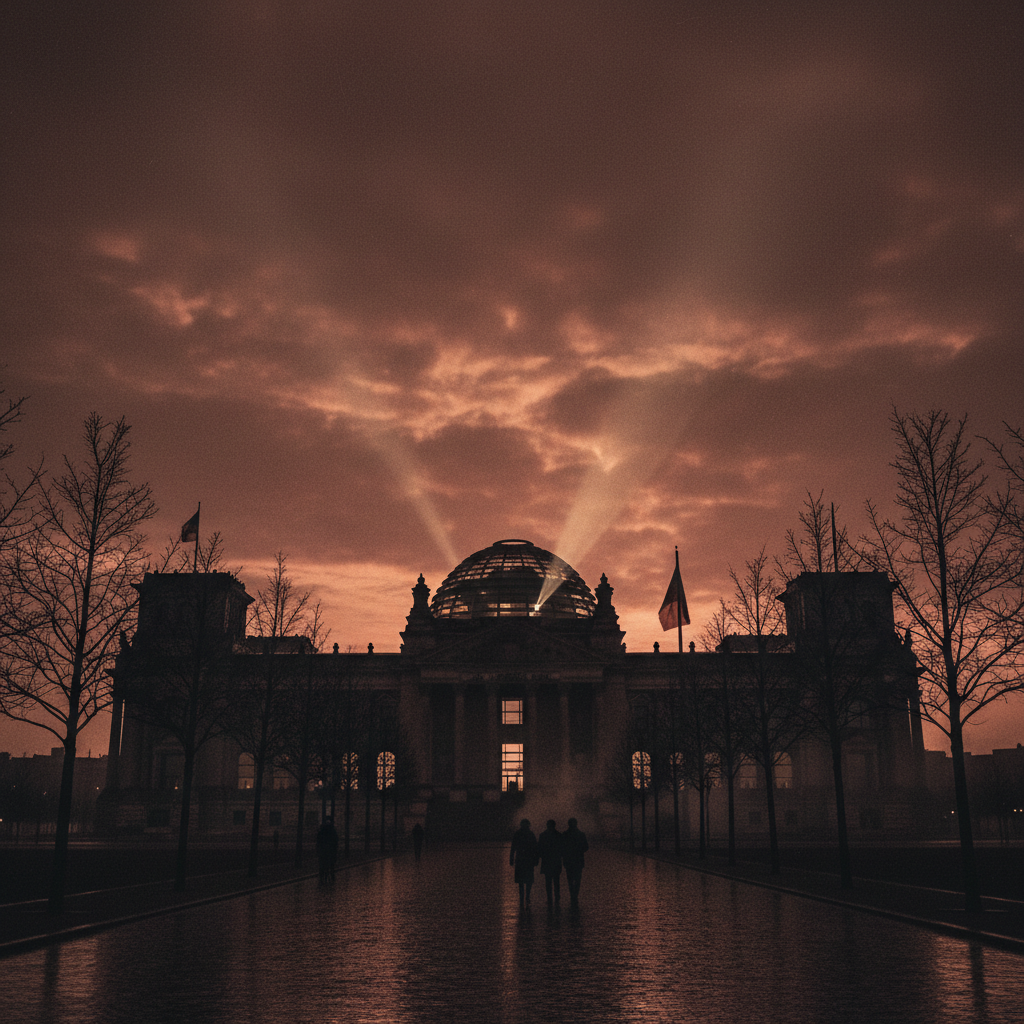
Dark cinematic lighting, silhouette of the Reichstag building in the 1930s, vintage atmosphere, historical documentary style, dark red and sepia tones

Nazism and the Rise of Hitler

Class 9 History • Chapter 3

Made byBobr AI

Birth of the Weimar Republic

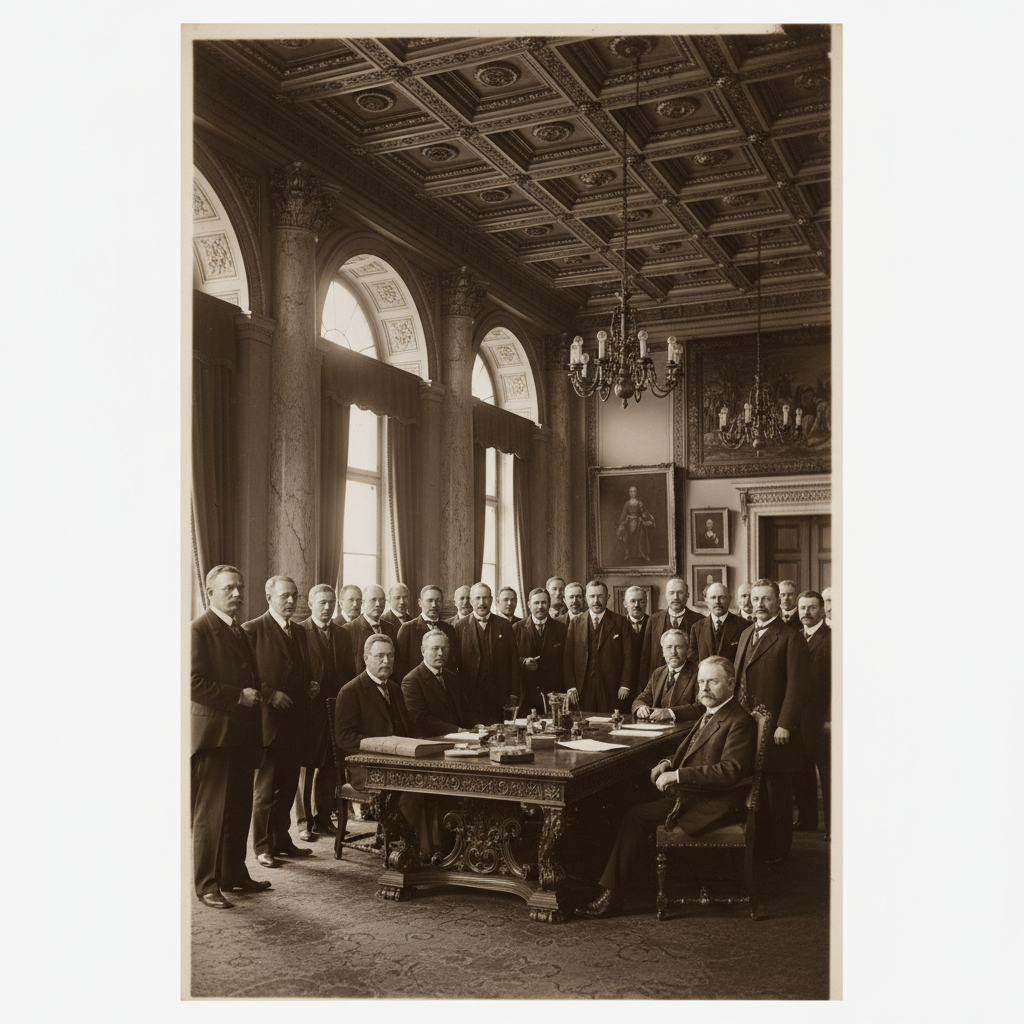
After Germany's defeat in World War I and the abdication of the Emperor, a National Assembly met at Weimar to establish a democratic constitution with a federal structure.

Group of politicians in 1920s attire meeting in a grand German hall, vintage photography style, sepia tone, solemn atmosphere
Made byBobr AI

The Treaty of Versailles (1919)

  • Germany lost its overseas colonies and 13% of its territories.
  • Lost 75% of its iron and 26% of its coal to France, Poland, Denmark, and Lithuania.
  • The Allied Powers demilitarized Germany to weaken its power.
  • The War Guilt Clause held Germany responsible, forcing payment of £6 billion in compensation.
Made byBobr AI

Hyperinflation (1923)

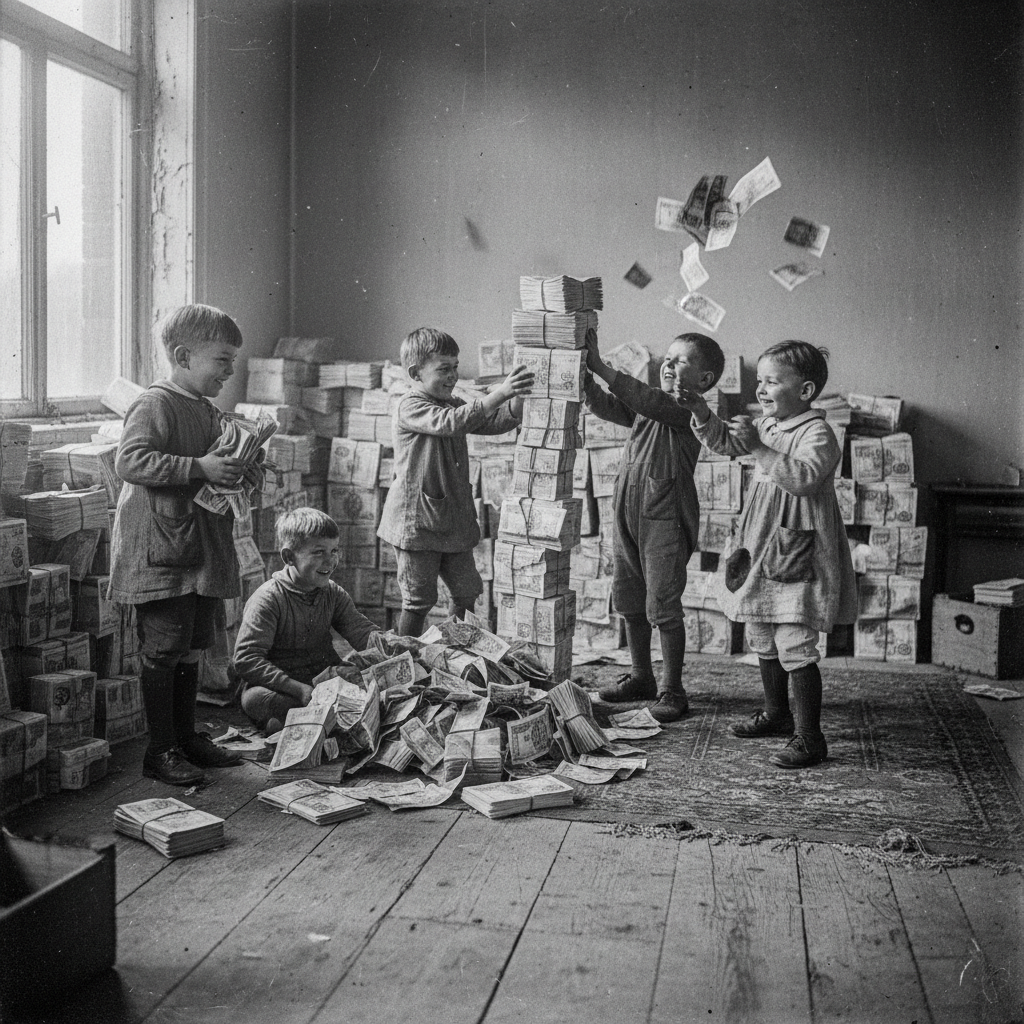
When Germany refused to pay reparations, France occupied the Ruhr. Germany retaliated by printing paper currency recklessly. With too much money in circulation, the value of the German Mark collapsed. Prices of goods soared astronomically, creating a crisis known as Hyperinflation.

Black and white photo of children playing with stacks of German Mark banknotes as if they were blocks, historical 1923 reconstruction
Made byBobr AI

The Great Depression (1929-1932)

The German economy was dependent on short-term loans from the USA. When the Wall Street Exchange crashed in 1929, these loans were withdrawn. Industrial production fell by 40%, and unemployment hit unprecedented levels.
Chart
Made byBobr AI

Hitler's Rise to Power

Born in Austria (1889), Hitler joined the army during WWI. Furious at the German defeat and the Versailles Treaty, he joined the German Workers' Party in 1919, eventually renaming it the National Socialist German Workers' Party (Nazi Party).

He was a powerful orator. He promised to build a strong nation, undo the injustice of the Versailles Treaty, and restore the dignity of the German people.
By 1932, the Nazi Party had become the largest party in the Reichstag with 37% of votes.
Made byBobr AI

Destruction of Democracy

January 30, 1933: President Hindenburg offers the Chancellorship to Hitler.
The Fire Decree (Feb 1933): Suspended civic rights like freedom of speech, press, and assembly following the Reichstag Fire.
The Enabling Act (March 1933): Established dictatorship. Hitler could sideline Parliament and rule by decree.
All political parties and trade unions were banned except for the Nazi Party.
Made byBobr AI
Abstract dark background featuring a stylized biological ladder or helix, muted colors, scientific but ominous mood

“According to Nazi ideology, there was no equality between people, but only a racial hierarchy.”

Social Darwinism & Racial Science

Made byBobr AI
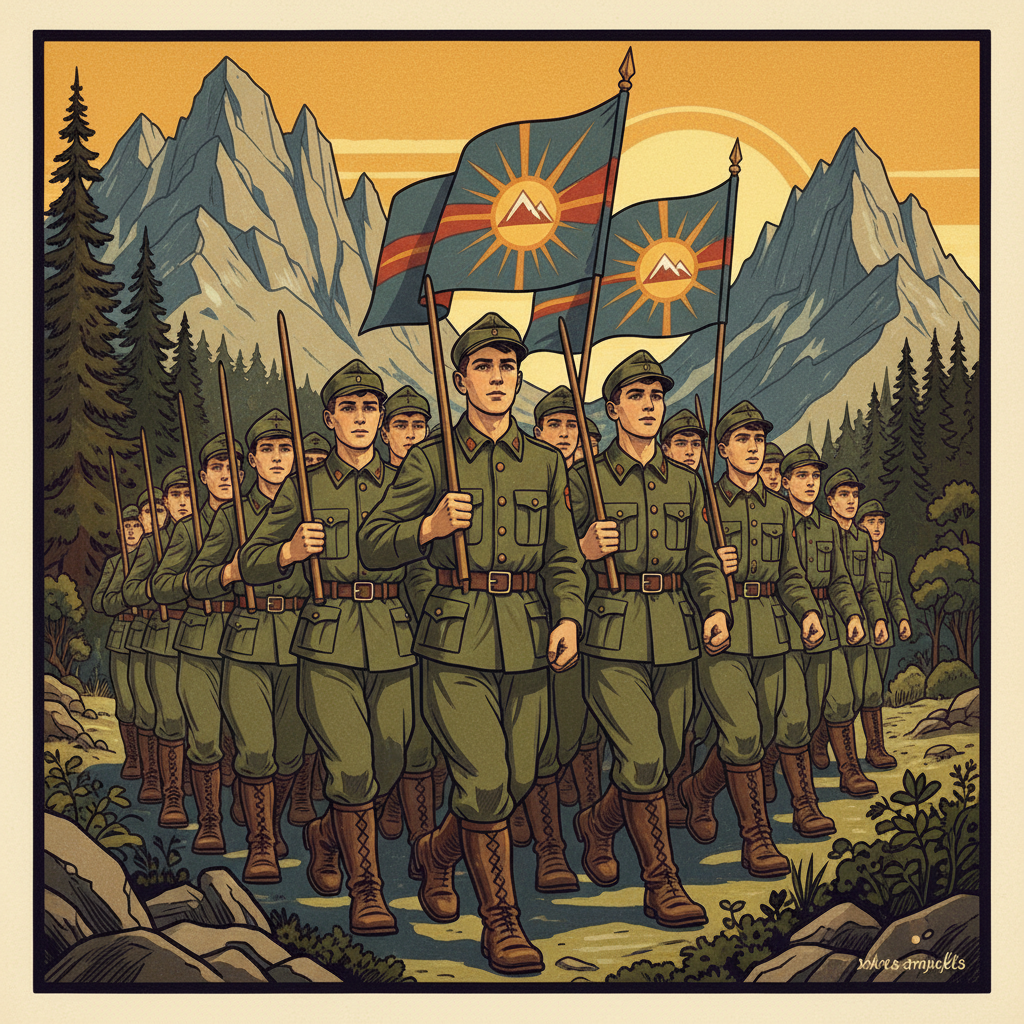
Group of 1930s teenage boys in uniforms hiking in nature, disciplined formation, carrying flags, vintage aesthetic, propaganda poster style

Youth in Nazi Germany

Hitler felt a strong Nazi society could only be established by teaching children Nazi ideology. Schools were 'cleansed'.

At 10, boys entered 'Jungvolk'. At 14, they joined the 'Hitler Youth', where they learnt to worship war, glorify aggression, and hate Jews. After 18, they joined the Labour Service.

Made byBobr AI

The Nazi Cult of Motherhood

Women were taught to be good mothers and rear pure-blooded Aryan children.
Girls had to maintain the purity of the race and distance themselves from Jews.
Incentives: Concessions in railway fares, theater tickets, and hospital bills for mothers with many children.
The 'Honour Cross of the German Mother' was awarded: Bronze for 4, Silver for 6, and Gold for 8 or more children.
Made byBobr AI

Art of Propaganda

The Nazi regime used language and media carefully to win support. Terms like 'Final Solution', 'Special Treatment', and 'Evacuation' masked the reality of mass killing. Posters, radio, cinema, and catchy slogans were used to spread hatred against 'enemies' of Germany.

Old vintage radio microphone and paper posters on a wall, 1930s style, dramatic lighting falling on the microphone, concept of mass communication
Made byBobr AI
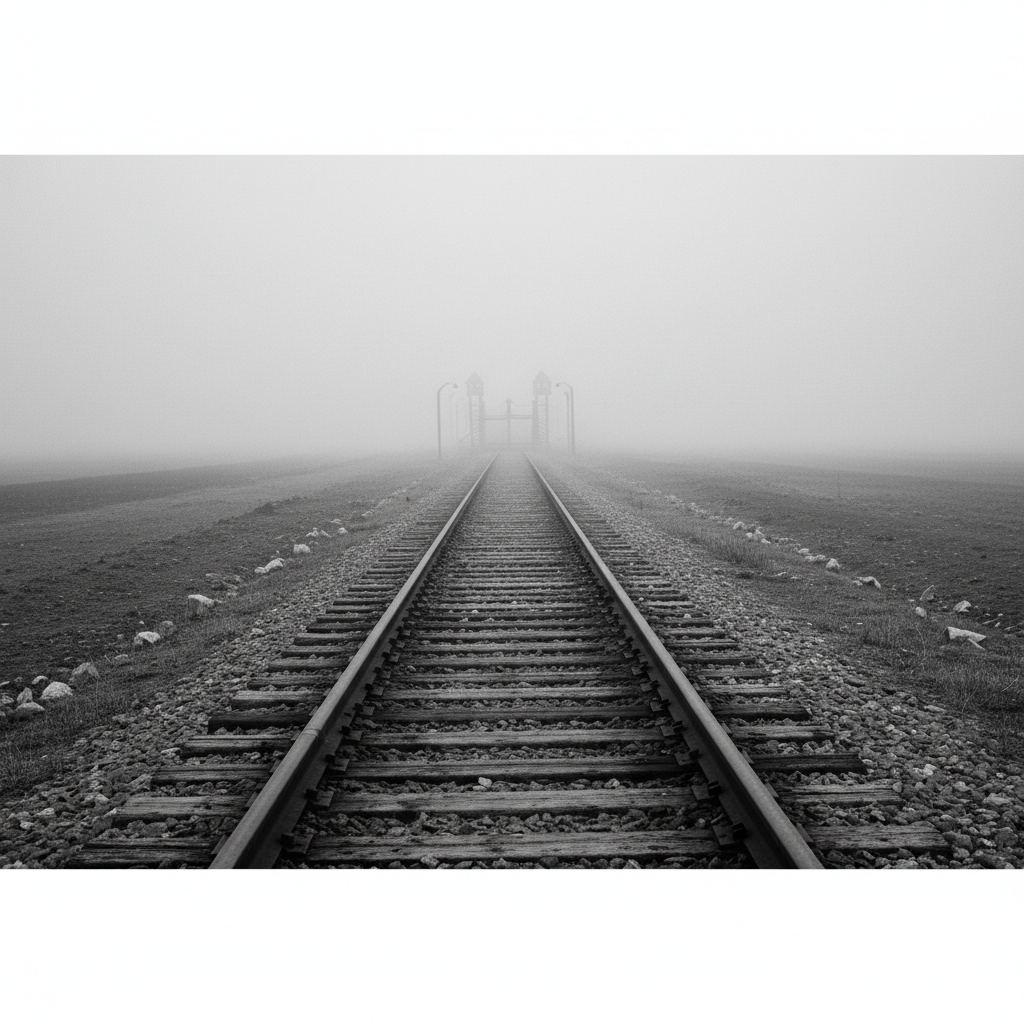
A solitary railway track leading into a fog towards a distant gate, black and white photography, somber, respectful, historical concept of concentration camps

The Holocaust

Millions of Jews, Gypsies, and political dissidents were systematically murdered in gas chambers. This industrial-scale genocide had no precedent in history.

Made byBobr AI
Minimalist dark background, texture of a rough stone wall, single ray of light

First they came for the Communists, and I did not speak out because I was not a Communist... Then they came for the Jews, and I did not speak out because I was not a Jew... Then they came for me—and there was no one left to speak for me.

— Pastor Martin Niemöller

Made byBobr AI
Ruins of a stone building with a small green plant growing from the cracks, symbolizing hope after destruction, cinematic lighting

Conclusion & Legacy

The history of Nazism serves as a grim warning about the fragility of democracy, the dangers of hatred, and the importance of individual responsibility.
Made byBobr AI
Bobr AI

DESIGNER-MADE
PRESENTATION,
GENERATED FROM
YOUR PROMPT

Create your own professional slide deck with real images, data charts, and unique design in under a minute.

Generate For Free

Nazism and the Rise of Hitler: Class 9 History Summary

Explore the rise of Hitler, the Weimar Republic, and the Treaty of Versailles. A comprehensive Class 9 History Chapter 3 study guide in 14 slides.

Nazism and the Rise of Hitler

Class 9 History • Chapter 3

Birth of the Weimar Republic

After Germany's defeat in World War I and the abdication of the Emperor, a National Assembly met at Weimar to establish a democratic constitution with a federal structure.

The Treaty of Versailles (1919)

Germany lost its overseas colonies and 13% of its territories.

Lost 75% of its iron and 26% of its coal to France, Poland, Denmark, and Lithuania.

The Allied Powers demilitarized Germany to weaken its power.

The War Guilt Clause held Germany responsible, forcing payment of £6 billion in compensation.

Hyperinflation (1923)

When Germany refused to pay reparations, France occupied the Ruhr. Germany retaliated by printing paper currency recklessly. With too much money in circulation, the value of the German Mark collapsed. Prices of goods soared astronomically, creating a crisis known as Hyperinflation.

The Great Depression (1929-1932)

The German economy was dependent on short-term loans from the USA. When the Wall Street Exchange crashed in 1929, these loans were withdrawn. Industrial production fell by 40%, and unemployment hit unprecedented levels.

Hitler's Rise to Power

Born in Austria (1889), Hitler joined the army during WWI. Furious at the German defeat and the Versailles Treaty, he joined the German Workers' Party in 1919, eventually renaming it the National Socialist German Workers' Party (Nazi Party).<br><br>He was a powerful orator. He promised to build a strong nation, undo the injustice of the Versailles Treaty, and restore the dignity of the German people.

By 1932, the Nazi Party had become the largest party in the Reichstag with 37% of votes.

Destruction of Democracy

January 30, 1933: President Hindenburg offers the Chancellorship to Hitler.

The Fire Decree (Feb 1933): Suspended civic rights like freedom of speech, press, and assembly following the Reichstag Fire.

The Enabling Act (March 1933): Established dictatorship. Hitler could sideline Parliament and rule by decree.

All political parties and trade unions were banned except for the Nazi Party.

According to Nazi ideology, there was no equality between people, but only a racial hierarchy.

Social Darwinism & Racial Science

Youth in Nazi Germany

Hitler felt a strong Nazi society could only be established by teaching children Nazi ideology. Schools were 'cleansed'. <br><br>At 10, boys entered 'Jungvolk'. At 14, they joined the 'Hitler Youth', where they learnt to worship war, glorify aggression, and hate Jews. After 18, they joined the Labour Service.

The Nazi Cult of Motherhood

Women were taught to be good mothers and rear pure-blooded Aryan children.

Girls had to maintain the purity of the race and distance themselves from Jews.

Incentives: Concessions in railway fares, theater tickets, and hospital bills for mothers with many children.

The 'Honour Cross of the German Mother' was awarded: Bronze for 4, Silver for 6, and Gold for 8 or more children.

Art of Propaganda

The Nazi regime used language and media carefully to win support. Terms like 'Final Solution', 'Special Treatment', and 'Evacuation' masked the reality of mass killing. Posters, radio, cinema, and catchy slogans were used to spread hatred against 'enemies' of Germany.

The Holocaust

Millions of Jews, Gypsies, and political dissidents were systematically murdered in gas chambers. This industrial-scale genocide had no precedent in history.

First they came for the Communists, and I did not speak out because I was not a Communist... Then they came for the Jews, and I did not speak out because I was not a Jew... Then they came for me—and there was no one left to speak for me.

— Pastor Martin Niemöller

Conclusion & Legacy

The history of Nazism serves as a grim warning about the fragility of democracy, the dangers of hatred, and the importance of individual responsibility.

  • class-9-history
  • nazism
  • hitler-rise-to-power
  • weimar-republic
  • world-war-history
  • holocaust-education
  • treaty-of-versailles