






Made byBobr AI

Arduino-Based Smart Water Level & Quality Monitoring

Learn how to build an intelligent embedded water monitoring system using Arduino, ultrasonic sensors, and turbidity sensors for real-time quality checks.

#arduino#water-monitoring#embedded-ai#iot-project#smart-tank#turbidity-sensor#ultrasonic-sensor
Watch
Pitch

Embedded AI–Based Water Level & Quality Monitoring

An intelligent Arduino system for real-time sensing and offline decision-making.

Made byBobr AI

Problem Statement

Most existing water storage tanks lack real-time monitoring capabilities. Manual checking is inefficient and leads to significant issues such as unexpected water overflow, sudden shortages, and the unnoticed usage of contaminated water. There is a critical need for an automated, intelligent solution that is also cost-effective.

Made byBobr AI

Proposed Solution

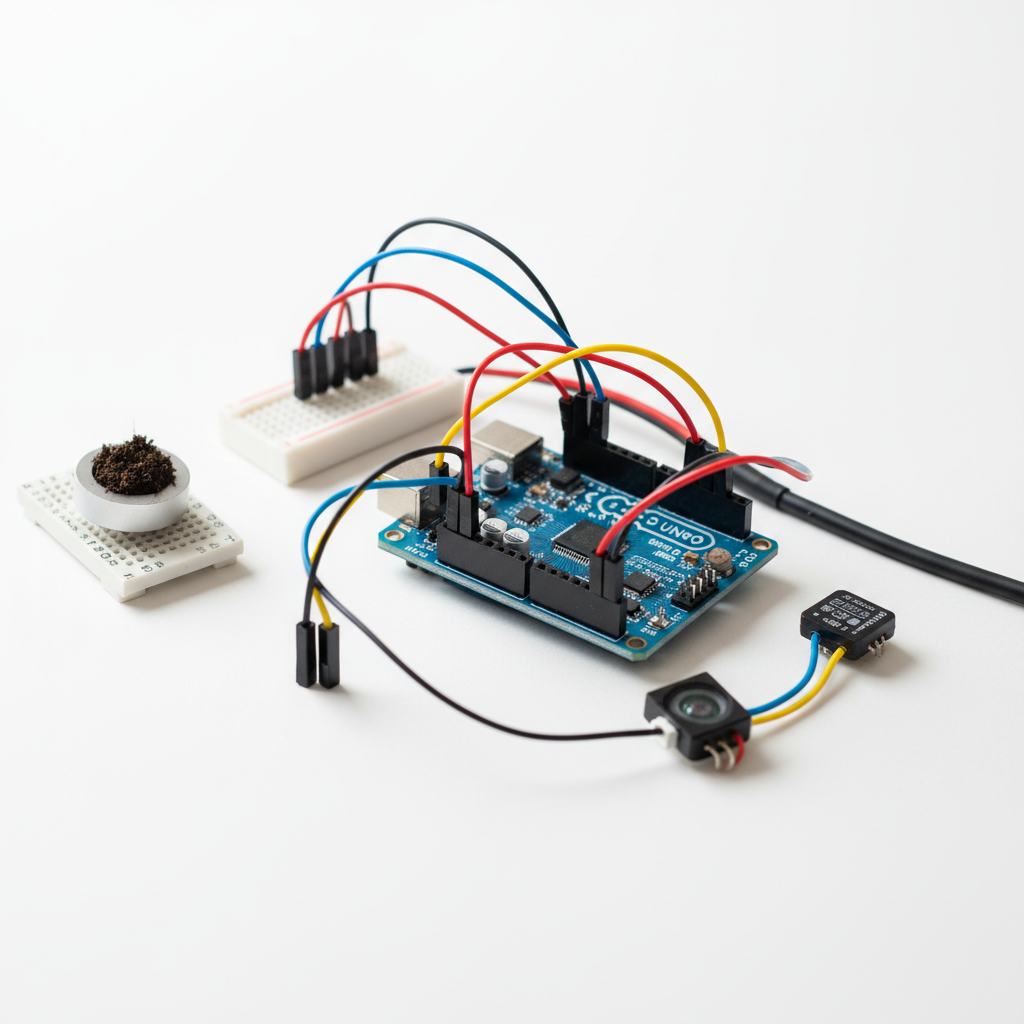
Microcontroller Integration: Uses Arduino Uno for central processing.

Multi-Sensor System: Incorporates ultrasonic sensors for level detection and turbidity sensors for quality checks.

Embedded AI: Processes data locally to display status on an LCD without relying on cloud connectivity.

Made byBobr AI

Hardware Cost Breakdown

The proposed system is highly affordable with a low total bill of materials. The Arduino Uno and Turbidity sensor are the primary cost drivers.

Chart
Made byBobr AI

Water Level Detection

The ultrasonic sensor (HC-SR04) emits waves toward the water surface and calculates the distance via signal reflection time. Given a fixed tank height of 10 cm, the Arduino processes this distance to classify the water level as LOW, MID, or HIGH automatically.

Made byBobr AI

Turbidity & Quality Sensing

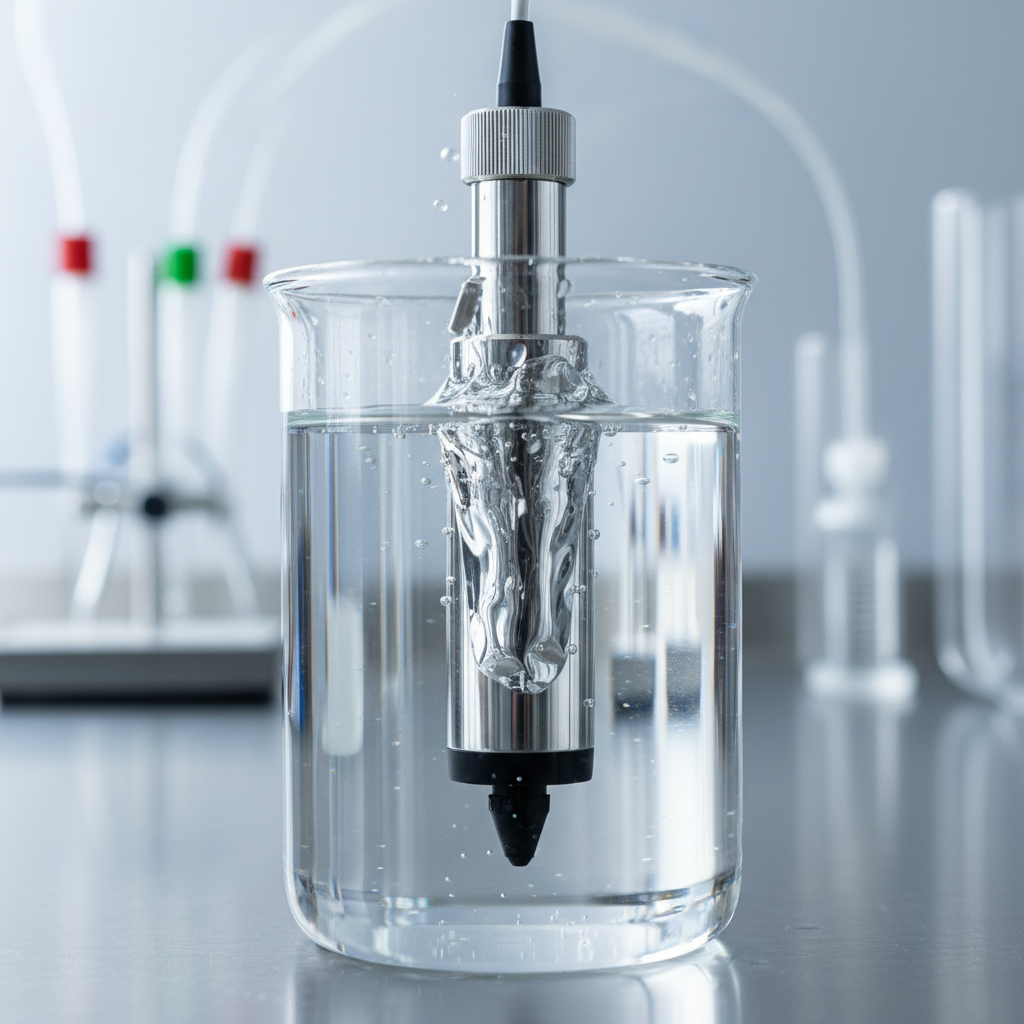
The turbidity sensor detects suspended particles in the water by measuring light transmittance. The system collects multiple readings and applies a noise-reduction filter. Embedded AI logic then compares these values against a threshold to definitively classify the water quality as CLEAN or DIRTY.

Made byBobr AI

User Interface: LCD Display

A 16x2 I2C LCD screen serves as the primary output interface. It provides users with immediate, real-time feedback on the system's status, simultaneously displaying the current water level (percentage or state) and quality condition (Good/Bad).

Made byBobr AI

Key Advantages

  • Real-time Monitoring: Instant feedback on storage conditions.
  • Offline Operation: Functions reliably without internet dependency.
  • Cost-Effective: Low component cost compared to industrial solutions.
  • Energy Efficient: Designed for low power consumption.
  • Simplicity: Easy to install, use, and maintain.
Made byBobr AI

Applications

🏠 Households

Household Overhead Tanks: Prevents overflow and ensures basic hygiene.

🏫 Education

Educational Institutions: Schools and colleges for potable water management.

🧪 Laboratories

Laboratories: Monitoring distilled or treated water supplies.

🚜 Rural/Remote

Rural Areas: Remote locations lacking complex infrastructure.

Made byBobr AI

Conclusion & Learning Outcomes

This project successfully demonstrates the power of Embedded AI on microcontrollers. By performing data processing locally, the system achieves low latency and high reliability.

Justification: The use of rule-based intelligence offers an optimal balance between accuracy, simplicity, and affordability, proving that effective smart systems do not always require expensive hardware or cloud connectivity.

Made byBobr AI
Bobr AI

DESIGNER-MADE
PRESENTATION,
GENERATED FROM
YOUR PROMPT

Create your own professional slide deck with real images, data charts, and unique design in under a minute.

Generate For Free

Arduino-Based Smart Water Level & Quality Monitoring

Learn how to build an intelligent embedded water monitoring system using Arduino, ultrasonic sensors, and turbidity sensors for real-time quality checks.

Embedded AI–Based Water Level & Quality Monitoring

An intelligent Arduino system for real-time sensing and offline decision-making.

Problem Statement

Most existing water storage tanks lack real-time monitoring capabilities. Manual checking is inefficient and leads to significant issues such as unexpected water overflow, sudden shortages, and the unnoticed usage of contaminated water. There is a critical need for an automated, intelligent solution that is also cost-effective.

Proposed Solution

Microcontroller Integration: Uses Arduino Uno for central processing.

Multi-Sensor System: Incorporates ultrasonic sensors for level detection and turbidity sensors for quality checks.

Embedded AI: Processes data locally to display status on an LCD without relying on cloud connectivity.

Hardware Cost Breakdown

The proposed system is highly affordable with a low total bill of materials. The Arduino Uno and Turbidity sensor are the primary cost drivers.

Water Level Detection

The ultrasonic sensor (HC-SR04) emits waves toward the water surface and calculates the distance via signal reflection time. Given a fixed tank height of 10 cm, the Arduino processes this distance to classify the water level as LOW, MID, or HIGH automatically.

Turbidity & Quality Sensing

The turbidity sensor detects suspended particles in the water by measuring light transmittance. The system collects multiple readings and applies a noise-reduction filter. Embedded AI logic then compares these values against a threshold to definitively classify the water quality as CLEAN or DIRTY.

User Interface: LCD Display

A 16x2 I2C LCD screen serves as the primary output interface. It provides users with immediate, real-time feedback on the system's status, simultaneously displaying the current water level (percentage or state) and quality condition (Good/Bad).

Key Advantages

Real-time Monitoring: Instant feedback on storage conditions.

Offline Operation: Functions reliably without internet dependency.

Cost-Effective: Low component cost compared to industrial solutions.

Energy Efficient: Designed for low power consumption.

Simplicity: Easy to install, use, and maintain.

Applications

Household Overhead Tanks: Prevents overflow and ensures basic hygiene.

Educational Institutions: Schools and colleges for potable water management.

Laboratories: Monitoring distilled or treated water supplies.

Rural Areas: Remote locations lacking complex infrastructure.

Conclusion & Learning Outcomes

This project successfully demonstrates the power of Embedded AI on microcontrollers. By performing data processing locally, the system achieves low latency and high reliability.

Justification: The use of rule-based intelligence offers an optimal balance between accuracy, simplicity, and affordability, proving that effective smart systems do not always require expensive hardware or cloud connectivity.

  • arduino
  • water-monitoring
  • embedded-ai
  • iot-project
  • smart-tank
  • turbidity-sensor
  • ultrasonic-sensor