
Stages of Decomposition & Homeopathic Septic States
Learn about the 5 stages of physical decay and clinical homeopathic correlations for septic conditions like Pyrogen, Secale, and Crotalus Horridus.
DEADNESS: CONCEPTS & DECOMPOSITION
An Analysis of Physical Decay, Figurative Meanings, and Clinical Correlations
Defining Deadness
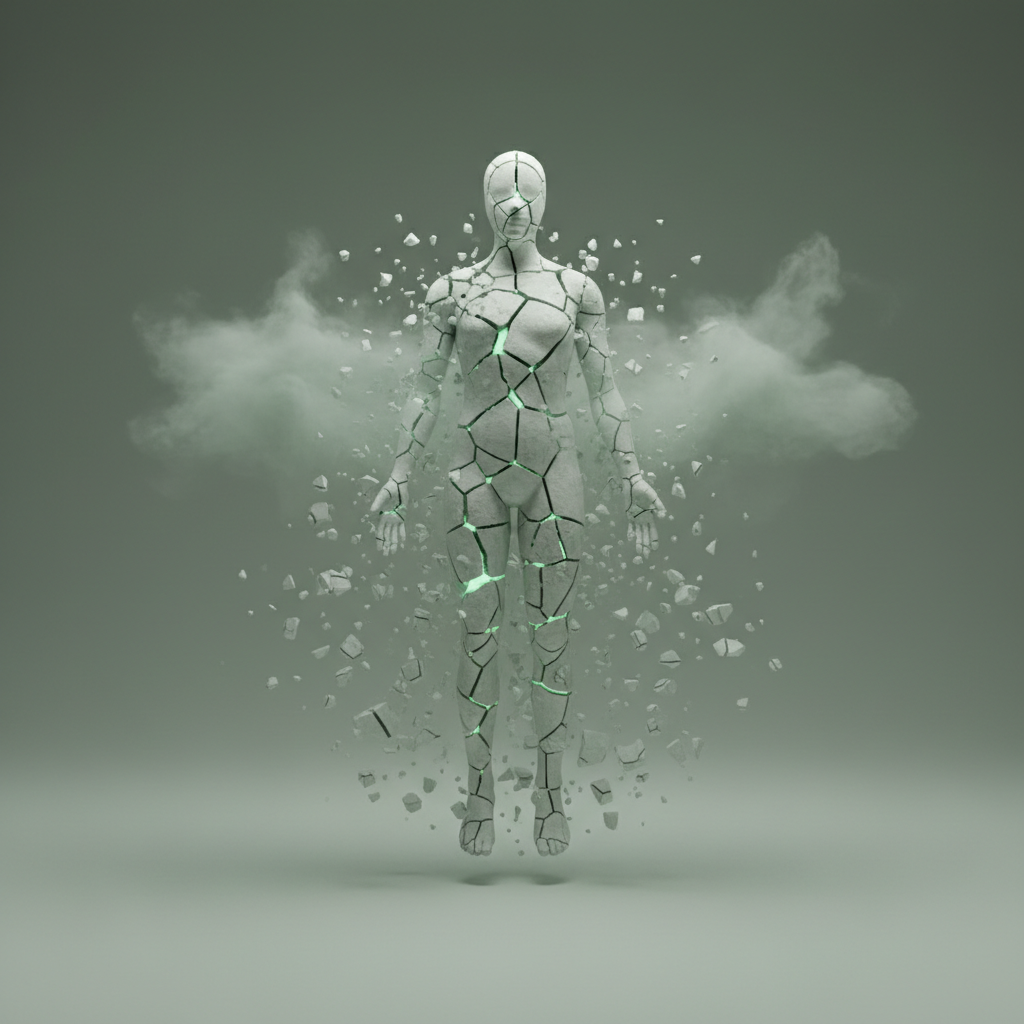
Deadness refers to the state of being lifeless, but also extends to a lack of feeling, responsiveness, or elasticity. It signifies being inert, dormant, or devoid of a 'vital spark'—like a dull tennis ball or a flat drink. In a figurative sense, it represents spiritual or emotional emptiness.
Key Meanings & Contexts
Lifelessness: The literal condition of being dead.
Unresponsiveness: Numbness, apathy, or lack of emotional reaction (e.g., 'deadness of expression').
Inertness/Inactivity: A state of being dormant (e.g., 'dead battery', 'dead air').
Lack of Quality: Objects losing their energy (e.g., flat champagne).
The 5 Stages of Decomposition
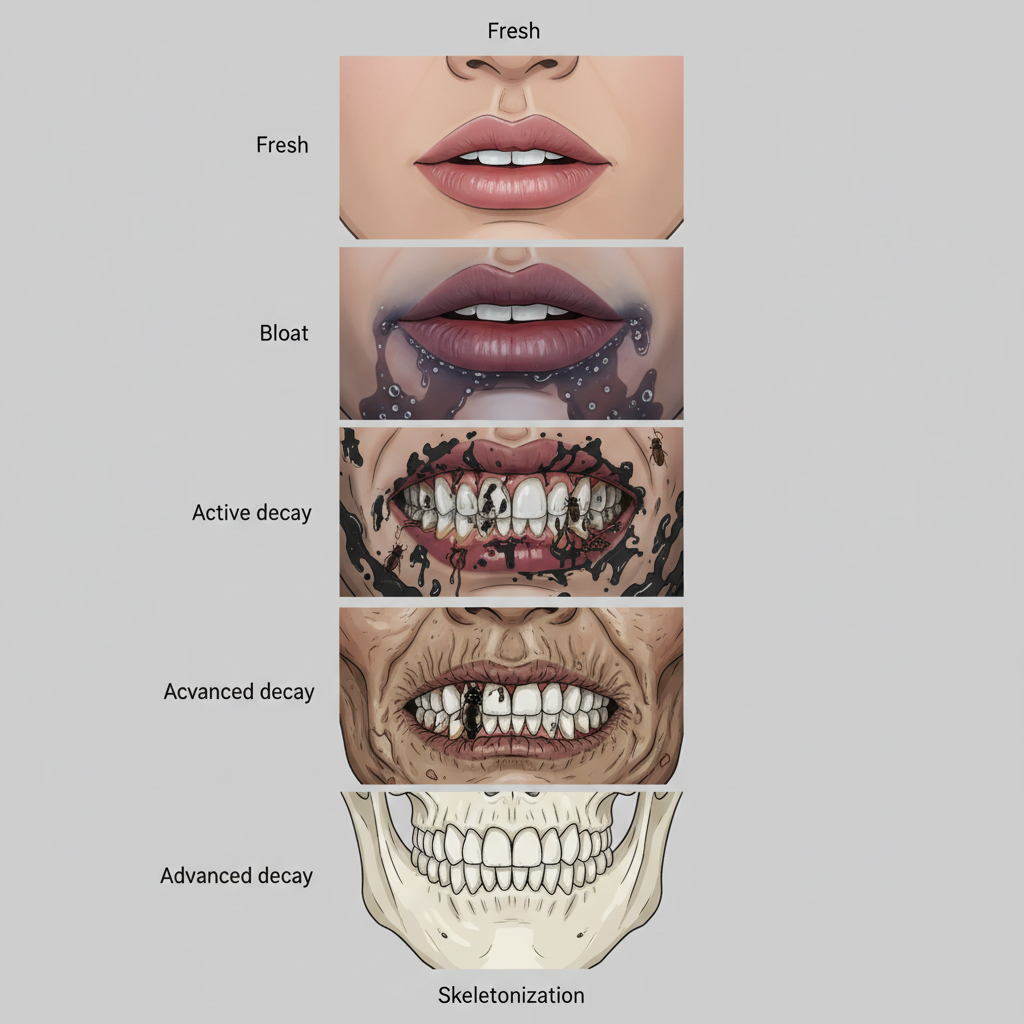
1. Autolysis (Fresh Stage): Cells self-digest; pallor mortis occurs.
2. Bloat (Putrefaction): Gases cause swelling; strong odors develop.
3. Active Decay: Soft tissues liquefy; mass reduced by insects/maggots.
4. Advanced Decay: Most soft tissue is gone.
5. Skeletonization (Dry Stage): Only bones and cartilage remain.
Visualizing Decay Phases
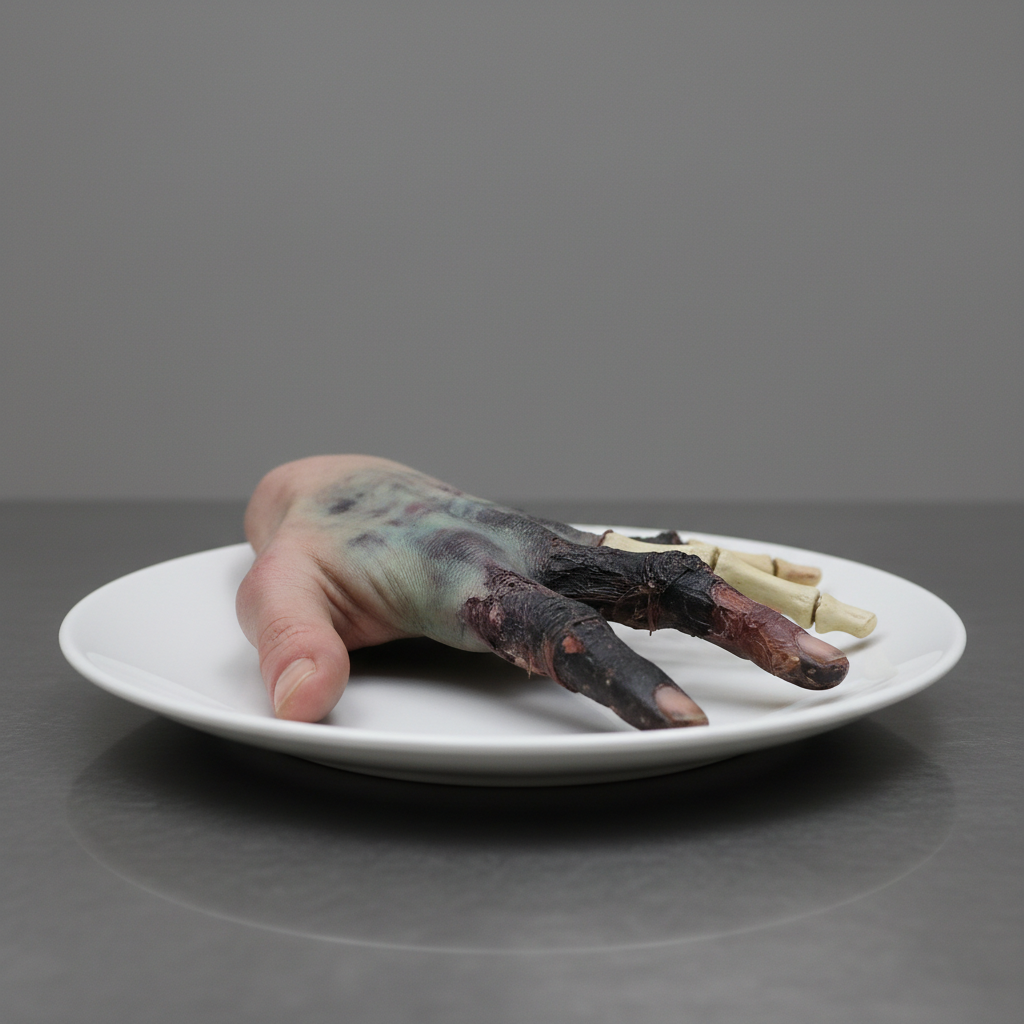
Biological changes manifest visibly in tissues. The progression affects color, shape, and integrity, moving from fresh tissue to bloating, and finally to desiccation.
Early Stage Specifics: Autolysis & Bloat
Autolysis: Immediate post-death period where enzymes break down tissues. Pallor mortis (paleness) and Livor mortis (discoloration) set in.
Bloat (Putrefaction): Gut bacteria produce methane and hydrogen sulfide.
Consequences: The body swells and distorts; fluids may seep from orifices due to internal pressure.
Active Decay & Skeletonization
During active decay, the body takes on a dark, sludgy appearance as soft tissues liquefy. Insect activity is high. By the skeletonization phase (dry stage), only bones and cartilage remain. In dry conditions, mummification may occur instead of full decay.
Connection to Homeopathy: Crotalus Horridus
Associated with 'Decomposition of Shape'; profound nervous shock.
Disorganization of blood: Hemorrhages that are slow, oozing, dark, and thin (do not clot).
Rapid tissue decomposition producing malignant, septic conditions.
Key modality: Worse sleeping, worse lying on the right side.
Clinical Picture: Secale
Decomposes blood: Thin, watery, black oozing continuously.
Sensation: Internal burning 'LIKE FIRE' with icy coldness externally.
Gangrene: Traumatic gangrene; discharges are foul and exhausting.
Modality: Cold makes it better (Amelioration), despite the cold touch.
Pyrogen: The Pulse Anomaly
A key characteristic of Pyrogen in septic conditions is that the pulse rate is extremely high, out of proportion to the body temperature. This distinguishes it from standard fevers.
Mur-ac & Septic States
Mur-ac (Muriaticum Acidum): Great prostration; patient slides down in bed due to weakness.
Physical Signs: Dropsical swelling, missing 3rd heart beat.
Behavior: Persistent loud moaning.
Pyrogen (Additional): Marked offensiveness of all discharges, loquacity, and a red streak down the tongue.
- decomposition
- forensic-science
- homeopathy
- clinical-pathology
- pyrogen
- biology
- septic-states