



Made byBobr AI

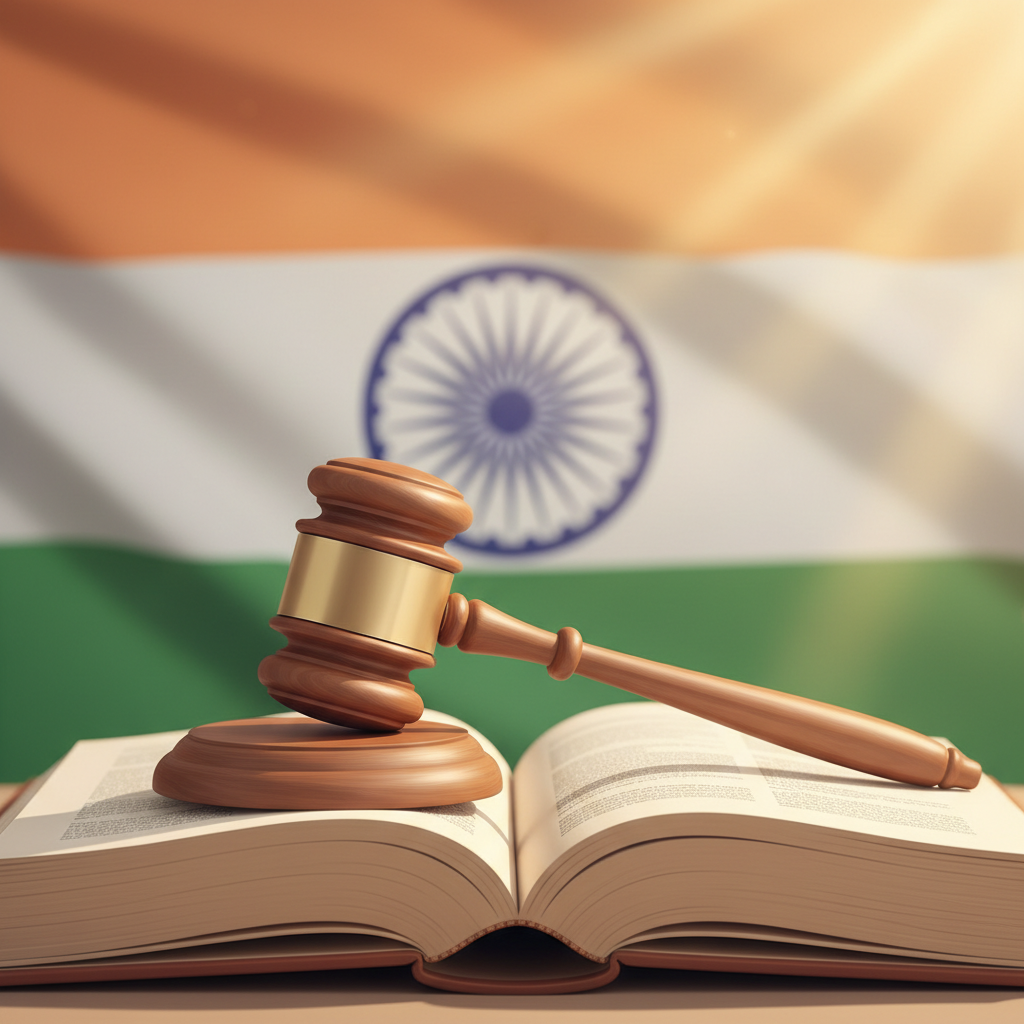
Understanding Justice and Article 14 of Indian Constitution

A simple guide to fairness, the meaning of justice, and Article 14 of the Indian Constitution. Perfect for students learning Civics and Law.

#justice#indian-constitution#article-14#civics-education#equality-before-law#law-basics
Watch
Pitch

What is Justice?

Understanding Fairness and the Law

Made byBobr AI

Student Details

Name: [Your Name]
Class: [Your Class]
Roll Number: [Your Number]
Subject: Civics

Made byBobr AI

The Meaning of Justice

In simple words, Justice means 'Fairness'. It means doing the right thing and making sure everyone gets exactly what they deserve, without cheating or favoring anyone.

Made byBobr AI

A Simple Example

Imagine a race at school. Justice means everyone starts at the same line. If one person starts ahead of others, it is unfair. Justice ensures the rules are the same for everyone.

Made byBobr AI

Why Do We Need Justice?

  • ✅ It creates peace in society.
  • ✅ It protects the weak from the strong.
  • ✅ It builds trust among people.
  • ✅ It ensures that no one is mistreated.
Made byBobr AI

The Symbol of Justice

The blindfold means the law doesn't judge by appearance, only by truth.

Made byBobr AI

The Indian Constitution

In India, the supreme rules for justice are written in a special book called the Constitution of India.

It makes sure that every citizen in our country is treated fairly.

Made byBobr AI

Article 14: Equality Before Law

One very important law in our Constitution is Article 14.

It simply says: Everyone is equal before the law. Whether someone is rich or poor, famous or regular, the law is the same for them.

Made byBobr AI

What does Article 14 mean for us?

  • No one is above the law.
  • The government cannot discriminate against anyone based on religion, race, caste, or gender.
  • Equal protection is given to all citizens.
Made byBobr AI

Being Just Everyday

We don't need to be judges to practice justice. Being honest, following school rules, and standing up for friends who are treated unfairly is how we show justice in our lives.

Made byBobr AI

“Justice consists not in being neutral between right and wrong, but in finding out the right and upholding it.”

- Theodore Roosevelt

Made byBobr AI
Bobr AI

DESIGNER-MADE
PRESENTATION,
GENERATED FROM
YOUR PROMPT

Create your own professional slide deck with real images, data charts, and unique design in under a minute.

Generate For Free

Understanding Justice and Article 14 of Indian Constitution

A simple guide to fairness, the meaning of justice, and Article 14 of the Indian Constitution. Perfect for students learning Civics and Law.

What is Justice?

Understanding Fairness and the Law

Student Details

Name: [Your Name]<br>Class: [Your Class]<br>Roll Number: [Your Number]<br>Subject: Civics

The Meaning of Justice

In simple words, Justice means 'Fairness'. It means doing the right thing and making sure everyone gets exactly what they deserve, without cheating or favoring anyone.

A Simple Example

Imagine a race at school. Justice means everyone starts at the same line. If one person starts ahead of others, it is unfair. Justice ensures the rules are the same for everyone.

Why Do We Need Justice?

It creates peace in society.

It protects the weak from the strong.

It builds trust among people.

It ensures that no one is mistreated.

The Symbol of Justice

The Indian Constitution

In India, the supreme rules for justice are written in a special book called the <b>Constitution of India</b>. <br><br>It makes sure that every citizen in our country is treated fairly.

Article 14: Equality Before Law

One very important law in our Constitution is <b>Article 14</b>.<br><br>It simply says: <i>Everyone is equal before the law.</i> Whether someone is rich or poor, famous or regular, the law is the same for them.

What does Article 14 mean for us?

No one is above the law.

The government cannot discriminate against anyone based on religion, race, caste, or gender.

Equal protection is given to all citizens.

Being Just Everyday

We don't need to be judges to practice justice. Being honest, following school rules, and standing up for friends who are treated unfairly is how we show justice in our lives.

Justice consists not in being neutral between right and wrong, but in finding out the right and upholding it.

Theodore Roosevelt

  • justice
  • indian-constitution
  • article-14
  • civics-education
  • equality-before-law
  • law-basics